
Book Sumba Tours OnlineCurated Journeys Across West & East
Explore East and West Sumba with thoughtfully designed private tours. From savannas to lagoons, from tradition to rituals, experience the island in carefully planned time and routes.
Plan your journey with our experience tour consultants.
● Trusted by travelers worldwide. ● Local experts & curated trips. ● Safe & easy bookings.
Sumba Is Not a Destination You Simply VisitIt Is a Landscape You Move Through
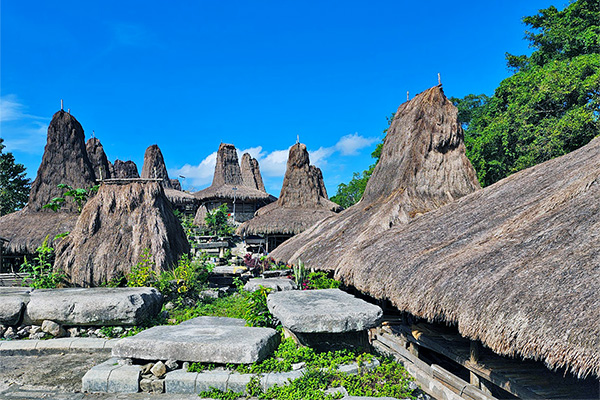
Vast golden savannas stretch toward the horizon, horses graze against cinematic skies, and waves crash below limestone cliffs that feel untouched by time. In villages like Ratenggaro Village, ancient megalithic traditions continue quietly, while places such as Weekuri Lagoon and Walakiri Beach reveal the island’s raw, elemental beauty.
Yet Sumba’s magic is inseparable from its complexity.
Distances are long. Roads are winding. Sunrise and sunset matter here. So do tides.
Flight timing between Tambolaka and Waingapu shapes the rhythm of your journey. Exploring Sumba independently is possible. Experiencing it fully requires thoughtful planning — understanding geography, pacing drives wisely, and knowing when to linger.
Our Sumba tours are designed around that balance: cinematic landscapes, cultural depth, and realistic logistics woven into one seamless journey.
Why Travel Sumba with Private Tour
Sumba rewards intention — and tests logistics.
The island is vast, and distances between highlights are significant.
A sunrise in East Sumba can mean a three- to four-hour drive from the western coast the day before. Roads are scenic but winding, signage is limited, and fuel stops are not always obvious. Even flight coordination requires strategy: arriving via Tambolaka and departing from Waingapu – or vice versa – changes the entire flow of your itinerary. Nature here also operates on its own rhythm. Lagoons such as Weekuri Lagoon are best visited at specific tidal windows. The iconic trees of Walakiri Beach reveal their magic at low tide during sunset. Waterfalls like Tanggedu Waterfall require timing, weather awareness, and realistic pacing.
A private Sumba tour simplifies all of this.
With a dedicated vehicle and experienced local driver, routes are optimized to reduce backtracking and unnecessary fatigue. Departure times adjust to catch golden light. Stops can be spontaneous — a herd of horses crossing the savanna, a village ceremony, a quiet roadside view. More than transportation, it is local insight. Understanding village etiquette, knowing which paths are accessible after rain, and anticipating the pace of the island — these details shape a smoother, richer experience.
Sumba is extraordinary. The right structure allows you to experience it fully, without distraction.
Our Sumba Tour Collection
Every Sumba journey must begin with geography and flight reality.
Arrival in Tambolaka naturally opens the western coastline, while Waingapu places you closer to the savannas and waterfalls of the east. Driving times shape the rhythm of each day, and sunrise or sunset moments influence where you sleep each night. Our collection of Sumba tours is therefore designed around flow — minimizing backtracking, balancing travel time with meaningful exploration, and ensuring each highlight is experienced at its best hour.
Below, discover the journey that matches your time and travel style.
3 Days - West Sumba Tour
Best for short escapes via Tambolaka.
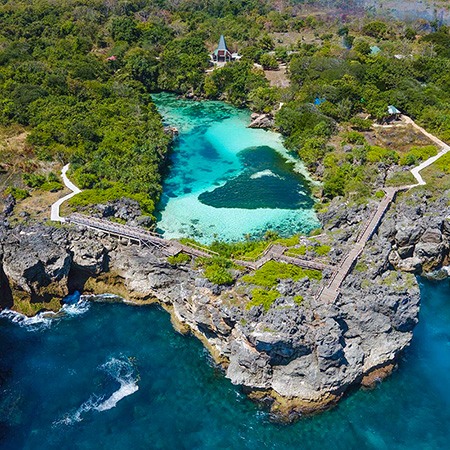
Ideal for travelers with limited time, this compact journey focuses on West Sumba’s most dramatic coastal landscapes without rushing unnecessarily. The route stays concentrated around the southwest, reducing long drives while still delivering strong visual impact.
Experience the megalithic traditions of Ratenggaro Village, swim in the crystalline waters of Weekuri Lagoon, and end the day along the secluded shoreline of Mandorak Beach. It is a focused, scenic introduction — perfect as an extension from Bali or Lombok.
This experience gives enough introduction to those having limited time.
4 & 5 Days - Sumba Island Tour
Classic Sumba loop.
This is the signature Sumba route for those who want both coast and savanna in a single, well-paced journey. Beginning in the west and gradually crossing the island, the overland drive becomes part of the experience — rolling hills, grazing horses, and ever-changing skies.
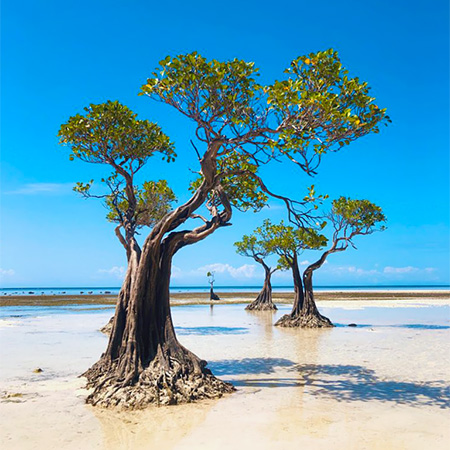
Sunset unfolds at Walakiri Beach, sunrise stretches across Puru Kambera Savanna, and a visit to Tanggedu Waterfall adds a dramatic canyon-like contrast.
This itinerary suits travelers who want diversity within a realistic timeframe. Sometime combining the trip with exploring other islands like Labuan Bajo in Flores or Lombok.
6 & 7 Days - Sumba Island Tour
Balanced, cinematic pacing.
With an additional day, Sumba begins to unfold more naturally. Drives are shorter, mornings are unhurried, and cultural encounters become more meaningful. This journey blends West and East highlights while allowing time for depth.
Beyond iconic landscapes, you may visit traditional villages, observe daily life rhythms, and encounter the artistry of handwoven ikat textiles. A savanna sunrise feels less like a checklist moment and more like a quiet presence.
This itinerary is ideal for travelers who value both photography and cultural texture, and gives enough time to see the best Sumba has to offer.
West Sumba Tour
West Sumba is defined by contrast — turquoise lagoons set against limestone cliffs, ancient villages overlooking restless seas, and coastlines that feel almost cinematic in scale.
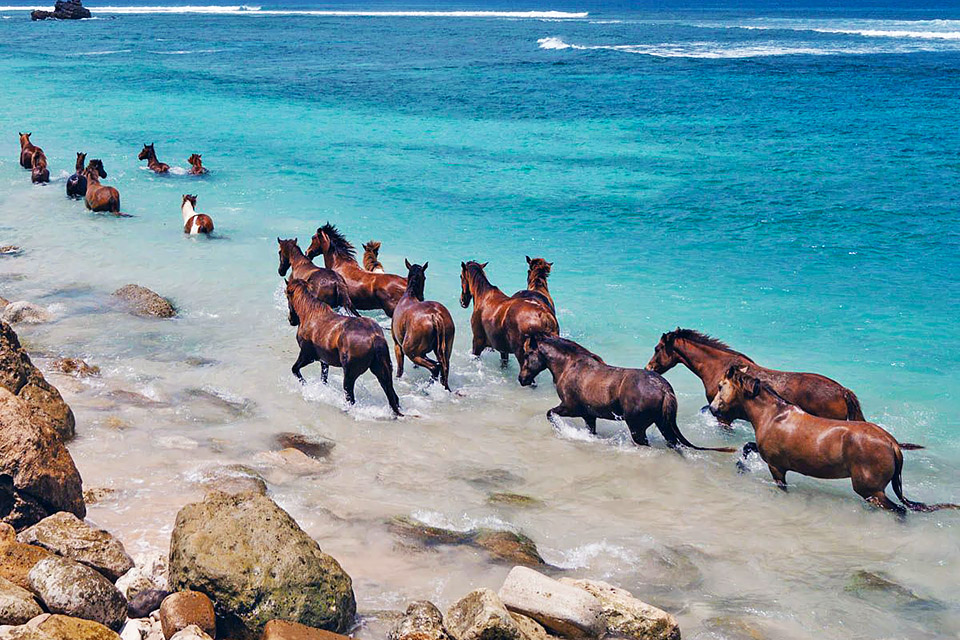
Compared to the expansive savannas that dominates a significant part of the east, West Sumba feels more dramatic and textural.
Our West Sumba tours center around iconic natural formations such as Weekuri Lagoon, where saltwater pools shimmer between rocky outcrops, and the cliff-framed beauty of Mandorak Beach. Cultural depth is equally compelling in villages like Ratenggaro Village, where towering thatched roofs and megalithic tombs speak to centuries of tradition.
This side of the island is ideal for travelers seeking a blend of coastal scenery and living heritage, all within reachable distance of Tambolaka airport. It is important to note that Tambolaka Airport has higher flight frequency, especially to Bali’s Ngurah Rai International Airport.
For route details, travel flow, and highlight explanations, explore our comprehensive West Sumba Tours page.
East Sumba Tour
East Sumba unfolds in wide horizons and early light. The landscape here feels expansive — rolling golden savannas, grazing horses, and coastlines shaped by wind and tide.
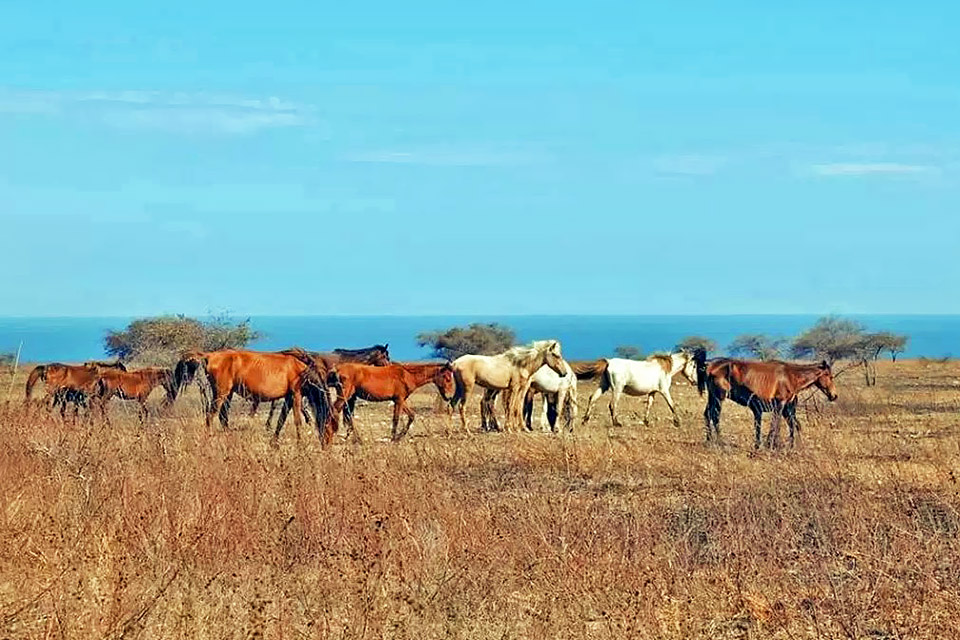
Sunrise becomes the defining moment of the day, particularly across the open plains of Puru Kambera Savanna, where the sky shifts from soft lavender to burning gold within minutes.
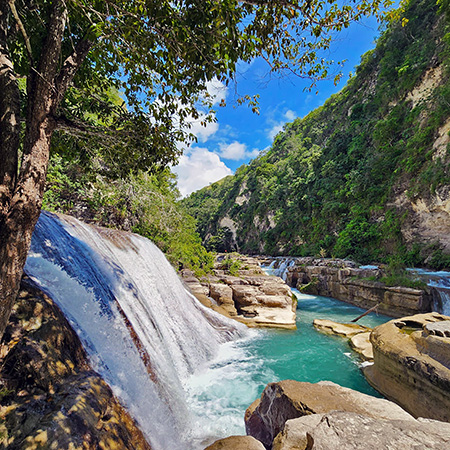
Our East Sumba tours focus on this cinematic rhythm. Mornings begin early to capture the best light, followed by explorations to dramatic natural formations such as Tanggedu Waterfall, where layered rock pools create a striking canyon-like setting. Evenings often conclude along the coast at Walakiri Beach, known for its reflective tidal flats and iconic mangrove silhouettes.
This region is ideal for travelers drawn to open landscapes, photography, and a quieter pace shaped by nature’s timing.
Explore our detailed guide to East Sumba routes, highlights, and travel considerations on the dedicated East Sumba Tours page.
How Many Days do You Need in Sumba?
One of the most common questions when planning Sumba tours is simple: how many days in Sumba are enough?
The answer depends on how deeply you want to experience the island — and how comfortable you are with long drives between regions. Because West and East Sumba are several hours apart, itinerary length directly affects pacing. Here is a practical guide to choosing the right Sumba itinerary length:
2 Days
Ideal for West Sumba only. Focus on lagoons, beaches, and a traditional village near Tambolaka without crossing the island.
3 Days
The classic Sumba 3 day tour. Best for combining West and East highlights in a structured overland journey.
4-5 Days
Balanced exploration. Shorter driving segments, time for waterfalls and savannas, and space for cultural encounters.
6+ Days
Slow, immersive travel. Explore East and West thoroughly, add hidden beaches or soft trekking. Experience Sumba beyond the iconic stops.
If your flights arrive in Tambolaka on the west and depart from Waingapu on the east or another way round, a minimum of three days allows for smoother geographic flow. The more days you allocate, the more Sumba reveals its rhythm rather than just its highlights.
Planning Your Sumba Tours - Practical Notes
Designing seamless Sumba tours begins with flight logic. The island is served by two gateways: Tambolaka in West Sumba and Waingapu in East Sumba. From Bali, travelers typically fly Denpasar → Tambolaka or Denpasar → Waingapu, and the airport you choose should determine your route flow — not the other way around.
Arriving in Tambolaka naturally opens access to the lagoons and coastal cliffs of the west. Landing in Waingapu places you closer to savannas, waterfalls, and sunrise landscapes in the east. Mixing arrival and departure airports can create an efficient overland journey — but only if driving time is accounted for carefully.
Cross-island travel between West and East Sumba can take four to six hours depending on road conditions and weather. While the scenery is beautiful, these are real distances that shape how many stops are realistic in a day. This is why flight pairing matters: a poorly aligned departure can compress the final day into an unnecessary rush.
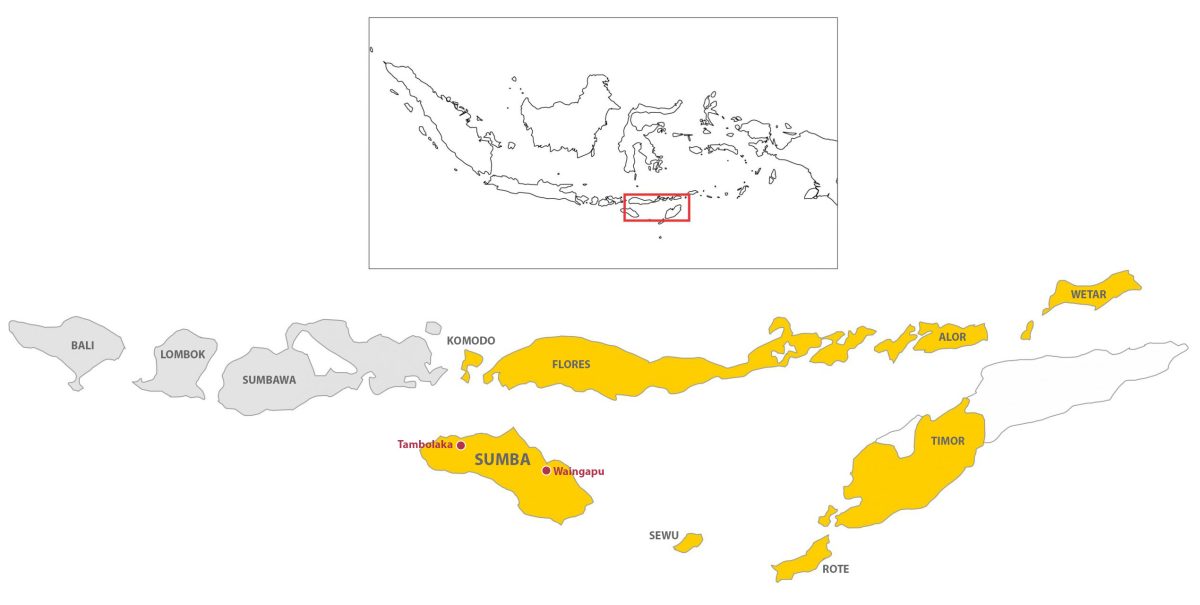
A minimum of one night in Sumba is essential due to flight schedules and daylight timing. However, one night limits exploration to a single region. Considering terrain and distance, East is not advisable. To experience both East and West with reasonable pacing, three nights is significantly more comfortable.
The best time to visit Sumba is during the dry season, typically May through October, when roads are more reliable and savannas glow golden under clear skies. The green season offers dramatic landscapes but requires flexible timing for waterfalls and road access. In which case longer stay is needed.
Thoughtful planning transforms logistical complexity into a fluid journey.
Speak With a - Sumba Travel Advisor
Sumba is not a destination that fits neatly into a template. Flight timing, road conditions, sunrise locations, and the pace you prefer all shape the ideal journey. What works beautifully for one traveler may feel rushed for another.
That is why every journey begins with a conversation.
Whether you are considering a focused three-day overland route or a slower, immersive exploration across East and West, we take time to understand how you travel — what inspires you, how much driving feels comfortable, and which landscapes matter most. From there, we refine the flow, align flights thoughtfully, and shape an experience that feels intentional rather than improvised.
If Sumba has captured your imagination, let’s begin there.
Stories from Our Sumba Island Explorers

Sumba: East Meets West
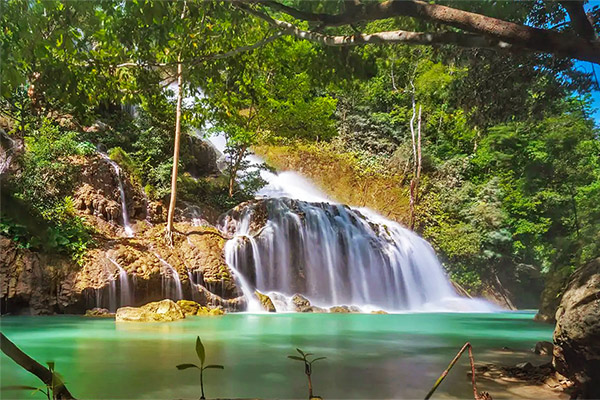
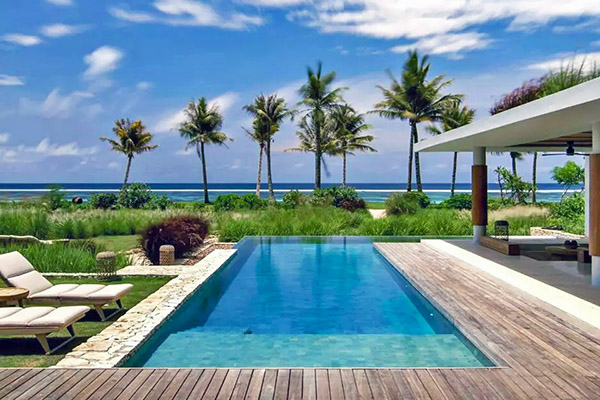
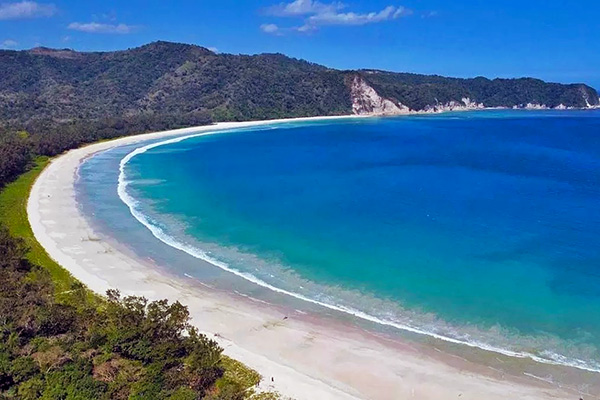
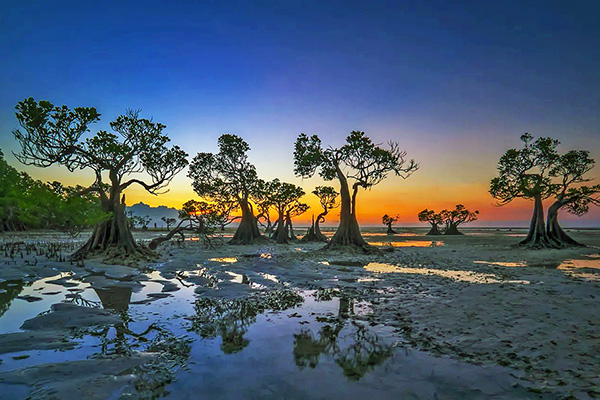
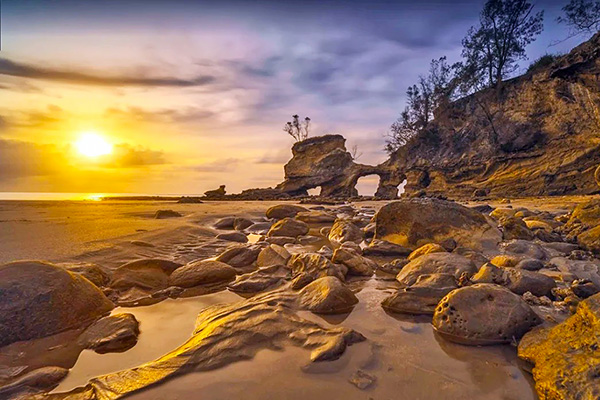
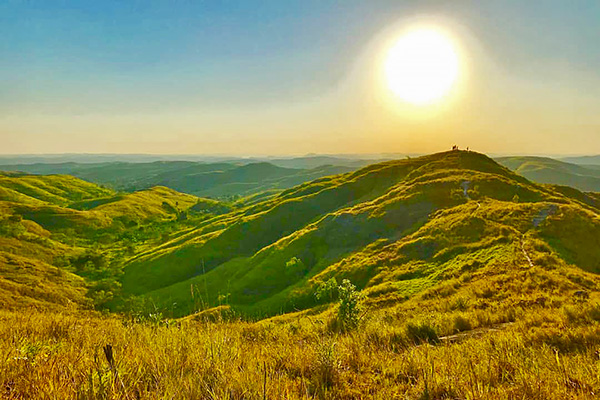
EAST - Watuparunu Beach
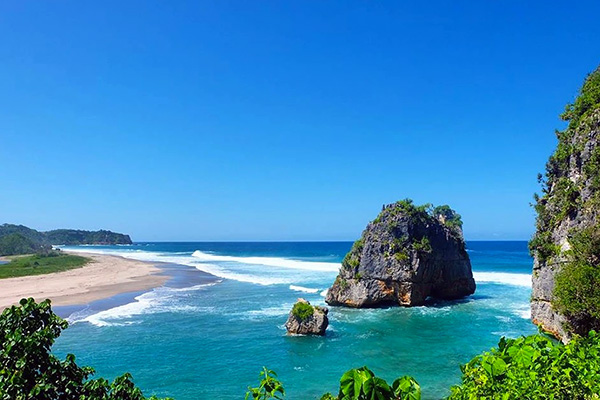
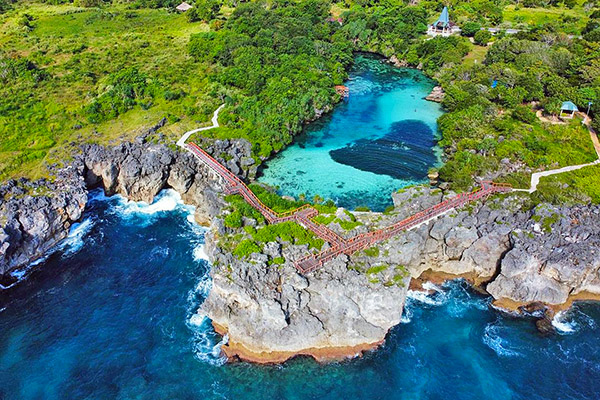
WEST - Watu Malandong Beach
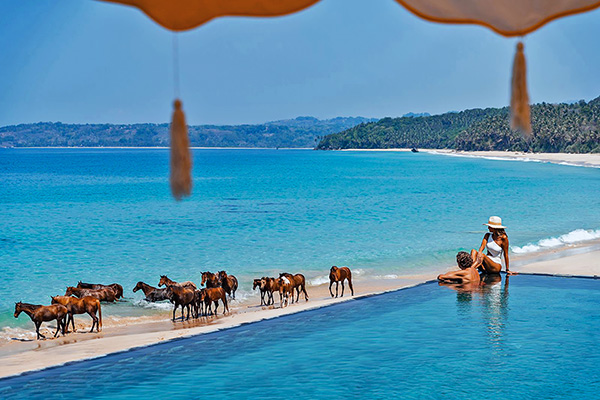
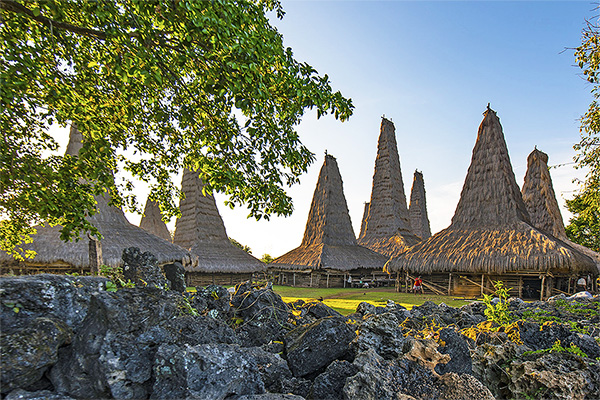
WEST - NIHI Sumba
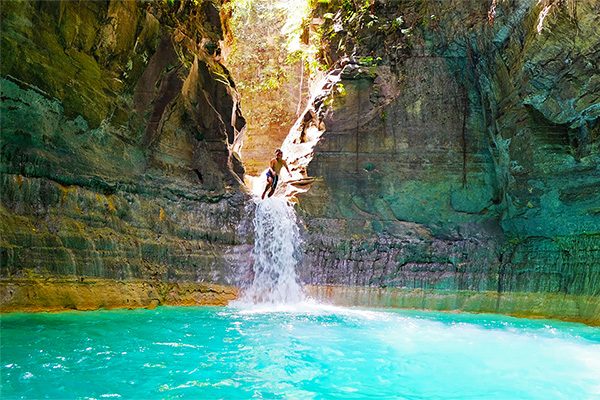
EAST - Waimarang Waterfall
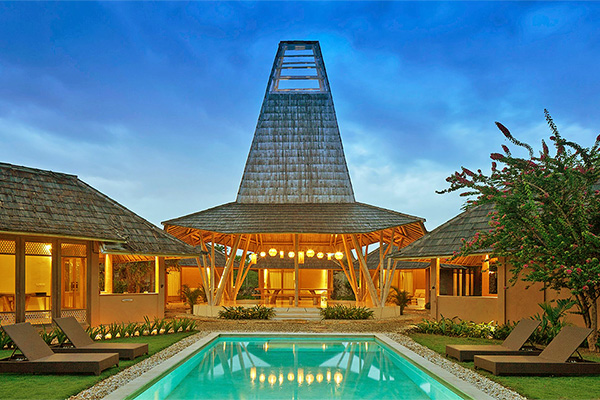
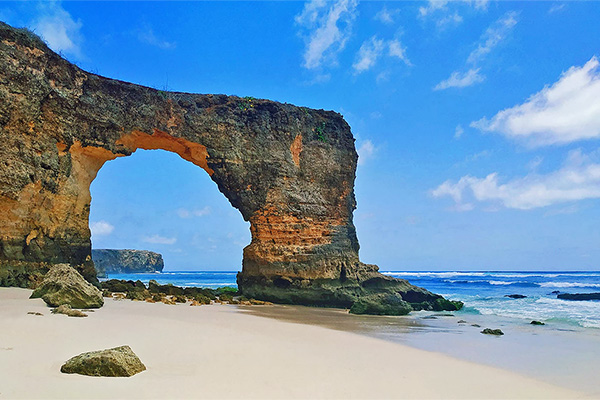
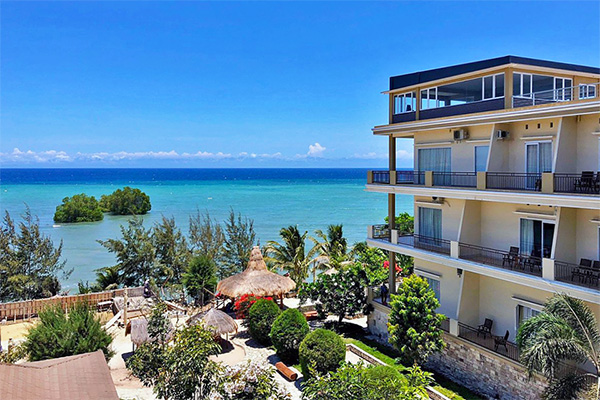
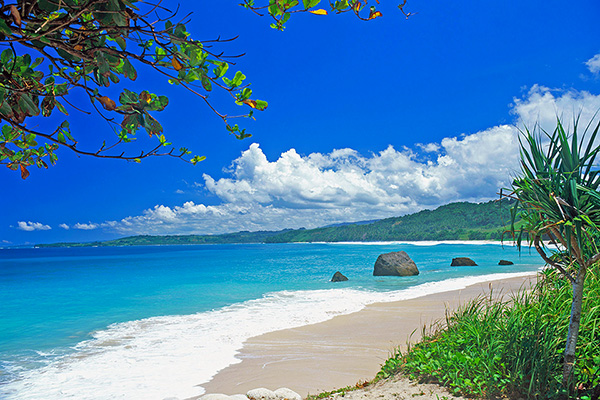
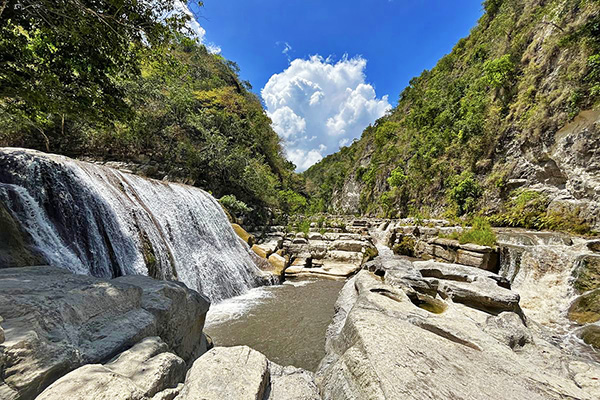
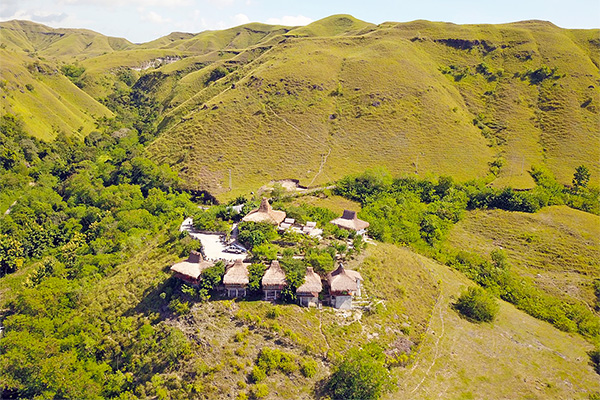
EAST - Maroonda Villa
Island Journal: Sumba Travel Guide, Culture & Stories

Frequently Asked Questions
Is Sumba worth visiting compared to Bali or Lombok?
Yes — especially for travelers seeking something quieter and less developed.
Bali offers infrastructure and variety. Lombok blends beaches with trekking and emerging resorts. Sumba, however, remains raw, spacious, and culturally intact. Its appeal lies in vast savannas, megalithic villages, and coastlines that feel cinematic rather than curated.
Unlike Bali, Sumba does not revolve around nightlife or dense café culture. Instead, Sumba tours focus on landscape, tradition, and space. If you are drawn to authenticity and open horizons, a well-planned Sumba itinerary offers a dramatically different Indonesian experience.
Is Sumba safe for travelers?
Sumba is generally safe for visitors, and Sumba tours operate smoothly with proper planning. Communities are welcoming, and serious crime involving tourists is rare.
Most considerations relate to logistics rather than safety. Driving distances between West and East Sumba are long, road conditions can vary, and medical facilities outside main towns are limited. This is why structured transportation and realistic itinerary planning are important.
With a private Sumba tour and experienced local driver, travel across the island becomes comfortable, organized, and secure.
Can you travel Sumba independently without a tour?
Yes, independent travel in Sumba is possible. Some travelers rent a vehicle with a driver, while others attempt self-drive routes. However, planning a Sumba itinerary requires careful coordination of flights, driving time, and regional geography.
Attractions in both West Sumba and East Sumba are spread across rural landscapes with minimal signage. Sunrise, sunset, and tide timing also influence when locations are best visited.
A private Sumba tour does not remove flexibility — it optimizes route flow, reduces backtracking, and ensures you experience each highlight at the right moment.
What is the best time to visit Sumba?
The dry season, typically May through October, is considered the best time for Sumba tours. Roads are more reliable, skies are clear, and the savannas glow golden — ideal for photography-focused itineraries.
During the green season (November to April), landscapes become lush and waterfalls are more dramatic. However, heavier rainfall can affect road conditions and extend travel time, particularly on cross-island routes.
Both seasons can support a rewarding Sumba tour, but timing should align with your preferred landscape aesthetic and travel flexibility.
Are Sumba tours suitable for families?
Sumba tours can be suitable for families when the itinerary length and driving time are carefully planned. The main factor to consider is distance between regions.
A three- or four-day Sumba itinerary focused on either West Sumba tours or East Sumba tours is often more comfortable than attempting a fast cross-island loop with children. Beaches, savannas, and cultural villages offer engaging yet relaxed experiences.
When pacing is realistic, Sumba becomes an enriching family destination rather than a demanding road journey.
Do I need to fly in and out of the same airport?
Not necessarily. Sumba tours often work best when arrival and departure airports are paired strategically.
The island has two main gateways: Tambolaka in West Sumba and Waingapu in East Sumba. Flying into one and departing from the other can create a logical overland Sumba itinerary that avoids unnecessary backtracking.
However, flight timing must align with driving realities. Early departures require staying near the correct airport the night before. Careful pairing ensures your final day feels relaxed rather than rushed.
How physically demanding are Sumba tours?
Most Sumba tours are moderately paced and suitable for travelers with average mobility. However, certain stops involve natural terrain.
Waterfalls may require short walks over uneven stone paths. Coastal viewpoints in West Sumba and savanna landscapes in East Sumba sometimes involve unpaved access roads. Extended Sumba itineraries may include optional soft trekking, but these are never mandatory.
If mobility is a concern, a private Sumba tour allows adjustments to prioritize accessible viewpoints and reduce physical strain while still delivering the island’s signature landscapes.
Indonesia Destinations Beyond Bali

Lombok

Labuan Bajo

Sumba

Bunaken
Have a question about Sumba travel guide and tour packages from Bali? Contact us.
- +62816693372