
Sumba Travel Guide & ToursIndonesia's Last Untouched Paradise
Sumba is one of those places that instantly feels different — bigger skies, quieter roads, wide-open landscapes, and beaches that stretch forever. It’s raw, beautiful, and still wonderfully uncrowded.
If you’re looking for something beyond the usual island escapes, this is it.
● Trusted by travelers worldwide. ● Local experts & curated trips. ● Safe & easy bookings.
Why Travelers AreFalling in Love with Sumba
Sumba isn’t “Bali’s next big thing” — it’s a completely different world.
Here, the grasslands roll like African savannas. The beaches stay quiet even at sunset. And the island’s traditional culture is still very much alive.
Iconic Savanna Hills
Quiet Beaches & Clear Lagoons
Strong Local Culture and Warm Hospitality
It’s a place where you slow down, look around, and think
“Wow … this is the Indonesia most people never get to see.”
Planning Your Sumba Trip – With HalloBALI
Visiting Sumba is about discovering raw beauty and authentic culture. If you’ve heard that Sumba is “beautiful but difficult to explore,” you’re not wrong — at least not if you try to plan everything on your own.
With HalloBALI, exploring Sumba becomes surprisingly easy — we handle the hard parts for you.

Share What You Want, Tell Us Your Travel Style
Share your dates, group size, and what you want — beaches, culture, viewpoints, or everything. We match you with the right route immediately.

We Build a Realistic, Local-Proof Itinerary
Sumba isn’t like Bali — distances are long, facilities are limited, and timing matters. We design an itinerary that fits how the island actually works.

Everything Is Booked & Confirmed for You
Accommodation, drivers, guides, permits, schedules — all handled by our on-ground team with real local knowledge. No guesswork, no surprises.

You Arrive and Enjoy, We Handle the Rest
Explore waterfalls, beaches, and villages with peace of mind. We stay in touch throughout your trip to ensure everything runs smoothly.
Our insider’s expertise makes sure everything is clarified, arranged, and guided — so you travel Sumba confidently, safely, and comfortably. The last thing you should worry about is confusing maps, long road conditions, or wondering whether a village welcomes visitors on that day.
Best Places to Visit in Sumba
From iconic sunset beaches to hidden jungle waterfalls, these are the places that capture travelers’ imaginations and define the magic of Sumba.
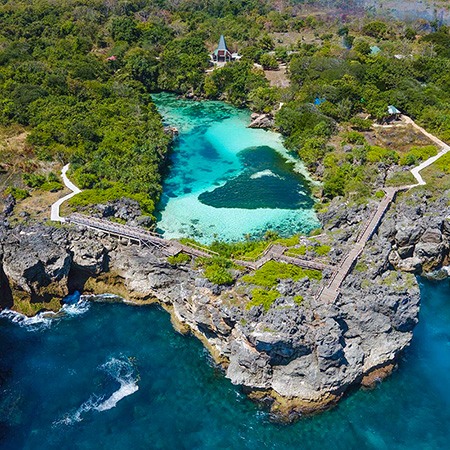
From the beaches we’d take our friends to, all the way to secret waterfalls the island keeps quiet, these are the places visitors can’t stop raving about.
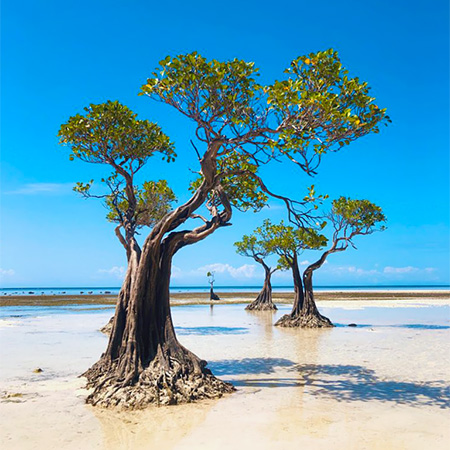
Beach - Walakiri Beach
Home to the famous “dancing mangroves,” this beach becomes magical at sunset. When the tide drops, the reflective sand and colorful sky turn the whole scene into a perfect photo moment.
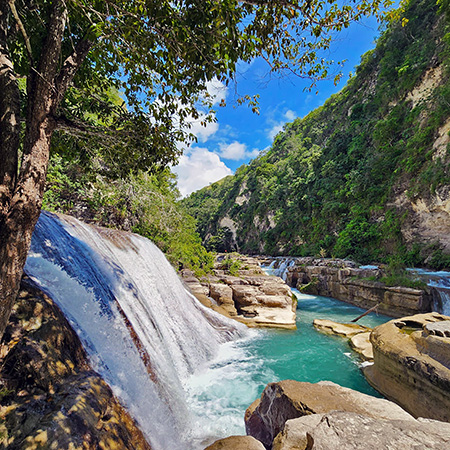
Nature - Tanggedu Waterfall
Often called the “Grand Canyon of Sumba,” this striking waterfall flows through a narrow canyon with bright blue water. The trek in is fun, and the natural pools are ideal for cooling off against tropical heat.
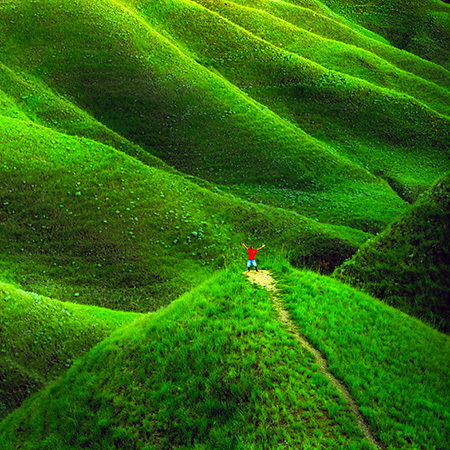
Nature - Tenau Hills
A panorama of rolling hills that glow beautifully during sunrise and sunset. It’s quiet, wide open, and gives you that surreal “only in Sumba” feeling as far as you can see.

Culture - Prai Ijing Village
One of Sumba’s most iconic traditional villages, known for its tall thatched houses and ancient stone structures. A friendly place to learn about local culture, customs, and weaving traditions.
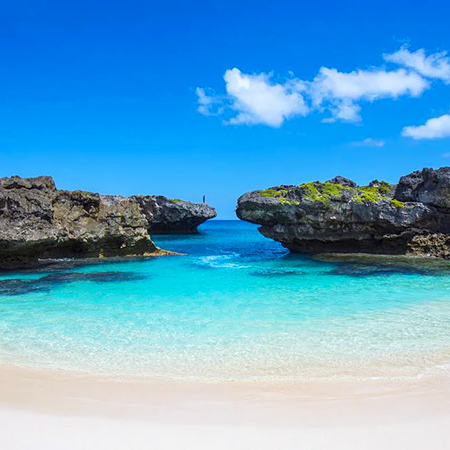
A small cove framed by dramatic cliffs and bright turquoise water. Calm, photogenic, and close to the wide-open Karoso Lake — a great combo stop for a half-day trip.
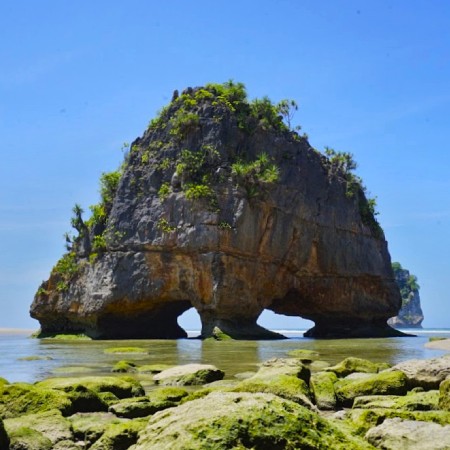
Beach - Watu Maladong
Massive rock pillars rising straight from the ocean, with waves crashing loudly below. It’s raw, powerful, and one of the most dramatic coastal scenes in Sumba.

Nature - Laputi Waterfall
A tall, tiered waterfall hidden deep in East Sumba’s forests. The water flows over wide rock steps, creating natural pools you can swim in — perfect for travelers who love quiet nature spots.
How to Get to Sumba
Sumba is easier to reach than many people think — and that’s part of what keeps it peaceful.
There are no international flights to Sumba. Most foreign tourists connects through either Bali or Jakarta.
From Bali:
1 hour 10 minutes direct flights to Tambolaka (TMC) and Waingapu (WGP).
From Jakarta:
2 hours 15 minutes daily flights to Waingapu (WGP).
Is Sumba Expensive?
Sumba can be surprisingly affordable depending on where you stay. Most travellers spend around IDR 1.2M–2.5M per day depending on comfort level.
Accommodation:
Homestays: IDR 300k–800k/night.
Boutique stays: IDR 1.2M–3M/night.
Luxury: IDR 5M+/night.
Tours & drivers:
Private driver: IDR 600k–850k/day.
Day tours: IDR 500k–900k/person.
Daily food:
IDR 150k–300k/day
Insider’s Tips to Sumba
These quick tips can make your trip smoother and more enjoyable.
- Bring sun protection — the savanna heat is real.
- Expect long, and sometimes bumpy, drives between locations.
- Set your time. Sunrise and sunset are the best photo times.
- Respect traditional local customs especially when visiting traditional villages.
- Card and cashless payments are limited — bring enough cash.
- Mobile signal can be patchy outside town.
Where to Stay in Sumba
Sumba has everything from high-end eco-resorts to small local stays with real charm. Here’s how to pick the best one for your trip.
Luxury Resorts
For comfort, privacy, and postcard views.
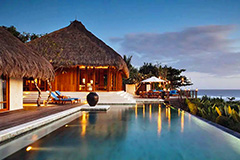
NIHI Sumba
Ultra-luxury villas, world-class service, and wide-open views. A once-in-a-lifetime stay for guests who want the very best.

Lelewatu Resort Sumba
Cliffside villas with private pools and dramatic ocean views — perfect for honeymoons and relaxing escapes.
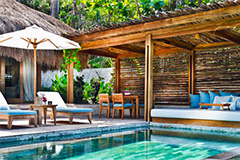
Cap Karoso
Modern eco-luxury on a quiet beachfront. Stylish design, great food, and wellness experiences in a peaceful setting.
Boutique Hotels
For comfort, privacy, and postcard views.

Maringi Eco Resort
A cozy bamboo-style eco-resort with warm service and a calm atmosphere. Great for slow travel and couples.

Rua Beach Resort
Laid-back beachfront stay with rustic charm and sunset views. Offering boutique comfort without the big price.

Padadita Beach Hotel
Modern, clean, and right by the water — a great East Sumba base for short trips or easy-going holidays.
Local Homestays & Lodges
For comfort, privacy, and postcard views.
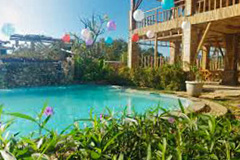
D’Sumba Resort
Friendly hosts and comfortable rooms make this a welcoming, reliable homestay for first-time visitors.

Rumah Budaya Sumba
A cultural stay with traditional-style houses and hands-on local experiences — great for travelers who want authenticity.

Oro Beach Houses
Remote, peaceful, and steps from an untouched beach. Perfect for off-the-grid travelers and photographers.
Stories from Our Sumba Island Explorers

Island Journal: Sumba Travel, Culture & Stories
Frequently Asked Questions
1. Where exactly is Sumba located?
Sumba sits in Indonesia’s Nusa Tenggara Timur (East Nusa Tenggara), about 50 minutes east of Bali by flight. It’s part of a 1,100-island province that also includes Flores, Timor, and Alor — but Sumba is the one known for wide savannahs, untouched beaches, iconic hills, and deep-rooted tribal traditions. Being untouched, information about Sumba in the cyberspace is also rather scarce, and therefore we believe that our Sumba Travel Guide will be helpful.
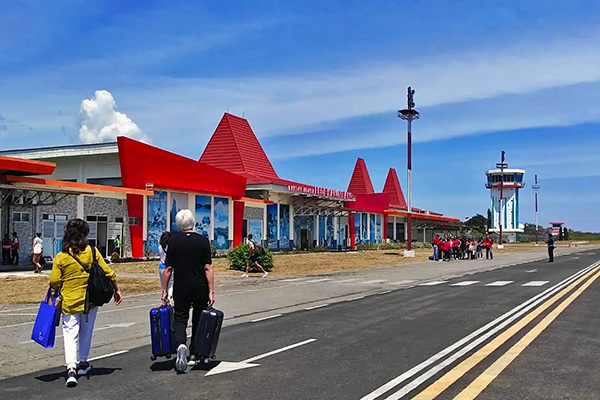
Most visitors arrive through Tambolaka Airport (TMC) in the west or Waingapu Airport (WGP) in the east.
2. How do I get to Sumba from Bali or Jakarta?
The easiest way is by direct flight:
- From Bali (DPS) → Tambolaka (TMC) or Waingapu (WGP).
- From Jakarta (CGK) → Waingapu (WGP).
Flights usually take:
- 50–70 minutes from Bali.
- 2.5–3 hours from Jakarta.
There are no ferries that directly connect Bali to Sumba unless you join a multi-day expedition cruise. If you are traveling to Sumba from Australian cities, you have to stop in Bali’s Ngurah Rai (DPS) International Airport. Whilst you can try to arrange your flight so you can embark to a domestic flight to Sumba as soon as you land in Bali, the higher chance is that you will have to stay overnight in Bali.
3. How many days do you need in Sumba?
Most travelers stay 3–5 days, while others prefer a week to slow down and explore deeper.
A simple rule:
- 3 days → west or east Sumba only.
- 4–5 days → both sides of the island.
- 7+ days → cultural immersion, slow exploration, and hidden spots.
Because Sumba is large and the roads are long, rushing is not ideal. Whilst you can try to arrange your own plan with the help of a Sumba travel guide that you can easily find online, it is highly advisable to talk to a tour expert at a reputable travel agency.
4. What is the best time to visit Sumba?
Sumba has two main “faces”:
- Dry season (May–October): golden hills, clear skies, easiest logistics.
- Green season (November–April): lush landscapes, dramatic skies, light rain.
The island is beautiful year-round, but if you want the “classic Sumba look,” the dry season is the most popular.
5. Why do people say Sumba is “the next Bali”?
Because Sumba today feels like Bali 30–40 years ago — raw, spacious, quiet, and deeply cultural.
There’s growing interest from:
- Travelers wanting something less commercial.
- Real estate investors.
- Photographers and adventure seekers.
But Sumba is not trying to be Bali — it’s a place that stands proudly on its own.
6. What are the must-see attractions in Sumba?
Some of the most iconic highlights include:
West Sumba
- Weekuri Lagoon – turquoise natural saltwater lagoon.
- Mandorak Beach – dramatic cliffs and crystal water.
- Ratenggaro Village – tall megalithic houses.
- Praijing Village – cultural immersion.
- Bwanna Beach – cliff arches and long beaches.
East Sumba
- Wairinding Hill – sunrise & savannah vibes.
- Puru Kambera Savannah – wild horses & vast landscapes.
- Walakiri Beach – sunset mangrove silhouettes.
- Tanggedu Waterfall – oasis hidden in the hills.
Our Sumba tours combine the best of both sides depending on your travel style. Dive deeper into our Sumba travel guide for further information about attractions in Sumba.
7. Is Sumba safe for travelers?
Yes — Sumba is known to be friendly, peaceful, and culturally warm. Most visits are effortless and safe as long as you travel with reputable operators, stay hydrated, and avoid driving long distances at night (roads are unlit).
8. Is Sumba suitable for families?
Definitely. Many families appreciate that Sumba is:
- Quiet and uncrowded.
- Packed with natural attractions.
- Easy to explore with a private driver.
- Home to calm beaches ideal for kids.
If you prefer a stress-free family trip, staying 2 nights in west Sumba is a great start. Check out our Sumba travel guide or talk to one of our tour advisors so you can be sure that your Sumba itinerary fits your family perfectly.
9. Do I need a private driver to explore Sumba?
Yes — almost every traveler hires a private driver or joins a guided tour. Public transport is very limited, attractions are spread far apart, and mobile signal can be inconsistent in rural areas. It is even better to hire your transport from a reputable travel agency.
A driver ensures you:
- Save time.
- Stay safe.
- Get local insights.
- Avoid wrong turns on remote roads.
10. How big is Sumba?
Sumba is much larger than most people expect. It is 11,153 square kilometers, about twice the size of Bali (5,590 square kilometers), but far more rural (as of 2024, Sumba is inhabited by 843,047 people whilst Bali has 4.46 million). Because of this, a west-to-east journey takes 4–5 hours, making multi-day itineraries ideal.
11. What kind of accommodations are available?
You’ll find everything from simple guesthouses to world-class luxury eco-resorts. Popular categories include:
- Eco-lodges with savannah views.
- Beachfront stays in West Sumba.
- Cultural-style villas near villages.
- Premium private villas & boutique resorts.
Rooms in popular areas fill up quickly, especially in dry season.
12. What should I pack for a Sumba trip?
Sumba is sunny, warm, and often windy, so pack for comfort:
- Light clothing.
- Good walking shoes.
- Swimwear.
- Reef-safe sunscreen.
- Hat or cap.
- Small towel.
- Motion sickness meds (roads can be winding).
- Power bank (signal & electricity can fluctuate).
13. Are drones allowed in Sumba?
Generally yes — Sumba is drone-friendly in most open landscapes. Just avoid:
- Flying over villages without permission.
- Disturbing wildlife.
- Restricted areas (rare).
When in doubt, your guide can help you ask local leaders.
14. How expensive is Sumba compared to Bali?
Surprisingly, Sumba can be:
- Cheaper for food.
- Slightly higher for transportation (long distances).
- Similar for mid-range hotels.
- More expensive for premium resorts.
But the overall value per experience is extremely high.
15. Can you visit both west and east Sumba in one trip?
Absolutely. Many travelers:
- Arrive at Tambolaka (TMC) in the west.
- Explore across the island.
- Depart from Waingapu (WGP) in the east.
This creates a smooth, efficient loop without backtracking.
16. Is Sumba good for solo travelers or couples?
Yes — Sumba is a fantastic destination for:
- Solo travelers wanting quiet, healing nature.
- Couples wanting space, sunsets, and iconic hills.
- Photographers looking for untouched landscapes.
If you enjoy peaceful, slow travel, you’ll love the island.
17. Are Sumba tours suitable for older travelers?
Yes. Most attractions have short, manageable walks. Check our Sumba travel guide to be sure. For older travelers, we adjust itineraries by:
- Minimizing steep climbs.
- Reducing long road segments.
- Adding more scenic stops.
- Choosing hotels with better facilities.
Just tell us your comfort preferences and we’ll customize it.
18. Can I swim everywhere in Sumba?
Swimming is possible in many beaches and lagoons, but some beaches are wavy or isolated. Safe swimming spots include:
- Weekuri Lagoon (very safe, calm water).
- Mandorak Beach (depending on tide).
- Some sheltered bays in west Sumba.
Always ask your guide for safe zones before entering the water.
19. Can I combine Sumba with Komodo / Labuan Bajo?
Yes — and it’s a popular combo.
Most travelers do Bali → Sumba → Bali → Labuan Bajo or Labuan Bajo → Bali → Sumba. Direct Sumba↔Flores flights existed in the past, but currently flights usually route via Bali.
We can plan both seamlessly if you want a combined itinerary.
20. How do I book a Sumba tour or custom trip?
You can book directly through our Sumba section, or chat with our team to build a custom plan based on your travel dates, budget, and interests.
We arrange everything from:
- Airport transfers.
- Hotels.
- Private drivers.
- Guided tours.
- Full multi-day itineraries.
Simply tell us how you imagine your trip — we’ll make it happen.
Indonesia Destinations Beyond Bali

Lombok

Labuan Bajo

Sumba

Bunaken
Have a question about Sumba travel guide and tour packages from Bali? Contact us.
- +62816693372