There is a moment in East Sumba when the road straightens, the trees thin out, and the land begins to breathe. The villages fall behind you. The air changes. The horizon widens. And suddenly, Sumba is no longer something you are visiting — it is something you are entering.
This is where Sumba opens up.
East Sumba does not announce itself with a checklist of attractions or dramatic first impressions. It doesn’t compete for attention. Instead, it offers space — physical, emotional, and mental — and trusts that you will know what to do with it. The hills roll instead of rise. The wind moves freely across open savannas. Horses wander without fences. Mornings arrive quietly, often in layers of soft gold and mist, long before anyone feels the need to speak.
For travellers used to destinations that perform on arrival, East Sumba can feel disarming. There is less to do here in the conventional sense — and that is precisely the point.
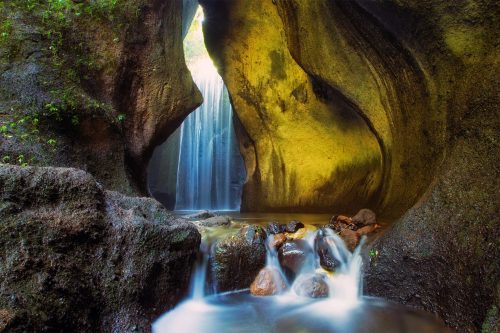
Most people are first introduced to Sumba through its western half: compact traditional villages, tightly woven rituals, dramatic waterfalls hidden behind short hikes, and cultural encounters that feel dense and immediate. West Sumba is rich, intense, and layered — a place where stories overlap and days fill quickly. It is often the entry point, and for good reason.
East Sumba is something else entirely.
💡Related reads:
Where Sumba Opens Up
Here, distance matters more than density. Roads stretch longer between encounters. Villages appear like punctuation marks rather than paragraphs. The land, not human activity, sets the rhythm. Instead of moving from site to site, you move through space — across hills, along ridgelines, past grazing horses and quiet fields that seem to exist outside of urgency.
This contrast is why East Sumba is often misunderstood — and why it becomes unforgettable for those who reach it.
East Sumba tours are not about collecting highlights. They are about allowing the landscape to reset your internal pace. Sunrise is not something you schedule between activities; it becomes the reason you wake early. Silence is not an absence; it is a presence you notice once the noise falls away. Even movement feels different here — slower, more deliberate, shaped by light, wind, and distance rather than clocks.
This is also why East Sumba rarely works as a rushed add-on. It is not designed for quick detours or half-days squeezed between flights. East Sumba rewards travellers who understand that openness itself is the experience. That the emotional payoff comes not from spectacle, but from staying long enough to let the land speak in its own language.
For photographers, this openness offers rare freedom — clean horizons, unbroken light, scenes that don’t require framing because the land already does the work. For slow travellers, it provides something increasingly scarce: days that are not full, yet feel complete. For those who have already tasted the richness of West Sumba, East Sumba becomes the counterbalance — the exhale after intensity, the quiet after ceremony.
East Sumba isn’t about what you see — it’s about how much space the island gives you to feel it.
This is why East Sumba holds a unique place within any thoughtful Sumba travel guide. It is not better than the west, nor is it meant to replace it. Instead, it completes the story. Where West Sumba introduces you to Sumba’s soul through people and tradition, East Sumba introduces you to it through land and light.
In the sections ahead, we’ll explore how East Sumba tours are designed, who they are truly for, and how this wide-open half of the island fits into a deeper, more balanced Sumba journey. Whether you arrive here first or cross into it after days in the west, East Sumba has a way of recalibrating expectations — not by offering more, but by asking less.
If you’re still orienting yourself within the island, start with the broader → Sumba Travel Guide to understand how East Sumba fits into the whole. And when you’re ready to imagine nights beneath big skies and mornings shaped by light, our guide on → Where to Stay in Sumba will help you choose bases that respect the rhythm of this side of the island.
East Sumba doesn’t rush to meet you.
It waits — and opens, slowly, once you arrive.
Why East Sumba Is a Different Kind of Journey
If West Sumba introduces you to the island through people and places, East Sumba introduces you through space.
This is the first and most important distinction to understand when planning an East Sumba itinerary. The experience here is not built around dense clusters of attractions, short hops, or high-frequency highlights. It is shaped by land that stretches wider than expectation, by light that changes slowly across open hills, and by silence that lingers long enough for you to notice it.
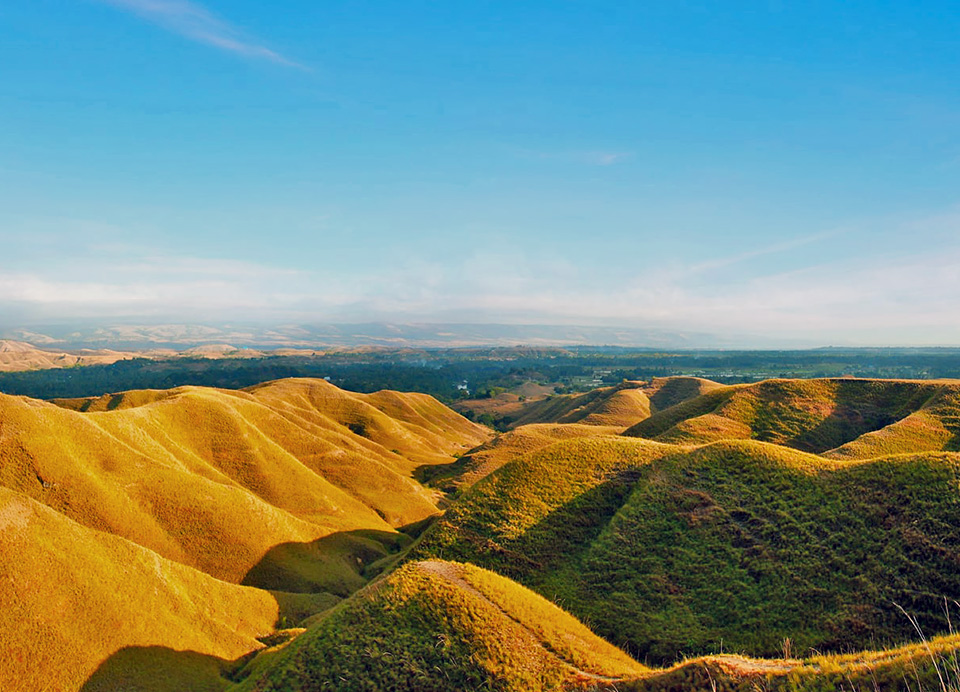
East Sumba is a savanna landscape, not a jungle one. The terrain opens rather than encloses. Instead of waterfalls hidden behind thick foliage, you encounter rolling grasslands, long ridgelines, river valleys, and coastal plains where the horizon feels uninterrupted. Trees appear as accents, not walls. Villages emerge occasionally, not constantly — and when they do, they feel grounded in the land rather than set apart from it.
This shift in landscape creates a fundamentally different travel logic.
In East Sumba, distance matters more than numbers. You may only visit a handful of locations in a day, but each journey between them becomes part of the experience. Roads stretch across hills and savannas, offering ever-changing light and perspective. Sunrise and sunset are not accessories to your plan; they quietly shape it. The quality of a day here is often determined less by what you stop for, and more by when you move — and when you don’t.
This is why many first-time visitors struggle when they approach East Sumba with the same mindset they use elsewhere.
Rushed itineraries fail here because they treat space as something to overcome, rather than something to inhabit. Trying to “fit in” too many stops compresses what East Sumba naturally expands. Days begin to feel like transit rather than travel. Light is missed. Silence becomes background noise instead of the main event. The land starts to feel empty — not because it is lacking, but because you haven’t given it time to speak.
East Sumba rewards patience in quiet but profound ways.
When you allow distances to breathe, the island reveals layers that don’t appear on maps. Horses moving through morning mist. The way the wind shifts sound across open fields. The subtle color changes in savanna grass as the sun climbs higher. Conversations that happen slowly, without urgency, because there is nowhere else pressing to be.
This is also why things to do in East Sumba are rarely about “doing” in the conventional sense. There are no queues to beat, no peak-hour attractions to plan around. Instead, the experience unfolds through presence: walking through open land, waiting for light, watching daily life continue at a pace shaped by seasons rather than schedules.
For travellers willing to adjust their expectations, this becomes East Sumba’s greatest strength.
Photographers find compositions that don’t compete for attention. Slow travellers rediscover days that feel full without being busy. Even culturally curious visitors begin to understand Sumba not just through ceremonies and structures, but through how people coexist with vastness and time.
An East Sumba itinerary is therefore not about efficiency. It is about alignment — aligning your pace with the land, your movement with the light, and your expectations with what this side of the island actually offers.
💡 Insider’s Insight — Why East Sumba Feels Empty and Why That’s the Point
Many travellers describe East Sumba as “empty” — usually right before it becomes their favorite part of the island.
- Fewer villages, wider land — settlements are spaced far apart, giving the landscape room to dominate.
Life shaped by seasons, not schedules — farming cycles, ceremonies, and movement follow nature’s timing.
Space as a feature, not a flaw — openness is what allows light, silence, and perspective to exist here.
Understanding this reframes your entire East Sumba itinerary and turns perceived absence into intentional design.
East Sumba is not trying to impress you quickly. It assumes that if you have come this far, you are willing to slow down — and in return, it offers something increasingly rare in modern travel: the feeling that you are not rushing toward an experience, but settling into one.
Once this shift clicks, East Sumba stops feeling like a quieter extension of Sumba — and starts feeling like its emotional counterweight.
Iconic East Sumba Landscapes: Hills, Savannas & Sky
East Sumba announces itself not with monuments, but with horizons.
This is a region where the land stretches outward instead of upward, where elevation comes in waves rather than peaks, and where the sky is not a backdrop but a dominant presence. Many of the most memorable East Sumba attractions are not single points on a map — they are conditions: light, wind, openness, and scale. Understanding this is key to appreciating why things to do in East Sumba often revolve around when and how you arrive, not just where.
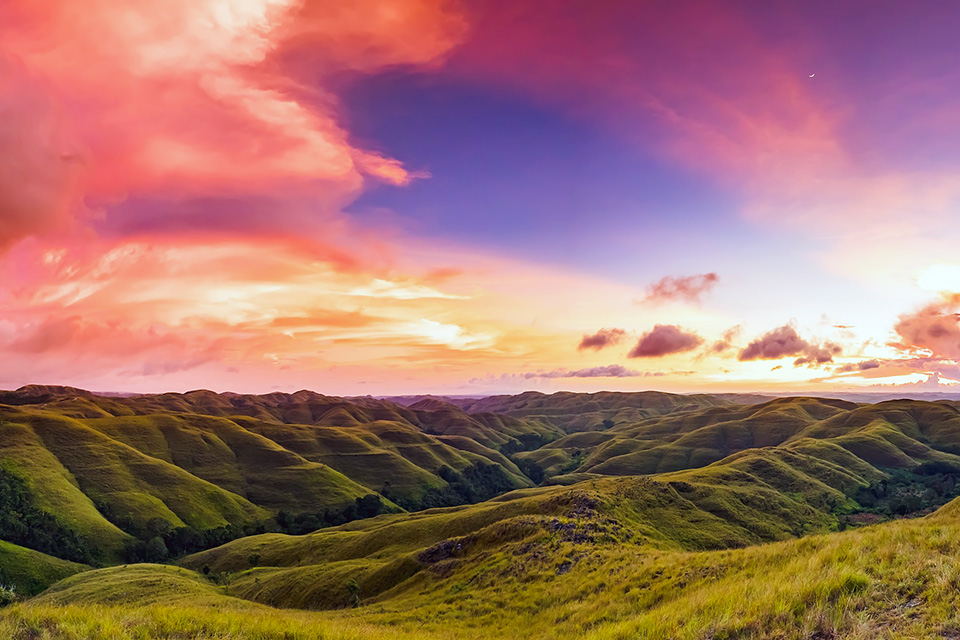
Wairinding Hills — Sunrise as Structure, Not a Bonus
Wairinding Hills is often described as a sunrise spot, but that description undersells its role in an East Sumba itinerary.
This landscape of rolling grass-covered hills only truly reveals itself in the early morning hours, when mist clings to the valleys and the first light creates long shadows that define every curve. By mid-morning, the contrast softens. By noon, the magic has largely passed. This is why Wairinding isn’t something you “add on” — it organises your entire day.
To experience it properly, you don’t just visit Wairinding at sunrise; you stay nearby. You wake before dawn. You arrive in the dark. And you let the land slowly come into focus. The reward is not just a view, but a rhythm-setting moment that influences everything that follows — slower movement, fewer stops, more attention.
For photographers, Wairinding is foundational. For non-photographers, it still becomes one of the most emotionally resonant moments in East Sumba, precisely because nothing is staged or accelerated.

Puru Kambera Savanna — When the Land Becomes the Subject
If Wairinding teaches you about light, Puru Kambera Savanna teaches you about scale.
This protected grassland stretches across vast plains where the eye travels freely and the sense of distance recalibrates. Here, the land is not broken up by constant visual interruptions. Instead, it offers repetition and variation — tall grasses bending in the wind, scattered trees, distant hills that seem closer than they are.
Puru Kambera is one of the most defining things to do in East Sumba, not because there is an activity to complete, but because it invites stillness. Walking here feels different. Driving here feels different. Even conversation changes pace.
Depending on the season, the savanna shifts dramatically — from lush green in the wet months to golden and ochre in the dry season. Both versions are equally compelling, but they communicate different moods. This is why timing, explored further in the Best Time to Visit Sumba guide, matters deeply in East Sumba.
Horse Culture & the Open Plains — Movement as Heritage
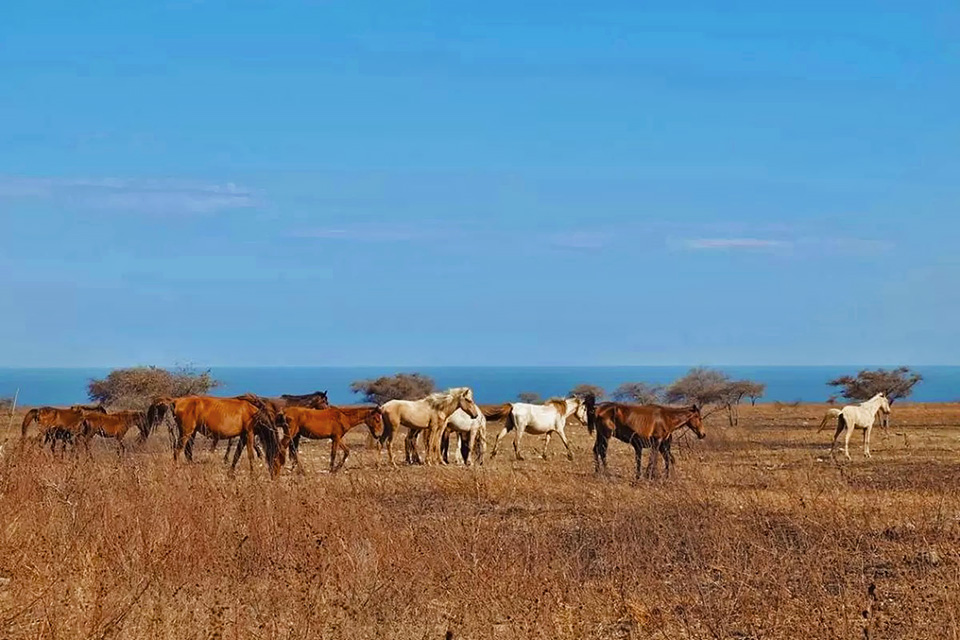
Horses are not ornamental in East Sumba. They are practical, cultural, and deeply embedded in daily life.
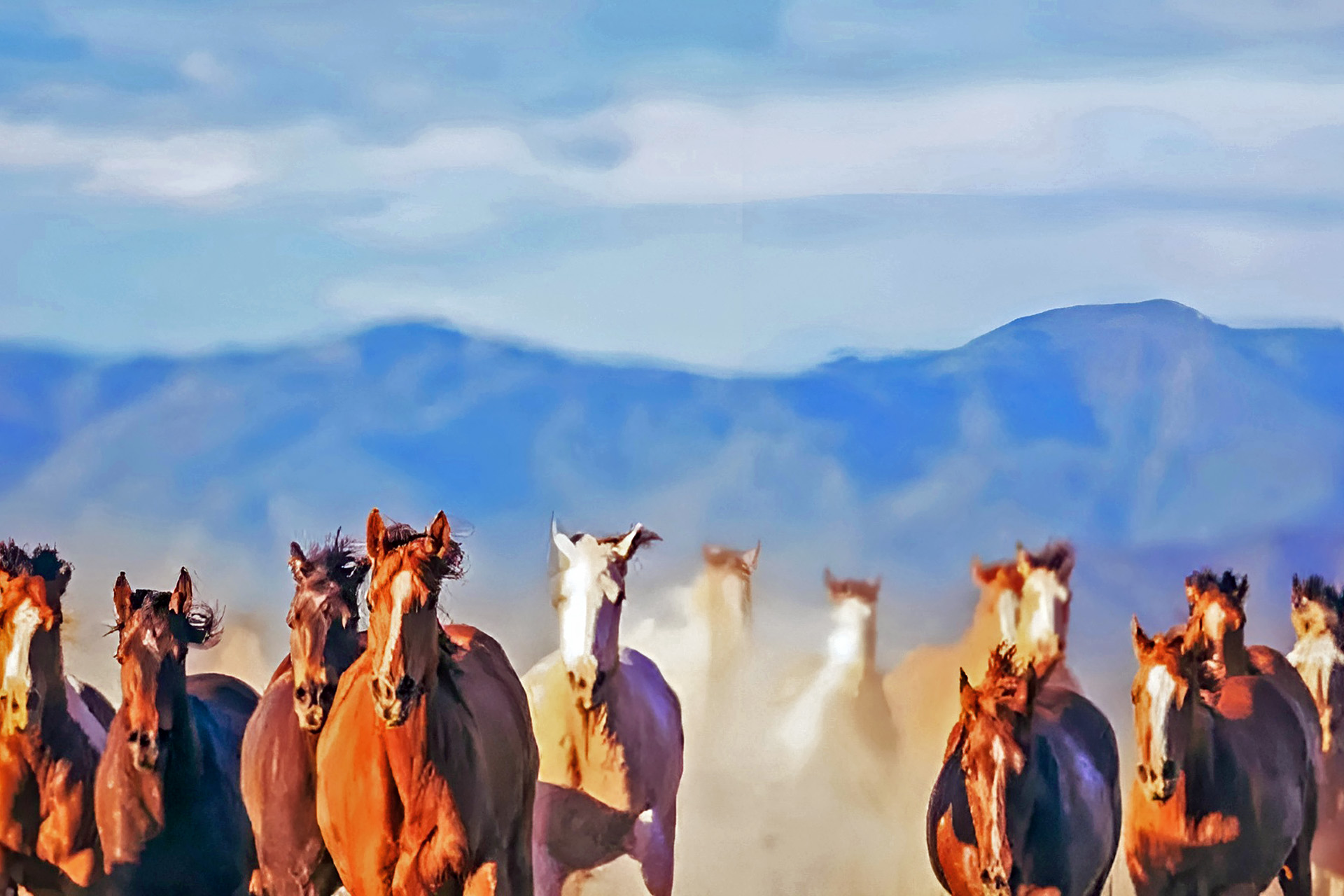
Across open plains and village outskirts, horses move freely — sometimes herded, sometimes simply present. They are part of the visual language of East Sumba, especially against the savanna backdrop where motion becomes visible from far away.
This horse culture is one of the subtler East Sumba attractions, because it doesn’t announce itself as an experience. You don’t book it. You encounter it. And when you do, it reinforces a larger truth: East Sumba is not curated for visitors. Visitors are guests within an ongoing rhythm.
For travellers, especially photographers following a Photography Itinerary Sumba, horses provide a human-scale counterpoint to the vastness of the land — movement against stillness, life against openness.
Why East Sumba Photographs Differently
East Sumba does not reward rapid shooting.
The absence of dense landmarks means compositions rely on patience and awareness. Light replaces architecture as the primary framing tool. Negative space becomes intentional. Subjects are often small within the frame — a lone figure, a horse, a tree — emphasizing how the land dominates.
This is why East Sumba photographs feel different. They breathe. They allow emptiness. They suggest emotion rather than document spectacle.
Even for travellers without cameras, this visual quality registers subconsciously. Days feel longer. Moments linger. You remember not just what you saw, but how it felt to be there — exposed to wind, surrounded by space, aware of time passing.
In East Sumba, the land doesn’t frame the journey — the journey follows the land.
This is the quiet authority of East Sumba’s landscapes.
They do not compete for your attention.
They wait for it.
And once you learn to follow rather than rush through them, East Sumba stops being a collection of attractions — and becomes a place that subtly recalibrates how you experience travel itself.
Culture Beyond Villages: How East Sumba Lives
In East Sumba, culture doesn’t present itself as a stop on an itinerary.
It unfolds quietly, often without signage, ceremony schedules, or formal entry points. This is why Sumba cultural tours in the east feel fundamentally different from village-based experiences elsewhere on the island. Culture here is not concentrated — it is distributed across land, seasons, and daily decisions. To understand it, you don’t move faster. You pay closer attention.
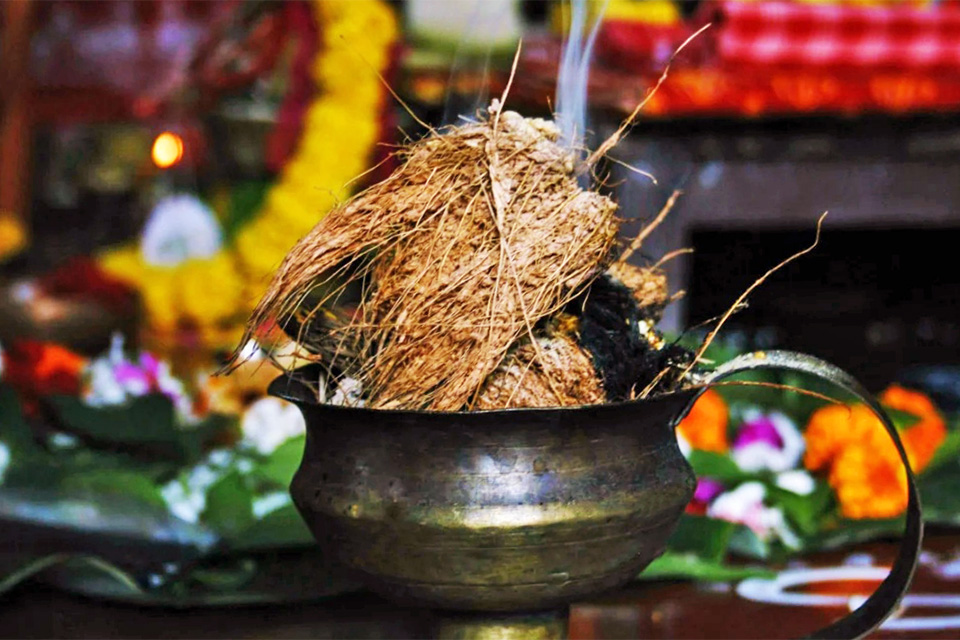
Marapu in East Sumba — Belief as Continuity, Not Performance
The spiritual backbone of East Sumba is Marapu, an ancestral belief system that governs relationships between the living, the dead, and the land. While Marapu exists across Sumba, in the east it feels less ceremonial and more embedded in everyday life.
You may not immediately notice it. It appears in the orientation of houses, in the placement of stones, in the way land is divided and used. Shrines are subtle. Sacred spaces are often unmarked. What matters is not visibility, but continuity.
For travellers following an East Sumba itinerary, this means encounters with belief often happen unexpectedly. A paused journey because a ritual is taking place. A detour because a space is considered sacred that day. A delay not explained with urgency, because urgency is not the governing value.
This can feel disorienting if you expect culture to be packaged. But if you allow for flexibility, Marapu reveals itself as a living framework — one that prioritises harmony over efficiency.
Ceremonies Without Schedules — Why Timing Is Fluid
Unlike regions where ceremonies are announced months in advance, East Sumba follows a different logic. Rituals are tied to agricultural cycles, family events, and ancestral calendars that do not align neatly with travel planning.
This is why Sumba cultural tours here cannot promise specific ceremonies. They can only create the conditions where encountering one is possible.
When ceremonies do occur, they are not staged for visitors. You might hear them before you see them — chanting carried by wind, distant drums, gatherings that slowly take shape.
Participation, if allowed, is observational. Presence matters more than documentation.
For travellers, this unpredictability is not a flaw. It is an invitation to release control. In East Sumba, culture doesn’t adapt to your timeline.
Your experience adapts to culture.
Weaving Traditions — Stories Worn, Not Displayed
In East Sumba, culture doesn’t present itself as a stop on an itinerary.
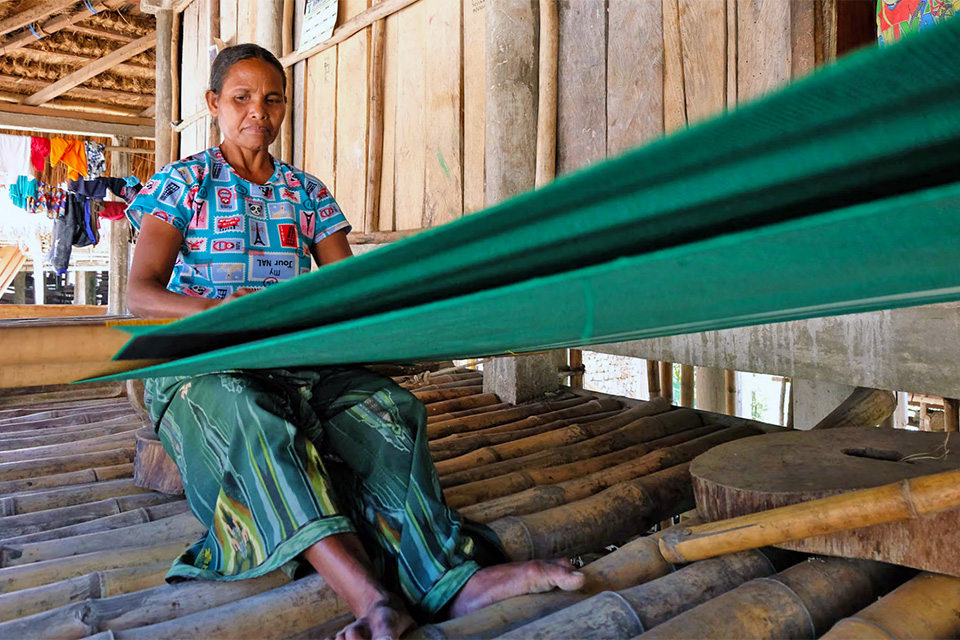
The ikat weaving traditions here encode lineage, status, and history into patterns that are worn daily or reserved for significant moments. Natural dyes drawn from roots, bark, and leaves give East Sumba textiles their deep, earthy tones — colours that mirror the landscape itself.
Weaving often happens in open spaces: under houses, in shaded yards, near roads. It is not a performance. It is work. And that distinction matters.
Observing weaving as part of an East Sumba itinerary means recognising when curiosity is welcome and when it becomes intrusive. A respectful guide can help bridge this gap — translating not just language, but context.
Culture as Movement, Not Destination
What defines culture in East Sumba is not density, but flow.
Life here moves with seasons. Livestock shifts across land. Families gather when needed, not when planned. This is why rigid itineraries fail to capture the depth of East Sumba. The most meaningful cultural encounters often happen between stops — during drives, pauses, conversations that arise naturally.
This also explains why East Sumba feels quieter. Not empty, but uninterrupted.
For travellers seeking depth rather than display, this is precisely the appeal. East Sumba does not perform itself for visitors. It continues, whether you are present or not.
💡 Insider’s Tips —Visiting Villages Without Disrupting Them
Ask before photographing.
Even when scenes feel public, permission matters. A simple gesture or your guide’s assistance goes a long way.
- Dress cues matter.
Covered shoulders and knees are not about rules — they signal respect and awareness.
- Know when to step back.
Not every moment is meant to be observed. If energy shifts, follow it. Presence without intrusion is the highest form of respect.
In East Sumba, culture does not ask to be consumed.
It asks to be witnessed, patiently and humbly. And when you allow that, your journey becomes something rarer than a tour — it becomes a moment of alignment with a way of life that has never needed to explain itself.
East Sumba Itineraries: How the Routes Actually Work
Planning an East Sumba itinerary is less about choosing attractions and more about understanding movement. Distances are long, landscapes are wide, and experiences reveal themselves gradually. This is why East Sumba tours work best when designed as routes — not lists.
In East Sumba, the road is the story. Sunrise happens before you arrive anywhere. Horses cross highways without warning. Light changes the same hill three times in a morning. If you plan this region like a checklist, you’ll spend more time chasing pins on a map than absorbing what makes the place powerful.
Below is how East Sumba itineraries actually work in practice — based on time, energy, and flow.
2–3 Days: Sunrise & Savanna Sampler
This is the shortest introduction to East Sumba — and it should be approached with humility.
A 2–3 day East Sumba itinerary usually begins with arrival in Waingapu and focuses on a tight radius rather than distance. The emphasis is on timing, not coverage.
Most routes prioritise:
- Wairinding Hills at sunrise, when shadows define the land.
- Puru Kambera savanna, ideally in late afternoon light.
- Short village encounters or weaving stops en route, not as standalone destinations.
What matters here is accepting limitation. You will not “see” East Sumba in two days. What you get instead is a sensory introduction — wind, scale, and silence — that often convinces travellers to return.
This format works best for:
- Extensions from Bali or West Sumba.
- Photographers with limited time.
- Travellers testing whether East Sumba belongs in a longer journey.
Anything faster risks turning East Sumba into a blur.
4–5 Days: East → Central Flow
This is where East Sumba begins to breathe.
With 4–5 days, an East Sumba itinerary can move beyond sampling and into rhythm. Routes often start in Waingapu, arc through savannas and inland hills, then gradually drift toward Central Sumba.
The logic here is progression:
- Early mornings in the east for light and landscape.
- Midday drives that become part of the experience.
- Slower afternoons as terrain softens and villages appear more frequently.
This is the sweet spot for travellers who want:
- Landscape without exhaustion.
- Cultural encounters without pressure.
- Enough buffer for weather, ceremonies, or detours.
It’s also where guided East Sumba tours show their value most clearly — flexibly adjusting pace daily, not forcing outcomes.
If you’re choosing between regions, this route pairs naturally with broader plans like the → 5 Days in Sumba Itinerary, where East Sumba becomes one chapter in a balanced journey.
6–7 Days: East to West Crossing
A full east-to-west crossing is not an upgrade — it’s a transformation.
With 6–7 days, East Sumba stops being a destination and becomes a threshold. You don’t just visit it; you pass through it, slowly enough to feel contrast emerge.
These routes typically:
- Begin with open savannas and minimal human presence.
- Transition through Central Sumba’s softer hills and ritual spaces.
- End in West Sumba’s dense villages and waterfalls.
What makes this powerful is contrast. By the time you reach the west, your perception has changed. You notice density differently. You feel time compress.
This format is ideal for:
- Story-driven travellers.
- Serious photographers.
- Anyone seeking narrative cohesion.
Many of these crossings overlap with longer visual journeys like the → 6–7 Day Photography Route, where light, land, and culture align over distance.
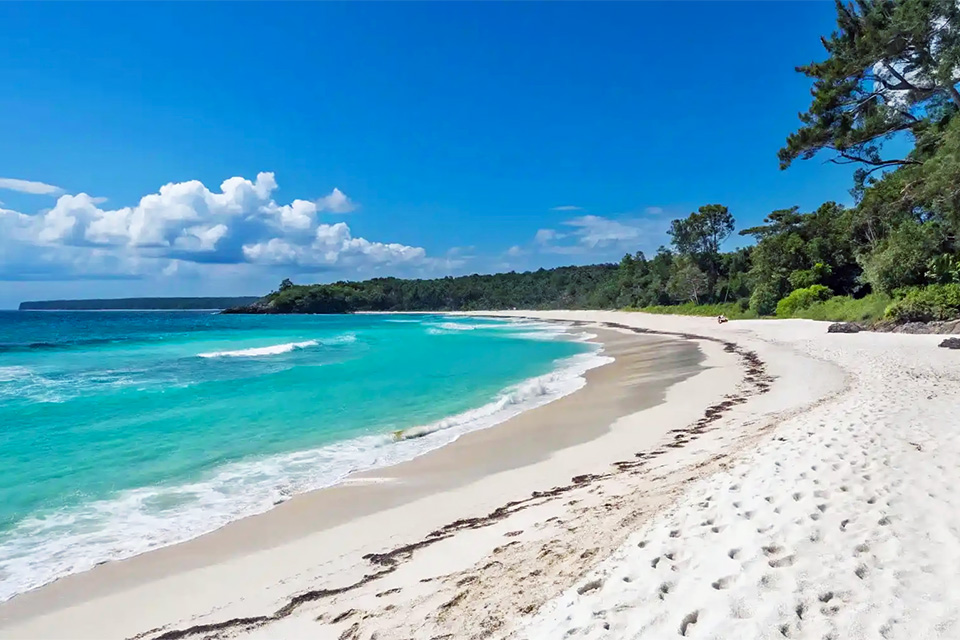
Why Routes Matter More Than Attraction Lists
In East Sumba, attractions don’t stand alone. Hills are meaningful because of when you see them. Villages matter because of how you arrive. Even silence is contextual — earned through distance.
This is why rigid attraction lists fail here. They ignore:
- Driving time as experience.
Light as a planning variable.
- Energy as a finite resource.
The best East Sumba itinerary designs movement first, moments second. It assumes detours. It protects mornings. It leaves space for what can’t be scheduled.
East Sumba isn’t something you tick off — it’s something you cross slowly.
If that sentence feels true to you, then you’re already planning the right way.
Who East Sumba Tours Are Best For - and Who They’re Not
Not every journey suits every traveller — and East Sumba tours are a perfect example of that honesty in action. This part of the island doesn’t bend easily to tight schedules, instant gratification, or “must-see-in-a-day” thinking. What it offers instead is space, rhythm, and subtlety. For the right traveller, that’s exactly the point. For the wrong one, it can feel frustratingly quiet.
Understanding where you fall before you go is not about limiting yourself — it’s about setting yourself up to actually enjoy East Sumba.
Photographers: East Sumba Is Built for You
If photography is part of why you travel, East Sumba doesn’t just accommodate that — it rewards it.
This landscape is defined by light first, subjects second. Wairinding’s hills change character minute by minute. Savannas feel cinematic only at certain hours. Horses appear when they want to, not when you schedule them.
This is why photographers thrive on Sumba private tours in the east:
- Sunrise departures are non-negotiable.
- Locations are revisited, not rushed.
- Drivers understand light, not just roads.
East Sumba teaches patience — and in return, it offers images that feel unforced and deeply grounded in place.
Slow Travellers: Measuring Days by Feeling, Not Sights
East Sumba isn’t about accumulation. It’s about absorption.
Slow travellers — the kind who don’t mind long silences, who enjoy watching weather move across land — often find East Sumba unexpectedly emotional. The absence of constant stimulation allows space for noticing small things: the sound of wind through grass, the pause before a greeting, the way villages wake up without urgency.
East Sumba tours designed with flexible pacing allow:
- Long lunches without agenda.
- Unplanned stops that become highlights.
- Days that feel complete without being full.
If your idea of travel success is returning with fewer photos but stronger memories, East Sumba fits you well.
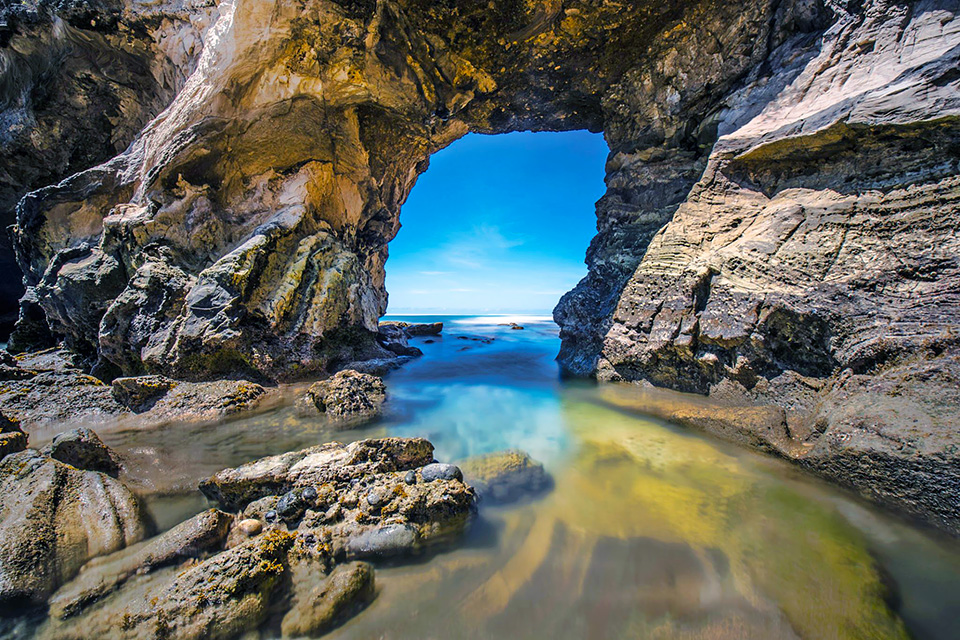
Repeat Indonesia Visitors: When Familiarity Opens New Doors
Travellers who’ve already experienced Bali, Java, or even West Sumba often arrive with the right instincts.
You already understand:
- Infrastructure varies by island.
- Schedules are suggestions, not rules.
- Culture isn’t staged on demand.
To them, East Sumba feels less intimidating and more revealing. Repeat visitors often describe it as “Indonesia without the noise” — a place where patterns they’ve seen elsewhere slow down enough to be understood.
For this profile, Sumba private tours become less about explanation and more about access — being in the right place at the right moment without having to force it.
Who May Struggle: Short Stays & Checklist Travellers
East Sumba is not unkind — but it is unapologetic.
Travellers who may struggle here include:
- Those with 1–2 day windows expecting full coverage.
- Checklist-driven travellers chasing highlights per hour.
- Visitors uncomfortable with long drives or quiet afternoons.
If your satisfaction comes from ticking off locations quickly, East Sumba can feel sparse. Distances are long. Villages don’t perform on cue. Some of the most meaningful moments happen when “nothing” is scheduled.
This doesn’t mean East Sumba is inaccessible — it simply asks for a mindset adjustment. Without it, even the best-planned east Sumba tours can feel underwhelming.
💡 Insider’s Picks —The Best East Sumba Tour Style for First-Time Visitors
For travellers new to the region, the most rewarding way to experience East Sumba is not by simplifying it — but by supporting it properly. What works best?
Private driver-guide who understands terrain, light, and local rhythms.
- Sunrise-focused routing that protects mornings and softens afternoons.
- Flexible pacing that allows detours, weather shifts, and cultural moments.
This approach isn’t about luxury — it’s about alignment. It’s why many first-time visitors choose to book Sumba tours privately rather than attempting to compress East Sumba into a rigid framework.
East Sumba doesn’t try to impress everyone. And that’s precisely why, for the right traveller, it leaves such a lasting mark.
Getting There & Getting Around East Sumba
If East Sumba feels expansive once you arrive, it’s because the journey quietly prepares you for it. Distance, roads, and timing aren’t obstacles here — they are part of the experience. But they do require clarity. Most friction around an East Sumba itinerary doesn’t come from complexity; it comes from underestimating scale.
This section exists to remove that friction.
Waingapu Airport: The Gateway to East Sumba
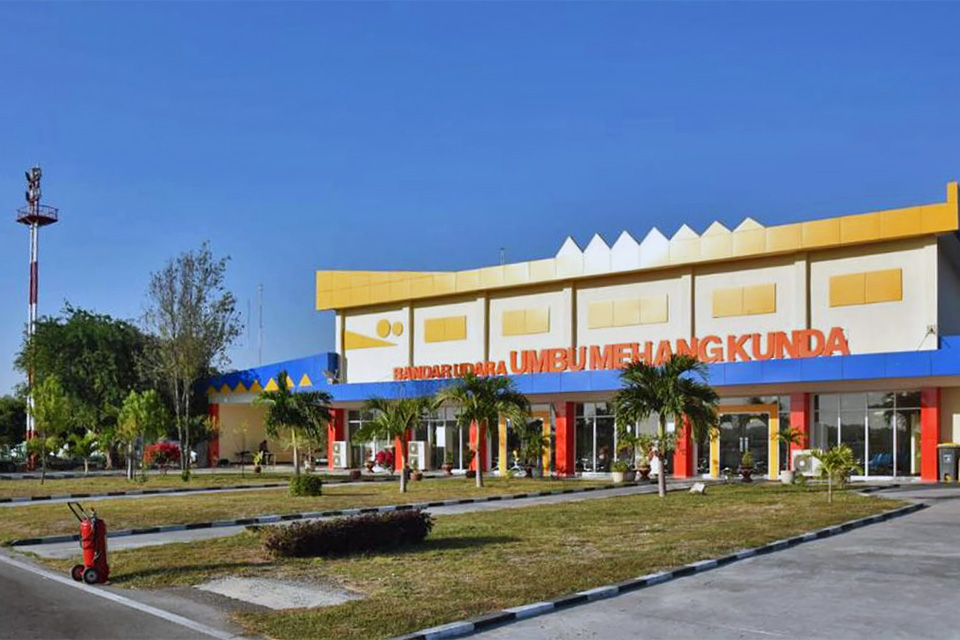
For East Sumba, Waingapu Airport (WGP) is not just the closest airport — it’s the logical starting point.
Unlike Tambolaka in the west, Waingapu places you inside East Sumba’s geography. From the moment you land, the landscape changes faster: savannas appear sooner, villages spread wider, and travel immediately feels less compressed.
Flying into Waingapu makes sense if:
- Your itinerary prioritises Wairinding Hills, savannas, and sunrise photography.
You want to minimise backtracking.
You plan to spend at least 2–3 days in East Sumba before moving west.
From the airport, you’re not “transferring” so much as entering the journey. There’s no tourist corridor here — just roads leading outward.
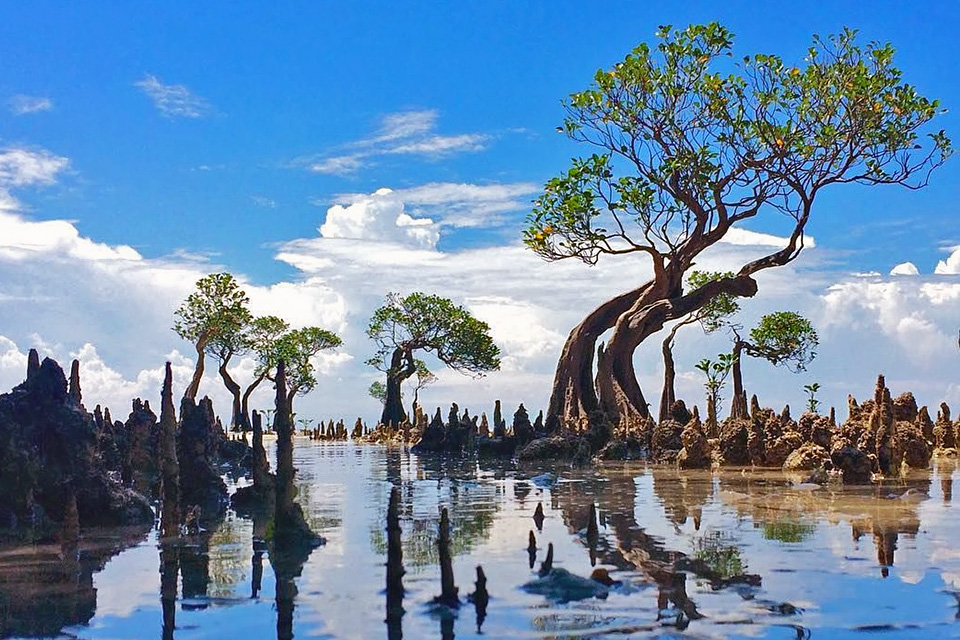
Transfer Distances: Why Time Matters More Than Kilometres
One of the most common misconceptions in Sumba planning is assuming distance equals speed. In East Sumba, it doesn’t. Typical transfer realities:
Waingapu → Wairinding Hills: ~45–60 minutes.
East Sumba → Central / West Sumba: 5–7+ hours depending on route and stops.
Waingapu → Puru Kambera Savanna: ~1.5–2 hours.
These are not delays — they are normal. Roads pass through open land, livestock crossings, and villages where life doesn’t pause for traffic.
This is why most East Sumba itineraries are structured with:
Plan to visit only one primary region per day.
- Rise early. Hit the road early to protect light and energy.
- Allocate enough time. Long but intentional driving windows.
Trying to “squeeze in one more stop” often results in missing the moment that actually mattered.
Road Realities: Manageable, But Not Predictable
East Sumba’s roads are a mix of paved stretches, patched asphalt, and rougher sections that change with the seasons.
What to expect:
- Limited signage once you leave town.
- Generally passable year-round, but slower after heavy rains.
- Occasional roadworks or livestock blockages.
Driving here isn’t dangerous — but it is mentally demanding, especially for visitors unfamiliar with rural Indonesian conditions. Navigation apps help, but they don’t account for ceremony traffic, local detours, or sudden weather shifts.
This is why many travellers realise too late that East Sumba is less about driving skill and more about context awareness.
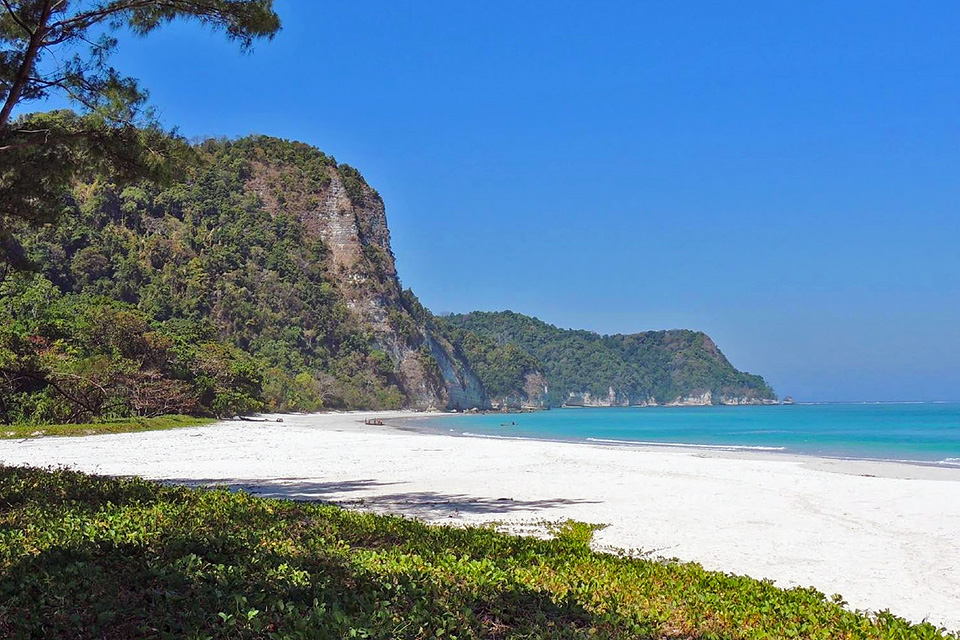
Why East Sumba Itineraries Assume Private Transport
Nearly every well-designed East Sumba itinerary assumes private transport — and this isn’t about comfort alone.
Public transport exists, but it’s:
- Infrequent.
- Schedule-flexible to the point of unpredictability.
- Unsuitable for sunrise locations or multi-stop days.
A private driver-guide solves multiple challenges at once:
- Knows which roads hold up after rain.
- Adjusts routes around ceremonies or closures.
- Understands light, timing, and when to wait.
More importantly, it frees you from constant calculation. East Sumba rewards presence — and presence is hard to maintain when you’re navigating logistics minute by minute.
This is why most travellers exploring East Sumba choose a Sumba private tour model, even if they travel independently elsewhere in Indonesia.
Getting Around East Sumba Is Part of Understanding It
Movement here isn’t transactional. Drives are long enough to notice weather shifting, land opening, villages thinning out. The road becomes a narrative thread, not a gap between attractions.
Once you understand that, the logistics stop feeling like barriers — and start feeling like alignment.
For a deeper breakdown of flight routes, airports, and island-wide transfers, see → How to Get to Sumba. If you prefer to let the roads work for you rather than against you, explore → Sumba Private Tour options built specifically around East Sumba’s pace.
East Sumba doesn’t rush you — but it does ask you to travel on its terms.
Best Time to Visit East Sumba: Light, Land & Life
If West Sumba changes with festivals and foot traffic, East Sumba changes with light. Seasons here don’t just affect comfort — they rewrite the landscape itself. Understanding the best time to visit East Sumba isn’t about finding the cheapest flights or avoiding crowds. It’s about deciding which version of the island you want to experience.
This is where the Sumba travel guide mindset matters most.
Dry Season: Golden Savannas & Predictable Days (May–October)
The dry season is when most travellers instinctively aim — and for good reason.
From May through October, East Sumba’s hills turn gold, the savannas open fully, and visibility stretches for kilometres. Wairinding’s contours sharpen at sunrise, horses stand out against pale grass, and skies tend to cooperate.
Why photographers love this period:
- Clean sunrise windows.
- Strong shadows and texture in the land.
- Easier road conditions for long crossings.
Why comfort-focused travellers prefer it:
- Lower humidity.
- Fewer weather-related delays.
- More predictable driving times.
But there’s a trade-off. Dry season landscapes are restrained, almost minimalist. Waterfalls recede, rivers narrow, and the palette becomes muted — beautiful, but controlled.
East Sumba during the dry months feels calm, spacious, and composed.
Wet Season: Green Drama & Emotional Scale (November–April)
The wet season tells a very different story.
From December to March especially, rain transforms East Sumba into something wilder. Hills turn deep green, clouds roll low across savannas, and the light becomes softer, more cinematic.
Why some travellers choose it deliberately:
- Lush colour and dramatic skies.
- Fewer visitors overall.
- A stronger sense of “raw” Sumba.
But this comes with complexity:
- Roads may slow after heavy rain.
- Sunrise visibility is less consistent.
- Travel plans need flexibility.
This is not the season for rigid itineraries. It is the season for travellers who value mood over predictability.
Ceremony Timing: Life Doesn’t Follow Calendars
East Sumba’s cultural rhythm doesn’t align neatly with months. Ceremonies — tied to harvests, life events, and Marapu belief cycles — can happen with little notice.
What this means in practice:
- You may encounter ceremonies unexpectedly.
- Some areas become quieter during major events.
- Schedules shift around community priorities.
Rather than something to “time,” ceremonies in East Sumba are something to remain open to. When approached respectfully, they become powerful moments of context — but they should never be treated as guaranteed attractions.
Photography vs Comfort: Choosing What Matters Most
Every season in East Sumba involves a trade-off.
Choose dry season if you prioritise:
- Clean light.
- Accessibility.
- Predictable pacing.
Choose wet or shoulder seasons if you prioritise:
- Emotional landscapes.
- Fewer logistical constraints from tourism.
- A deeper sense of atmosphere.
Neither choice is better — they simply serve different intentions.
East Sumba isn’t something you tick off — it’s something you cross slowly.
This is why experienced planners don’t ask when is best — they ask what do I want to feel.
East Sumba will meet you either way. You just need to arrive in the right season for your expectations, not someone else’s itinerary.
Why Most East Sumba Experiences Work Best as Private Tours
East Sumba rewards intention — and quietly punishes improvisation. This isn’t because the island is unfriendly or difficult. It’s because the way East Sumba works doesn’t align well with shared transport, fixed schedules, or DIY assumptions borrowed from more connected destinations.
This is why most travellers who truly enjoy the region eventually book Sumba tours rather than attempting to piece everything together independently.
Distance Isn’t the Challenge — Distance Between Things Is
On a map, East Sumba looks manageable. In reality, distances stretch not in kilometres but in time, fuel, and energy.
A sunrise hill may be only 40 km away — but that can still mean:
- Pre-dawn departures.
- Unlit roads.
- Variable surfaces.
- No services en route.
Public transport doesn’t serve these routes meaningfully, and fuel stations are sparse outside Waingapu. With a Sumba private tour, fuel planning, route pacing, and contingencies are built in — quietly, invisibly, but critically.
Without that structure, even experienced travellers often find themselves spending more time managing logistics than experiencing the land.
Language & Access Shape the Experience
East Sumba is not performance-based culture. Villages aren’t arranged for visitors, ceremonies aren’t scheduled for viewing, and English is limited beyond town centres.
A private driver-guide doesn’t just translate language — they translate context:
- When it’s appropriate to stop.
- When to wait.
- When to step back.
- When silence is more respectful than questions.
This access isn’t something you can “Google your way into.” It’s built through relationships, familiarity, and trust — the kind that comes naturally with well-run East Sumba tours.
Flexibility Is Not a Luxury Here — It’s a Requirement
In East Sumba, plans adapt to:
- Weather shifts.
- Light conditions.
- Road realities.
- Community activities.
Group tours and rigid schedules struggle here because East Sumba doesn’t reward punctuality — it rewards responsiveness.
With a Sumba private tour, the day can bend:
- Sunrise locations adjust to cloud cover.
- Routes shift if rain slows roads.
- Time expands when moments deserve it.
This flexibility is what turns a technically “successful” trip into a meaningful one.
Cost Clarity Beats False Savings
At first glance, private tours may seem more expensive. In practice, they often simplify costs rather than inflate them.
A private East Sumba tour typically includes:
- Vehicle + fuel.
- Driver-guide.
- Route planning.
- Time buffers.
- Local access coordination.
When travelling independently, costs often fragment so far to a point that feels overwhelming:
- Multiple car hires.
- Fuel uncertainty.
- Last-minute accommodation changes.
- Lost days due to poor routing.
What looks cheaper on paper often costs more in time, stress, and missed moments.
Private Doesn’t Mean Isolated
One common misconception: that private tours remove spontaneity or interaction.
In East Sumba, the opposite is true.
Private tours create space for:
- Unplanned village encounters.
- Lingering at landscapes without pressure.
- Adjusting pace to your energy, not a group’s.
You’re not being shielded from Sumba — you’re being aligned with it.
The Quiet Logic Behind Most East Sumba Journeys
Most of the East Sumba experiences people remember most — the sunrise that waited, the road that opened unexpectedly, the moment when nothing happened except silence — those don’t survive rigid itineraries.
They require:
- Time.
Trust.
- Mobility.
- Context.
That’s why, quietly and consistently, the most rewarding East Sumba journeys happen as private ones.
→ Book East Sumba as a Private Tour
Not because it’s easier — but because it lets East Sumba unfold the way it’s meant to.
How East Sumba Fits Into Your Bigger Sumba Journey
East Sumba rarely stands alone — and that’s exactly how it’s meant to be experienced.
Within a complete Sumba itinerary, East Sumba plays a specific role. It isn’t the loud introduction or the climactic finale. It’s the breathing space that gives meaning to everything else that surrounds it.
Understanding where East Sumba fits within your wider Sumba Travel Guide logic helps shape not just routes, but expectations, energy, and emotional rhythm.
East-First vs West-First: Two Very Different Stories
There’s no single “correct” direction through Sumba — but the order changes the story.
Starting in East Sumba works best for travellers who:
- Arrive curious but overstimulated from elsewhere in Indonesia.
- Want space, silence, and gradual immersion.
- Prefer landscapes to introduce the island before people do.
An east-first route often feels like a decompression. The land opens first. The silence settles. Only later do villages, rituals, and social density appear — with context and calm.
Starting in West Sumba, by contrast, suits travellers who:
- Want cultural immersion immediately.
- Are energized by interaction.
Prefer narrative momentum early on.
In this case, East Sumba becomes the counterbalance — where the journey exhales after intensity.
Both flows work. What matters is recognizing East Sumba not as “one more region,” but as a tonal shift.
Balancing Density and Openness
Sumba is a study in contrast.
West and Central Sumba offer:
- Compact villages.
- Frequent cultural encounters.
- Shorter distances between highlights.
East Sumba offers:
- Vast savannas.
- Long road horizons.
- Fewer but deeper moments.
A well-designed Sumba itinerary alternates between these states — density followed by openness, interaction followed by space.
Too much of either creates fatigue:
- Too many villages feel overwhelming.
- Too much openness feels abstract.
East Sumba gives your journey room to breathe, making the moments elsewhere land more deeply.
Sample Journey Arcs That Actually Work
Rather than thinking in regions, think in movement.
4–5 Day Arc
- West Sumba introduction.
- Cultural grounding.
- Brief transition east for landscape contrast.
6–7 Day Arc
- East Sumba sunrise & savanna days.
- Central transition.
- West Sumba cultural immersion.
8–10 Day Arc
- East Sumba slow entry.
- Cross-island journey.
- West Sumba deep culture.
- Coastal or beach finale.
Each arc uses East Sumba differently — as an opening, a middle, or a reset — but never as filler.
Why East Sumba Shouldn’t Be an Afterthought
When East Sumba is rushed, it feels empty.
When it’s placed intentionally, it becomes essential.
Its value isn’t in the number of stops — it’s in what it allows the rest of your journey to become:
- Slower.
- More intentional.
- More emotionally coherent.
East Sumba doesn’t compete with the rest of the island. It completes it.
To see how this fits into a full journey, explore the complete routes and pacing options:
Because in Sumba, where you go matters — but how the regions speak to each other matters even more.
East Sumba Is Where Sumba Breathes
East Sumba rarely tries to win you over.
It doesn’t announce itself with monuments or dense attraction lists. It doesn’t compress its stories into short distances or polished narratives. Instead, it does something quieter — and far more lasting. It gives you space. And in that space, Sumba begins to breathe.
This is why East Sumba tours feel different from almost anywhere else in Indonesia. They aren’t designed to impress quickly. They’re designed to unfold. The hills appear before sunrise not as viewpoints, but as waiting rooms for light. The savannas stretch not to be photographed once, but to be crossed slowly. Horses move across the land without performance, because here, life doesn’t need an audience.
For many travellers, East Sumba becomes the moment when Sumba stops feeling like a destination and starts feeling like a place with a pulse.
Slowing Down Isn’t a Sacrifice — It’s the Point
In most itineraries, slowing down feels like compromise. In East Sumba, it feels like alignment.
The distances are real. The roads ask for patience. The silence can feel unfamiliar at first. But this is exactly why East Sumba works best when approached intentionally — with routes that respect light, rest, and rhythm rather than rushing between pins on a map.
When travellers try to rush East Sumba, they often leave confused. When they give it time, they leave changed.
That’s the quiet difference between visiting and experiencing.
Why East Sumba Lingers Long After the Trip Ends
Long after the journey, it’s rarely a single place people remember most vividly.
It’s the feeling of wind moving through open land. The way sunrise felt unshared. The sense that no one was trying to sell them an experience.
East Sumba doesn’t demand attention — it rewards presence.
And that’s why so many travellers who once “added it in” later come back with one clear intention: to do it properly this time.
When East Sumba Tours Make Sense
Because of its scale, timing, and access realities, East Sumba is one of the few regions in Indonesia where how you travel matters as much as where you go.
Well-designed East Sumba tours remove friction without removing freedom:
You move with the light, not against it.
You linger when conditions are right.
- You skip when the land says “not today”.
This isn’t about luxury. It’s about clarity.
When logistics fade into the background, East Sumba finally steps forward — quietly, fully, and on its own terms.
Let East Sumba Be What It Is
East Sumba isn’t here to entertain you.
It’s here to give you room.
Room to feel distance.
Room to notice time.
Room to understand why Sumba, at its core, isn’t an island of attractions — but an island of balance.
If you’re ready to experience that side of the island, these next steps will help you move from imagination to intention:
Because some places don’t ask to be seen quickly.
They ask to be given space.
East Sumba doesn’t rush to impress — it waits for you to slow down.
FAQ
What makes East Sumba tours different from other parts of Sumba?
West Sumba tours focus less on dense village hopping and more on space, light, and movement. Instead of tightly packed attractions, East Sumba offers wide savannas, rolling hills, long road journeys, and sunrise-driven experiences. The distance between places is part of the journey, not an inconvenience. This is why East Sumba itineraries feel slower, quieter, and more reflective than West Sumba routes — and why they reward travellers who value atmosphere over checklists.
How many days do I need for an East Sumba itinerary?
A meaningful East Sumba itinerary starts at 2–3 days, but this is best seen as an introduction rather than a complete experience.
- 2–3 days allow for sunrise hills, savannas, and a taste of the landscape.
- 4–5 days create a more natural rhythm, often flowing into Central or West Sumba.
- 6–7 days allow for an East-to-West crossing that balances openness with cultural density.
Because distances are long, adding days reduces fatigue far more than it adds cost.
Is East Sumba suitable for first-time visitors to Sumba?
Yes — with the right expectations and structure. First-time visitors often do well in East Sumba when traveling on a private tour with a driver-guide and a sunrise-focused route. Without this, the long drives, early starts, and lack of signage can feel overwhelming. East Sumba is not difficult, but it is unforgiving to rushed or rigid planning. For first-timers who want a deep first impression rather than surface coverage, East Sumba can be a powerful introduction.
Do I need to book East Sumba tours, or can I travel independently?
Technically, you can travel independently — but most travellers quickly understand why East Sumba tours work best as private journeys. Public transport is extremely limited, self-drive navigation is challenging, and many key experiences (sunrise hills, ceremonies, weaving villages) require local context and timing. A private tour provides route efficiency, cultural access, and flexibility — often costing less than piecing logistics together independently.
What airport should I fly into for East Sumba?
Most East Sumba itineraries start via Waingapu Airport (WGP). It offers direct access to sunrise hills, savannas, and eastern landscapes, but comes with longer transfer times. Flying into Waingapu makes sense if East Sumba is your primary focus. If you’re combining East and West Sumba in one trip, your airport choice should match your route direction — something a well-designed itinerary will clarify early.
When is the best time to visit East Sumba?
The best time to visit East Sumba depends on what you value most:
- Dry season (May–October): golden savannas, reliable sunrises, easier road conditions.
- Early wet season (November–December): dramatic skies, greener hills, fewer visitors.
- Ceremony periods: unpredictable but culturally rich, often tied to agricultural cycles.
Unlike many destinations, timing in East Sumba changes the landscape more than the price.
Is East Sumba safe for travellers?
Yes. East Sumba is generally safe, calm, and welcoming. Safety concerns are far more likely to come from road conditions, fatigue, or misjudged timing than from people. Travelling with a local guide helps navigate ceremonial etiquette, village interactions, and long drives safely. Respect, patience, and situational awareness go a long way — especially when observing daily life rather than tourist performances.
Are East Sumba tours suitable for families?
They can be — but not for every family. East Sumba suits families with older children, flexible schedules, and an interest in nature and culture rather than constant activities. Long drives and early mornings can be tiring for younger kids. Families who enjoy slower travel, storytelling, and landscape-based experiences often find East Sumba deeply rewarding.
What should I expect accommodation-wise in East Sumba?
Accommodation in East Sumba is limited and intentionally simple. You’ll find small hotels, eco-lodges, and guesthouses rather than luxury resorts. Comfort exists, but it’s quiet and understated. This is why many East Sumba tours focus more on routing and timing than hotel hopping — the experience happens mostly outside your room.
Why are East Sumba tours often more expensive than they look?
Costs reflect distance, fuel, time, and staffing, not luxury. Long drives, early starts, and limited infrastructure mean higher operational effort. However, private tours offer cost clarity — vehicles, guides, and timing are optimized into one structure. When planned well, East Sumba tours often deliver better value per experience than fragmented, independent travel.
How does East Sumba fit into a full Sumba itinerary?
East Sumba works best as either:
- The opening chapter, easing you into Sumba’s rhythm.
- The counterbalance to West Sumba’s village density.
Many travellers find that starting in East Sumba reshapes how they experience the rest of the island — slowing expectations, sharpening observation, and making cultural encounters feel more grounded.
Is East Sumba worth it if I have limited time?
If you have less than 3 days in Sumba, East Sumba may feel rushed. In that case, focusing on one compact region may be wiser. East Sumba reveals itself over distance and time — not through quick stops. If your schedule allows even one extra day, the experience changes dramatically.