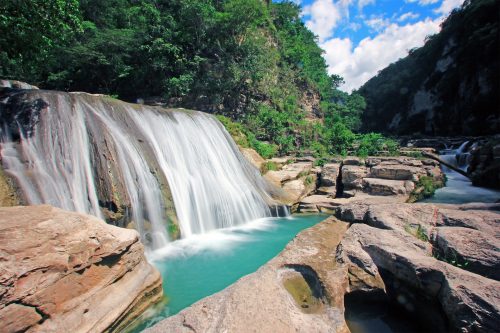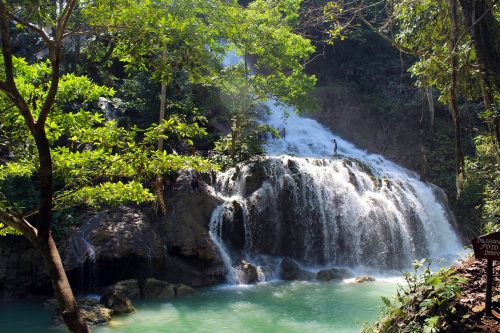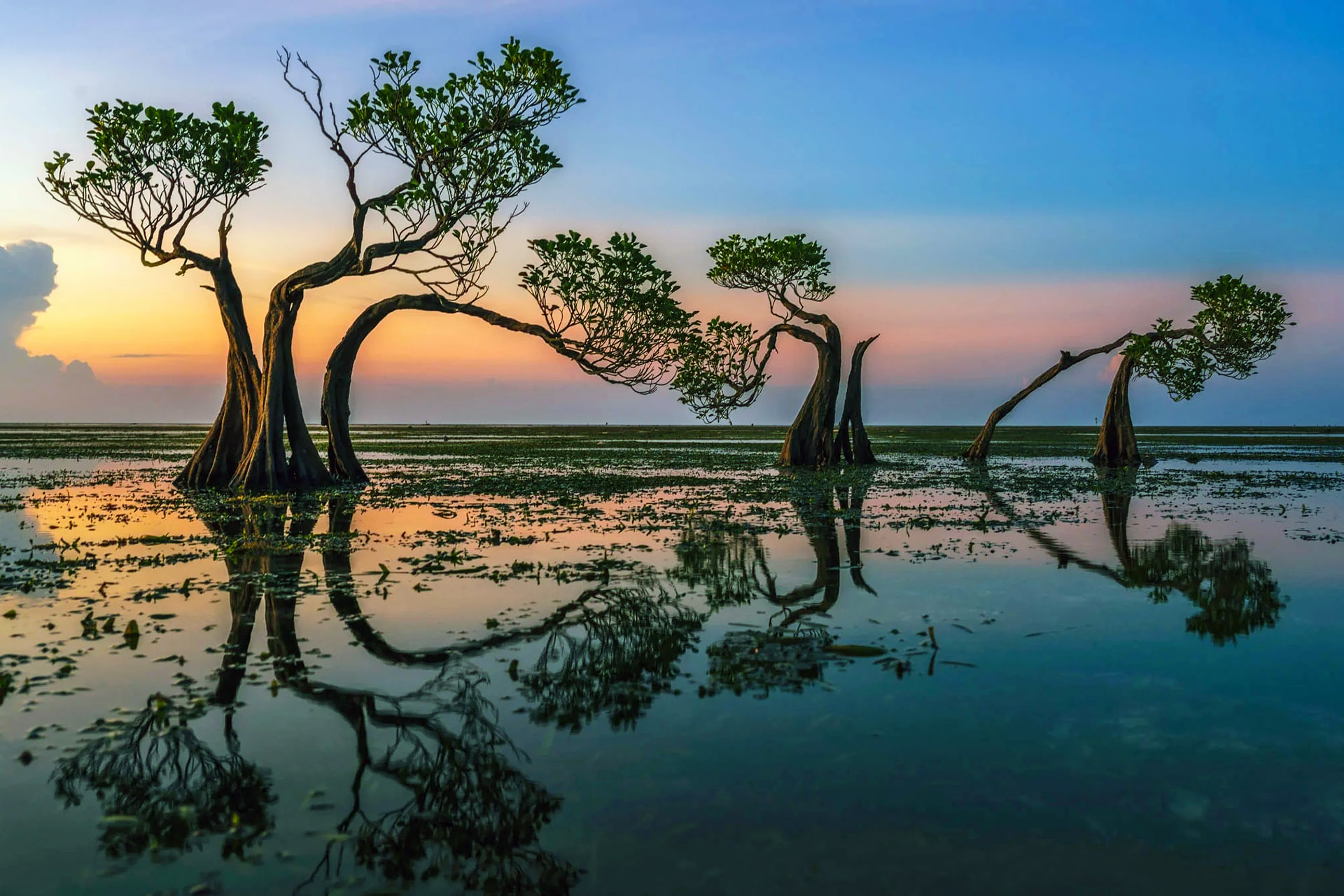
How to Get to Sumba – For many travellers, the idea of Sumba sparks instant intrigue — wild savannas, stone villages, empty beaches, and a pace that feels almost pre-digital. And yet, right after that spark comes hesitation. How do you actually get there? Why does it feel more complicated than Bali, Lombok, or even Flores?
This hesitation is completely normal — and it’s also the main reason many people delay or abandon their Sumba plans altogether.
Sumba feels hard to reach because it doesn’t behave like Indonesia’s more tourism-polished islands. There are no international flights, no hourly connections, no sprawling airport lounges designed for mass arrivals. Flights are fewer. Airport names are unfamiliar. Schedules don’t always line up neatly with your Bali holiday dates. Compared to the plug-and-play simplicity of Bali or Lombok, Sumba asks you to pause, plan, and commit.
But here’s the important reframe: limited flights do not mean inaccessible. They simply mean Sumba rewards travellers who understand the route before they imagine the destination.
Most confusion around how to get to Sumba comes from expecting it to work like other islands. Bali spoils us — dozens of daily flights, endless flexibility, and the illusion that you can decide everything at the last minute. Sumba operates on a different logic. It’s reachable, yes — easily reachable, even — but only if you plan with intention rather than urgency.
Sumba isn’t hard to reach — it just doesn’t reward last-minute thinking.
Once you understand this, most of the friction disappears.
There are only two airports to consider. Only a handful of main flight routes. Only a few sensible ways to structure arrival days. When those pieces are clear, the journey to Sumba becomes surprisingly straightforward — often just a short domestic flight from Bali or Jakarta, followed by a scenic drive that already feels like part of the experience.
In fact, for many travellers, the perceived difficulty of getting to Sumba is what preserves its magic. Fewer flights mean fewer crowds. Limited access means landscapes still feel unedited. And the extra step in planning filters for travellers who genuinely want what Sumba offers — not just another tropical backdrop.
💡Related reads:
This article exists to remove the final mental barrier.
We’ll walk through flights, routes, airports, and real-world travel considerations — calmly, honestly, and without overcomplication. Consider this your practical companion to the broader Sumba Travel Guide, and the logistical foundation beneath every Sumba Itinerary you’re imagining.
Because once you stop asking “Is Sumba too hard to reach?” and start asking “Which route makes the most sense for me?”, the island stops feeling distant — and starts feeling possible.
Where Is Sumba
Before you can fully understand how to get to Sumba, it helps to reset the mental map most travellers carry of Indonesia.
On paper, Sumba doesn’t look far at all. It sits in East Nusa Tenggara, just south of Flores and east of Lombok. From Bali, it’s only a short hop across the archipelago — closer, in fact, than many destinations people visit without hesitation. And yet, despite that proximity, Sumba feels worlds apart.
That contrast is the key to understanding Sumba’s travel logic.
Geographically, Sumba lies along Indonesia’s southern island chain, facing the Indian Ocean rather than the calmer northern seas. It doesn’t sit directly on major transit corridors, and that’s why routes matter far more than raw distance. You’re not “island hopping” in a linear way — you’re choosing a specific entry point that shapes your entire experience on the ground.
This is why many first-time visitors feel confused when researching a Sumba travel route. The question isn’t how far Sumba is, but where you land — and what that unlocks.
There are two main regions travellers need to understand early: West Sumba and East Sumba.
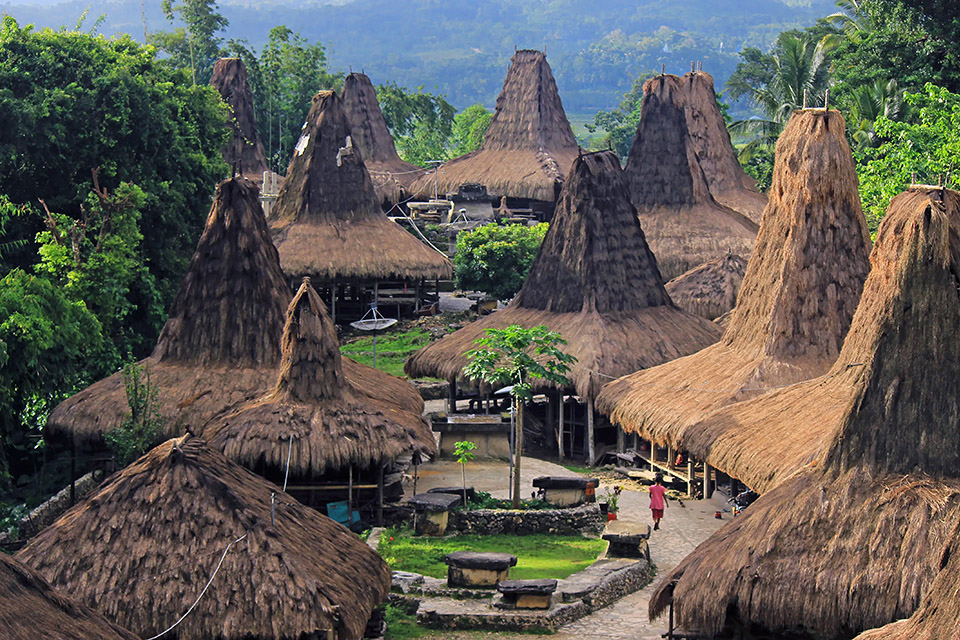
West Sumba is closer to Bali in spirit and logistics. Flights typically land at Tambolaka Airport, serving travellers heading toward traditional villages, waterfalls, and the island’s most iconic cultural landscapes. If your Sumba plans revolve around megalithic villages, dramatic hills, and layered rituals, West Sumba is often the natural starting point.
East Sumba, accessed via Waingapu Airport, opens into a very different world. This side of the island is wider, drier, and more expansive — known for savannas, horses, ikat weaving, and open skies that stretch uninterrupted to the horizon. Travel distances here are longer, roads feel more exposed, and days unfold at a slower, more elemental pace.
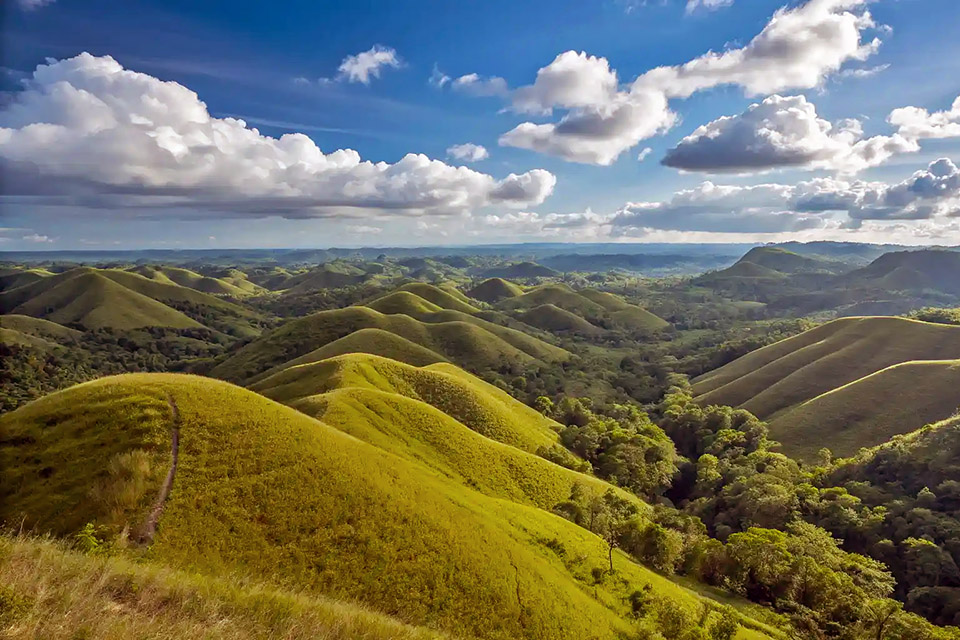
The important thing to understand is this:
East and West Sumba are not interchangeable bases.
Driving between them takes time, energy, and planning. Roads are improving, but they remain slow, winding, and deeply affected by weather and local conditions. This is why smart route planning matters more than squeezing everything into one stay. It’s also why most well-designed itineraries commit to one side first, then cross only when time allows.
When people struggle with how to get to Sumba, what they’re often really struggling with is this geographic choice. Once you understand which side of the island matches your interests — culture, landscapes, photography, beaches — the rest of the planning becomes clearer.
This geographic context also connects directly to Things to Do in Sumba. Attractions aren’t clustered; they’re distributed. Waterfalls live inland. Villages follow ancestral land patterns. Beaches stretch long and empty along the coast. Geography isn’t just a backdrop here — it’s the framework that determines how your days flow.
And timing matters too. Seasonal conditions influence road access, flight reliability, and even which landscapes look their best — something we explore further in Best Time to Visit Sumba.
Once you understand where Sumba sits — not just on the map, but within Indonesia’s travel rhythm — the island stops feeling confusing. It becomes logical, navigable, and quietly inviting.
Flights to Sumba: What You Need to Know Before Booking
When people ask how to get to Sumba, what they usually mean is: “How complicated are the flights, really?”
The honest answer is this — flying to Sumba is straightforward once you understand its rules, but it doesn’t behave like mainstream Indonesian routes.
Sumba is served exclusively by domestic flights. There are no direct international arrivals, no wide-body aircraft, and no 24-hour airport operations. This isn’t a weakness — it’s part of why the island still feels untouched — but it does mean travellers need to plan with intention.
Most confusion around flights to Sumba comes from expecting Bali-style simplicity. Sumba plays by different logistics.
The Domestic-Only Reality
All travellers — whether coming from Europe, Australia, or elsewhere in Asia — must first connect through an Indonesian hub. In practice, that hub is almost always Bali or Jakarta.
Because flights are domestic:
- Schedules are more fluid.
- Weather has a bigger impact.
- Aircraft are smaller.
- Airlines adjust routes based on demand.
Once you accept this, booking becomes less stressful — and far more predictable.
Bali → Sumba Flights: The Most Common Route
For most travellers, Bali to Sumba flights are the easiest and most efficient option.
From Bali (Denpasar / DPS), you can fly directly to:
- Tambolaka Airport (West Sumba).
- Waingapu Airport (East Sumba).
Flight time is typically 1 hour to 1 hour 20 minutes, making it one of the shortest hops in eastern Indonesia. This is why many itineraries position Sumba as a natural extension after Bali — not because it’s similar, but because it’s accessible.
However, these routes usually operate:
- Once or twice daily.
- With smaller aircraft.
- On schedules that can change seasonally.
Morning flights are more reliable than late afternoon ones, especially during the rainy season.
For travellers planning a structured journey — especially those following a 4–5 Day Sumba Itinerary — aligning arrival time with your first overnight base is critical. Landing in the “wrong” airport can easily add half a day of driving.
Jakarta → Sumba Flights: Fewer, but Useful
Flying from Jakarta to Sumba is possible, but less common.
These routes are often:
- Less frequent.
- Sometimes indirect.
- More prone to schedule adjustments.
They mainly serve domestic travellers and connecting traffic from other Indonesian cities. For international visitors, Jakarta routes usually only make sense if:
- You’re already transiting through Jakarta.
- Bali flights are full.
- You’re coordinating with a longer Indonesia itinerary.
In most cases, routing through Bali remains simpler and more flexible.

Why There Are No International Flights to Sumba Yet
This is one of the most common questions — and the answer is surprisingly practical.
Sumba’s airports currently have:
- Shorter runways.
Limited terminal infrastructure.
- Daytime-only operations.
Aircraft size limitations mean long-haul or regional international flights aren’t viable yet. There’s also a deliberate pace to development. Unlike destinations that expand airports first and figure out identity later, Sumba is growing cautiously — protecting landscapes and culture before mass access.
For travellers, this means one extra step — but also far fewer crowds once you arrive.
💡 Insider’s Insight — Why Sumba Flights Change More Than You Expect
Flights to Sumba are more dynamic than most Indonesian routes, and that’s normal here.
- Weather patterns matter
Weather, especially wind and rain affect smaller aircraft more significantly, especially in shoulder seasons.
Aircraft size limitations
Most planes serving Sumba are turboprops. They’re efficient, but less forgiving of weather shifts.
Demand-based scheduling
Airlines add or reduce flights based on season, festivals, and booking patterns — sometimes with little notice.
💡 Sumba Travel Tips:
To make sure that your plan works as expected, book flights earlier than you think you need to, avoid tight same-day connections, and always leave buffer time before onward travel.
The key takeaway? Flying to Sumba isn’t difficult — it’s just less automated.
Once flights are locked in, everything else flows more smoothly, especially if you’re continuing into a Sumba Private Tour, where timing, transfers, and routes are already aligned around your arrival.
Understand the rhythm of Sumba’s air access, and the island opens itself up — calmly, deliberately, and on its own terms.
Tambolaka vs Waingapu Airport
One of the most underestimated decisions when planning how to get to Sumba is choosing which airport to land at. On paper, Tambolaka and Waingapu are both “Sumba airports.” In reality, they shape completely different journeys.
If Bali decides when you arrive, your airport decides how Sumba unfolds.
This is why the question of Tambolaka vs Waingapu airport isn’t technical — it’s strategic.
Tambolaka Airport
West Sumba — The Most Forgiving Entry Point.
Tambolaka Airport (TMC) sits in West Sumba and is, for most travellers, the most practical and stress-free way to enter the island.
Why Tambolaka Works So Well for First-Timers
Tambolaka places you closer to:
- Traditional villages like Tarung and Praijing.
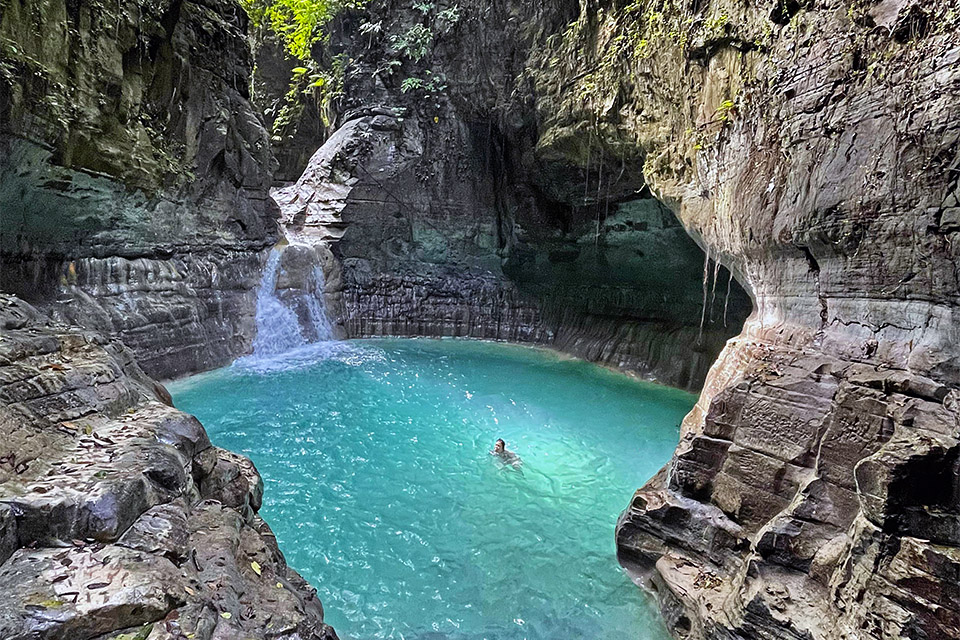
- Waterfalls such as Lapopu.
- A solid cluster of the island’s most reliable accommodations.
For first-time visitors, this translates into shorter drives, earlier hotel check-ins, and less road fatigue. You spend more time experiencing Sumba and less time watching it through a car window.
Logistically, Tambolaka also tends to have:
- Slightly more stable flight schedules.
- Better alignment with common tour routes.
- Easier recovery if flights are delayed.
This is why most 3 Days in Sumba Itinerary routes begin here — not because West Sumba is “better,” but because it’s gentler as a starting point.
Typical Driving Times from Tambolaka
- West Sumba villages: 30–60 minutes.
- Central waterfalls: 1.5–2.5 hours.
- East Sumba savannas: 5–6+ hours.
Tambolaka is about ease. It lets Sumba introduce itself gradually.
Waingapu Airport
East Sumba — For Those Who Know What They’re Chasing
Waingapu Airport (WGP) serves East Sumba — home to the island’s iconic open savannas, wild horses, and cinematic sunrises.
If Tambolaka is about comfort, Waingapu is about commitment.
Why Photographers Love Waingapu
Landing in Waingapu puts you closer to:
- Wairinding Hills.
- Endless grasslands with roaming horses.
- Early-morning light that defines Sumba photography.
Sunrise locations that require a 4–5am departure from West Sumba suddenly become next door. For photographers, that alone can justify the longer transfer on arrival.
However, Waingapu comes with trade-offs:
- Longer drives to West Sumba highlights.
- Fewer accommodation clusters.
- Less margin for error if flights change.
This is why Waingapu works best for travellers following a Photography Itinerary Sumba, where early light and specific landscapes matter more than convenience.
Typical Driving Times from Waingapu
- East Sumba savannas: 30–60 minutes.
- Central Sumba: 3–4 hours.
- West Sumba villages: 5–6+ hours.
Waingapu rewards intention — but punishes improvisation.
Factor |
Tambolaka (West Sumba) |
Waingapu (East Sumba) |
|---|---|---|
Best for
|
First-timers, couples, short trips
|
Photographers, longer stays
|
Drive fatigue
|
Low to moderate
|
Moderate to high
|
Cultural access
|
Excellent
|
Limited
|
Savannas & sunrise
|
Far
|
Immediate
|
Itinerary flexibility
|
High
|
Lower
|
Logistics ease
|
Easier
|
More demanding
|
Region Access & Itinerary Logic
Choosing the best airport in Sumba isn’t about preference — it’s about route logic.
- 3–4 day trips almost always work better from Tambolaka.
- 5–7 day routes can start at either airport.
- West → East journeys are easier than East → West.
- One-way itineraries (in via one airport, out via the other) are ideal if flights allow.
This is why many private tours design airport choice after itinerary logic — not before it.
So … Which One Should You Choose?
Ask yourself three questions:
- Is this your first time in Sumba?
- Are you prioritising culture and balance, or landscapes and light?
- How much driving are you comfortable with?
If clarity matters more than extremes, Tambolaka is usually the smarter choice.
If you’re chasing specific visuals and can commit to longer transfers, Waingapu delivers.
Because in Sumba, logistics don’t just support the journey — they quietly define it.
In Sumba, your airport choice quietly decides your entire journey.
Choose the entry point that matches your intent, and the rest of the island begins to cooperate.
Bali to Sumba: The Most Common Route
For most travellers, Bali to Sumba is the gateway route — familiar enough to feel manageable, but different enough to cause hesitation. Flights exist, the distance is short, yet many first-time visitors still stumble here. Not because the route is difficult, but because Sumba doesn’t behave like a typical island add-on.
Understanding how Bali to Sumba flights actually work — in timing, rhythm, and consequence — removes a huge amount of friction before it ever appears.
This Sumba itinerary is anchored entirely in West Sumba, not because other regions aren’t worth visiting, but because West Sumba offers the best balance of accessibility, diversity, and reliability for a limited timeframe. Roads are more predictable, attractions cluster naturally, and experiences layer together instead of competing for time.
Think of this route as an introduction that respects Sumba’s rhythm rather than fighting it.
DPS → TMC / WGP:
What the Route Really Looks Like
All commercial routes to Sumba begin domestically. From Ngurah Rai International Airport (DPS) in Bali, you’ll fly to either:
- Tambolaka (TMC) in West Sumba, or
- Waingapu (WGP) in East Sumba.
Flight time itself is relatively short — usually 1 hour 30 minutes to 2 hours, depending on aircraft and routing. The mistake is assuming that means the day is “easy.”
Unfortunately … it isn’t.
Once you land, Sumba travel immediately becomes road-based, and distances feel longer than maps suggest. This is why your arrival time matters as much as your departure airport.
Morning vs Afternoon Flights:
This Choice Matters More Than Price
When booking flights to Sumba, morning departures from Bali are almost always the better option — even if they cost slightly more.
Morning flights work because:
- You arrive with daylight ahead of you.
- Road transfers are calmer and safer.
- You can reach villages, waterfalls, or beaches on Day 1.
- Delays have buffer room.
Afternoon flights, compress everything:
- Delays stack faster.
- Long transfers happen near sunset.
- Cultural stops often become impossible.
- Arrival days quietly disappear.
In Sumba, sunset is not just pretty — it often marks the end of viable travel for the day.
Same-Day Arrival Logic: When It Works (and When It Doesn’t)
Yes, you can land in Bali and reach Sumba the same day — but only under the right conditions.
Same-day arrival works best if:
- You land in Bali early morning.
- Your Sumba flight departs before midday.
- You land in Tambolaka (shorter onward drives).
- Your first night is within 1–2 hours of the airport.
Same-day arrival becomes risky if:
- Your Bali arrival is afternoon or evening.
- You’re connecting internationally.
- You’re flying into Waingapu with long transfers ahead.
The more ambitious your first day’s plan, the less margin you have.
When an Overnight Stay in Bali Makes Sense
Ironically, adding a night in Bali often makes your Sumba trip smoother, not slower.
Overnight stays are smart when:
- You’re arriving from long-haul international flights.
- Your Sumba flight departs early morning.
- You want to protect Day 1 from fatigue.
- You’re travelling with family or photography gear.
That one extra night buys you:
- Clear-headed travel.
- Predictable departures.
- Full daylight on arrival.
- Less stress if schedules shift.
In a destination like Sumba, that buffer often pays itself back immediately.
💡 Insider’s Tips — The One Bali–Sumba Mistake First-Timers Always Make
Most travellers optimise for cheap flights. In Sumba, you should optimise for arrival timing.
Common mistakes include:
Booking tight connections through Bali.
- Landing late and assuming transfers are quick.
- Losing sunset — and the entire arrival experience — on Day 1.
💡 Sumba Travel Tips That Matter:
A slightly more expensive morning flight often delivers a better entire day than a cheaper afternoon one.Common mistakes include:
The Right Way to Think About Bali to Sumba
The Bali–Sumba route isn’t just a flight — it’s a transition. Bali is dense, fast, forgiving. Sumba is spread out, slow, and exacting. When you plan with that contrast in mind, flights to Sumba stop feeling uncertain and start feeling intentional.
Get the timing right, and Sumba welcomes you gently. Get it wrong, and the island still welcomes you — just on its own terms.
✅ Book Your Sumba Tour Online with HalloBALI Travel & DMC →
Getting Around Sumba After You Land
Landing in Sumba is only the beginning. What determines the rest of your journey isn’t the flight you booked — it’s how you move once you’re on the ground. This is where many travellers underestimate the island, and where most Sumba travel tips start to sound repetitive for a reason.
Sumba is not built around public transport, ridesharing apps, or short hops between attractions. Getting around Sumba requires intention, patience, and — ideally — a plan that respects distance.
This Sumba itinerary is especially well-suited for couples and culture-focused travellers who value atmosphere, storytelling, and landscape transitions over ticking off landmarks. The route is deliberate: culture first, nature second, ocean last. By the time you reach the beach, you’ve earned the stillness.
Airport Transfers: Why “Nearby” Is a Relative Term
Both Tambolaka (TMC) and Waingapu (WGP) airports are small, simple, and efficient. The challenge starts the moment you leave the terminal.
Distances that look manageable on maps often translate into 2–4 hours of driving in reality. Roads vary from paved highways to narrow village paths. Signage is minimal. Night driving is strongly discouraged.
This is why airport transfers in Sumba are rarely “just a ride.” They are the first leg of your itinerary, and often determine whether Day 1 feels calm or chaotic.
Pre-arranged transfers — through your accommodation or tour provider — are not a luxury here. They are a form of risk management.
Self-Drive in Sumba: Possible, but Not Simple
Yes, you can self-drive in Sumba. But it’s important to understand what that actually means.
Self-driving realities include:
- Limited car rental availability.
- No digital navigation reliability in rural areas.
- Livestock, ceremonies, and road conditions that change daily.
- Long hours behind the wheel.
Self-drive works best for:
- Experienced Indonesia drivers.
- Slow travellers with flexible schedules.
- Short, region-focused routes.
It works poorly for:
- First-time visitors.
- Tight itineraries.
- Sunrise, sunset, or waterfall-heavy plans.
Most travellers who attempt self-drive discover that driving becomes the trip, not a tool to experience it.
Why a Driver-Guide Changes Everything
This is why most well-designed itineraries assume private transport with a local driver-guide.
A driver-guide doesn’t just drive. They:
- Adjust routes when roads change.
- Time village visits around ceremonies.
- Know which waterfalls are accessible that week.
- Translate, negotiate, and interpret cultural moments.
- Turn “dead drive time” into storytelling.
In Sumba, information is not centralized online — it lives with people. A driver-guide becomes your connection to that living knowledge.
Why Sumba Itineraries Assume Private Transport
If you’ve noticed that most Sumba itineraries — including ours — are written around private transport, that’s intentional.
Private transport allows:
- Route-based travel instead of backtracking.
- Early departures for sunrise locations.
- Flexible pacing when something unexpected appears.
- Realistic coverage without exhaustion.
Public transport doesn’t align with attraction access. Taxis are scarce outside towns. Renting scooters is unsafe for long distances.
This isn’t about luxury — it’s about feasibility.
The Quiet Truth About Getting Around Sumba
Sumba rewards travellers who stop fighting the island’s scale and start working with it.
Whether you choose to self-drive or travel with a driver-guide, the key is alignment:
Align your transport with your itinerary.
Align your expectations with distance.
Align your pace with daylight.
For a deeper comparison, see → Self-Drive vs Private Tour in Sumba.
If you’d rather let logistics disappear entirely, explore → Sumba Private Tour options designed around these realities.
In Sumba, movement isn’t just logistics. It’s the framework that determines what the island allows you to experience — and what it quietly keeps out of reach.
When Is the Best Time to Travel to Sumba
When people ask about the best time to visit Sumba, they often expect a simple answer: dry season good, wet season bad. The reality is more nuanced — and flights to Sumba are the reason why.
In Sumba, timing doesn’t just affect weather. It affects access, reliability, and what’s actually possible once you arrive.
In Sumba, timing isn’t about price — it’s about possibility.
Dry Season vs Wet Season: It’s About Flight Reliability
Sumba’s dry season typically runs from May to October, and this is when the island is at its most predictable.
During these months:
- Flights to Sumba are more reliable.
- Fewer weather-related delays or cancellations.
- Roads are in better condition.
- Waterfalls are accessible (especially early dry season).
- Beach and savanna landscapes are at their most photogenic.
This is peak travel season for a reason — not because it’s trendy, but because logistics work.
The wet season, roughly November to April, doesn’t make Sumba untravelable — but it does introduce variables:
- Flights are more likely to be rescheduled or consolidated.
- Smaller aircrafts are more sensitive to weather patterns.
- Some rural roads become slow or temporarily impassable.
- Waterfalls may be spectacular, but access can be unpredictable.
If your itinerary is tight, flight reliability matters more than scenery.
Shoulder Season: The Quiet Sweet Spot
For many travellers, the real sweet spot is April–May and September–October.
Shoulder season offers:
- Decent flight frequency with fewer disruptions.
- Lush landscapes without constant rain.
- Lower crowd pressure at villages and beaches.
- Better flexibility for itinerary adjustments.
This period works especially well for:
- Photographers.
- Couples.
- Travellers booking private tours.
- Anyone who values rhythm over rigid scheduling.
If you want balance — this is where Sumba often shines.
Ceremonies, Rituals & Timing Access
One factor many guides overlook: ceremonies don’t follow tourist seasons.
Major Marapu ceremonies, funerals, and village rituals:
- Can happen year-round.
- May temporarily close villages to outsiders.
Can also become once-in-a-lifetime experiences if timed respectfully.
A well-timed visit doesn’t just avoid disruption — it can unlock access. This is why itineraries built around seasons, not just dates, tend to work better in Sumba.
This is why we recommend choosing your timing first, then shaping the itinerary around it — not the other way around.
For a deeper seasonal breakdown, see → Best Time to Visit Sumba.
To understand how timing affects routing and pacing, explore the → Sumba Itinerary Guide.
In Sumba, good timing doesn’t just improve your trip. It makes the trip possible in the first place.
Common Travel Questions That Stop People From Booking
If you’ve made it this far, chances are you’re already interested in Sumba — and also slightly hesitant. That hesitation is normal. Most travellers don’t abandon the idea of visiting Sumba because they dislike it; they pause because they’re unsure how hard it really is.
This section answers the questions that quietly stop people from booking — honestly, without sugarcoating.
Is Sumba Expensive to Reach?
Short answer: more expensive than Bali, less expensive than it feels.
Flights to Sumba are domestic-only and limited, which means prices can be higher than short-hop routes to Lombok or Labuan Bajo. That said:
- The flight itself is usually the smallest part of total trip cost.
- Booking earlier matters more here than almost anywhere else in Indonesia.
Prices fluctuate more by timing than by distance.
What often surprises travellers is this: once you’re in Sumba, daily costs can feel lower than expected — especially outside luxury resort areas. The perception of “expensive” often comes from uncertainty, not reality.
If you plan well, getting to Sumba is a logistical challenge — not a financial one.
Are Flights to Sumba Reliable?
Yes — with expectations adjusted.
Flights to Sumba are generally safe and professionally operated, but they are:
- More prone to schedule changes.
- Dependent on smaller aircraft.
- Sensitive to weather and demand.
This doesn’t mean chaos. It means you should keep these in mind and plan accodingly:
- Avoid tight same-day international connections.
- Allow buffer time on arrival and departure days.
- Think in windows, not minutes.
Travellers who struggle in Sumba usually aren’t unlucky — they’re over-optimised. Build in flexibility, and flights stop being a stress point.
Can I Visit Sumba Without a Tour?
Technically? Yes.
Practically? It depends on how you want to experience the island.
Independent travel in Sumba requires:
- Strong navigation skills.
- Comfort with long, slow drives.
- Willingness to adapt plans daily.
- Patience with language and logistics.
There is limited public transport between attractions, signage is sparse, and many of Sumba’s highlights aren’t “plug-and-play” destinations.
Most travellers who attempt full independence end up doing one of two things:
Scaling back expectations.
Hiring local drivers anyway.
That’s why many itineraries assume private transport — not to upsell, but to make the experience realistic.
Is Sumba Safe for Independent Travellers?
Yes — Sumba is generally safe, welcoming, and community-oriented.
That said, safety here isn’t just about crime (which is rare).
It’s about:
- Road conditions.
- Medical access.
- Communication gaps.
- Cultural sensitivity.
Travel works best when visitors:
- Move respectfully.
- Ask before entering villages or photographing ceremonies.
- Travel with local context, not just Google Maps.
Sumba rewards awareness more than bravado. Those who arrive curious and flexible tend to have the best experiences.
💡 Insider’s Picks — The Easiest Way to Experience Sumba on Your First Visit
If this is your first time:
- Follow a proven Sumba itinerary.
- Use a Sumba private tour with flexible pacing.
- Let logistics fade into the background.
- Focus on landscapes, culture & rhythm instead.
Sumba isn’t a destination you conquer — it’s one you enter carefully. Remove the friction, and the island does the rest.
What Actually Stops Most People?
- It’s not danger.
- It’s not cost.
- It’s not even distance.
What stops people from booking is mental friction — too many unknowns at once.
Once routes, timing, and expectations are clear, Sumba becomes surprisingly approachable.
How This Fits Into Your Sumba Itinerary Planning
Getting to Sumba isn’t a standalone decision — it’s the first move in your Sumba itinerary. The airport you choose, the time you land, and how much energy you expect from arrival day all quietly shape what you’ll actually see and do on the island.
This is where logistics stop being boring and start becoming strategic.
Choosing the Right Airport Based on Your Trip Length
Your itinerary length should guide your airport choice, not the other way around.
2–3 Days in Sumba
Fly into Tambolaka (West Sumba). Shorter transfer times mean more time for villages, waterfalls, and sunsets — not sitting in a car. For short stays, West Sumba delivers the highest concentration of accessible experiences.
4–5 Days in Sumba
You gain flexibility. You can still start in Tambolaka and move east, or fly straight into Waingapu (East Sumba) if savannas and sunrise landscapes are priorities. This is the range where itineraries start to feel balanced rather than rushed.
6–7 Days or More
Either Tambolaka and Waingapu airport works — and many longer Sumba itineraries combine regions. With enough time, the island reveals its contrasts: cultural villages in the west, open plains in the east, and beaches in the southwest.
The mistake isn’t choosing the “wrong” airport — it’s choosing one without considering how much time you actually have.
Arrival Day: Reset Your Expectations
Arrival day in Sumba is not a sightseeing day. It’s a transition day.
Flights often land late morning or early afternoon. Add:
- Luggage collection.
- Vehicle coordination.
- A 1–4 hour drive (depending on region).
What’s realistic on arrival day?
- One village visit or,
- A scenic drive or,
- A sunset stop near your accommodation.
Trying to do more usually results in stress, not memories. Sumba rewards those who let the first day breathe.
Why Logistics Quietly Shape Everything You Do
In Sumba, logistics aren’t just about transport — they determine:
- Which things to do in Sumba are actually reachable.
- Whether mornings are rushed or intentional.
- How much energy you have for cultural encounters.
- Whether landscapes feel expansive or exhausting.
That’s why strong itineraries are route-based, not checklist-based. They account for distance, light, and rhythm — not just attraction density.
If you plan your arrival, accommodation, and regional flow together, the island feels generous. If you treat them separately, Sumba can feel harder than it needs to be.
Where This Article Fits in Your Planning Flow
Think of this guide as your logistics lens:
- Decide how many days you have.
- Choose the right airport.
- Match regions to your interests.
- Build your route around reality, not ambition.
✅ From here, the next steps become much easier:
Explore the → 2–7 Day Sumba Itinerary Guide to see how routes unfold.
Match regions with accommodation in → Where to Stay in Sumba.
Once those pieces align, Sumba stops feeling complicated — and starts feeling inevitable.
Getting There Is Part of the Experience
If you’ve read this far, one thing should be clear: how to get to Sumba is not a hurdle to overcome — it’s the first chapter of the journey itself.
Sumba asks a little more from you than most destinations. Fewer flights. Smaller airports. Longer drives. Less room for last-minute improvisation. But in return, it offers something increasingly rare in modern travel: space, silence, and a sense that you’ve arrived somewhere that still operates on its own terms.
That’s why this Sumba travel guide doesn’t promise shortcuts. It offers clarity instead.
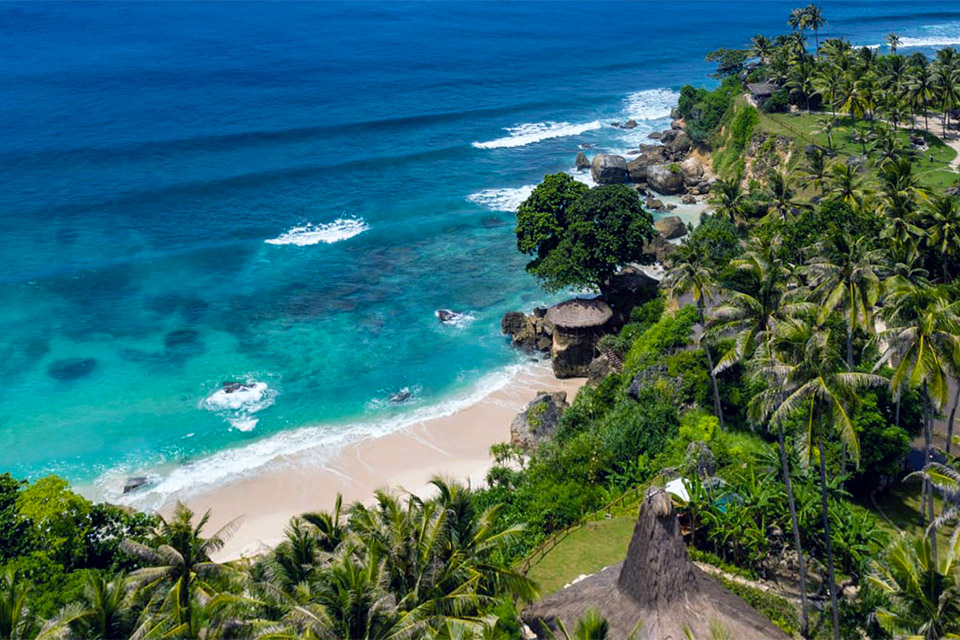
Once you understand the routes, the airports, and the rhythm of the island, the anxiety fades quickly. Flights become predictable rather than confusing. Transfers feel purposeful instead of tiring. And the island begins to open up — not all at once, but gradually, in ways that feel earned.
The truth is, most people who say Sumba is “hard to reach” are really saying they tried to plan it like Bali.
Sumba doesn’t reward speed. It rewards intention.
Choose the right airport. Land with realistic expectations. Give your arrival day space. Build your itinerary around geography, light, and distance — not just attractions. Do that, and getting to Sumba becomes part of the story you’ll remember, not a logistical footnote you try to forget.
The journey to Sumba doesn’t test your patience — it tests your priorities.
If you’d rather focus on the experience than the logistics, that’s exactly why our routes and services exist:
- → View Sumba Itineraries designed around real distances and real travel days.
- → Book a Private Sumba Tour with drivers and guides who live this island daily.
- → Explore the Sumba Travel Guide to connect routes, regions, and expectations into one coherent plan.
Get the journey right, and Sumba doesn’t feel remote at all.
It feels exactly where you were meant to go.
FAQ
How do you get to Sumba from overseas?
If you’re traveling internationally, the first step in how to get to Sumba is understanding that there are no direct international flights. All routes go through Indonesia’s major hubs — most commonly Bali (Denpasar / DPS) or Jakarta (CGK). From there, you’ll take a domestic flight to either Tambolaka Airport (West Sumba) or Waingapu Airport (East Sumba).
This extra step is why Sumba feels remote — but once the route is clear, the journey itself is straightforward and well worth the effort.
Are there direct flights to Sumba?
No. Flights to Sumba are domestic only, and that’s unlikely to change in the near future due to runway length, aircraft size limitations, and controlled tourism growth.
Most travellers fly Bali → Sumba, while Jakarta routes exist but are less frequent. This limited access keeps Sumba quieter and more preserved — but it also means planning matters more than price-hunting.
Which airport is better: Tambolaka or Waingapu?
Choosing between Tambolaka vs Waingapu airport depends entirely on your itinerary.
- Tambolaka (West Sumba) is best for first-time visitors, shorter trips, cultural villages, waterfalls, and smoother logistics.
- Waingapu (East Sumba) is ideal for photographers, savannas, sunrise landscapes, and longer journeys that move westward.
There is no “best airport in Sumba” universally — only the right one for your route.
How long are flights to Sumba?
Typical flight times:
- Bali to Sumba: ~1 hour 15 minutes.
- Jakarta to Sumba: ~2.5 hours (often with limited schedules).
The flight itself is short — the real variable is connection timing, especially if you’re arriving from overseas the same day.
Are flights to Sumba reliable?
They are reliable, but flexible by necessity. Weather patterns, aircraft availability, and demand mean that Sumba flight schedules change more often than routes to Bali or Lombok.
This is why most Sumba travel tips emphasize:
- Avoiding tight connections.
- Choosing morning flights when possible.
- Building buffer time into itineraries.
Reliability improves dramatically when your itinerary accounts for these realities.
Is Sumba expensive to reach?
Not necessarily. Flight prices to Sumba are often comparable to other eastern Indonesian destinations. The perceived cost usually comes from logistics, not airfare — transfers, private transport, and accommodation dispersion.
For many travellers, a private Sumba tour ends up being more cost-effective than piecing everything together independently.
Can I visit Sumba without a tour?
Yes — but it requires experience, flexibility, and realistic expectations. Independent travel in Sumba means:
- Long driving distances.
- Variable road conditions.
- Limited signage and services.
- Cultural sensitivity requirements.
That’s why most itineraries assume private transport with a driver-guide, even for confident travellers.
Is Sumba safe for independent travellers?
Yes. Sumba is widely considered safe and welcoming, especially when travellers show respect for local customs. The main challenges are logistical, not security-related.
Understanding Marapu traditions, asking before photographing ceremonies, and planning routes carefully go a long way toward a smooth experience.
How many days do I need in Sumba?
While short trips are possible, most travellers find:
- 2–3 days = brief introduction.
- 4–5 days = balanced experience.
- 6–7 days = immersive, photography-friendly journey.
Your flight schedule and airport choice should align with this — not the other way around.
What’s the biggest mistake people make when planning Sumba travel?
Trying to plan Sumba like Bali.
Sumba rewards routes over checklists, timing over speed, and intention over convenience. Once travellers understand this, everything — flights, itineraries, and expectations — falls into place.