Sumba Itineraries – Most travellers arrive in Sumba carrying a familiar mental map. They’ve done Bali, maybe Lombok or Flores, and they assume an island itinerary works the same way everywhere: wake early, stack attractions, chase sunsets, move fast. Sumba quietly dismantles that assumption within the first few hours on the road.
This is not an island built for tight schedules.
Distances in Sumba are deceptive. A drive that looks short on a map can stretch into hours, winding through villages, savannas, river crossings, and stretches of road that slow you down whether you like it or not. Add ceremonies, livestock, unexpected rain, or simply the need to stop because the light is suddenly perfect — and rigid planning starts to feel like friction instead of structure. That’s why any meaningful Sumba itinerary has to begin with a different mindset.
In Sumba, the best itinerary isn’t the one that fits the most — it’s the one that respects the distance.
💡Related reads:
→ Sumba Travel Guide & Tours
→ Best Time to Visit Sumba: Weather, Seasons & Month-by-Month Tips
→ Top Things to Do in Sumba: Beaches, Waterfalls, Villages & Hidden Spots
→ Where to Stay in Sumba: Best Areas, Resorts, Boutique Hotels & Local Homestays
→ How to Get to Sumba: Flights, Routes & Practical Travel Tips
Why Sumba Needs a Different Kind of Itinerary
Unlike Bali, where attractions cluster tightly and infrastructure absorbs mistakes, Sumba rewards travellers who move with intention rather than urgency. Here, pace is not a compromise; it’s the experience. Villages aren’t places you “drop by” between highlights. Waterfalls demand time and context. Beaches aren’t just viewpoints — they’re destinations in their own right, often reached after long, beautiful drives that shape the day as much as the place itself.
That’s why this guide doesn’t offer a checklist of things to tick off. Instead, it presents route-based itineraries — journeys designed around geography, light, and flow rather than attraction density. Each route connects landscapes that make sense together: cultural villages paired with nearby waterfalls, savannas matched with sunrise viewpoints, coastal stays aligned with sunset light and tide conditions. The goal isn’t to see everything. It’s to see the right things, in the right order, without rushing the island.
This approach matters whether you’re planning a short escape or a deeper exploration. A well-designed Sumba itinerary helps you avoid long backtracking days, reduces time lost on the road, and creates space for moments you didn’t plan for — conversations in villages, ceremonies you didn’t expect, detours that turn into highlights. It also helps you choose where to stay, since accommodation in Sumba is inseparable from access and distance — something we explore in detail in our Where to Stay in Sumba guide.
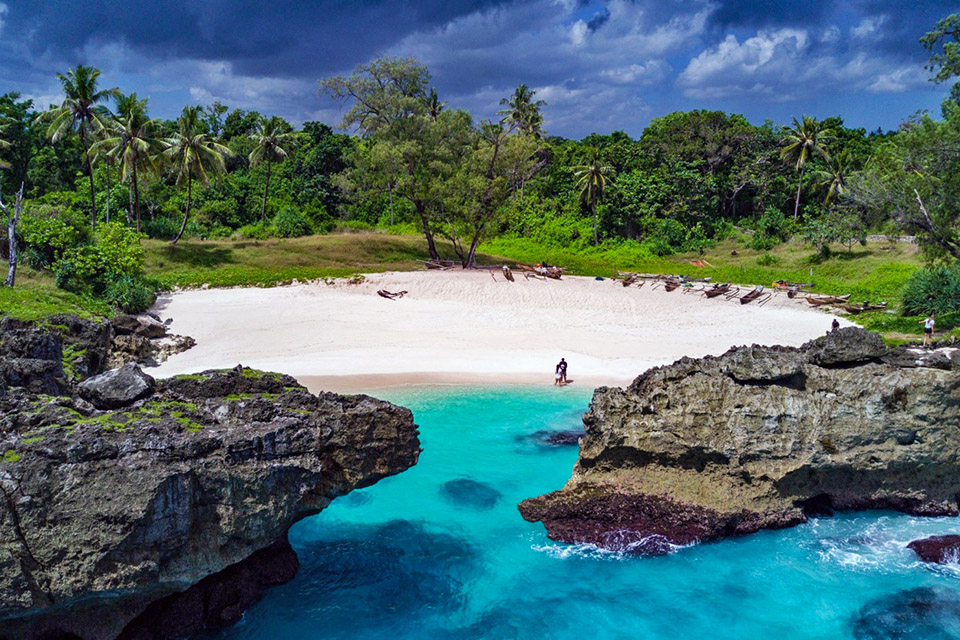
Practically, this article can be used in two ways. If you’re an independent traveller, it works as a self-drive or driver-assisted blueprint, helping you understand how many days you really need and how to connect regions without exhausting yourself. If you’d rather focus on the experience and let logistics fade into the background, every route here can also be followed as a private Sumba tour, guided by people who understand road conditions, timing, and local rhythms.
Throughout this guide, we’ll link out to deeper resources — from our Sumba Travel Guide to detailed breakdowns of Things to Do in Sumba — so you can explore each stop more deeply when you’re ready. For now, think of this as your big-picture planning companion: the bridge between imagining Sumba and actually moving through it, one thoughtful route at a time.
How to Use These Sumba Itineraries
Before diving into day-by-day routes, it’s worth resetting expectations about what these itineraries are — and what they’re not. This isn’t a rigid timetable designed to be followed hour by hour. A Sumba itinerary works best when it provides direction without removing flexibility, structure without forcing speed.
Every route in this guide is designed as a framework. Think of it as a suggested flow through the island rather than a checklist to complete. The days are intentionally balanced, leaving room for delays, detours, and discoveries that aren’t written into any plan. In Sumba, those unplanned moments are often the ones you remember most.
These itineraries also assume that you’ll be travelling with a driver or on a private road trip, rather than navigating independently with a packed schedule. While self-driving is possible in parts of Sumba, distances, road conditions, and limited signage make it far less predictable than in other Indonesian destinations. A local driver doesn’t just handle the road — they read the island. They know when a village is active, which routes are passable after rain, and when it’s worth waiting for the light to change before moving on.
Choosing the right itinerary starts with three simple considerations.
Time is the first constraint. A two- or three-day visit requires focus and restraint, while five to seven days allows for breathing space and deeper exploration. Trying to stretch a short trip too far usually results in long drives and rushed experiences, which this guide is designed to help you avoid.
Interests come next. Some travellers are drawn to culture and traditional villages, others to savannas and photography, others to beaches and quiet coastal stays. Sumba doesn’t reward trying to combine everything at once. The best routes group experiences that naturally belong together, so your days feel cohesive rather than fragmented.
Season is the final piece. The same Sumba road trip can feel completely different depending on rainfall, light, and accessibility. Waterfalls, savannas, beaches, and village activity all peak at different times of year. These itineraries are written with seasonal logic in mind, helping you align your route with what the island is offering when you arrive.
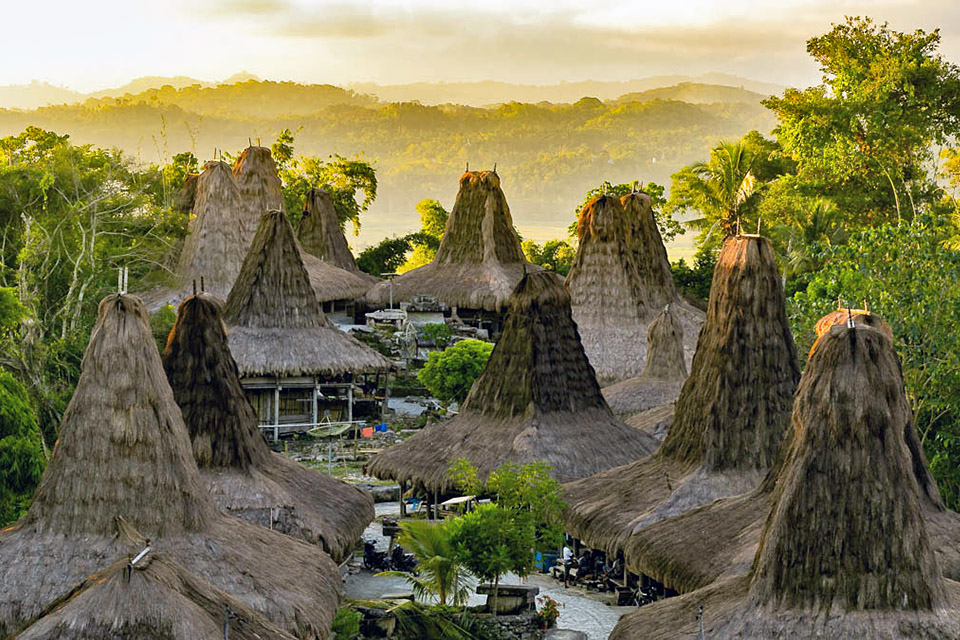
If, at any point, this planning starts to feel complex — that’s not a failure on your part. It’s a reflection of Sumba’s scale and character. This is exactly why we run these routes as private Sumba tours, where logistics, timing, and adjustments are handled for you, allowing you to focus on the experience itself.
💡 Insider’s Insight — Why Copy-Paste Itineraries Don’t Work in Sumba
- Road conditions can change weekly, especially after rain.
Ceremonies and local events often override planned schedules.
In Sumba, sunset locations matter more than clocks — timing beats speed.
Use these itineraries as guides, not rules. Let the route lead you — and let Sumba set the pace.
2 Days in Sumba: A Taste, Not the Whole Story
A 2 days in Sumba itinerary is not about seeing everything. It’s about making peace with what you won’t see — and choosing a single thread of the island to follow well. This route is best suited for transit travellers, photographers extending a Bali trip, or first-time visitors who want an introduction without pretending it’s complete.
With only two days, restraint matters more than ambition. The key is staying within one region, minimising drive time, and letting experiences unfold without rushing from landmark to landmark. For most short stays, West Sumba offers the highest concentration of culture, scenery, and accessibility.
Day 1: Arrival → West Sumba Villages & Sunset
Most travellers arrive via Tambolaka Airport, which makes West Sumba the most practical base for a short visit. After arrival, the focus should be cultural immersion rather than distance.
Begin with one or two traditional villages — places like hilltop settlements where megalithic tombs, thatched houses, and everyday life still overlap naturally. These villages are not museums. You may encounter weaving in progress, children returning from school, or elders gathered in shaded courtyards. The pace is unhurried, and your role is to observe, not consume.
The afternoon should be kept light. Short scenic drives through rolling landscapes help you absorb Sumba’s geography without overloading the day. As the light softens, head toward a west-facing viewpoint or coastal area to catch sunset. In Sumba, sunset isn’t a bonus — it’s often the emotional anchor of the day, when landscapes settle and colours deepen.
Evening is best spent close to where you’ll sleep. Long night drives add fatigue without reward, especially on an already compressed schedule.
Day 2: Choose One — Waterfall or Beach
This is where discipline becomes essential. On paper, it may look possible to visit both a waterfall and a beach in one day. In reality, trying to do both usually turns the day into a series of drives.
If you choose waterfalls, expect jungle paths, stairs, and time spent lingering rather than rushing. The experience is about atmosphere as much as scenery — mist, sound, and scale. Alternatively, a beach-focused day offers openness and stillness, often with long stretches of sand and few people.
What matters is committing to one experience and letting it breathe.
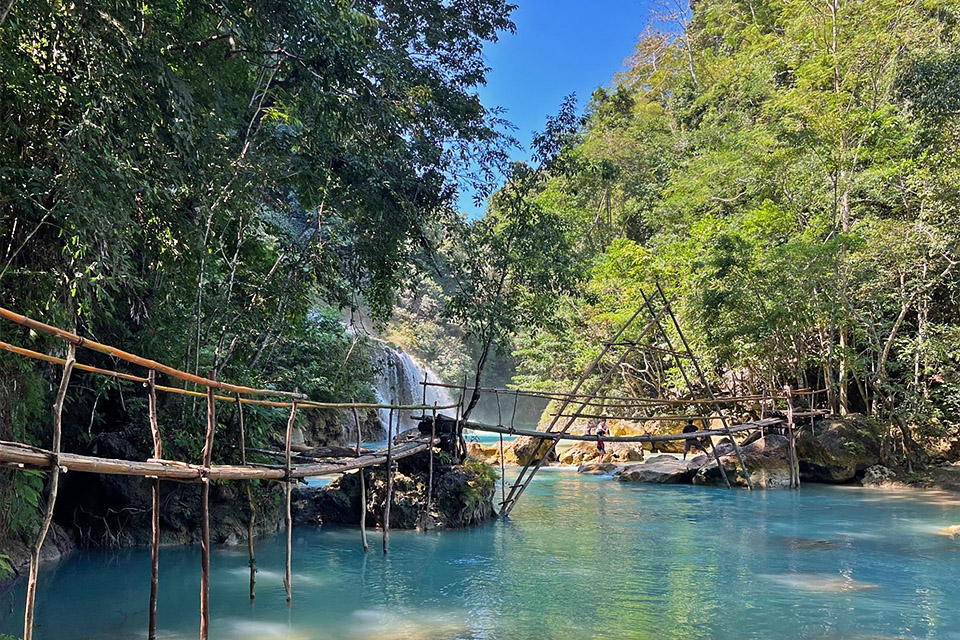
Two days won’t tell the whole story of Sumba — but it can leave you wanting to return, which is exactly what a short stay should do.
What You Miss — And Why That’s Okay
A two-day Sumba itinerary does not reach East Sumba’s savannas, wide-open plains, or dramatic seasonal landscapes. It doesn’t allow for slow village time, extended conversations, or spontaneous detours. You’ll glimpse Sumba’s character, not live inside it.
And that’s fine — as long as expectations are honest.
This route works best as a guided or private tour, where timing, access, and transitions are handled efficiently. When time is tight, local insight makes the difference between feeling rushed and feeling rewarded.
💡Related reads:
→ West Sumba Attractions [coming soon]
→ Traditional Villages Guide [coming soon]
3 Days in Sumba: First-Timer’s Essential Route
If you’re visiting Sumba for the first time, 3 days in Sumba is the shortest itinerary that still feels complete rather than rushed. It allows you to settle into the island’s pace, experience both culture and nature, and understand how geography shapes daily life — all without spending your trip inside a car.
This Sumba itinerary is anchored entirely in West Sumba, not because other regions aren’t worth visiting, but because West Sumba offers the best balance of accessibility, diversity, and reliability for a limited timeframe. Roads are more predictable, attractions cluster naturally, and experiences layer together instead of competing for time.
Think of this route as an introduction that respects Sumba’s rhythm rather than fighting it.
Day 1: Arrival + Tarung or Praijing Villages
Most first-time visitors arrive via Tambolaka Airport, making West Sumba the natural starting point. After arrival and a short transfer, the afternoon is best devoted to cultural immersion rather than long-distance travel.
Traditional villages such as Tarung or Praijing offer an immediate window into Sumba’s living heritage.
These are not reconstructed attractions — they are functioning communities where ancestral houses, megalithic tombs, and daily routines coexist. Walking through the village paths, you’ll begin to notice details that define Sumba: the scale of stone graves, the symbolic carvings, and the quiet authority of elders who still guide village life.
The goal is not to “see everything” but to understand context. Why villages are placed where they are. How social structure connects to architecture. Why time feels slower here.
As the day winds down, a gentle sunset stop — either from a hilltop or near the coast — allows the experience to settle. In Sumba, the first day is about arrival in more ways than one. Settling in gracefully is the most important thing.
Day 2: Lapopu or Tanggedu Waterfall
Day two is nature-focused, built around one major waterfall experience. This is where many itineraries fail by trying to fit too much into a single day. The smarter approach is choosing one waterfall and committing to it fully.
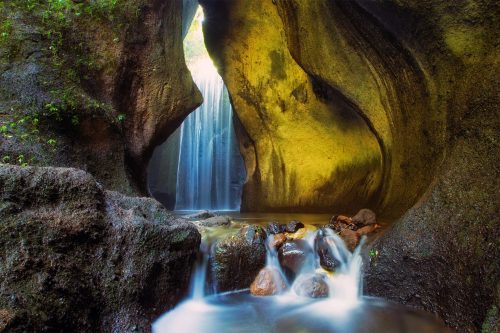
Lapopu Waterfall offers grandeur and accessibility, with wide cascades set within forested surroundings. Tanggedu, by contrast, feels more dramatic and sculptural, with turquoise pools framed by rock walls — but usually requires more effort and time. Both are rewarding; neither should be rushed.
The journey itself is part of the experience. Roads wind through changing landscapes, passing villages, farmland, and open valleys. Expect pauses — for livestock crossings, spontaneous photo stops, or brief conversations. These moments aren’t delays; they’re part of the texture of travel in Sumba.
The afternoon should remain flexible. A late lunch, a quiet rest period, or a short village stop keeps the day balanced. Returning before dark reduces fatigue and preserves energy for the final day.
💡 Insider’s Insight — Best 3-Day Sumba Itinerary for First-Time Visitors
- Balanced blend of culture and nature.
- Minimal driving stress compared to cross-island routes.
Most reliable year-round, regardless of season.
Day 3: Beach or Megalithic Villages
The final day invites a choice based on personal interest rather than obligation.
If you’re drawn to landscapes and stillness, a beach-focused morning offers long stretches of sand, wind-shaped coastlines, and a sense of space that’s increasingly rare elsewhere in Indonesia. These beaches are not about facilities or crowds — they’re about scale and solitude.
Alternatively, culture-focused travellers may prefer exploring additional megalithic villages, each with its own layout, history, and social character. Visiting more than one highlights subtle regional differences and deepens understanding beyond the first impression.
Either option works — what matters is not forcing both into the same day. With a late afternoon return or onward travel, this final experience becomes a closing note rather than a rushed finale.
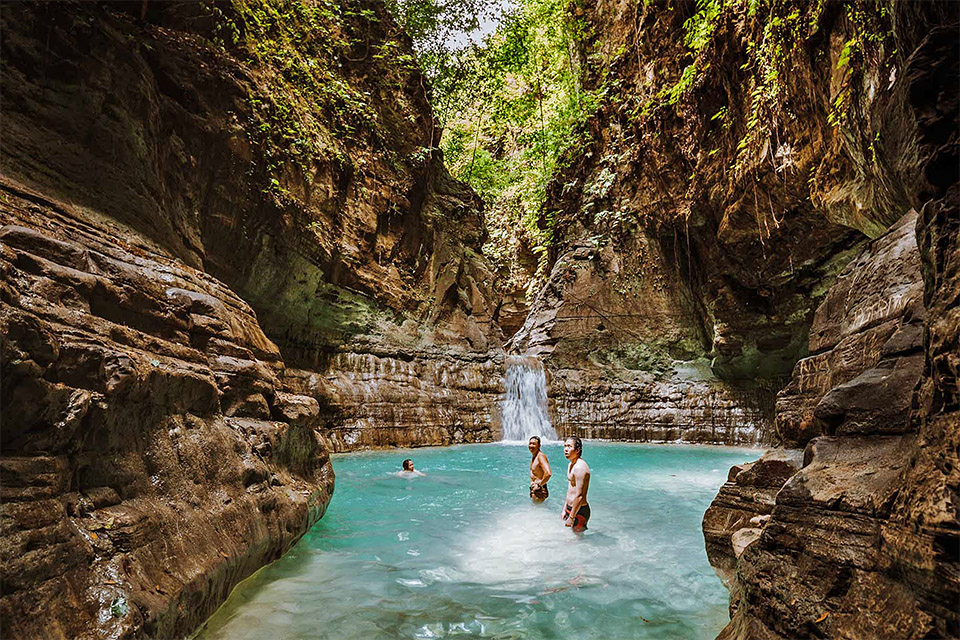
This 3-day Sumba itinerary is designed to leave you feeling oriented, not overwhelmed. It shows you how Sumba works — its distances, rhythms, and contrasts — while leaving space for curiosity rather than exhaustion.
If you want this route handled smoothly, with timing, access, and logistics optimised around real conditions, this is exactly why we offer it as a guided experience.
4 Days in Sumba: Culture Meets Landscape
Four days in Sumba is where the island begins to unfold rather than simply introduce itself. With 4 days in Sumba, you’re no longer racing the clock — you’re starting to move with it. This itinerary bridges West Sumba’s cultural heartland with the first hints of the coast in Southwest Sumba, creating a journey that feels layered instead of linear.
This Sumba itinerary is especially well-suited for couples and culture-focused travellers who value atmosphere, storytelling, and landscape transitions over ticking off landmarks. The route is deliberate: culture first, nature second, ocean last. By the time you reach the beach, you’ve earned the stillness.
Four days is when Sumba stops feeling like a destination and starts feeling like a rhythm.
Day 1: Arrival + Cultural Grounding in West Sumba
Arrival day remains intentionally light. After landing in Tambolaka, the focus is not distance but grounding — understanding where you are before moving through it.
The afternoon is ideal for visiting traditional villages in West Sumba, where ancestral houses rise dramatically above stone tombs and daily life continues largely unchanged. These early encounters help contextualize everything that follows: the rituals, the land use, even the road layouts begin to make sense once you understand Sumba’s social structure.
Sunset comes early here, and that’s part of the lesson. Ending the day with a quiet viewpoint or a simple meal near your accommodation sets the tone: unhurried, observant, present.
💡Related reads:
→ Where to Stay in West Sumba
Day 2: Waterfalls and Inland Landscapes
Day two leans fully into nature, but with intention. Rather than chasing multiple stops, the day centers around one major waterfall experience, such as Lapopu or Tanggedu, depending on conditions and interests.
The journey inland reveals Sumba’s green core — forested valleys, river systems, and small agricultural communities. Along the way, spontaneous stops often become highlights: children playing near streams, farmers returning from the fields, horses grazing freely along the road.
This day is physically grounding. Cool water, shaded paths, and slower movement offer contrast to the open heat of the coast you’ll encounter later. By evening, returning to West Sumba for rest keeps the experience balanced rather than exhausting.
💡Related reads:
→ Sumba Waterfalls Guide [coming soon]
Day 3: Transition Day — West Sumba to Southwest Coast
This is the day where the landscape changes — and so does the emotional tone of the trip.
The drive from West Sumba toward the southwest coast is not rushed. It’s designed as a gradual transition rather than a relocation. Hills soften, vegetation thins, and eventually the ocean begins to appear between curves in the road.
Stops along the way may include small villages or quiet viewpoints, but the goal is arrival before sunset. Reaching the coast in time to watch the light shift across an open beach is a defining moment for many travellers. After days of stone, forest, and ritual, the sea feels expansive and calming.
This first beach exposure is not about swimming or activities — it’s about space. Long shorelines, minimal development, and the sound of wind and waves become the evening’s soundtrack.
Day 4: Beach Time & Reflection
The final day slows everything down.
Mornings on Sumba’s southwest coast invite early walks, quiet breakfasts, and unstructured time. This is where couples, in particular, feel the payoff of the itinerary: fewer hours in the car, more moments simply being present.
Depending on your departure time, the day may include a short coastal exploration, a scenic drive, or simply staying put. There’s no need to add complexity. The value of day four lies in contrast — feeling how different the island becomes once you step away from villages and into open landscapes.
Departing from the southwest or returning toward Tambolaka, the journey feels less like leaving and more like closing a chapter.
💡Related reads:
→ Sumba Beaches Guide [coming soon]
Why This 4-Day Sumba Itinerary Works
This 4 days Sumba itinerary succeeds because it respects sequencing. Culture first, nature second, coast last. Nothing feels forced, and nothing competes for attention.
For travellers who want depth without committing to a full week, this route offers emotional completeness — enough understanding to appreciate Sumba’s uniqueness, and enough restraint to leave something unexplored.
✅ Book our Private 4-5 Days Sumba Island Tour →
It’s not about seeing Sumba in four days.
It’s about feeling it — just long enough for the rhythm to take hold.
5 Days in Sumba: The Most Popular & Most Complete
If there is one Sumba itinerary that consistently delivers depth without fatigue, it’s 5 days in Sumba. This is the point where logistics, landscape, and emotional pacing finally align. You’re no longer choosing between culture or scenery, beaches or villages. With five days, Sumba stops asking you to compromise.
That’s why this route has quietly become the most requested format for first-timers, photographers, and return visitors alike. It offers flexibility without chaos, structure without rigidity — and most importantly, it allows Sumba to reveal itself in layers rather than fragments.
This 5 days Sumba itinerary typically begins in West Sumba, then branches into one of two directions depending on your interests and the season:
- East Sumba for hills, savannas, traditional ikat weaves, and expansive horizons.
- Southwest Sumba for pristine beaches, rolling surf, and slow coastal mornings.
Both variations share the same foundation. What changes is the emotional ending.
The Shared Foundation: Days 1–3 (West Sumba)
Regardless of which variation you choose, the first three days remain similar — and for good reason.
Day 1: Arrival & Cultural Orientation
Arrival in Tambolaka is followed by a gentle introduction to West Sumba’s cultural core. Traditional villages such as Tarung or Praijing provide context before spectacle. You’re not “sightseeing” yet — you’re learning how Sumba works.
The day ends early, often with sunset near your accommodation. Rest matters here.
Day 2: Waterfalls & Inland Landscapes
Day two is dedicated to one major natural highlight that the island has, usually a waterfall depending on seasonal conditions. The focus is depth, not volume. You’ll spend more time walking, observing, and swimming — less time driving.
This is where many travellers start to immerse and say that Sumba starts to feel real.
Day 3: Villages, Megaliths & Transition
The third day deepens the cultural layer: more remote villages, megalithic tombs, and the daily rhythms that exist beyond visitor schedules. By afternoon, the route begins to turn outward — either east or southwest.
At this point, you’re ready to move on. Not because you’ve seen enough, but because you finally understand what you’re leaving behind.
Variation A: Culture + Savanna (East Sumba Route)
This option is ideal for photographers, landscape lovers, and travellers drawn to space and light.
Day 4:
West → East Sumba (Savannas & Ikat)
The drive east is long but rewarding. Hills flatten, trees thin, and Sumba opens up. Rolling savannas replace dense villages, and the sense of scale changes dramatically.
Stops often include Wairinding-style landscapes, ikat weaving villages, and local markets if timing aligns.
This day is visually expansive — fewer stops, longer views, and some of the island’s most iconic photo moments.
Day 5:
Open Landscapes & Slow Departure
The final day in East Sumba is unstructured by design. Sunrise light across grasslands, quiet village interactions, and minimal driving define the experience.
This route doesn’t end with a “wow” moment — it ends with perspective. Many travellers say this version feels contemplative, even cinematic.
Variation B: Culture + Beaches (Southwest Sumba Route)
This option suits couples, honeymooners, and travellers craving contrast after cultural immersion.
Day 4:
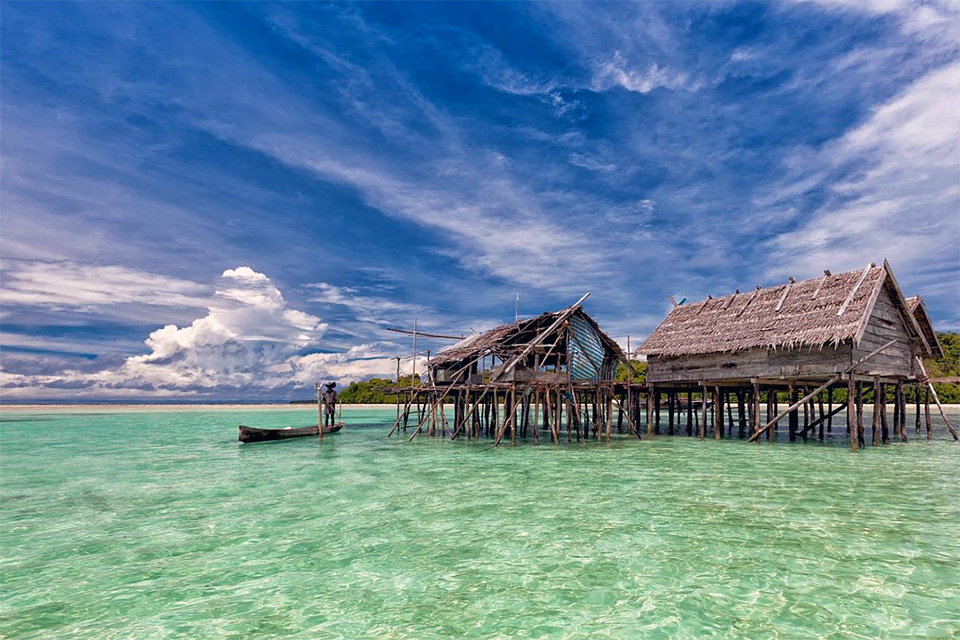
West → Southwest Sumba (First Coastal Arrival)
Leaving West Sumba behind, the road leads toward the coast. The cultural density thins, the air changes, and the ocean begins to dominate the horizon.
Arrival is timed for afternoon light — when beaches are quiet, shadows stretch long, and the pace naturally slows. Perfect time for the island’s most captivating sunsets, best light for photographers.
Day 5:
Beach Time, Not Beach Hopping
Rather than rushing between beaches, this day stays intentionally local. Walks, swims, rest, and silence take priority over coverage.
For many, this is where Sumba’s emotional payoff arrives — not through activity, but through stillness.
💡 Insider’s Insight — Best to Explore All the Best Sumba has to Offer
- Enough time to slow down without stretching logistics.
- Fewer compromises between culture, nature, and rest.
- Best distribution of morning and afternoon photo light.
- Allows one meaningful regional transition instead of constant movement.
✅ Book our Private 4-5 Days Sumba Island Tour →
From a planning perspective, five days is where hesitation disappears. Travellers feel confident they’ll see “enough,” but not overwhelmed. From an experiential perspective, it’s where Sumba stops feeling demanding and starts feeling generous.
That’s why this format adapts perfectly to private tours — pacing can shift, routes can adjust, and experiences can deepen without breaking the structure.
✅ This is our most-booked private Sumba itinerary.
If you want to experience Sumba fully — without rushing, guessing, or missing the moments that matter — five days isn’t just popular.
It’s popular because it works.
6–7 Days in Sumba: Photographer’s Route
If Sumba rewards patience, then 6–7 days is where photographers truly begin to collect images that feel like Sumba — not just images of Sumba. This is not a checklist itinerary. It’s a Sumba photography itinerary built around light, distance, and the realities of moving slowly through an island that does not bend to schedules.
Unlike shorter routes, this journey embraces movement across regions: West → East → Southwest Sumba. Each leg offers a different visual language — and together, they tell a complete story.
This route is also one of the most demanding logistically. Early starts, long drives, weather dependence, and cultural sensitivity all come into play. But for photographers — especially landscape, documentary, and travel storytellers — this is where Sumba becomes extraordinary.
✅ Book our Private 6-7 Days Sumba Island Tour →
Days 1–2: West Sumba — Culture, Texture & Human Rhythm
The journey begins in West Sumba, where visual storytelling starts with people, not landscapes.
Here, photography focuses on:
Traditional villages with towering thatched roofs.
Megalithic tombs embedded into daily life.
Subtle rituals, gestures, and architectural details.
Days 3–4: East Sumba — Savannas, Horses & Sunrise Drama
East Sumba is the visual counterpoint to the west. Space replaces density. Sky replaces structure.
Wairinding Sunrise
One of the most iconic things to do in Sumba for photographers is catching sunrise at Wairinding. The rolling savannas, morning mist, and shifting light produce entirely different compositions each day — which is why this itinerary intentionally includes flexibility here.
Photographic highlights include:
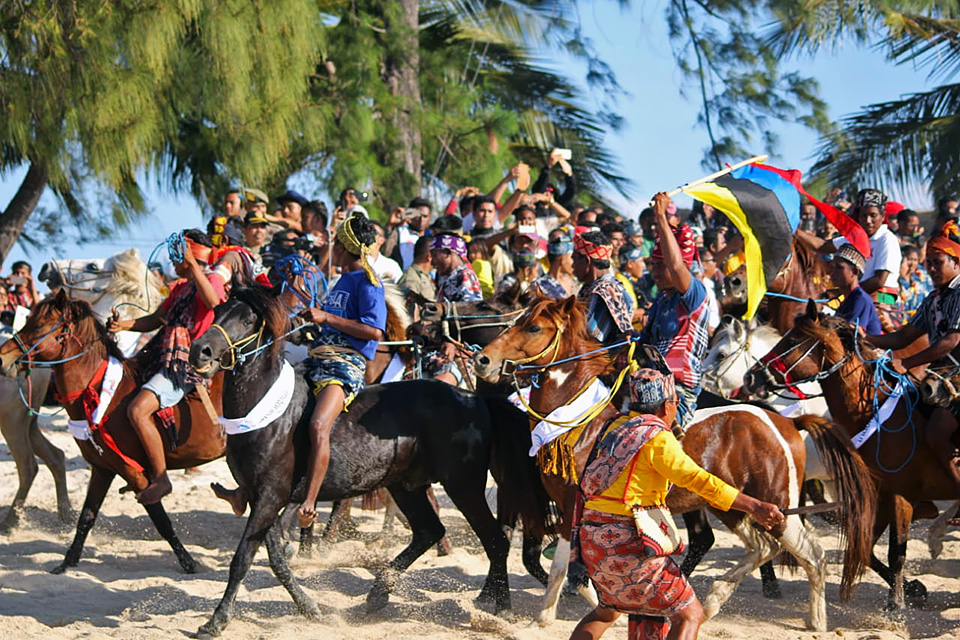
- Horses crossing ridgelines at dawn.
- Lone trees against vast skies.
- Grasslands transitioning from green to yellow to gold by season.
Midday is slower: scouting, resting, and waiting for light. Afternoons often focus on:
- Ikat villages.
- Portraits (with permission).
- Market scenes when timing aligns.
East Sumba teaches restraint. The best images come to those who wait.
Day 5:
Transitional Landscapes — The In-Between Sumba
One of the most overlooked photographic assets of Sumba is what lies between destinations.
This day is deliberately fluid. Roads cut through changing ecosystems, villages thin out, and the island begins to tilt toward the sea. For photographers, this is a day of unexpected frames:
- Roadside scenes.
- Daily life in motion.
- Landscapes that don’t appear on maps.
There is less “planning” here — and more seeing.
Days 6–7:
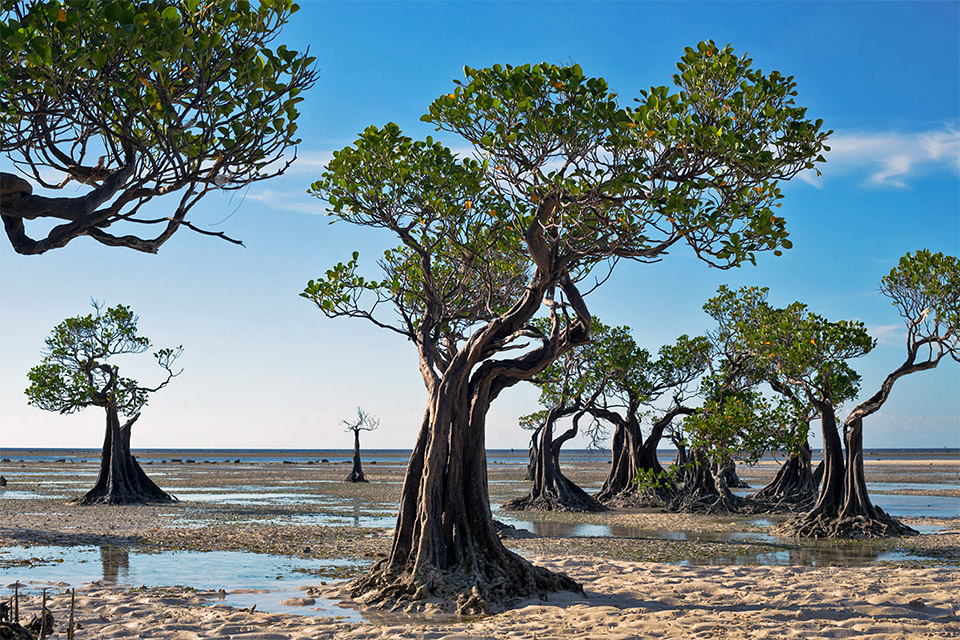
Southwest Sumba — Mangroves, Beaches & Quiet Endings
The final stretch reaches Southwest Sumba, where photography shifts again — from drama to stillness.
Here, the focus becomes:
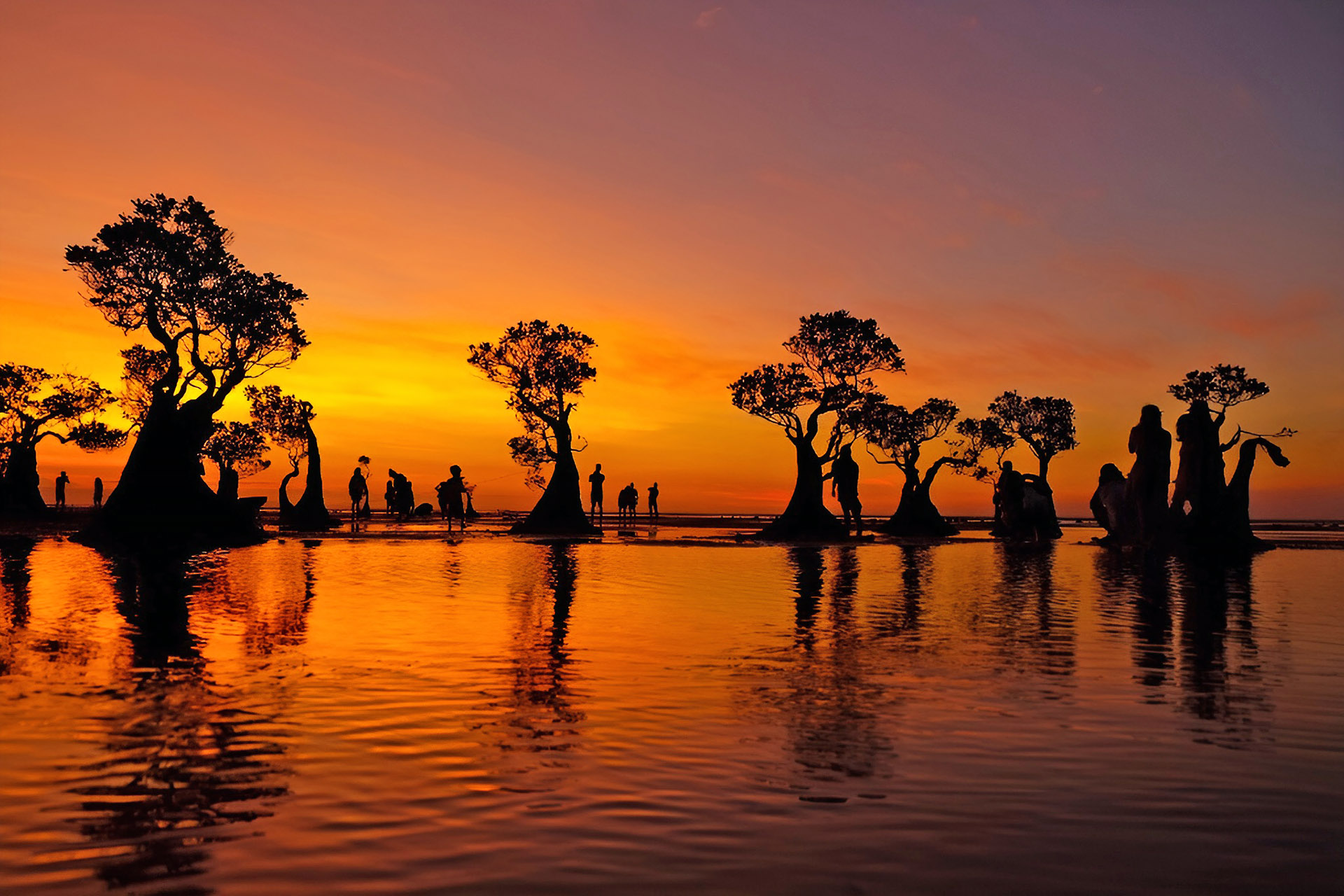
- Mangrove silhouettes at low tide.
- Empty beaches with layered horizons.
- Sunset light rather than sunrise urgency.
Unlike East Sumba, this region encourages slower mornings and longer evenings. Photographers often describe this section as the emotional exhale of the journey.
Images here are less about spectacle and more about mood — a fitting conclusion to a long visual arc.
💡 Insider’s Tips — For the Best Shots of Sumba
- Stay near sunrise locations instead of commuting in the dark.
- Always ask before photographing rituals or people.
- Build buffer days — weather and ceremonies don’t follow plans.
- Accept missed shots; patience yields better ones.
Why This Route Works for Serious Photography
This Sumba photography itinerary is not efficient — and that’s precisely why it works. It allows photographers to:
- Return to locations under different light.
- React to seasonal changes.
- Balance landscapes with human stories.
It also demands humility. Not every ritual appears. Not every sunrise performs. But the images that do emerge feel earned — not staged. If you’re planning around light, season, and distance, we strongly recommend reviewing Best Time to Visit Sumba before locking dates. This route changes dramatically between dry and wet months.
✅ For photographers who want more than postcards — who want sequences, stories, and silence — 6–7 days in Sumba isn’t extra time 👉 Photography Spots in Sumba [available soon]
It’s the minimum required to do the island justice.
Choosing the Right Sumba Itinerary for You
With so many ways to experience the island, choosing the right Sumba itinerary isn’t about finding the “best” route — it’s about choosing the one that matches how you travel, not just how long you stay. Sumba rewards alignment. When expectations, pace, and interests are in sync, the island opens itself naturally. When they aren’t, even a longer trip can feel rushed.
Below is a practical way to match travel profiles with the itineraries that work best — based on real movement, not idealized maps.
First-Time Visitors: Balanced & Forgiving
If this is your first visit, your priority should be orientation, not coverage. Sumba is unfamiliar even to seasoned Indonesia travellers, and trying to “see it all” too early often leads to fatigue.
Best Fit
3–4 day Sumba itinerary → focused on West Sumba, with optional extension to Southwest Sumba.
Why it works:
- Cultural villages and waterfalls are relatively close together.
- Roads are more predictable than cross-island routes.
- Experiences feel diverse without long daily drives.
This itinerary introduces you to Sumba’s rhythm while leaving room for spontaneity — a critical ingredient for first impressions here.
Photographers: Light-Driven, Distance-Aware
For photographers, time alone isn’t enough — light matters more than length of stay. Sunrise and sunset locations are often far apart, and chasing both in one day almost never works.
Best Fit
6–7 day Sumba itinerary → crossing West → East → Southwest Sumba.
Why it works:
- Allows repeated access to sunrise locations like savannas.
- Builds buffer days for weather and rituals.
- Balances people, landscape, and coastal light.
This route is less about ticking locations and more about letting scenes mature in front of the lens.
Families: Simplicity, Comfort & Fewer Moves
Families experience Sumba differently. The island is welcoming, but long drives and constant hotel changes can be exhausting — especially with children.
Best Fit
4–5 day Sumba itinerary → with one main base and short daily excursions.
Why it works:
- Reduces packing and unpacking.
- Keeps daily travel times manageable.
- Allows rest days between activities.
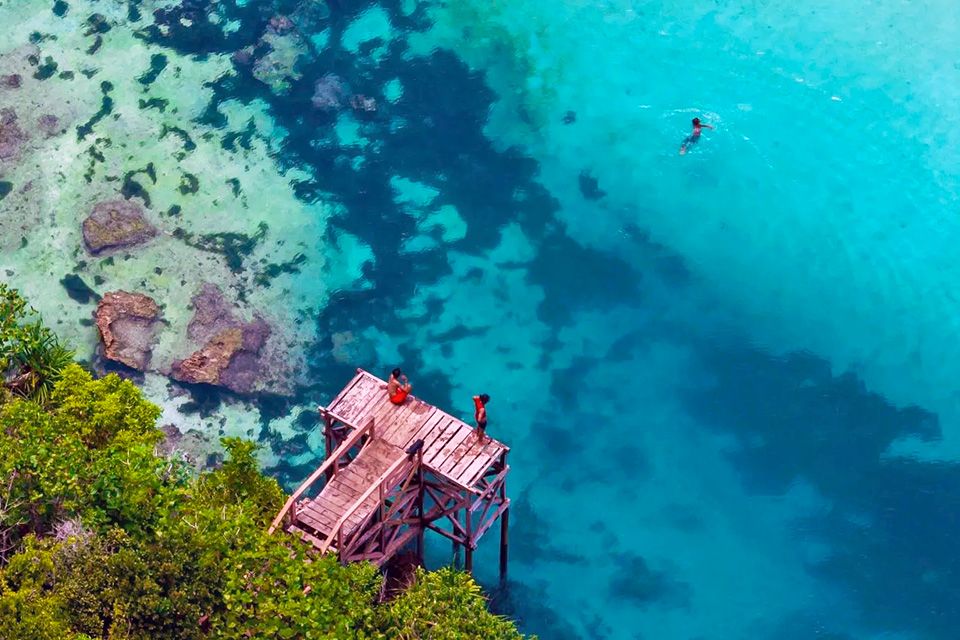
Families often benefit from beach-adjacent stays or culturally rich areas with easy access to nature, rather than cross-island journeys.
Slow Travellers: Depth Over Distance
If your idea of travel includes mornings without alarms and afternoons without destinations, Sumba offers rare rewards — but only if you stay put long enough.
Best Fit
5–7 day Sumba itinerary → focused on one region, with minimal relocation.
Why it works:
- Encourages repeated village visits and deeper conversations.
- Allows landscapes to change around you.
- Reduces road fatigue while increasing connection.
Slow travellers often leave with fewer photos — and far more stories.
A Final Note on Choosing Wisely
The right Sumba itinerary doesn’t try to conquer the island. It listens to it.
Distance, light, culture, and weather all shape what’s possible — and what feels natural. Whether you’re here for a brief introduction or a deep visual journey, choosing an itinerary that respects your travel style is the single most important decision you’ll make.
When your route fits you, Sumba stops feeling challenging — and starts feeling generous.
Self-Drive vs Private Tour: What These Itineraries Assume
Every Sumba itinerary starts with the same practical question: Should you drive yourself, or travel with a driver-guide? On paper, both options exist. On the ground, they lead to very different experiences — and that difference is exactly why the itineraries in this guide are designed with private tours in mind, even when they remain flexible enough for confident self-drivers.
This isn’t about convenience alone. It’s about how Sumba actually works.
The Reality of Self-Driving in Sumba
Self-driving appeals to independent travellers, and it can work — especially for short stays focused on a single region. But it comes with realities that don’t always show up in planning guides.
Roads change quickly here. A route that looks smooth on a map may turn into broken asphalt, livestock crossings, or unmarked detours within minutes. Signage is limited, fuel stations are sparse outside main towns, and mobile reception fades fast once you leave urban areas.
Driving also demands attention. Narrow roads, wandering horses, and sudden village activity mean you’re constantly alert — which leaves less mental space to absorb what you’re actually passing through.
For travellers who enjoy problem-solving and have time buffers built in, self-drive can be rewarding.
For anyone trying to follow a tight Sumba itinerary, it can quietly add pressure.
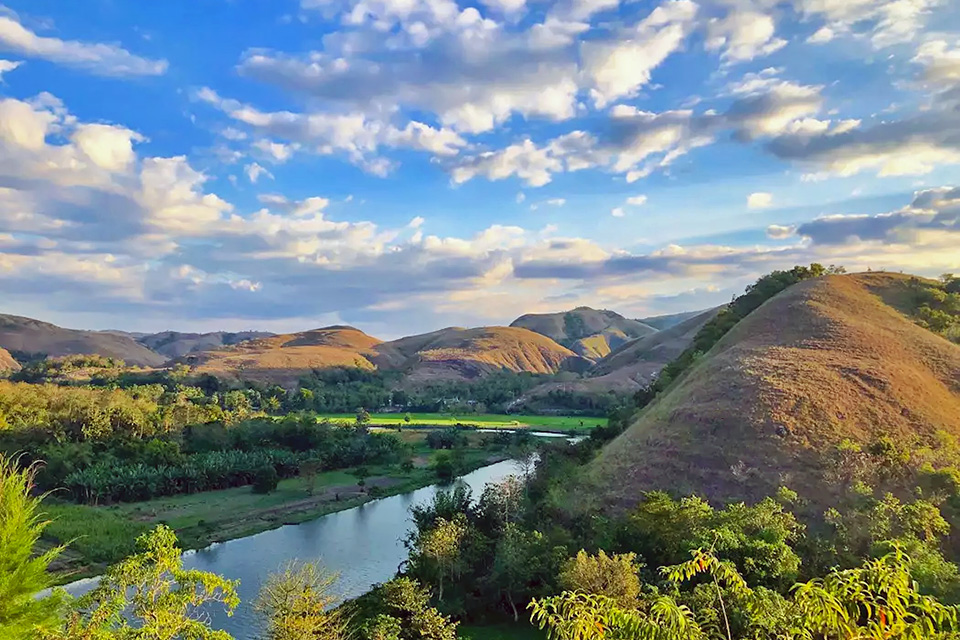
Sumba Itineraries Assume a Driver-Guide
A Sumba private tour isn’t just about having someone behind the wheel. It changes the entire rhythm of the trip.
Driver-guides read the island in ways visitors can’t yet. They know which roads flood first, which villages are holding ceremonies, which waterfalls are safest after rain, and where sunset actually works today, not just in theory.
They also act as cultural translators. In villages where introductions matter and rituals shift daily life, arriving with a local guide turns curiosity into welcome.
Most importantly, a driver-guide gives you back time and attention — two things Sumba rewards generously.
What These Itineraries Are Built For
The routes in this guide assume:
- Flexible departure times.
- Adjustments based on weather, ceremonies, and road conditions.
- A pace that prioritizes experience over efficiency.
That doesn’t exclude self-drivers — but it does explain why these itineraries work best when logistics fade into the background.
Choosing What Works for You
If your trip is short, multi-regional, or photography-focused, a private tour removes friction and unlocks access. If your trip is slow, localized, and exploratory, self-drive may suit your style — with realistic expectations.
Either way, clarity matters.
All routes above are available as private, customisable Sumba tours — designed to follow these itineraries without forcing them.
In Sumba, how you move shapes what you see. Choose the approach that lets the island do the talking.
Let the Route Do the Work
By the time you reach this point, one thing should be clear: a Sumba itinerary isn’t about squeezing in as many stops as possible. It’s about choosing a route that lets the island unfold at its own pace — without forcing it into a schedule it never agreed to.
Sumba rewards patience. Distances are long, light changes everything, and the best moments rarely happen on cue. A waterfall looks different after rain. A village feels different on ceremony days. A beach feels entirely different at low tide versus sunset. The smartest itineraries don’t fight these variables — they work with them.
That’s why the routes in this guide are designed around flow rather than checklists. They prioritise where you sleep, when you arrive, and how you move between places — not just what you see. When done right, the journey itself becomes one of the most meaningful things to do in Sumba.
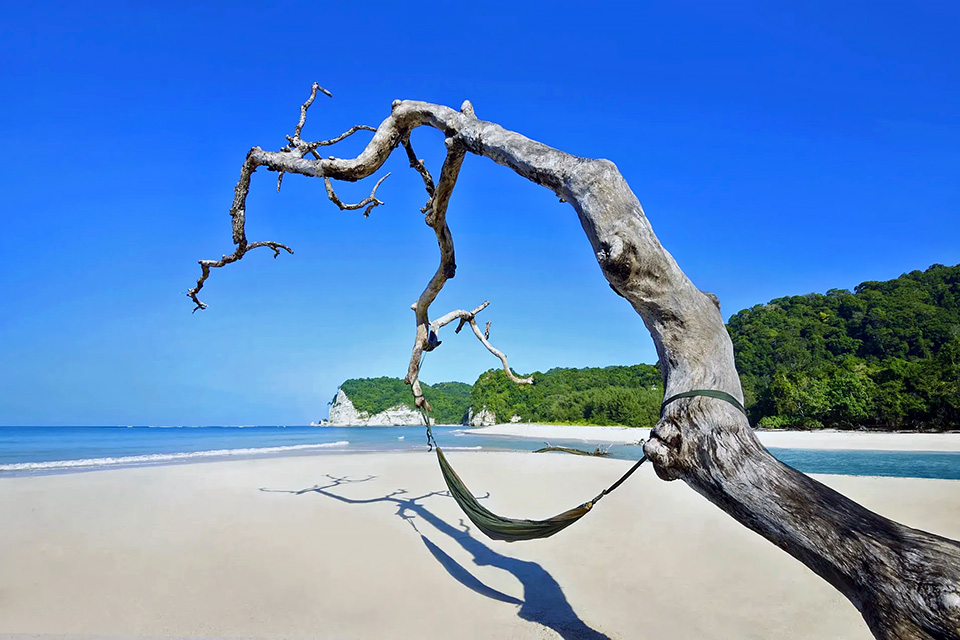
Whether you choose two days or seven, West Sumba alone or a cross-island journey, the goal stays the same: reduce friction, create breathing room, and let moments find you. This is how Sumba shifts from a destination on a map into an experience that lingers.
If planning still feels overwhelming, that’s not a failure — it’s a sign you’re respecting the island. These itineraries are built to work as self-drive blueprints, but they come alive when handled as private journeys, adjusted in real time by people who know Sumba intimately.
In Sumba, a good itinerary doesn’t move faster — it moves smarter.
💡 Insider’s Tips — Where to Go Next
- Book Sumba tours based on itinerary, private and customisable.
- Explore the Sumba Travel Guide for deeper destination context.
- Find the right base in Where to Stay in Sumba.
- Plan around seasons with Best Time to Visit Sumba.
Let the route do the work — and let Sumba reveal itself along the way.
FAQ
How many days do you need in Sumba?
Most travellers need at least 3 to 5 days in Sumba to experience the island properly. A 2-day Sumba itinerary works only as a brief introduction or transit extension, while 5 days in Sumba is widely considered the sweet spot — allowing time for traditional villages, waterfalls, landscapes, and beaches without rushing. Longer stays of 6–7 days are ideal for photographers, slow travellers, or those crossing from West to East Sumba.
Is 2 days in Sumba worth it?
Yes — but only with the right expectations. A 2 days in Sumba itinerary gives you a taste of West Sumba’s culture and landscapes, typically focusing on traditional villages and either a waterfall or a beach. What you won’t see are East Sumba’s savannas, long road journeys, or slow village life. For short stays, this route works best as a guided or private tour to minimise travel friction.
What is the best Sumba itinerary for first-time visitors?
For first-timers, a 3-day Sumba itinerary focused on West Sumba is the most reliable choice. It balances culture, nature, and manageable drive times, with highlights such as traditional villages, waterfalls, and coastal viewpoints. This route works year-round and offers the clearest introduction to things to do in Sumba without overwhelming logistics.
Should I stay in one place or move hotels during my Sumba trip?
Changing accommodation is often the smarter choice in Sumba. Distances between regions are longer than they appear, and staying in one location can limit access to attractions. For trips longer than 3 days, many Sumba itineraries work best with 2–3 accommodation bases, especially when combining West Sumba with East or Southwest Sumba.
Is it possible to self-drive in Sumba?
Self-driving in Sumba is possible but challenging. Road conditions vary, signage is limited, and travel times are unpredictable. Most Sumba itineraries assume a driver-guide to allow flexibility around weather, ceremonies, and sunset timing. For short or multi-region trips, a Sumba private tour significantly reduces stress and maximises experience.
What’s the best time of year to follow these Sumba itineraries?
The best time to visit Sumba is generally during the dry season (May to October), when roads are easier, landscapes are dramatic, and travel is more predictable. The wet season (November to April) offers lush scenery and waterfalls but requires more flexibility. These itineraries are designed to work year-round, with adjustments based on season and conditions.
Can I combine East Sumba and West Sumba in one trip?
Yes, but timing matters. Combining East and West Sumba works best with 5 days or more, as the drive between regions is long and scenic. Shorter trips should focus on one area. For photography or landscape-focused journeys, East Sumba’s savannas pair beautifully with West Sumba’s cultural depth — when paced correctly.
How many nights should I stay in Sumba?
A meaningful Sumba experience typically requires at least 5 to 7 nights. Shorter stays limit exploration due to travel times between attractions. Travellers with more time — 8 to 10 nights — can comfortably explore multiple regions while maintaining a slow pace, which aligns well with Sumba’s rhythm.
Are these Sumba itineraries suitable for families?
They can be, with the right planning. Families travelling with children usually benefit from shorter daily drives, fewer hotel changes, and private transport. A customised Sumba itinerary allows flexibility around breaks, meals, and activity intensity, making the island more accessible for family travel.
Do these itineraries include beaches and waterfalls?
Yes — but not all in the same day. One of the key principles of planning a Sumba itinerary is choosing between experiences rather than rushing through them. Waterfalls, beaches, villages, and savannas are often separated by long drives. These routes are designed to prioritise quality time at each location.
Can I book these itineraries as private tours?
All itineraries in this guide can be followed independently or booked as private, customisable Sumba tours. Private tours allow real-time adjustments based on weather, ceremonies, and personal interests — making them especially valuable in Sumba, where conditions change daily.
Is Sumba suitable for photographers?
Absolutely. Sumba is one of Indonesia’s most visually striking islands, with dramatic landscapes, strong cultural identity, and changing light. A 6–7 day Sumba photography itinerary offers the best balance of sunrise, sunset, and cultural moments without rushing between locations.
What makes Sumba different from other Indonesian destinations?
Unlike Bali or Lombok, Sumba is not built around convenience. Travel is slower, infrastructure is lighter, and culture remains deeply rooted in daily life. A well-planned Sumba itinerary respects these differences — and that’s exactly what turns a trip into an experience.