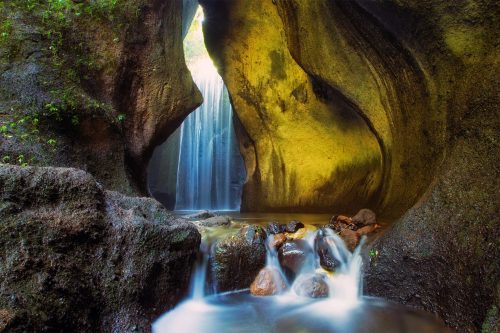
There are beaches you visit for a swim.
And then there are coastlines that change how you look at the ocean.
Nihiwatu belongs to the second.
This is not where you enter the water — this is where you stand still and feel its power.
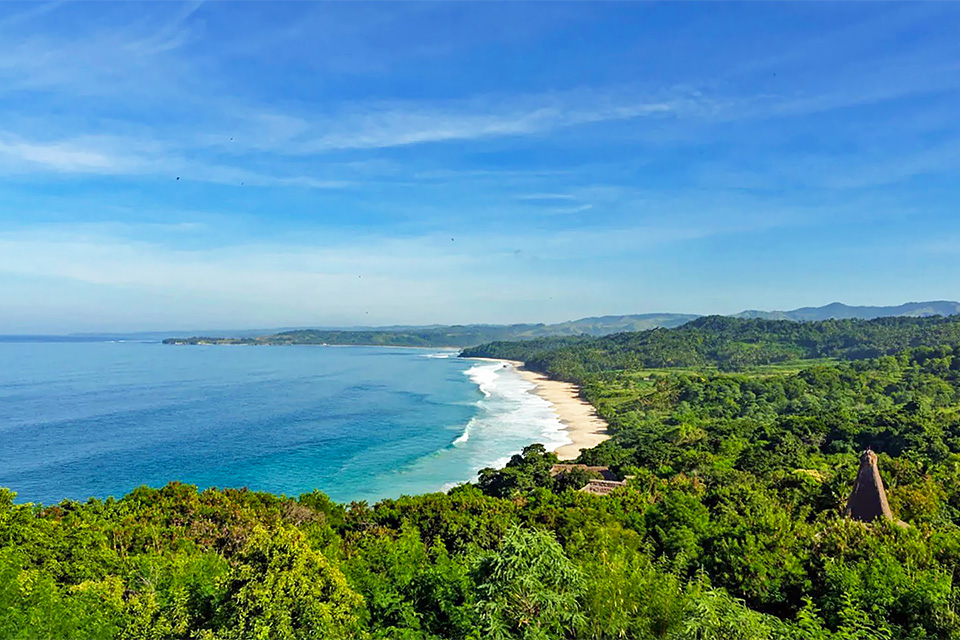
Set along the wild western edge of Nihiwatu BeachNihiwatu Beach stretches wide and uninterrupted — a place where the horizon feels endless and the rhythm of the waves becomes the experience itself. Unlike the enclosed cove Mandorak Beach, Nihiwatu is open, exposed, and expansive.
- Long, rolling waves shaped by the Indian Ocean.
- Vast shoreline with minimal human presence.
- A sense of scale that feels both grounding and humbling.
This is not a curated destination.
It’s a living coastline.
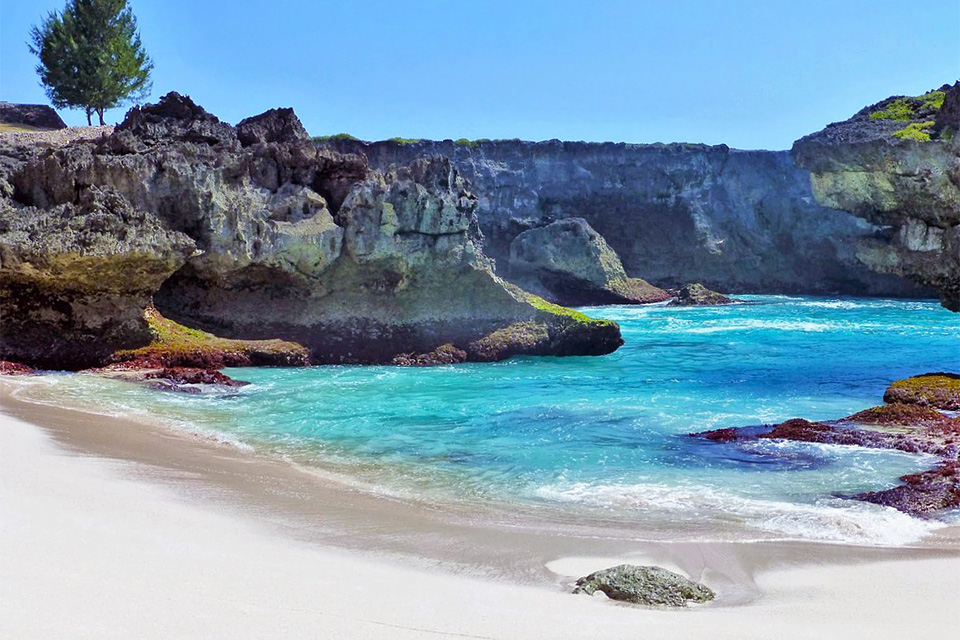

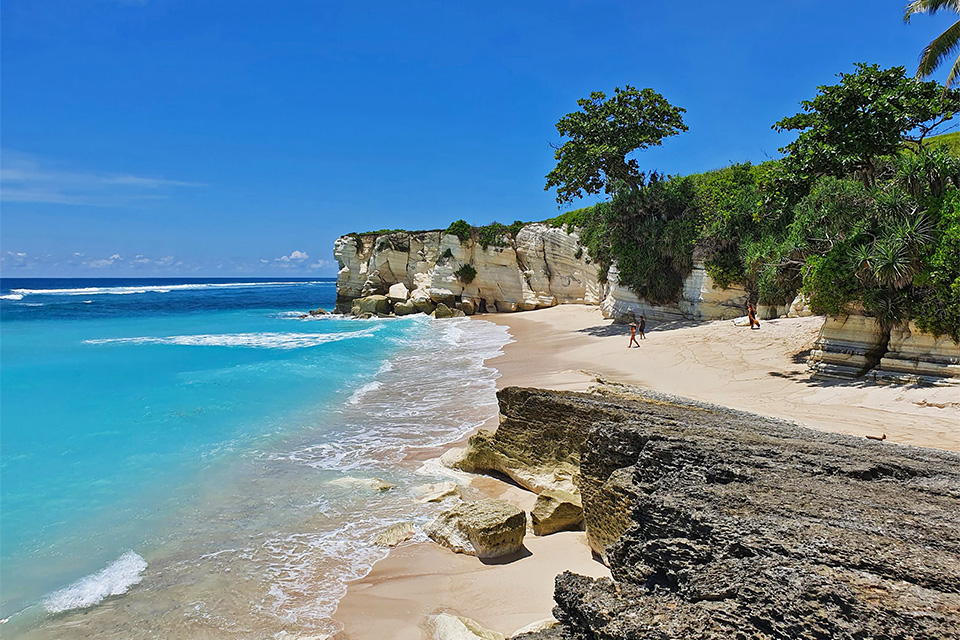
What Makes Nihiwatu Different
- Expansive, open shoreline instead of enclosed bays.
- Powerful ocean energy known for world-class surf.
- Minimal development, preserving its raw character.
- Best experienced through presence, not activity.
At Nihiwatu, the ocean isn’t something you approach — it’s something you stand before.
 Insider's Insight: Quick Facts About Nihiwatu Beach
 Insider's Insight: Quick Facts About Nihiwatu Beach
- Nihiwatu is often associated with Nihi Sumba, but the coastline itself is the true highlight.
- Best enjoyed during early morning or late afternoon light.
- Its association to Nihi Sumba makes all areas publicly accessible — plan accordingly.
- Ideal for walking, observing, and taking in the scale of the ocean.
💡Related reads:
👉 Discover what makes this coastline one of West Sumba’s most iconic experiences — and how to experience it meaningfully.
Where the Ocean Defines the Experience
Some places invite you in.
Others ask you to keep your distance.
Nihiwatu is the latter.
This is not a beach you arrive at — it’s a coastline you stand before.
Along the western edge of Sumba, the land opens into something vast and uninterrupted — a long stretch of sand where the Indian Ocean meets the island with force, rhythm, and precision.
Nihiwatu Beach
Unlike the enclosed, dramatic Mandorak Beach, Nihiwatu feels expansive.
- The expansive horizon stretches endlessly.
- The waves roll in and out with consistency.
- The space feels open, almost elemental.
There are no cliffs enclosing you, no narrow frame focusing your view.
Instead, there is scale.
At Nihiwatu, nothing is contained — everything is exposed.
A Coastline Known for Its Energy
Nihiwatu is not defined by stillness. It’s defined by movement. The waves here are not incidental — they are the reason this place became known beyond Sumba.
- Long, powerful swells.
- Rhythmic, continuous breaks.
- A presence that is both beautiful and commanding.
Even if you don’t surf, you feel it.
Standing on the shore, you begin to understand: This is a place shaped by the ocean — not adapted for it.
A Different Kind of Beauty
Where some beaches invite you to swim, Nihiwatu invites you to observe.
- The changing patterns of waves.
- The shifting light across the water.
- The contrast between land and sea.
It’s less about entering the water — and more about being present with it.
Here, the ocean is not something you escape into — it’s something you witness.
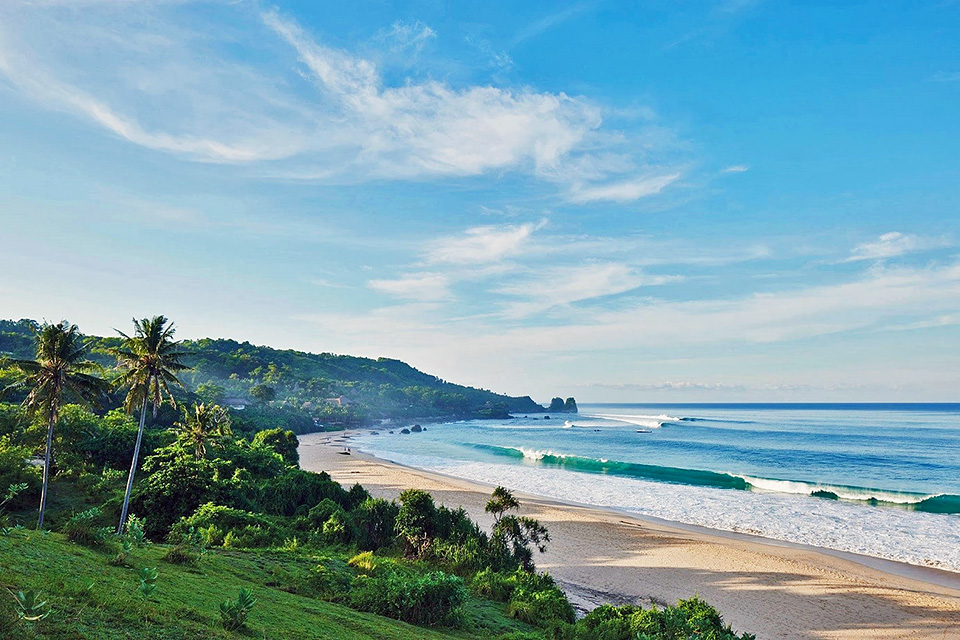
Quiet, But Not Gentle
There is a quietness to Nihiwatu — but it’s not the same quiet you find in lagoons or sheltered bays.It’s a wide, open quiet.
- Fewer people.
- Minimal development.
- Uninterrupted sound of the ocean.
Yet within that quiet is constant motion. The waves never fully stop. The wind never fully disappears.
It’s quiet — but never still.
Insider's Insight: The Power Behind Its Stillness
- Nihiwatu is best experienced as an extended coastline stay, not just a beach stop.
- Swimming conditions can vary significantly — always assess before entering.
- The energy here is different from calmer spots like lagoons.
- Best enjoyed through observation, walking, and taking in the scale.
- Often associated with the Nihi Sumba, a luxury resort on the beach, helped bring global attention to the area.
Nihiwatu is not about what you do — it’s about what you feel when you stand there.
This is where West Sumba reveals another side of itself —
not enclosed, not gentle, but open, powerful, and deeply connected to the ocean.
Where is Nihiwatu Located?
Some places are easy to find on a map. Others feel deliberately set apart — as if distance is part of the experience. Nihiwatu is one of them.
Getting there is not just a journey — it’s part of understanding where you are.
A Remote Stretch of West Sumba’s Coast
Nihiwatu Beach sits along the southwestern coast of West Sumba, facing directly into the open Indian Ocean. It is not near a town center. It is not surrounded by clusters of attractions. Instead, it exists in a quieter, more isolated part of the island — where the land gradually gives way to the sea.
Nearby, you’ll find the presence of Nihi Sumba, which occupies a portion of this coastline and has helped bring global attention to the area. But beyond that, the surroundings remain largely undeveloped.
How Far Is It from Tambolaka?
Most journeys begin in Tambolaka — the main entry point to West Sumba.
From Tambolaka:
- The distance takes approximately 1.5 to 2 hours by car.
- Roads transition from main routes to smaller, quieter paths.
- The landscape shifts from open inland areas to coastal terrain.
The drive itself sets the tone.
You move away from movement and into stillness.
From access into distance.
The closer you get, the more the world seems to fall away.

Not a Pass-Through Destination
Unlike places such as Mandorak Beach or Weekuri Lagoon, which are often visited as part of a continuous coastal route, Nihiwatu feels more separate.
It is not always included in the same flow.
- Access can be more limited.
- The route is less direct.
- The experience is less about “stopping by”.
Instead, visiting Nihiwatu often requires intent. You don’t just pass through — you choose to go there.
A Different Position on the Map
Because of its location, Nihiwatu represents a different kind of experience within West Sumba.
- Less integrated into standard routes.
- More aligned with slower, more deliberate travel.
- Defined by its distance as much as its landscape.
This separation is part of what preserves its character.
It’s not far in distance — but it feels far in experience.
Insider's Tips: Traveling the Distance Effectively
- Plan around 1.5–2 hours extended yet scenic travel time from Tambolaka.
- Access to certain areas may be restricted due to resort boundaries.
- Not typically combined in multiple stops in a day.
- Best approached as a dedicated visit or part of a slower itinerary. Most tourists stay a few days at Nihi Sumba.
- Always check local access conditions before planning your visit.
Where Nihiwatu sits on the map is exactly why it feels the way it does.
Understanding its location helps set expectations — however what truly defines Nihiwatu Beach Sumba you experience once you arrive.
What to Expect When You Visit
Arriving at Nihiwatu is not a moment of discovery — it’s a moment of realization. The road ends quietly. The landscape opens. And suddenly, the ocean is no longer distant — it’s everything in front of you.
There’s no reveal here — only a gradual understanding of scale.
The Landscape
Wide, open, uncontain.
The first thing you notice at Nihiwatu Beach is space.
- A long, uninterrupted stretch of sand.
- Gently rolling contours rather than dramatic cliffs.
- A horizon that feels almost infinite.
Unlike the enclosed, cinematic fram Mandorak Beach, Nihiwatu offers no boundaries. There is nothing to contain the view.
You’re not looking at a scene — you’re standing inside it.
The Ocean
Constant, rythmic, powerful.
The defining presence here is the ocean.
- Steady, rolling swells from the Indian Ocean.
- Waves that break with consistency and force.
- A rhythm that feels almost meditative over time.
This is one of the reasons Nihiwatu is known among surfers — but even without entering the water, you feel its character. It’s not chaotic. It’s deliberate.
The waves don’t rush — they arrive.
The Experience — Observation Over Activity
Nihiwatu is not designed for constant movement. There are no clusters of activities. No structured paths or crowded viewpoints. Instead, the experience becomes simple:
- walking along the shoreline,
- sitting and watching the waves,
- letting time pass without needing to fill it.
Compared to the calm immerse Waikuri Lagoon, this is a different kind of stillness. Not quiet — but focused.
Here, doing less is what allows you to feel more.
The Atmosphere — Quiet, But Alive
Even with its openness, Nihiwatu rarely feels busy.
- Minimal development.
- Limited access points.
- A natural sense of distance from crowds.
But it is not empty.
The wind moves across the sand.
The waves continue their rhythm.
The light shifts across the water.
It’s quiet — but everything is in motion.
Insiders’ Tips: Making the Best Experiece at Nihiwatu Beach
- Nihiwatu Beach is best experienced through slow observation, not activity.
- Swimming conditions can vary — always assess carefully to ensure your safety.
- Ideal for walking long stretches of coastline.
- Unless you stay at Nihi Sumba, bring essentials — facilities are limited outside resort areas.
- Respect access boundaries, especially Nihi Sumba’s resort area.
Nihiwatu is not about what you do when you arrive — it’s about what the place does to you while you’re there.
What you expect from a beach may not apply here — and that’s exactly what makes it different.
Best Time to Visit Nihiwatu
At Nihiwatu, timing doesn’t just change the light — it changes the entire feeling of the coastline. The same stretch of sand can feel calm, dramatic, or almost cinematic depending on when you arrive.
At Nihiwatu, you don’t just choose a date — you choose a mood.
A Coastline That Changes With Light
Because Nihiwatu Beach is open and expansive, it responds strongly to natural light. There are no cliffs to block it. No narrow frames to contain it. Everything is exposed — which makes timing even more important.
Time of Day — When the Coastline Comes Alive
Morning (7:30 – 10:30 AM)
- Softer, more even light.
- Cooler temperatures.
- A quieter, more contemplative atmosphere.
This is when Nihiwatu feels calmest, with gentle contrast and space to take it in slowly.
Midday (11 AM – 3 PM)
- Stronger sunlight.
- Brighter tones across the water.
- More intense heat.
The ocean appears more vivid, but the experience can feel harsher under direct sun.
Late Afternoon (4 – 6 PM)
- Warmer tones.
- Longer shadows.
- More dramatic textures in the waves.
This is when Nihiwatu feels most expressive — with light adding depth to the already powerful landscape.
As the sun lowers, the coastline begins to feel more alive.


Seasonal Rhythm — Dry vs Wet Season
Like the rest of West Sumba, Nihiwatu can be visited year-round — but each season brings a different character.
Dry Season (April – October)
- Clearer skies.
- Stronger contrast between ocean and land.
- More defined wave patterns.
This is when the coastline feels crisp and expansive, with the ocean appearing deep blue under open skies.
Wet Season (November – March)
- More cloud movement.
- Softer, diffused light.
- Shifting tones throughout the day.
The atmosphere becomes more textured and moody, with changing skies adding depth to the experience.
In the wet season, the sky becomes part of the landscape.
Choosing the Right Moment
Unlike calmer destinations like Weekuri Lagoon, where clarity is the highlight, Nihiwatu is about contrast and movement. So the “best time” depends on what you’re drawn to:
- Want clarity and strong color → dry season.
- Want mood and shifting light → wet season.
- Want atmosphere and depth → late afternoon.
Insiders’ Tips: Choosing the Right Time for Maximum Experience
- Morning or afternoon gives the best experience.
- Midday visits can feel intense — prepare adequately, plan accordingly.
- Dry season offers clearer, more defined visuals.
- The wet season brings more dramatic skies and has fewer visitors.
- Allow flexibility — conditions can shift quickly along the coast.
At Nihiwatu, the moment you arrive shapes the memory you take with you.
Choosing when to visit isn’t just about weather — it’s about how you want to experience this powerful stretch of coastline.
Essential Travel Tips
Nihiwatu may look simple on the surface — a long stretch of sand, an open horizon, the ocean rolling in. But experiencing it well requires a bit of awareness. Because this is not a beach designed for convenience. It’s a coastline that asks you to arrive prepared and present.
At Nihiwatu, the fewer assumptions you bring, the better the experience becomes.
Understand Access Before You Go
One of the most important things to know: Nihiwatu Beach is closely associated with Nihi Sumba, which means
- certain areas may have restricted access,
- entry points are not always clearly marked,
- not all sections are freely accessible.
This doesn’t mean you can’t experience the coastline — but it does mean you should plan ahead and respect boundaries.
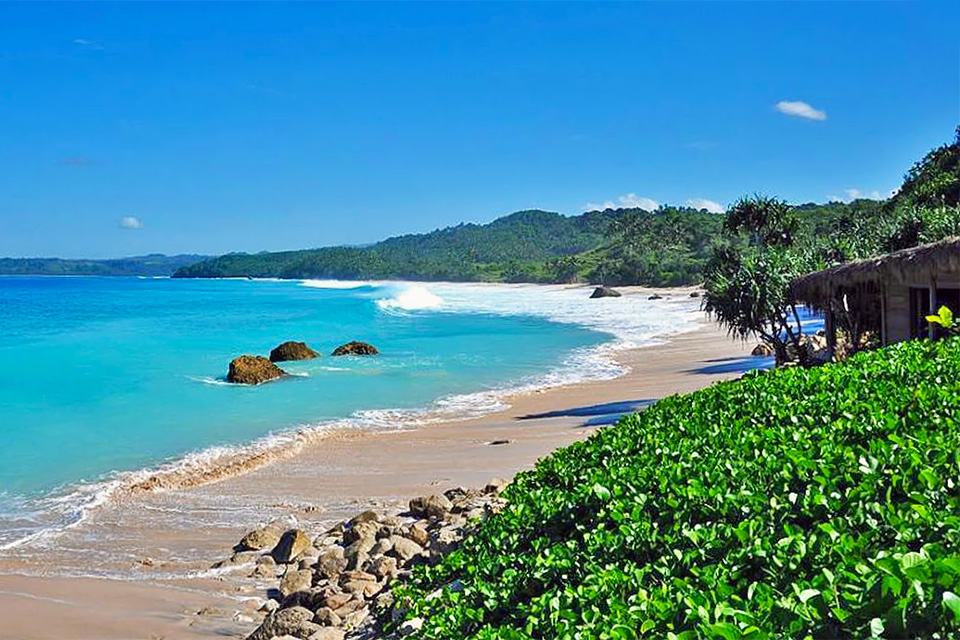
Not a Swimming Beach
The water may look inviting, conditions vary significantly.
- Strong waves.
- Shifting currents.
- No designated swimming zones.
Unlike calmer places such as Weekuri Lagoon, Nihiwatu is not naturally suited for casual swimming.
Here, the ocean is something to respect — not assume.
Come Prepared
Facilities outside the resort areas are minimal. Unless you are staying at the resort, bring what you need:
- Water and light snacks.
- Sun protection (hat, sunscreen).
- Comfortable footwear for walking.
- Camera or phone — you’ll want it.
Once you’re there, the experience is simple — so preparation makes a difference.
Take Your Time
Nihiwatu is not a quick stop. It’s best experienced slowly:
- walk along the shoreline,
- pause without rushing,
- allow the atmosphere to settle.
Trying to “fit it in” between multiple stops often reduces what makes it special.
Respect the Environment
This coastline remains untouched — and that’s part of its value.
- Avoid leaving any waste.
- Respect local communities and boundaries.
- Keep the space as you found it.
Small actions help preserve the experience for others.
The less you rush Nihiwatu, the more it reveals.
Insiders’ Insight: Preparing Yourself for Nihiwatu Beach
- Check access conditions in advance, especially around Nihi Sumba resort area.
- Stay a few days or Visit during morning or late afternoon for a better experience.
- Bring essentials — facilities are limited.
- Do not assume safe swimming conditions — observe before entering.
- Treat Nihiwatu Beach as a destination to experience, not just a photo stop.
A little preparation doesn’t change the place — it changes how deeply you experience it.
With the right expectations and a bit of preparation, Nihiwatu becomes less about logistics — and more about the feeling of being there.
How Nihiwatu Beach Fits Into a Sumba Itinerary
A visit to Nihiwatu Beach doesn’t naturally sit inside a tight Sumba tours schedule. It resists it. While many places in West Sumba can be linked together into a smooth coastal route, Nihiwatu Beach follows a different rhythm.
You don’t pass through Nihiwatu — you make space for it.
Not Part of the Typical West Sumba Loop
Most first-time routes in West Sumba flow through:
These can be combined efficiently in a single day with careful pacing.
Nihiwatu is different.
- It sits slightly outside this main flow.
- Access is less direct.
- The experience invites more time.
Because of this, Nihiwatu Beach is not typically included as a quick add-on.
A Dedicated Stop — Not a Quick Visit
Only most other attractions in Sumba, to experience Nihiwatu properly, it’s best treated as:
- a half-day experience, or
- part of a slower-paced day with fewer stops.
Trying to combine it with multiple highlights often leads to:
- Rushed time at the coastline.
- Unnecessary backtracking.
- Missing the best light conditions.
Nihiwatu is not about coverage — it’s about presence.
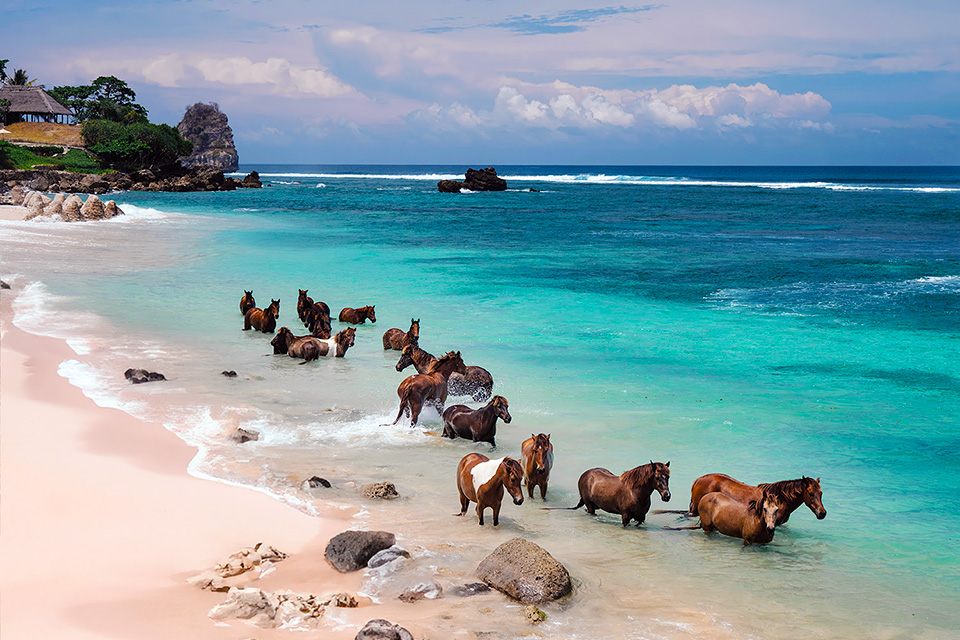
When It Works Best in Your Journey
There are a few ways Nihiwatu naturally fits into a Sumba itinerary:
As a Standalone Coastal Experience
- Depart from Tambolaka.
- Spend focused time at Nihiwatu.
- Return or continue to your next base.
Best for:
- Travelers with flexible schedules.
- Those prioritizing depth over variety.
As Part of a Slower West Sumba Day
Instead of visiting multiple highlights, pair Nihiwatu with:
- Relaxed travel.
- Fewer stops.
- Intentional timing (morning or late afternoon).
This creates a more balanced and immersive day.
When Staying Inthe Area
If you are staying near or within Nihi Sumba:
- Access becomes easier.
- Timing becomes more flexible.
- The experience feels more integrated into your stay.
In this case, Nihiwatu becomes less of a destination — and more of a natural extension of where you are.
A Different Role in the Journey
Within the West Sumba itinerary, Nihiwatu represents something unique.
- Not the most efficient stop.
- Not the most accessible.
- But the most atmospheric and memorable.
It adds contrast to your journey — balancing the calm of Waikuri Lagoon and the intimacy of Mandorak Beach with something more open and powerful.
Insiders’ Insight: Integrating Nihiwatu into Your Sumba Itinerary
 Insiders’ Insight: Integrating Nihiwatu into Your Sumba Itinerary
- Do not try to combine Nihiwatu with too many stops in one day.
- Best as a dedicated or slow-paced visit.
- Works well if you have 2+ days in West Sumba.
- Consider your accommodation location when planning. Best is to stay at Nihi Sumba.
- Prioritize timing and flow over checklist-style Sumba travel itinerary.
Nihiwatu doesn’t fit into your itinerary — your itinerary adjusts to it.
When planned with the right intention, it becomes less about logistics — and more about allowing space for the experience itself.
Be Mindful of the Environment
Mandorak remains largely untouched — and that’s part of its appeal.
- Do not leave any trash behind.
- Avoid climbing fragile rock areas unnecessarily.
- Respect the natural setting.
The beauty of Mandorak lies in how little it has changed.
Managing Your Time
Mandorak is best experienced as a short but intentional stop. Brief but should not be skipped
- Ideal visit duration: 20–45 minutes.
- Enough time to:
- Take in the landscape.
- Observe the ocean.
- Capture the unique framing of the cove.
This helps maintain the rhythm of your day, especially when combined with nearby locations.
Can You Visit Nihiwatu Beach Independently?
The short answer is: yes — but not without limitations.
Nihiwatu is not a typical public beach with clearly marked access and open entry points. It sits within a unique context that shapes how — and whether — you can visit freely.
Nihiwatu is not difficult to reach — but it’s not entirely open either.
Understanding the Access Reality
Nihiwatu Beach is closely connected to Nihi Sumba, which occupies a significant portion of this coastline.
This means:
- Some sections are private or restricted.
- Entry points are limited and not always obvious.
- Access conditions may change over time.
Unlike places such as Weekuri Lagoon or Mandorak Beach, at Nihiwatu Beach you cannot always assume open access.
Visiting Independently — What It Involves
If you plan to visit on your own, expect:
- Navigating less clearly marked routes.
- Identifying appropriate access points.
- Respecting boundaries near resort-managed areas.
You may still be able to experience parts of the coastline — but it requires more awareness and flexibility.
Independent travel here is less about finding the place — and more about understanding where you can go.
Challenges to Be Aware Of
Travelers often underestimate:
- Access restrictions along certain sections.
- Lack of signage indicating entry points.
- Uncertainty around permitted areas.
This can lead to:
- Confusion on arrival.
- Limited time spent at the right location.
- Missing the intended experience.

When Independent Travel Works
Visiting independently can work well if:
- You have local guidance or updated information.
- You are comfortable navigating uncertainty.
- Your schedule allows for flexibility.
In this case, the experience can still be meaningful — just less predictable.
When It Becomes More Challenging
Independent visits can be more difficult if:
- You are on a tight itinerary
- You expect clear access like typical tourist spots
- You are unfamiliar with local conditions.
In these cases, the experience may feel fragmented or incomplete.
A More Seamless Alternative
Because of these factors, many travelers choose to visit Nihiwatu as part of a structured journey or with local support. The even better alternative – which comes at premium price – is to book and stay at Nihi Sumba, in which case the resort will take care all of your needs. This helps with:
- Understanding where access is possible.
- Planning timing effectively.
- Ensuring the visit aligns with the overall route.
Sometimes, the difference is not the destination — but how smoothly you arrive.
💡Insiders’ Tips: On Visiting Nihiwatu Independently
- Do not assume full public access in all areas.
- Check current conditions before planning a visit.
- Allow extra time for navigation and adjustments.
- Respect boundaries especially around Nihi.
- Consider local insight to avoid unnecessary uncertainty.
You can visit Nihiwatu independently — but understanding its limits is part of the journey.
With the right expectations, an independent visit is possible — but how you approach it will shape what you experience.
Most Travelers Visit Nihiwatu with a Structured Tour
By now, it becomes clear that visiting Nihiwatu is not just about reaching a location — it’s about navigating a set of conditions that shape the experience. Access, timing, route, and expectations all play a role. And this is exactly why many travelers choose to experience Nihiwatu Beach through a structured journey — whether arranged by a travel operator or through Nihi Sumba.
At Nihiwatu, the difference is not what you see — but how smoothly everything comes together.
It Starts with Access and Clarity
One of the main challenges of visiting Nihiwatu independently is uncertainty.
- Where to enter.
- Which areas are accessible.
- How to approach the coastline respectfully.
A structured approach removes that friction.
- Access is clarified.
- Boundaries are understood.
- The experience becomes more intentional and seamless.
Timing Makes the Experience
Nihiwatu is highly influenced by light, weather, and ocean conditions. Arriving at the wrong time can mean:
- Harsh midday sun.
- Less atmospheric lighting.
- A more rushed experience.
With local planning, timing is optimized:
- Aligning visiting time with morning calmness or late afternoon depth.
- Adjusting for conditions on the day.
- Allowing enough time to actually experience the place.
At Nihiwatu, timing doesn’t just improve the visit — it defines it.
Local Insight Changes Everything
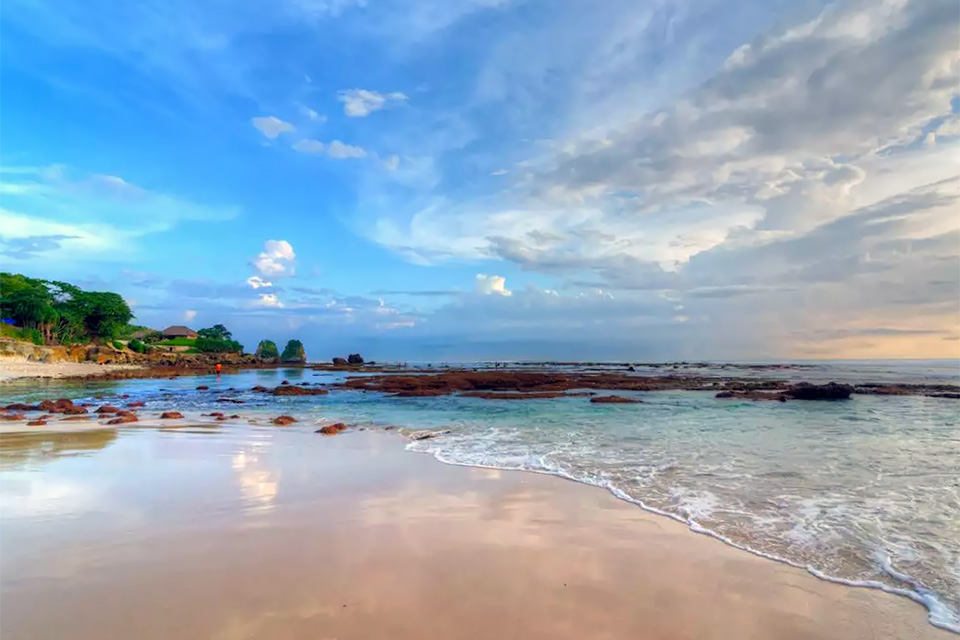
Nihiwatu is not a place with clear signage or standardized access. Local understanding provides:
- Updated knowledge of entry points.
- Awareness of current conditions.
- Sensitivity to local context and boundaries.]
This transforms the experience from uncertain to confident and fluid.
In places like Nihiwatu, local knowledge isn’t a luxury — it’s part of the experience.
Route Efficiency Matters More Than You Think
Because Nihiwatu sits slightly outside the typical West Sumba flow, integrating it into a journey requires thoughtful routing. Without planning, you may encounter:
- Unnecessary backtracking.
- Long transfers for a short visit.
- Fatigue from inefficient sequencing.
A structured journey helps:
- Position Nihiwatu within a logical route.
- Balance it with other experiences.
- Reduce travel strain.
A More Complete Experience
When logistics are handled, something shifts.
You’re no longer:
- Checking routes.
- Second-guessing access.
- Watching the time too closely.
Instead, you can:
- Stay present.
- Move at the right pace.
- Experience the coastline without distraction.
Insiders’ Tips: Peace of Mind Offered by Structured Tour
- Structured visits help navigate access limitations and boundaries.
- Proper timing improves the experience.
- Efficient routing reduces fatigue and unnecessary travel.
- Local insight removes uncertainty and enhances flow.
- Ideal for travelers who prefer ease without compromising depth.
When the journey is well-structured, Nihiwatu becomes what it’s meant to be — not complicated, just powerful.
For many travelers, this approach doesn’t simplify the destination — it allows them to experience it fully, without distraction.
Where the Ocean Stays With You
By the time you leave Nihiwatu, you may realize that very little actually happened.
No long list of activities.
No structured sequence of experiences.
No moment designed to impress.
And yet, something stays.
Nihiwatu is not about what you do — it’s about what remains after you leave.
Beyond the Idea of a Beach
Most beaches invite you to enter. To swim, to relax, to pass time. But Nihiwatu Beach doesn’t follow that pattern. It asks something different:
- To pause.
- To observe.
- To feel the rhythm of something larger than yourself.
The ocean here is not a backdrop — it is the experience.

Mandorak as Part of a Designed Flow
When included in a well-designed itinerary, Mandorak becomes more than a quick photo stop.
A Different Kind of Connection
There’s a subtle shift that happens at Nihiwatu.
You stop trying to fill the time.
You stop looking for the next thing.
Instead, you begin to notice:
- The repetition of waves.
- The changing light across the horizon.
- The quiet sense of distance from everything else.
It’s not dramatic.
But it’s deeply grounding.
In Nihiwatu, the experience is not built — it’s felt.
Not for Everyone — But Meaningful for Some
Nihiwatu is not designed for:
- Quick visits.
- Busy itineraries.
- Expectation-driven travel.
But for those who arrive with openness, it offers something rare:
- Space.
- Presence.
- A connection that feels unforced.
It doesn’t try to impress you — it simply stays with you.
Insiders’ Reflections
- Nihiwatu is best experienced with time and intention, never a quick stop by.
- The value lies in presence, not activity.
- Expect simplicity — and depth within it.
- The experience rewards those who slow down and observe.
Some places you remember for what you did — Nihiwatu is remembered for how it made you feel.
And in that way, it becomes more than just a coastline in West Sumba — it becomes a moment that quietly reshapes how you experience travel itself.
FAQ - Nihiwatu Beach
Even after understanding the atmosphere, access, and positionNihiwatu BeachNihiwatu Beach, there are still practical questions that shape how you experience it. This FAQ is designed not just to answer them — but to help you arrive with clarity and realistic expectations.
Is Nihiwatu Beach the same as Nihi Sumba?
Not exactly — but they are closely connected. Nihiwatu Beach refers to the natural coastline whilst Nihi Sumba is a luxury resort located along this coast. The resort has played a major role in bringing global attention to Nihiwatu, but the beach itself exists beyond the hotel.
👉 However, access to certain areas of the beach may be influenced by the resort’s presence.
Can anyone visit Nihiwatu Beach?
Partially — but not without limitations.
Some sections of the coastline are:
- Restricted.
- Privately managed.
- Not clearly marked for public access.
This makes Nihiwatu different from places like Waikuri Lagoon or Mandorak Beach, which are more openly accessible.
👉 It is possible to visit — but you must:
- Respect boundaries.
- Understand access points.
- Plan ahead.
How do you get to Nihiwatu Beach?
Most travelers begin from Tambolaka.
- Approximately 1.5–2 hours drive.
- Combination of main roads and smaller routes.
- Final approach may require local navigation.
Because signage is limited, having local guidance can significantly improve the experience.
Is Nihiwatu Beach worth visiting?
Yes — especially if you value:
- Raw, expansive coastal landscapes.
- Powerful ocean presence.
- Quieter, less-developed environments.
Nihiwatu offers something very different from calmer locations like Weekuri Lagoon.
👉 It’s less about activity — and more about feeling the scale and rhythm of the ocean.
Can you swim at Nihiwatu Beach?
In general, swimming is not recommended.
Conditions often include:
- Strong waves.
- Shifting currents.
- No designated safe swimming zones.
This is a coastline better suited for:
- Walking.
- Observing.
- Appreciating the ocean.
👉 Always assess conditions carefully before entering the water.
Why is Nihiwatu famous?
Nihiwatu is known for two main reasons:
World-Class Surf Conditions
- Consistent, powerful waves.
- Recognized among experienced surfers.
Association with Nihi Sumba
- Frequently ranked among top luxury resorts globally.
- Helped position Sumba on the international travel map.
Together, these have made Nihiwatu one of the most recognized coastal names in Sumba.
Is Nihiwatu Beach crowded?
No — it is generally quiet.
Because of:
- Limited access.
- Remote location.
- Minimal development.
Even at peak times, it rarely feels crowded.
👉 This is part of what makes the experience feel personal and expansive.
When is the best time to visit Nihiwatu Beach?
Nihiwatu can be visited year-round, but timing affects the experience.
- Dry season (Apr–Oct) → clearer skies, stronger contrast.
- Wet season (Nov–Mar) → softer light, more atmospheric.
Time of day is equally important:
- Morning → calm and quiet.
- Late afternoon → warmer tones and more dramatic light.
👉 Avoid midday if possible due to heat and harsh lighting.
How long should you spend at Nihiwatu?
Typically:
- 1–2 hours for a short visit.
- Half-day for a more immersive experience.
- A few days for slow living especially if you are into surfing.
Because the experience is about presence, rushing through it often reduces its impact.
Can Nihiwatu be combined with other West Sumba attractions?
It can — but with limitations.
Unlike the common route that includes:
Nihiwatu sits slightly outside that flow.
👉 It is best:
- as a dedicated visit, or
- part of a slower-paced day.
Do you need a guide to visit Nihiwatu Beach?
Not strictly — but it is highly recommended.
A guide or structured journey helps with:
- Identifying accessible areas.
- Optimizing timing.
- Navigating routes efficiently.
👉 Especially valuable if:
- You have limited time.
- You want a smoother experience.
- You are unfamiliar with local conditions.
Is Nihiwatu Beach suitable for all travelers?
Not necessarily.
It may not suit travelers who:
- Expect easy access and facilities.
- Prefer calm swimming beaches.
- Want multiple activities in one location.
It is ideal for those who:
- Appreciate raw landscapes.
- Enjoy slower, more reflective travel.
- Value atmosphere over activity.
What should you bring when visiting Nihiwatu?
Since facilities are limited, bring:
- Water and light snacks.
- Sun protection (hat, sunscreen).
- Comfortable footwear.
- Camera or phone.
👉 Preparation enhances the experience, as the location itself remains simple.
Insider’s Final Tip
- The biggest mistake is expecting Nihiwatu to behave like a typical beach.
- Approach it with openness, patience, and fewer expectations.
- The reward is not in what you do — but in what you notice while you’re there.
The more you understand Nihiwatu before arriving, the more meaningful the experience becomes once you’re there.