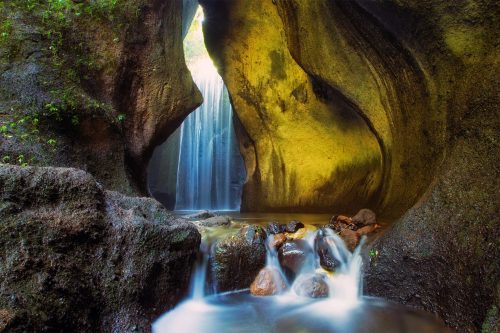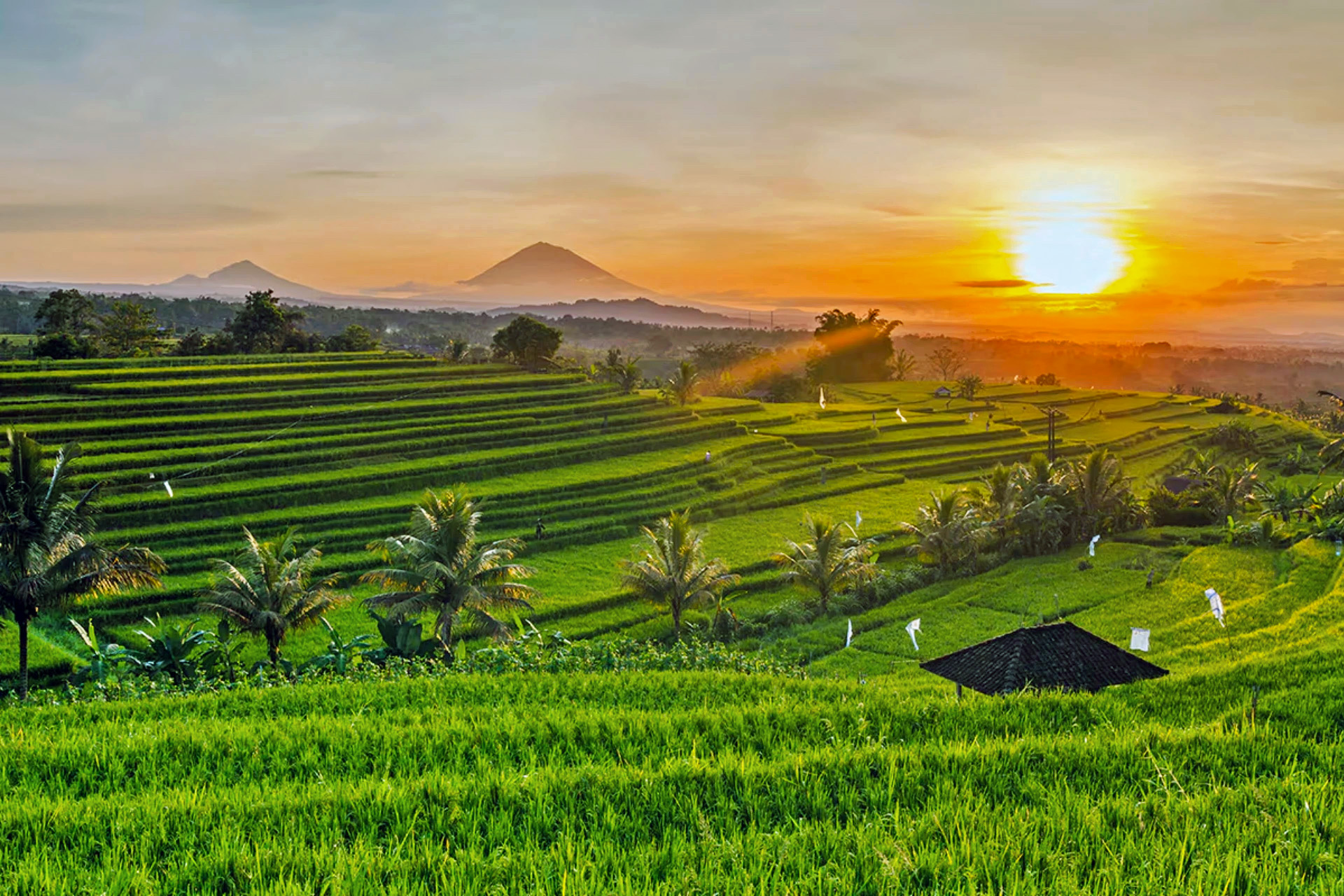
Three days in Ubud is often framed as a compromise. Too short. Not enough time. A preview, at best.
That idea usually comes from the wrong kind of itinerary — the kind measured by how many pins you drop on Google Maps, how many temples you tick off, how many cafés blur into one long afternoon of rushing between places you barely remember.
But Ubud has never been a destination that rewards speed. It’s a place that opens slowly. Not because it hides — but because it waits for you to stop trying to conquer it.
This is why three days in Ubud, when planned with intention, can feel complete rather than compressed. Not exhaustive, not overwhelming — just right. Enough time to sense the rhythm of the mornings, to notice how the light changes in the rice fields, to understand why people speak about Ubud not as a checklist, but as a feeling.

FULL DAY TOUR - ADVENTURE
Starts from Rp. 1,650,000 / pax.


FULL DAY TOUR - CULTURE
Starts from Rp. 835,000 / pax.
👉 Related Reads:
→ Ubud and Central Bali Travel Guide – Culture, Nature & Highlands
→ Ubud Itinerary – 1 Day, 2 Days, or 3 Days?
→ Ubud vs. Canggu – Where Should You Stay in Bali?
→ Best Private Tours from Ubud – Customized Highland Adventures
Three Days That Actually Feel Like Ubud
This guide is designed as a calm, thoughtful Ubud trip planner — not an endurance test. It’s written for travelers who want to experience Ubud, not race through it. For those who understand that a good itinerary doesn’t try to do everything, but chooses what matters.
Over the next three days, the journey unfolds around three simple themes — the same themes that have quietly defined Ubud for generations.
Nature. Culture. Adventure — at Your Own Pace.
Nature comes first, because Ubud itself grew from the land. Rivers carve through jungle ravines. Rice terraces rise and fall like breathing hills. Morning mist lifts slowly, revealing villages that feel both ancient and alive. Nature here isn’t a backdrop — it’s the setting in which everything else happens. In Ubud, everything else are built on top of nature.
Culture follows, not as a performance, but as daily life. Temples that aren’t landmarks but living spaces. Offerings placed without spectacle. Art, dance, and craft woven into ordinary afternoons. Culture in Ubud doesn’t demand your attention — it invites it. Art and culture in n Ubud are things that locals do anyway, with or without tourists.
Adventure appears last, and gently. This is not about adrenaline for its own sake. It’s about optional intensity — choosing how far you want to push, climb, cycle, or explore. Some travelers lean into waterfalls and white-water rafting. Others are content with a quiet walk through a village path that unexpectedly opens into a valley view. Both choices belong here.
This Ubud itinerary is structured so each day feels distinct, yet connected. Mornings tend to be unhurried. Middays balance exploration and rest. Evenings soften rather than exhaust you. You won’t be rushing from sunrise to midnight — because Ubud is not impressed by urgency.
Importantly, this guide also respects reality. Travelers arrive with different energy levels, different companions, different reasons for being here. Couples, solo travelers, families, first-time visitors to Bali — all need flexibility. So instead of rigid schedules, you’ll find clear structure with breathing room, plus optional paths depending on how curious or adventurous you feel that day.
Think of this not as a fixed plan, but as a well-composed route — one that leaves space for spontaneity without losing direction.
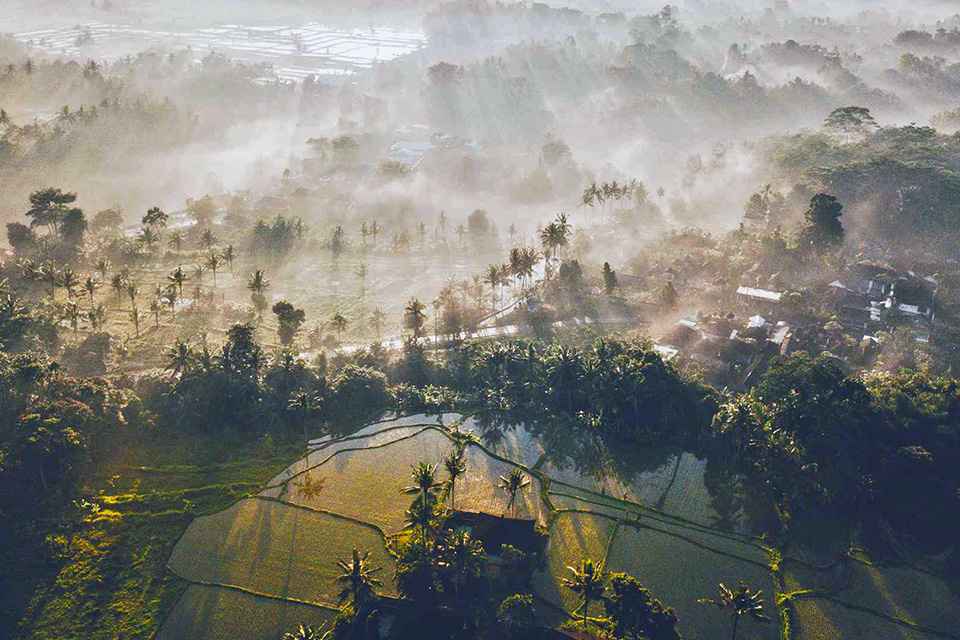
Ubud doesn’t reveal itself by distance covered — but by moments noticed.
By the end of these three days, you may not have seen everything. But you’ll have felt something more valuable: orientation. A sense of how Ubud works, how it moves, how it invites you in rather than overwhelms you.
And that’s the difference between visiting Ubud — and actually being there.
In the sections that follow, we’ll walk through each day step by step: from quiet natural mornings, to cultural encounters that feel grounded rather than staged, to moments of adventure that add texture without tipping into exhaustion.
Three days. Thoughtfully paced. Fully felt.
Welcome to Ubud — done right.
Before You Begin — How to Plan 3 Days in Ubud Wisely
A good Ubud trip planner doesn’t start with attractions.
It starts with decisions that remove friction — where you sleep, how you move, and how you pace your energy. Get these right, and three days in Ubud feels expansive. Get them wrong, and even five days can feel rushed.
Ubud isn’t a city in the conventional sense. It’s a landscape stitched together by villages, valleys, temples, and narrow roads that follow the contours of rice fields rather than logic. Planning it like an urban destination is the fastest way to exhaust yourself.
Where to Stay: Central Ubud vs the Outskirts
Central Ubud is convenient — walkable streets, cafés, yoga studios, galleries, and easy access to landmarks like the Palace and Monkey Forest. If this is your first visit and you enjoy being able to step out and wander, staying centrally reduces decision fatigue.
But the outskirts of Ubud tell a quieter story. Areas like Campuhan, Nyuh Kuning, Penestanan, and Payangan offer space, views, and early-morning stillness. You wake to birds instead of traffic, mist instead of shop signs. The trade-off is movement — you’ll rely more on drivers or planned transport.
There’s no universally “better” choice. A smart Ubud travel guide simply matches location to intention:
- Choose central Ubud for walkability and convenience.
Choose the outskirts for rest, scenery, and deeper calm.
What matters most is minimizing daily transit time. Ubud rewards mornings — not commutes.
Why Mornings Matter in Ubud
If there’s one rule worth building your entire itinerary around, it’s this: Ubud belongs to the morning.
Before 10 a.m., the air is cooler, traffic is lighter, and the land feels unguarded. Rice fields glow instead of glare. Waterfalls are quieter. Villages move at their own pace. By midday, heat rises, roads tighten, and popular spots compress into crowds.
Planning your most meaningful experiences — nature walks, temples, cycling, waterfalls — before lunch changes everything. Afternoons are better kept flexible: rest, café stops, spa time, or slow cultural encounters. Evenings belong to reflection, not recovery.
Three days in Ubud works when mornings do the heavy lifting.
Transport Reality: Drivers vs Scooters
Scooters look tempting — and for experienced riders, they can work. But for many visitors, they quietly drain energy. Traffic patterns are unpredictable. Roads narrow without warning. Signage is inconsistent. What looks like a 15-minute ride can easily double.
Hiring a local driver — especially for half or full days — removes that mental load. You stop navigating and start noticing. You can adjust plans on the fly, linger longer, or change direction when weather shifts.
This is where guided or semi-guided experiences shine.
Why Guided Experiences Reduce Friction
Guided experiences in Ubud aren’t about control — they’re about flow. A good guide times visits well, avoids congestion, explains context, and adapts pace to your energy. Instead of solving logistics, you’re present.
For a short stay like three days, this matters. Every unnecessary decision steals attention from the experience itself. Guided cycling, waterfall visits, cultural walks, or adventure activities don’t reduce authenticity — they often protect it.
You see more by trying to manage less.

Weather & Seasonal Considerations
Ubud is lush year-round, but seasons shape how you experience it. The dry season brings clearer paths and easier logistics. The wet season brings dramatic rivers, greener fields, and fewer crowds — with the trade-off of flexibility.
Rain rarely ruins a day here. It simply asks for patience. Early starts remain your ally in every season.
💡 Insider’s Insight — Why Most Ubud Itineraries Feel Too Full
Most rushed itineraries fail not because travelers want too much — but because they misjudge the terrain.
Traffic is underestimated, especially midday.
- Ubud is treated like a city, when it’s really a living landscape.
- Energy levels are ignored, turning curiosity into fatigue.
Plan for fewer stops. Start earlier. Leave space between experiences. Ubud doesn’t reward urgency — it responds to awareness.
With these foundations in place, the next three days don’t need to prove anything.
They simply need to unfold.
Next, we’ll begin Day One — where nature sets the tone, and Ubud introduces itself quietly, before the world wakes up.
Day 1 — Ubud’s Cultural Heart & Gentle Beginnings
Your first day in Ubud isn’t about ticking boxes. It’s about orientation — learning how to move, when to pause, and how the rhythm of the place feels before you try to go deeper.
Think of Day One as grounding. You’re not here to conquer culture; you’re here to let it introduce itself.
Morning — Sacred Monkey Forest (Early, Always Early)
Begin your morning at the Sacred Monkey Forest Sanctuary, ideally right when it opens.
At this hour, the forest belongs more to mist and moss than to crowds. The air is cool. The paths are quiet. You hear leaves before you hear voices.
This matters, because the Monkey Forest isn’t a zoo — and treating it like one is the fastest way to misunderstand it, and your visit does not leave a lasting impression.
Spiritually, this is a mandala hutan — a sacred forest — anchored by temples dedicated to harmony between humans, animals, and the unseen world. The monkeys aren’t exhibits; they’re residents. Their presence reinforces a Balinese worldview where nature is not managed, but coexisted with.
Walk slowly. Notice the stone guardians softened by age. Watch how roots wrap around temple walls instead of breaking them. This is Ubud’s first lesson: strength here comes from adaptation, not dominance.
You don’t need long. An hour is enough — not to “see everything,” but to feel oriented within Bali’s spiritual ecology.
Midday — Ubud Palace & Saraswati Temple
As the morning matures, walk toward the center of town — not rushing, but observing how streets thicken with offerings, scooters, and quiet rituals unfolding between shops.
Your next stops sit across from each other: Ubud Palace (Puri Saren Agung) and Saraswati Temple.
Ubud Palace is modest by palace standards, and that’s precisely the point. This was — and remains — a cultural nucleus rather than a monument to power. Dance, music, and visual arts were nurtured here long before Ubud became a global name.
Step inside briefly. Look at proportions. Notice how open spaces matter as much as structures. In Balinese design, emptiness isn’t absence — it’s balance.
Across the street, Saraswati Temple offers a more overt visual moment. The lotus pond creates a natural pause between movement and meaning. Midday light reflects off water and stone, inviting you to slow down whether you intend to or not.
Together, these two sites form an easy introduction to Ubud cultural sites — accessible, symbolic, and unpretentious.

Lunch — Close, Calm, and Unrushed
Choose lunch nearby, but not directly on the busiest strip. Look for shaded seating, slower service, and menus that don’t feel designed to impress. This is not the time for culinary ambition. It’s a moment to rest, hydrate, and let impressions settle. Order simply. Sit longer than necessary.
In Ubud, digestion isn’t just physical.
Afternoon — Choice, Not Obligation
The afternoon is where many itineraries collapse under their own ambition. Instead, today offers a choice — because your energy matters more than coverage.
Option One: An Art Museum
If curiosity is still buzzing, visit one thoughtfully chosen museum — not multiple. Whether it’s a classical Balinese collection or a modern interpretation, the goal isn’t education by volume. It’s context.
Art in Ubud is devotional as much as expressive. Masks, paintings, carvings — they aren’t detached from ceremony. They belong to cycles of ritual and offering. Let that sink in. When fatigue appears, leave.
Option Two: A Village Walk
If museums feel heavy, walk instead. Just beyond the main roads, villages reveal themselves quietly — shrines tucked beside homes, offerings replaced mid-afternoon, children returning from school.
There’s nothing scheduled here, and that’s the point. Orientation happens not through information, but familiarity.
Coffee Break — Rice Fields, Not Wi-Fi
Mid to late afternoon is ideal for a coffee break overlooking rice fields. Not to check messages — but to look outward.
This pause reframes your sense of scale. Ubud isn’t dense because it’s crowded; it’s layered. Temples, homes, fields, cafés — all sharing space without hierarchy. Watch farmers work. Watch clouds shift. Let the day breathe.
Evening — Culture or Quiet
As evening approaches, you’re invited — not obligated — to engage again.
Option One: Dance Performance
If you have the energy, attend a traditional dance performance. Seen with fresh eyes, these aren’t tourist spectacles but living archives — stories held in posture, gesture, and rhythm.
You don’t need to understand every narrative. Let the discipline and devotion speak first.
Option Two: Quiet Temple Walk
If stillness feels more honest, walk near a neighborhood temple instead. In Bali, every village has at least three temples. Evenings bring offerings, incense, and quiet concentration.
Observe respectfully. This is culture without a stage.
💡 Insider’s Picks — Cultural Stops That Don’t Overwhelm
For first-time visitors, meaning beats momentum. These short-duration stops deliver depth without fatigue:
- Sacred Monkey Forest (early only) — spiritual ecology in motion.
- Ubud Royal Palace — a.k.a. Puri Saren Ubud, serves as cultural roots without spectacle.
- Saraswati Temple — a.k.a. Ubud Water Palace, present visual calm and symbolic balance.
- One museum or one village walk — never both on the same afternoon.
Ubud reveals itself when you leave space between encounters.
By the end of Day One, you shouldn’t feel transformed. You should feel oriented. You’ll know how mornings work. You’ll sense when to slow down. And you’ll start to understand why Ubud doesn’t announce itself loudly — it waits to be met halfway.
Tomorrow, we’ll move outward — into valleys, water, and living landscapes — where nature deepens what culture has quietly begun.
Day 2 — Nature Day: Water, Jungle & Rice Terraces
If Day One teaches you how Ubud thinks,
Day Two shows you how it breathes.
This is not a day for conquering nature. It’s a day for entering a living system — one shaped by water, patience, and cooperation across generations. Ubud’s landscapes are not backdrops. They are infrastructure, belief, and livelihood woven into one.
Today, you move with the land, not over it.
Morning — Waterfall Before the World Wakes Up
Start early. Earlier than you think you need to.
In Ubud, waterfalls are at their most honest in the morning — when light is soft, air is cool, and the sound of water hasn’t yet been layered with voices and engines.
Two excellent choices sit within easy reach:

Tegenungan Waterfall, more powerful and accessible, carries a different energy. In early hours, its scale feels grounding rather than overwhelming. Later in the day, it becomes social. The timing changes the meaning entirely.

Tibumana Waterfall offers a gentle arrival. The path is short, the surroundings lush, and the pool calm enough for quiet immersion. It feels contemplative rather than dramatic — ideal if you’re easing into the day.
Choose one. Not both.
Stand back before stepping closer. Watch how water shapes stone. Notice how vegetation thrives because of constant movement, not force. This is a recurring lesson in Bali — flow sustains more than pressure.
Safety & Season Notes — Respecting the Elements
Waterfall visits come with responsibility.
During the rainy season, water levels rise quickly and currents can strengthen without warning. Footpaths may be slick, and clarity can change overnight. If rain has been heavy, observe first, enter second — or simply appreciate from a distance.
Wear footwear with grip. Move slowly. Swimming is optional, not expected.
Nature here is generous, but never passive.
Late Morning — Rice Terraces & the Intelligence of Subak
As the sun lifts higher, shift from water to land — toward the rice terraces near Ubud.
These terraces aren’t scenic accidents.
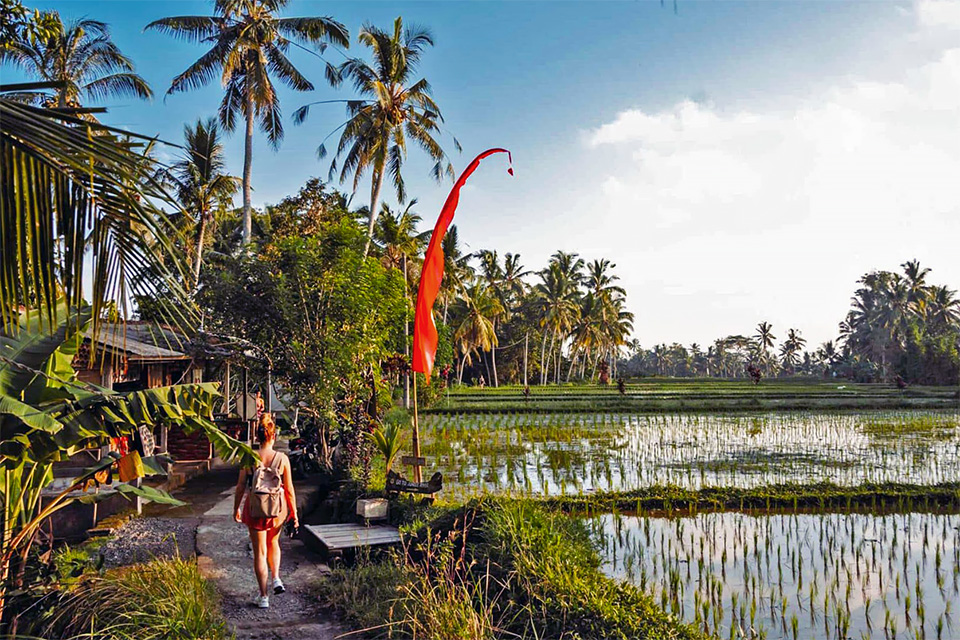
They are living systems governed by Subak, a centuries-old cooperative irrigation philosophy recognized by UNESCO. Subak is not just about water distribution; it’s about shared responsibility, timing, and spiritual balance between upstream and downstream communities.
Walk lightly along the paths. This is not a hike — it’s a slow conversation with landscape.
Notice how channels carry water deliberately, not evenly. How terraces follow contours rather than imposing symmetry. Every decision reflects collective thinking rather than individual ownership.
This is where Ubud’s agricultural intelligence becomes visible.
You don’t need to walk far. Thirty to sixty minutes is enough to understand that these fields are not decorative — they are productive, ceremonial, and alive.
Afternoon — Village Lunch & Local Rhythms
By midday, heat builds, movement naturally slows., and hunger starts to creep in.
Lunch in or near a village is ideal — not for novelty, but for proximity. Food tastes different when it hasn’t traveled far.
Conversations soften. Time stretches.
Order what’s available rather than what’s advertised. Eat unhurriedly. This is a reset moment — where body catches up with experience.
Optional — River Walk or Scenic Drive
Afternoons invite choice again.
If energy remains, a short river walk introduces another layer of Ubud’s ecosystem. Rivers here are not recreational features alone; they are arteries — feeding fields, villages, and temples downstream.
Alternatively, a scenic drive through jungle corridors and elevated roads offers perspective without exertion. Sometimes, seeing more by moving less is the wiser choice.
Neither option is mandatory. Rest is also participation.
Golden Hour — Quiet Views Over Loud Moments
As the day softens, resist the urge to chase famous viewpoints. Instead, seek elevation without spectacle — a place where land opens outward rather than upward.
This might be a small café overlooking a valley. A roadside pull-off with a bench. A simple vantage point where light touches terraces and treetops without interruption.
Golden hour in Ubud is not a performance. It’s a closing breath.
💡 Insider’s Insight — Why Nature Days Should Start Early in Ubud
Nature in Ubud rewards timing more than effort:
- Light is softer and reveals texture instead of glare.
- Crowds arrive later, changing the emotional tone of places.
- Temperature shapes how long curiosity lasts.
- Energy aligns better with movement before midday heat.
Starting early doesn’t add hours — it improves the quality of every one.
By the end of Day Two, Ubud no longer feels like a destination.
It feels like a system — one where water, land, and people move in quiet agreement.
You may feel physically tired, but mentally steadier. The jungle has a way of simplifying thought. The terraces remind you that beauty can be functional. And the waterfalls leave behind a memory of movement without urgency.
Tomorrow, we bring these lessons forward — blending nature with human creativity and a touch of adventure, should you choose it.
Day 3 — Choose Your Pace: Adventure or Deep Calm
By the third morning in Ubud, something subtle has shifted.
You wake up without urgency. Your body knows the rhythm now — the early light, the way heat builds, the way evenings soften everything again. This is the moment many itineraries get wrong. They treat the final day as a checklist closer, a last chance to do more.
Ubud invites the opposite.
Day Three is not about maximizing output. It’s about choosing alignment. Adventure or deep calm. Movement or stillness. Neither is better. Both are complete.
The only requirement is honesty.
Option A — The Adventure Route: Controlled Thrill, Clear Mind
Adventure in Ubud is rarely about extremes. It’s about intensity that fits within the day, not takes it over, and therefore there are nothing to worry about.
This is why half-day adventures work best here. They give you a physical pulse without turning the entire day into recovery.
White Water Rafting — Movement With Flow
Ubud’s rivers — particularly the Ayung — offer rafting experiences that are beginner-friendly yet visually dramatic. Jungle walls rise close. Carvings appear along the riverbanks. Water moves with enough energy to engage you, but not intimidate.
You don’t need experience. You don’t need exceptional fitness. You need curiosity and the ability to listen.
The rhythm of rafting is surprisingly meditative: paddle, glide, reset. Laughter breaks tension. Focus clears thought. By the end, many travelers feel not exhausted, but sharpened.
ATV Rides — Terrain, Texture, Play
ATV routes trade water for earth. Mud tracks, village paths, forest corridors. This is a more tactile adventure — hands engaged, attention grounded in terrain.
It’s less about speed and more about sensation. Many first-timers are surprised by how manageable it feels. Safety briefings are thorough. Routes are designed to challenge without overwhelm.
Again, half a day is enough.
Why Adventure Ends Before Lunch
Morning adventures respect Ubud’s climate and your nervous system.
- Temperatures are cooler.
- Energy is naturally higher.
- Recovery is built into the afternoon.
You return with time — not just stories.
After lunch, the body shifts. Muscles soften. The mind processes. Adventure becomes memory rather than momentum.
Safety & Beginner Reassurance
Most Ubud adventure providers operate with conservative margins. Equipment is standardized. Guides are attentive. Routes are adjusted for conditions.
You are not expected to prove anything.
Speak up if unsure. Ask questions. Choose comfort over bravado. Adventure here is designed to leave you smiling, not sore.
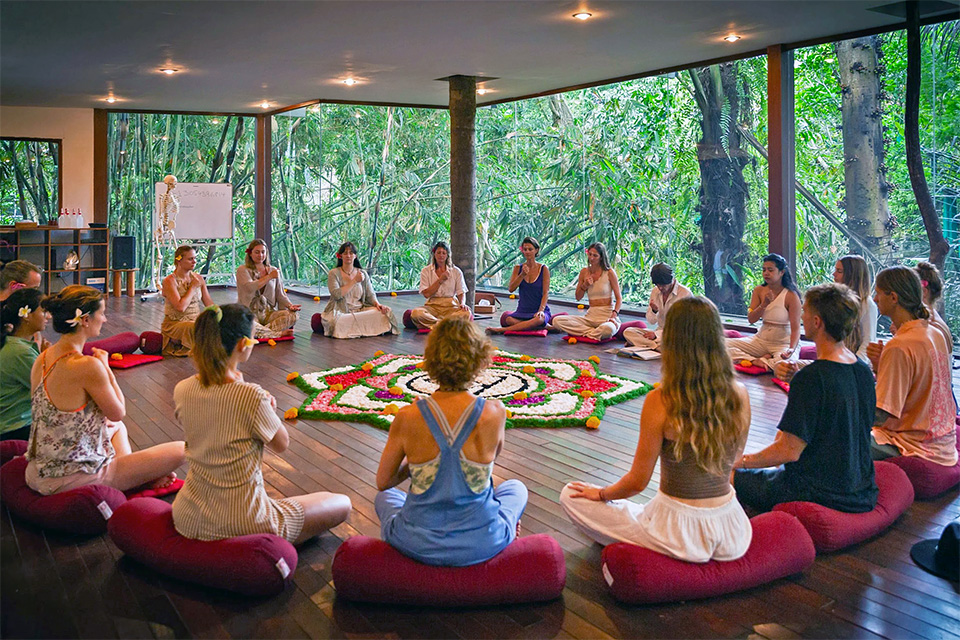
Option B — The Wellness Route: Stillness With Structure
For some, the third day asks for quiet.
Not because of fatigue, but because clarity has arrived. Wellness in Ubud is not indulgence. It’s integration.
Morning Yoga or Meditation — Starting the Day Softly
Begin the day with intention rather than stimulation.
Yoga classes in Ubud range from gentle Hatha to slow-flow Vinyasa. Meditation sessions often emphasize breath and body awareness over belief or doctrine. No experience is required. No flexibility expected.
This is about tuning in, not performing.
Morning sessions matter. The air is cooler. The mind is less cluttered. You carry the calm forward rather than trying to recover it later.
Short Healing or Spa Session — Precision Over Duration
If you choose healing or spa treatments, think short and specific. A one-hour massage. A focused energy session. A brief sound or breathwork experience.
Long, layered treatments can overwhelm at the end of a trip. Short sessions clarify instead. They create punctuation — not paragraphs.
Choose places that feel grounded rather than grand. Quiet over luxury. Presence over promises.
Afternoon — Rice Field Walk or Serene Riverside Café
The afternoon invites gentleness.
A slow walk along a rice field path. A seat by a river café where time loosens. No schedule. No destination beyond where you are.
This is where Ubud’s calm becomes personal. You notice details. Light shifts. Thoughts settle.
Sometimes, the most restorative experience is not booked.

💡 Insider’s Tips — How to Choose Between Adventure & Wellness
When deciding your Day Three path, consider:
- Energy > Ego — Choose what restores, not impresses.
- Weather Matters — Rain favors wellness; clear mornings favor adventure.
- Recovery Time — Adventure asks for rest afterward.
Who Should Do What
- Active travelers: adventure, then calm.
- Burnt-out professionals: wellness first.
- Couples: mix intensity with stillness.
- Families: shorter, structured activities
Your body already knows the answer. Listen.
The Quiet Truth of Day Three
There is no wrong way to spend your final day in Ubud.
Some leave with adrenaline in their muscles. Others with silence in their chest. Both are valid souvenirs.
What matters is that you don’t rush the choice.
By now, Ubud has given you enough information — through jungle paths, temple courtyards, flowing water, and quiet mornings — to understand what you need more of.
Day Three is simply the moment you honor that understanding.
And when you leave, it’s not with the feeling of having done Ubud —
but with the quieter confidence of having met it.
How to Adjust This 3-Day Ubud Itinerary for Different Travelers
No two people arrive in Ubud for the same reason — even when they follow the same map.
That’s why the most useful Ubud itinerary is not rigid. It’s adaptable. It responds to who you are, who you’re traveling with, and what kind of energy you want to take home.
The three-day structure you’ve just explored — culture, nature, then choice — is intentionally flexible. Below is how to gently adjust it so the experience feels personal rather than prescribed.
For many travelers, especially those visiting Ubud for the first time, the most meaningful Ubud healing experience happens not inside a single studio or session, but across a day that balances inward attention with outward discovery.
For Couples — Shared Moments, Not Forced Romance
Ubud works beautifully for couples when you let intimacy come from pace, not performance.
How to Adjust the Itinerary
- Day 1: Keep cultural stops short and meaningful. Skip museum overload. Choose one art space or village walk, then linger over lunch instead.
- Day 2: Nature becomes a shared sensory experience. Choose a quieter waterfall or a rice terrace walk rather than multiple stops.
- Day 3: Split the day gently — light adventure in the morning (rafting works well for couples), followed by a slow afternoon spa or river café.
What Matters Most
Shared silence. Long meals. Walking without agenda.
Ubud is romantic when it’s unhurried — not when it’s staged.
For Families With Teens — Engagement Over Obligation
Traveling with teens requires balance: too slow and they disengage, too rigid and everyone’s tense.
How to Adjust the Itinerary
- Day 1: The Sacred Monkey Forest works well early — active, visual, short. Pair it with a casual lunch and one cultural stop, not many.
- Day 2: Nature day is the highlight. Choose waterfalls with easy access and clear safety guidelines. Rice terraces with light walking keep things interactive.
- Day 3: Adventure route wins here. Rafting or ATV gives teens a sense of achievement without extreme risk.
What Matters Most
Choice. Let teens feel included in decisions. When they feel agency, engagement follows.
Ubud becomes meaningful for families when curiosity replaces compliance.
For Solo Travelers — Depth, Not Density
Solo travel in Ubud often becomes reflective — sometimes unexpectedly so.
How to Adjust the Itinerary
- Day 1: Spend more time walking than stopping. Let neighborhoods reveal themselves. Sit in temples without rushing.
- Day 2: Nature becomes conversation. Choose one waterfall and one rice terrace, then linger. Journaling cafés and viewpoints matter more than landmarks.
- Day 3: Wellness route tends to resonate — yoga, meditation, or a short healing session. These are spaces where solo travelers often feel most at ease.
What Matters Most
Permission to slow down. To sit alone without explanation.
Ubud is one of the few places where solitude feels welcomed rather than noticed.

For Active Travelers — Movement That Flows With Meaning
If you’re someone who feels most alive in motion, Ubud doesn’t ask you to stop — just to sequence wisely.
How to Adjust the Itinerary
- Day 1: Keep culture light. Save energy.
- Day 2: Start early and move — waterfalls, rice terrace walks, village paths. This is your longest day.
- Day 3: Adventure route is essential. Half-day rafting or ATV fits perfectly, followed by an intentionally slow afternoon.
What Matters Most
Recovery time. Hydration. Respect for heat and terrain.
Active travelers enjoy Ubud most when intensity is balanced with restoration.
For Wellness-First Travelers — Integration Over Isolation
If healing and presence are your priority, Ubud offers depth — without asking you to disappear from the world.
How to Adjust the Itinerary
- Day 1: Replace one cultural stop with meditation session. Let orientation be internal as well as external.
- Day 2: Choose nature that soothes rather than stimulates — quieter waterfalls, shaded rice paths.
- Day 3: Fully embrace the wellness route: morning yoga, a short healing session, and an unstructured afternoon.
What Matters Most
Not overbooking. Wellness is diminished by excess choice.
Ubud’s strength is integration — healing that fits within real travel, not apart from it.
💡 Insider’s Picks — Best Ubud Experiences by Travel Style
- Couples: River cafés, early temple walks, shared spa sessions.
- Families: Monkey Forest (early), waterfalls, rafting.
- Solo Travelers: Morning yoga, rice field walks, village cafés.
- Active Travelers:
Waterfalls + rafting + scenic drives. - Wellness-First Travelers:
Meditation sessions, melukat rituals, slow afternoons.
The best experience is not the most popular — it’s the one that matches your energy.
The Underlying Truth
This 3-day Ubud itinerary works not because it’s complete — but because it’s considerate.
It respects different bodies, different reasons for travel, different seasons of life.
When you adjust the itinerary to fit you, Ubud stops being a destination you move through —
and becomes a place that moves with you.
That’s when three days feel like enough.
Practical Tips That Make 3 Days in Ubud Feel Effortless
Ubud doesn’t ask much from you — but it does respond to how prepared you are.
The difference between a trip that feels nourishing and one that feels oddly tiring often comes down to a handful of small, practical choices. Not the kind that dominate guidebooks, but the kind that quietly shape your days: what you wear, how you move, when you pause, and how much you try to fit in.
These Ubud travel tips are designed to help three days feel unhurried, grounded, and surprisingly spacious.
What to Wear — Comfort Is Cultural Intelligence
Ubud is tropical, but it’s also ceremonial. Dressing well here isn’t about fashion — it’s about respect and comfort.
Bring Clothes That
- Breathe easily (linen, cotton, light blends).
- Cover shoulders and knees for temples.
- Dry quickly after waterfalls or sudden rain.
- Allow movement — walking, sitting, climbing steps.
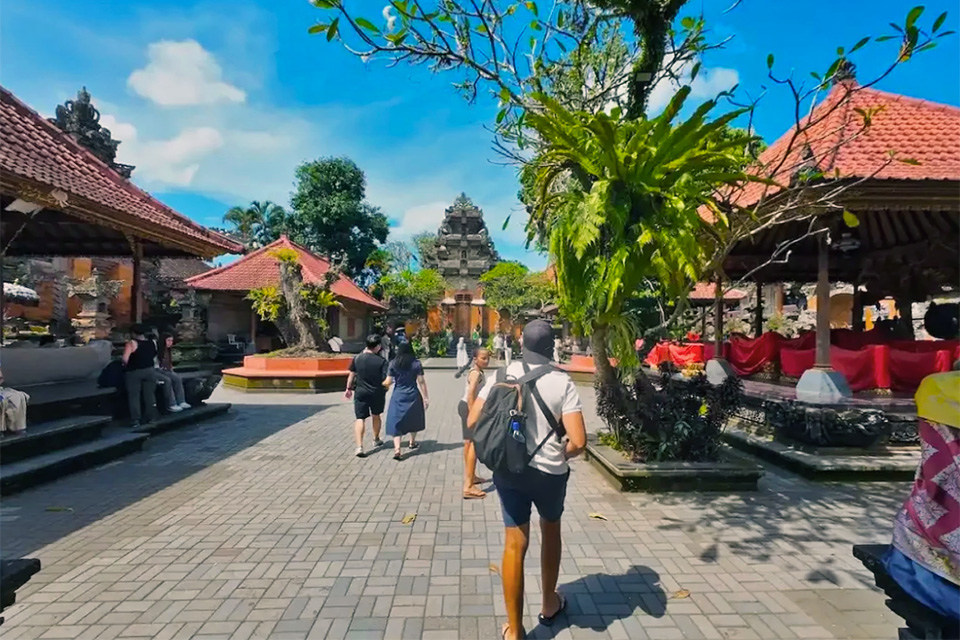
You’ll see stylish cafés and yoga studios, but no one is impressed by discomfort. Sarongs are often provided at temples, but having your own saves time and awkwardness.
Footwear matters more than you expect: supportive sandals or light trainers will serve you far better than anything stiff or heavy.
Cash vs Cards — Simple, Not Stressful
Ubud is modern, but not uniformly cashless.
Use Cards For
- Hotels and villas.
- Established restaurants.
- Spas and organized experiences.
Carry Cash For
- Small cafés and warungs.
- Parking fees.
- Village donations and offerings.
- Tips and spontaneous stops.
You don’t need to carry large amounts — just enough to stay fluid. ATMs are common in central Ubud but less so in rural areas. Withdraw in the morning when machines are less likely to be empty.

Temple Etiquette — Observe First, Then Enter
Temples in Ubud are living spaces, not monuments.
A few simple practices go a long way:
- Wear a sarong and sash.
- Remove shoes where indicated.
- Lower your voice.
- Follow the flow — if locals pause, you pause.
Women are generally asked not to enter during menstruation — not as exclusion, but as part of local belief. You’re not expected to fully understand every custom, only to approach with humility.
Photography is usually allowed, but attention matters more than angles.
Avoiding Burnout — Ubud Rewards Restraint
This might be the most important of all Ubud travel tips.
Traffic, heat, humidity, and sensory richness add up quickly. Trying to “maximize” each day often results in doing less well.
To avoid burnout:
- Start early, finish gently.
- Schedule no more than 2–3 anchor activities per day.
- Leave blank space in every afternoon.
- Hydrate more than you think you need.
Remember: walking ten minutes in Ubud can feel like walking twenty elsewhere. Factor that in when planning transitions.
Packing Light, Planning Smart
Ubud is forgiving if you pack light — but it’s relentless if you overpack.
Pack fewer items, but smarter ones:
- One light jacket or shawl (Ubud can be quite chilling especially in rainy day and late afternoon).
- Reusable water bottle.
- Daypack with rain cover.
- Sunscreen and insect repellent.
- Basic first-aid and personal essentials.
Almost everything else can be found locally if needed. What you can’t easily buy is energy — so don’t waste it hauling things you won’t use.
The Quiet Advantage of Guided Experiences
This isn’t about outsourcing curiosity — it’s about reducing friction.
A local guide or driver:
- Manages timing and traffic.
- Explains context you wouldn’t find on signs.
- Helps you avoid peak crowds.
- Allows you to stay present rather than alert.
For a short stay, guided experiences often mean less structure overall — because logistics are handled, and your attention stays where it belongs.
The Takeaway
Effortless travel in Ubud isn’t accidental. It’s the result of thoughtful preparation paired with intentional restraint.
Plan just enough. Pack just enough. Do just enough.
When you remove the small frictions, three days expand.
And Ubud reveals itself — not as something to manage, but as something to move through with ease.
Common Mistakes to Avoid When Planning 3 Days in Ubud
Three days in Ubud can feel deeply satisfying — or oddly exhausting.
The difference rarely comes from where you go. It comes from how you plan.
This section exists to save you from the quiet missteps that many travelers only recognize after they’ve already happened.
Overbooking Tours — When Good Intentions Backfire
Ubud invites curiosity. It’s natural to want to see everything.
But stacking tours back-to-back turns a reflective landscape into a checklist. Early mornings, fixed pick-up times, rushed meals, and constant transitions drain energy faster than you expect — especially in tropical heat.
A better rhythm:
- One anchor activity per half-day.
- One flexible window.
- One intentional pause.
Ubud gives more when you leave space for it.
Chasing Viral Spots Instead of Personal Moments
Social media makes Ubud look like a sequence of “must-see” frames.
In reality, many viral spots are:
- Crowded at peak hours.
- Short on context.
- Surrounded by long waits and short satisfaction.
The irony? Some of the most moving experiences in Ubud happen ten minutes away from famous locations — in quiet village paths, modest temples, or cafés overlooking unnamed rice fields.
Choose meaning over mileage.
Skipping Rest Because “It’s Only Three Days”
This is one of the most common planning mistakes, that turns a vacation into an ordinary hectic day that quicly burns you out.
Travelers assume rest can wait because the stay is short. In Ubud, rest is not a luxury — it’s part of the experience.
Without rest:
- Sensory overload builds quickly.
- Heat fatigue creeps in unnoticed.
- Even beautiful moments feel muted.
A shaded café, a pool hour, or a short nap can reset an entire day.
Underestimating Drive Times (and Energy Costs)
Distances in Ubud look deceptively short.
Traffic, narrow village roads, ceremonies, and school hours all affect movement. A 12-kilometer drive can take 40 minutes — and arriving already tired changes how you experience the destination.
Plan fewer moves. Stay longer in each place. Let the day unfold instead of racing it.

Treating Ubud Like a City Instead of a Landscape
Ubud isn’t designed for speed or efficiency. It’s a woven environment of rituals, agriculture, art, and daily life.
Trying to “optimize” it often removes the very qualities that make it special.
In Ubud, less done often means more remembered.
When you stop trying to extract value from each hour, Ubud begins offering it freely.
💡 Final Thought!
Avoiding these mistakes doesn’t mean doing less.
It means doing what fits.
And in Ubud, fit is everything.
Is 3 Days in Ubud Enough? An Honest Perspective
This is the question travelers ask most — sometimes out loud, sometimes quietly while scrolling itineraries late at night.
Is three days in Ubud enough?
The honest answer is both yes and no. And understanding why is what turns a short stay into a meaningful one.
Yes — Three Days Is Enough for an Introduction
If approached with intention, three days in Ubud is enough to understand what kind of place this is.
In that time, you can:
- Feel the rhythm of mornings before traffic thickens.
- Witness how temples, markets, rice fields, and homes coexist.
- Touch the edges of culture, nature, and daily ritual without rushing.
Three well-paced days allow you to sense Ubud’s emotional geography — not just its physical one. You begin to recognize patterns: offerings on sidewalks, ceremonies interrupting traffic, art embedded in everyday spaces.
You won’t see everything. But you’ll see enough to feel oriented.
And for first-time visitors, orientation is far more valuable than completion.
No — Three Days Is Not Enough for Mastery
Ubud is not a destination you “finish.”
It’s layered. Slow. Recursive.
To truly master Ubud — understand its villages, water systems, ceremonial calendars, healing traditions, and seasonal rhythms — takes weeks, months, or even years.
Three days won’t give you:
- Deep familiarity with multiple villages.
- Long-term relationships with local practitioners.
- A full sense of how Ubud shifts between seasons and ceremonies.
But here’s the important part: Ubud doesn’t demand mastery from visitors. It only asks for presence.
Trying to compress mastery into three days often leads to frustration. Accepting that this is an introduction removes that pressure — and paradoxically allows you to experience more.

Why Many Travelers Return to Ubud
Ubud has a quiet way of staying with people.
Not because it overwhelms — but because it lingers.
Travelers often return because:
- Their first visit felt like a conversation that wasn’t finished, and they feel an urge to continue.
- They want to explore slower, deeper, or differently next time to immerse deeper.
- Life circumstances change, and Ubud meets them at a new stage.
A couple may return as a family.
An adventure traveler may come back for wellness.
A first-time visitor may return with less urgency and more curiosity.
Ubud rewards repeat visits not with novelty — but with familiarity that deepens.
The Reframe That Changes Everything
Instead of asking whether three days is enough, a better question is:
“Enough for what?”
Enough to:
- Be introduced? Yes.
- Be transformed? No — and that’s not the point.
- Feel grounded, inspired, and curious to return? Very often, yes.
When travelers release the pressure to “do Ubud right,” they often end up doing it better.
Three days, when planned wisely, don’t feel short.
They feel complete — in the way a good first chapter does.
And Ubud, if it suits you, has a way of inviting you back for the next one.
Three Days That Stay With You
By the time your third day in Ubud comes to a close, something subtle has shifted.
Not in a dramatic, cinematic way.
Not as a transformation you feel the need to announce.
It’s quieter than that.
You begin to realize that Ubud was never asking to be consumed — it was inviting you to adjust your rhythm.
Ubud Is a Rhythm, Not an Attraction
Most places introduce themselves through landmarks.
Ubud introduces itself through pace.
Morning light on temple stone.
The pause before a ceremony blocks the road.
A meal that takes longer than planned because conversation lingers.
These aren’t interruptions to your itinerary — they are the itinerary.
In three days, you start to feel how life here moves in cycles rather than schedules. How nature, culture, and daily routines overlap instead of competing. How nothing is designed for maximum efficiency — and everything somehow works anyway.
Ubud doesn’t rush to impress you.
It waits to see if you’ll slow down enough to notice.

What People Actually Take Home from Ubud
Travelers rarely leave Ubud talking about how much they saw. They talk about:
- How grounded they felt after a simple walk through Ubud’s verdant rice fields.
- A conversation with a local guide that reframed their understanding of Bali.
- The unexpected calm of an early morning or a quiet temple courtyard.
What they take home isn’t a checklist — it’s a sensory memory. A way of noticing again.
For some, that memory shows up as patience. For others, clarity. For many, a gentle reminder that travel doesn’t need to be exhausting to be meaningful.
These are not souvenirs you buy. They’re impressions that settle slowly — sometimes days or weeks after you’ve returned home.
Why Intentional Itineraries Matter More Than Full Ones
Three days in Ubud can feel rushed or restorative.
The difference isn’t time — it’s intention.
Intentional itineraries:
- Respect travel time and energy, not just distance.
- Leave sufficient space between experiences instead of stacking them.
- Balance movement with stillness.
They acknowledge that travelers are human — not machines designed to optimize experiences per hour.
When days are designed with flow rather than volume, something remarkable happens:
You stop watching the clock.
You stop negotiating with fatigue.
You start being present.
And presence is where Ubud quietly does its work.
The Quiet Confidence of Traveling Well
There’s a particular kind of confidence that comes from a trip done right.
Not the loud confidence of having “seen it all.” But the calm confidence of having seen enough. Enough to understand the place. Enough to respect it. Enough to leave without regret — and without rushing the goodbye. That’s what three well-planned days in Ubud offer.
Not mastery. Not completion. But a meaningful beginning.

Carrying Ubud Forward
Long after you leave, Ubud continues to show up in small ways:
- In how you walk a little slower.
- In how you choose quieter mornings when you can.
- In how you remember that not every moment needs to be filled.
Ubud doesn’t demand that you change your life.
It simply demonstrates another way of moving through it.
And sometimes, that’s exactly what travelers didn’t know they were looking fot.
Ubud doesn’t rush you — it teaches you how not to rush yourself.
When you’re ready to experience Ubud with clarity rather than chaos — blending nature, culture, adventure, and moments of calm — thoughtful planning makes all the difference.
Not louder itineraries.
Just wiser ones.
FULL DAY TOUR - ADVENTURE
Starts from Rp. 1,650,000 / pax.
FULL DAY TOUR - CULTURE
Starts from Rp. 835,000 / pax.
👉 Related Reads:
→ Ubud and Central Bali Travel Guide – Culture, Nature & Highlands
→ Ubud Itinerary – 1 Day, 2 Days, or 3 Days?
→ Ubud vs. Canggu – Where Should You Stay in Bali?
→ Best Private Tours from Ubud – Customized Highland Adventures
FAQ
Is 3 days in Ubud enough for a first-time visit?
Yes — 3 days in Ubud is enough to form a meaningful first impression, as long as the itinerary is paced intentionally. In three days, travelers can experience Ubud’s cultural core, its surrounding nature (waterfalls, rice terraces, villages), and still have time for either light adventure or wellness. What 3 days doesn’t offer is “completion” — and that’s actually part of Ubud’s charm. Many travelers leave feeling satisfied, not rushed, and often plan to return.
What is the best way to plan a 3-day Ubud itinerary?
The best Ubud itinerary balances mornings for exploration, afternoons for slowing down, and evenings for culture or rest. Starting early helps avoid crowds and heat, especially at temples, waterfalls, and rice terraces. Rather than packing every day with attractions, plan around themes: culture, nature, and personal pace. Guided experiences can reduce friction, especially for first-time visitors navigating traffic, distances, and local etiquette.
Where should I stay for 3 days in Ubud?
For a short stay, location matters more than luxury. Central Ubud is ideal if you want to walk to temples, cafés, and cultural sites. The outskirts (rice fields or jungle areas) are better for travelers seeking quiet and nature — but expect more driving time. For 3 days, many travelers prefer staying just outside the center to balance accessibility and calm, especially if they plan guided day trips.
Do I need a guide for exploring Ubud?
You don’t need a guide, but guided experiences often make a 3-day trip smoother and deeper. Local guides help with timing, cultural context, and route planning — especially for waterfalls, villages, and countryside areas. With limited time, a guide can help you experience more meaning with less logistical stress, rather than spending hours navigating traffic or researching on the go.
What are the must-see places in Ubud for a short trip?
For a 3-day visit, focus on quality over quantity. Common highlights include:
- Sacred Monkey Forest (early morning).
- Ubud Palace and Saraswati Temple.
- One waterfall (such as Tegenungan or Tibumana).
- Rice terraces near Ubud with light walking.
Beyond these, choose experiences that fit your energy — an art museum, village walk, yoga session, or short adventure — rather than trying to see everything.
Is Ubud suitable for families or older travelers?
Yes, Ubud is very suitable for families with teens and active seniors, especially with a well-paced itinerary. Cultural sites, nature walks, and gentle adventures like rafting or cycling are accessible and rewarding. Families with very young children may need to adjust expectations, as some activities involve walking, stairs, or longer drives.
What is the best time of year to visit Ubud?
Ubud is a year-round destination. The dry season (April–October) offers clearer paths and more predictable weather, while the green season (November–March) brings fewer crowds and lush landscapes. Rain usually comes in short bursts, and early mornings remain ideal for exploring regardless of season.
How much driving time should I expect each day?
This is one of the most underestimated aspects of Ubud travel. Even short distances can take time due to narrow roads and traffic. For a 3-day itinerary, plan no more than 2–3 main movements per day. This keeps energy high and avoids turning the trip into a series of long car rides.
Can I combine Ubud with adventure activities in just 3 days?
Yes — but half-day adventures work best. Activities like white water rafting, cycling, or ATV rides fit well into a morning or early afternoon, leaving space for recovery and reflection. Avoid stacking multiple high-intensity activities on consecutive days, especially if you also want to enjoy Ubud’s cultural and natural rhythm.
Why do so many people return to Ubud after a short visit?
Because Ubud isn’t a place you “finish.” A 3-day stay introduces the rhythm — the way mornings feel quieter, how nature and daily rituals intertwine, how slowing down feels natural here. Many travelers leave with clarity rather than exhaustion, and that feeling often draws them back for longer, deeper stays.