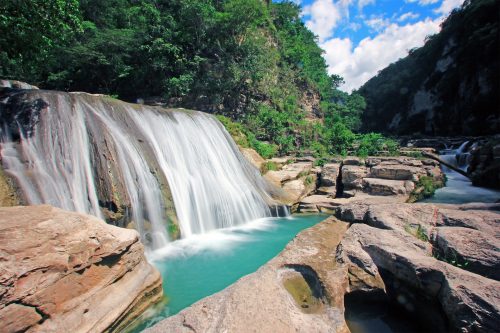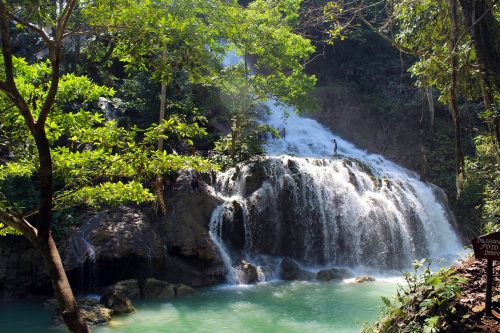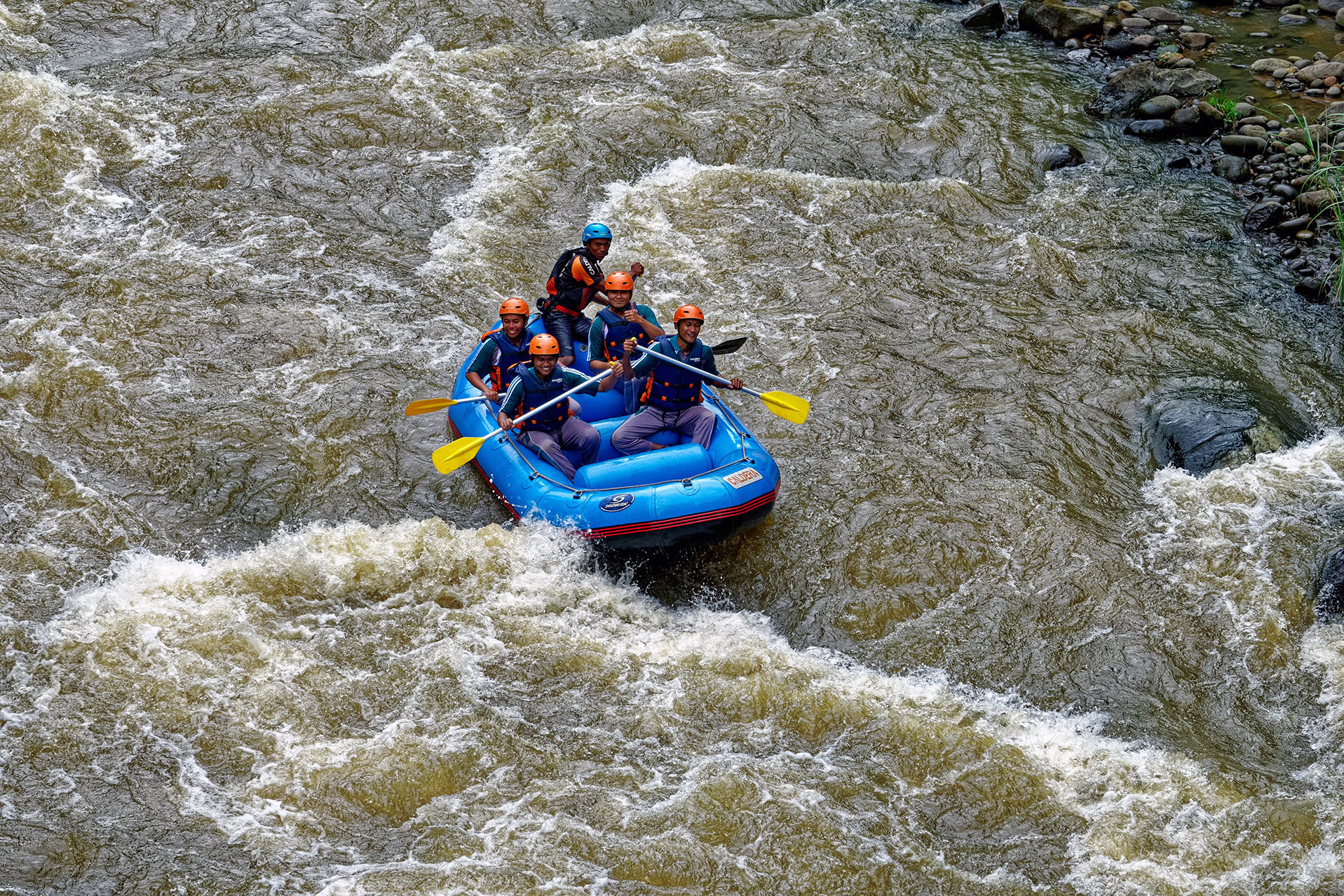
Adventure Activities in Ubud – Ubud has a way of slowing you down before it asks anything of you. Mornings begin gently here — incense drifting from family shrines, scooters humming past rice fields, the quiet rhythm of offerings placed at doorways and riverbanks. Days unfold in cafés shaded by palms, in yoga shalas where breath becomes a ritual, in galleries where time seems suspended between brushstrokes. It is easy to believe that Ubud’s gift is stillness alone.
But stay a little longer, and you begin to feel something else moving beneath the calm.
Where Stillness Learns to Move
Beyond the yoga mats and temple gates, the land starts to shift. Rivers carve deeper into the valleys. Jungle paths narrow and twist. The air cools as the ground drops away, and suddenly Ubud is no longer just a place of reflection — it is a place of motion, shaped by water, gravity, and the quiet pull of adventure. This is where the island stretches its muscles.
Adventure in Ubud doesn’t arrive loudly. It doesn’t demand that you leave your sense of balance behind. Instead, it reveals itself the way Bali often does — gradually, respectfully, and always connected to the land. A white-water river flows where farmers once walked barefoot. A jungle track winds through villages before turning to mud and laughter. A cycling route slips past temples and schoolyards, where children wave as you glide downhill through their world.
Here, adventure is not an interruption to Ubud’s spirit — it is part of it. The same rivers used for purification become routes for rafting. The same village roads that carry offerings each morning become paths for cycling journeys. Even the jungle, dense and alive, feels less like a challenge and more like an invitation.
Ubud doesn’t trade its calm for adventure — it hides adventure beneath it.
This is the side of Ubud that rewards curiosity. The side that asks you to move, to paddle, to ride, to feel your heartbeat sync with the landscape. And when the day ends, you don’t leave Ubud behind — you return to it, calmer than before, carrying stories shaped by water, wheels, and wild green corridors.
Before we dive into the details of adventure in Ubud, it helps to understand one thing: every thrill here is rooted in place. Every splash, climb, and turn begins and ends in the cultural heart of Bali.
 Related Reads:
→ Best Rafting Rivers Near Ubud – Ayung vs. Telaga Waja
→ Is ATV Riding in Ubud Safe? What Beginners Should Know
→ Ubud and Central Bali Travel Guide – Culture, Nature & Highlands
The Wild Side of Ubud
Ubud is often spoken of in gentle terms. A place for yoga and introspection. A cultural sanctuary of temples, museums, cafés, and rice fields. For many travelers, it represents Bali at its most reflective — slow mornings, mindful rituals, quiet beauty. And all of that is true. But it is only part of the story.
Look a little closer, and you’ll discover that Ubud is also one of Bali’s most naturally positioned adventure bases — a place where rivers surge through deep valleys, jungle tracks cut through village land, and rolling highlands invite movement as much as meditation. This is where the island’s wild side lives, not in opposition to Ubud’s calm, but woven directly into it.
The secret lies in geography. Ubud sits at the meeting point of Bali’s central highlands and its fertile lowlands, where rainfall is generous and the land folds dramatically. Rivers like the Ayung and Telaga Waja gather strength as they pass through volcanic terrain. Valleys drop sharply just beyond the town’s edges. Jungle growth is thick, alive, and close — often only minutes from your hotel or villa. For adventure seekers, this means something rare: real, immersive experiences without long travel times.
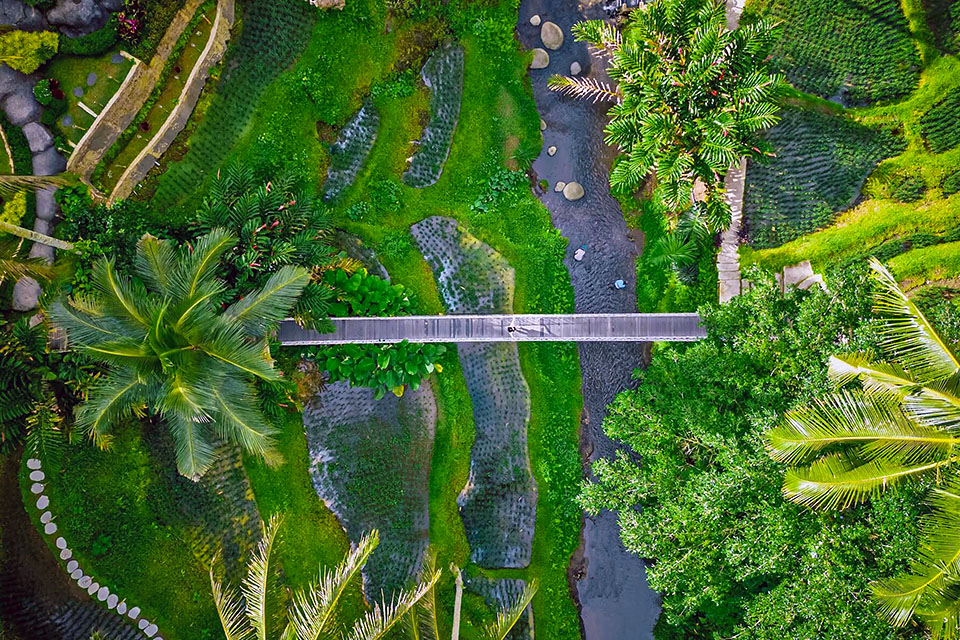
That is why adventure in Ubud feels so accessible. You don’t need to commit to multi-day expeditions or remote bases. A white-water rafting trip can be a half-day journey that still leaves time for a late lunch in town. An ATV ride can take you through rice fields, tunnels, and jungle trails before you’re back at your pool by mid-afternoon. A cycling route can carry you downhill through villages and temples, ending with stories rather than exhaustion.
This balance is what makes Ubud adventure activities different from adrenaline hubs elsewhere. Here, the emphasis isn’t on extremes — it’s on experience. Adventure becomes a way to engage with the landscape more deeply, to understand Bali not just through observation, but through movement.
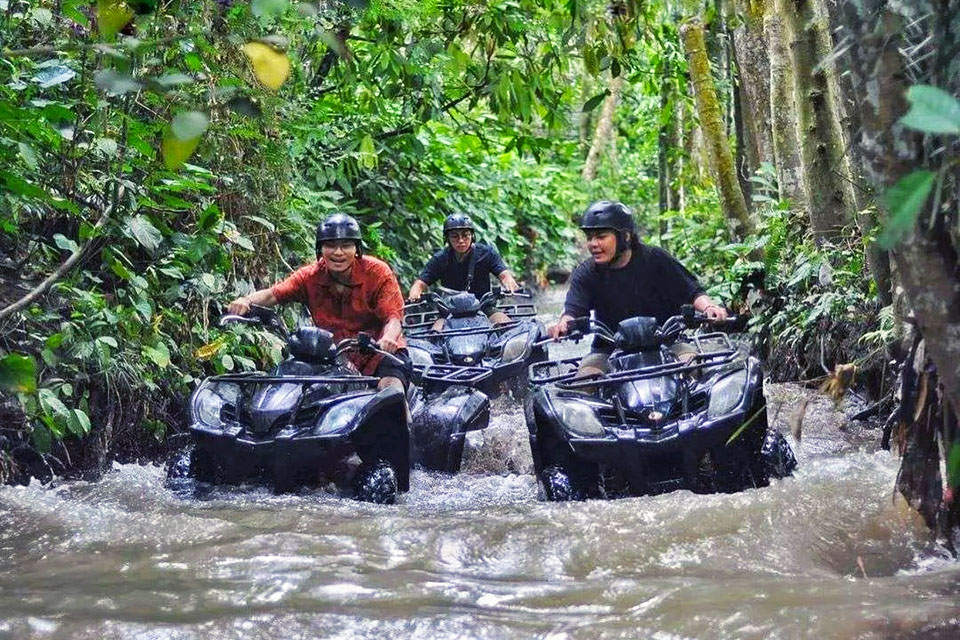
ATV tours in Ubud, for example, are less about speed and more about terrain. Muddy tracks wind through bamboo forests and rural farmland. Hidden tunnels echo with laughter. Water crossings splash and surprise. Riders pass farmers working their fields and children walking home from school — reminders that these paths are part of daily life, not manufactured playgrounds.
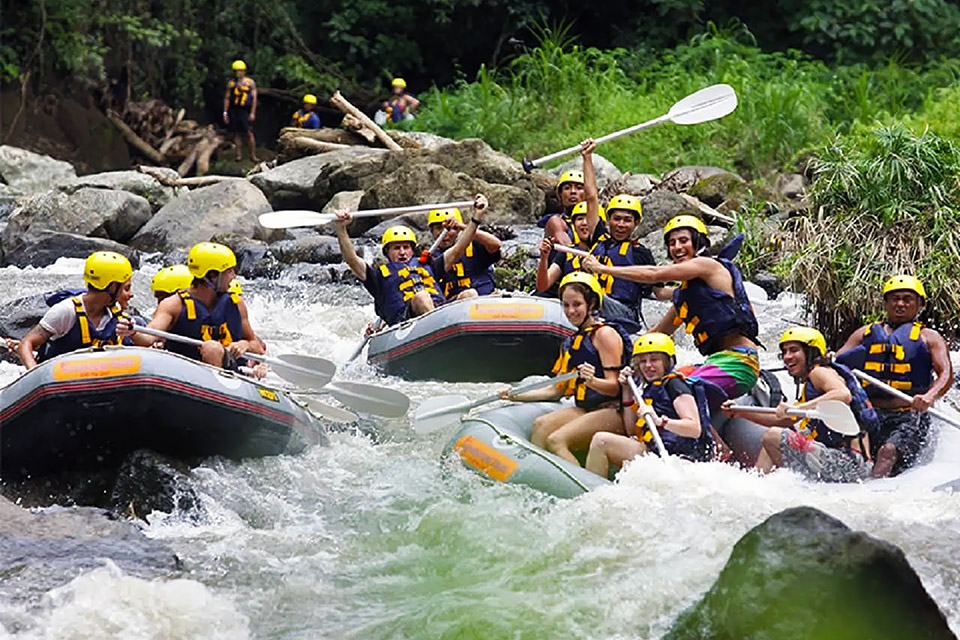
Rafting in Ubud follows the same philosophy. The Ayung River, Bali’s most popular rafting route, offers a rhythm that welcomes first-timers while still delivering excitement. Rapids appear in short bursts, balanced by long stretches of calm where jungle walls rise around you and stone carvings emerge along the riverbanks. It’s adventure softened by beauty — thrilling, but never rushed.
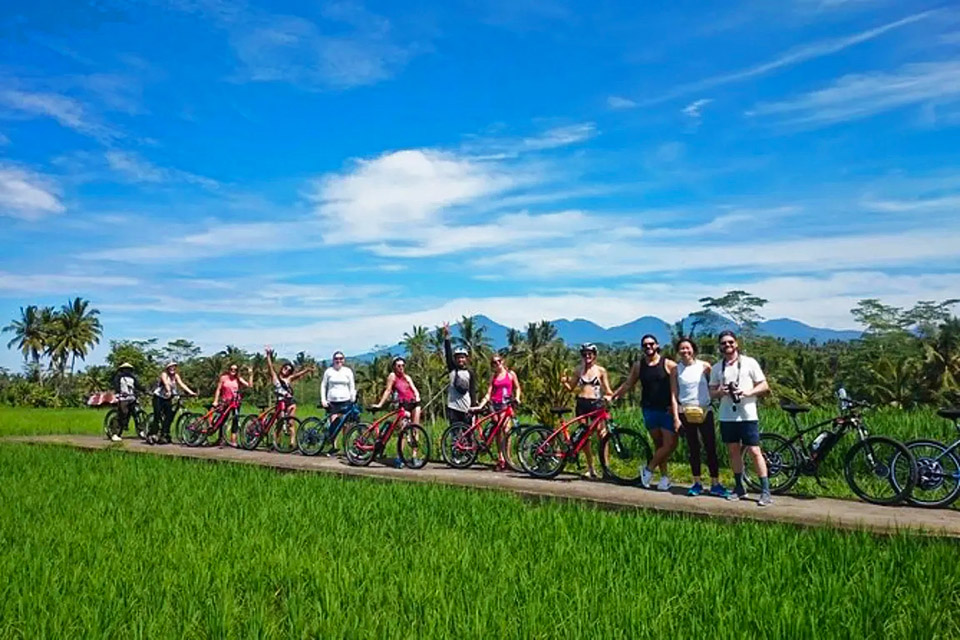
Cycling completes the picture, offering a slower, more immersive way to move through the landscape. Starting from higher elevations in the central highlands, routes descend gently toward Ubud, passing through traditional villages, temples, rice paddies, and open countryside. It’s one of the few activities where adventure and cultural observation become inseparable.
Together, these experiences redefine things to do in Ubud. They expand the town’s identity from cultural retreat to multi-layered basecamp, where reflection and action exist side by side. You can meditate in the morning, paddle a river at midday, and return to a candlelit dinner by evening — all without leaving the Ubud area.
For travelers who want more than observation — who want to feel Bali’s terrain beneath their feet and fingertips — Ubud offers something quietly powerful. Adventure here doesn’t demand that you sacrifice comfort, safety, or meaning. It simply invites you to step beyond the familiar and discover how alive the island truly is.
💡 Search & Book Related Products → Adventure Tours in Ubud
Ubud Is Bali’s Adventure Hub
Ubud’s reputation as Bali’s cultural heart is well earned, but its rise as the island’s adventure hub is no accident. It is shaped by geography first — by elevation, water, and the way the land naturally channels movement through jungle corridors and rural valleys. Long before adventure tours existed, this terrain dictated how people lived, farmed, and traveled. Today, those same natural advantages make adventure tours in Ubud uniquely accessible, varied, and grounded in the landscape.
At the core of Ubud’s appeal is its position in Bali’s central highlands. Sitting between the island’s volcanic spine and its southern plains, Ubud benefits from altitude without isolation. The land undulates rather than flattens. Valleys drop suddenly, rivers carve deep paths, and jungle growth thrives in the moist, fertile soil. This creates natural routes for rafting, cycling, and off-road exploration — all within short distances of one another.
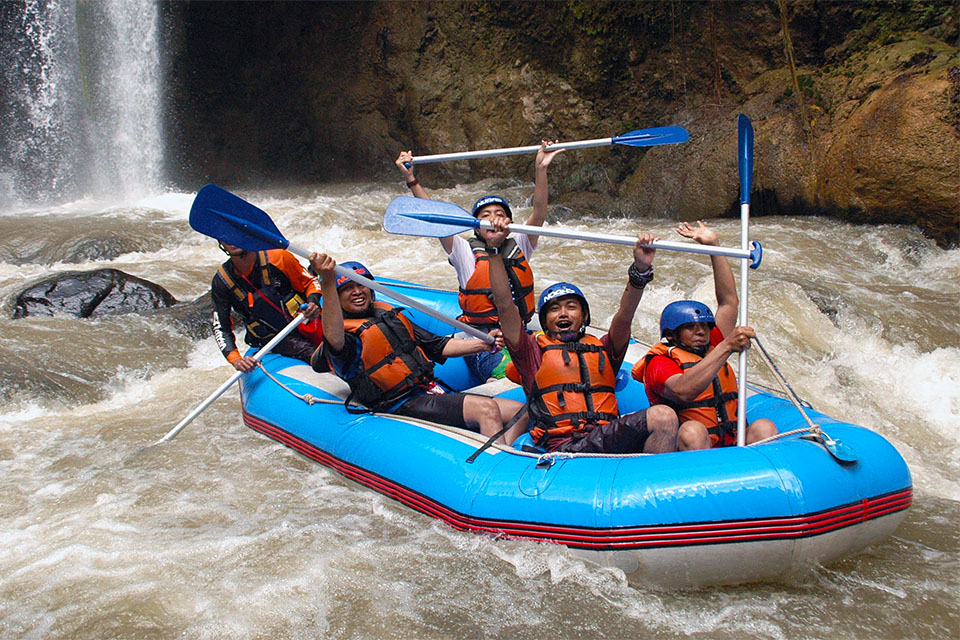
The rivers are especially important. Fed by rainfall and volcanic springs from Mount Batur and the surrounding highlands, waterways like the Ayung River flow year-round, maintaining consistent levels even outside peak rainy months. This reliability is why rafting in Ubud operates across seasons, offering stable conditions that balance excitement with safety. Unlike coastal rivers that swell unpredictably, Ubud’s inland waterways are moderated by their source — strong, steady, and well understood by local operators.
Beyond the rivers, Ubud’s jungle corridors create natural adventure tracks. Narrow paths wind between bamboo groves, banana plantations, and village farmland. These routes, once used by farmers and traders, now form the backbone of Ubud jungle adventure experiences. ATV trails follow irrigation lines and forest edges. Cycling routes pass through hamlets untouched by traffic. Even short journeys feel immersive, because the jungle closes in quickly and completely.
What truly sets Ubud apart, however, is the proximity of rural life to wild terrain. Adventure here is not staged on distant land. Villages sit beside valleys. Temples perch near riverbanks. Rice fields stretch toward jungle walls. This creates experiences that feel authentic rather than isolated — you are not removed from Bali’s rhythm while adventuring; you are moving within it.
Another key factor is climate. While Bali’s seasons influence water flow and trail conditions, Ubud enjoys year-round adventure potential. The dry season brings clear skies, lighter river currents, and ideal cycling conditions. The wetter months transform the landscape — rivers run stronger, jungles deepen in color, waterfalls surge with life. With proper guidance and safety checks, adventure doesn’t pause; it simply changes character.
This consistency has allowed a mature adventure ecosystem to develop. Over time, Ubud has become home to some of Bali’s most experienced operators, guides, and support networks. Routes are tested, safety protocols refined, and local knowledge passed down. This maturity is one of the reasons many travelers feel more confident choosing adventure activities here compared to less established regions.
💡 Insider’s Insight – Why Adventure Feels Safer in Ubud
- Licensed local guides with deep knowledge of terrain, weather patterns, and river behavior.
Established safety standards, including equipment checks, briefings, and rescue readiness.
- Mature infrastructure, from access roads to first-aid support and communication systems.
All of this contributes to a feeling that is hard to define but easy to sense: adventure in Ubud feels considered. Thoughtful. Designed to welcome rather than intimidate.
That is why travelers of all experience levels — from families and first-timers to seasoned explorers — gravitate toward Ubud as their base. It offers the rare combination of natural intensity and human-scale comfort, where jungle thrills unfold close to cafés, galleries, and quiet evenings.
In Ubud, adventure is not about pushing limits for their own sake. It is about moving with the land, trusting its rhythms, and discovering that Bali’s wild heart has always been here — flowing, growing, and waiting just beyond the temple gates.
White Water Rafting in Ubud – Flowing Through the Jungle
White water rafting in Ubud is not a single moment of adrenaline — it is a slow unfolding. A journey that begins upstream, gathers momentum through jungle bends, and carries you deep into Bali’s green interior. Here, rafting is not about conquering water. It is about moving with it, letting the river guide you through landscapes that feel untouched, ancient, and alive.
Unlike coastal adventures, rafting in Ubud is defined by intimacy. The jungle presses close. Stone walls rise suddenly from the riverbanks. Vines trail overhead, and the air cools as you drift farther from roads and villages. It is immersive, cinematic, and surprisingly meditative — even as the rapids begin to pulse beneath your raft.
Rafting in Ubud
At its heart, white water rafting in Ubud is designed to be inclusive. This is one of Bali’s most accessible adventure activities, welcoming a wide range of travelers — from families with older children to first-time rafters and seasoned thrill-seekers looking for scenery as much as speed.
Most rafting routes near Ubud are classified as Grade II–III rapids, meaning they offer excitement without extreme technical difficulty. Expect splashes, quick drops, playful turns, and moments of calm drifting between bursts of movement. Professional guides steer, paddle, and instruct throughout, allowing participants to focus on the experience rather than the mechanics.
Skill Levels & Experience
You do not need prior rafting experience to enjoy rafting in Ubud. Guides provide safety briefings, paddling instructions, and clear signals before entering the water. Helmets, life jackets, and paddles are standard, and teams are arranged to balance strength and comfort. For beginners, this creates a sense of reassurance; for experienced rafters, it allows space to enjoy the scenery and rhythm of the river.
Family Suitability
Rafting in Ubud is suitable for families with children, typically from ages 7–12 and above, depending on river conditions and operator policies. The calmer sections of the Ayung River, in particular, are popular with families seeking a shared adventure that feels exciting but controlled. Children often remember the waterfalls pouring directly into the river and the thrill of navigating small rapids together.
Seasonal Water Conditions
Seasonality subtly reshapes the rafting experience:
- Dry season (April–October): Rivers run clearer and slightly calmer, making this period ideal for beginners, families, and those prioritizing scenery.
- Rainy season (November–March): Water levels rise, currents strengthen, and rapids feel more dynamic. With licensed operators and proper safety checks, rafting continues — but the experience leans more toward adrenaline.
What remains constant, regardless of season, is the jungle itself. Ferns cling to rock faces. Carved stone walls appear unexpectedly along the riverbanks. Occasionally, you’ll pass shrines or remnants of old pathways — reminders that these rivers have long been part of daily Balinese life.
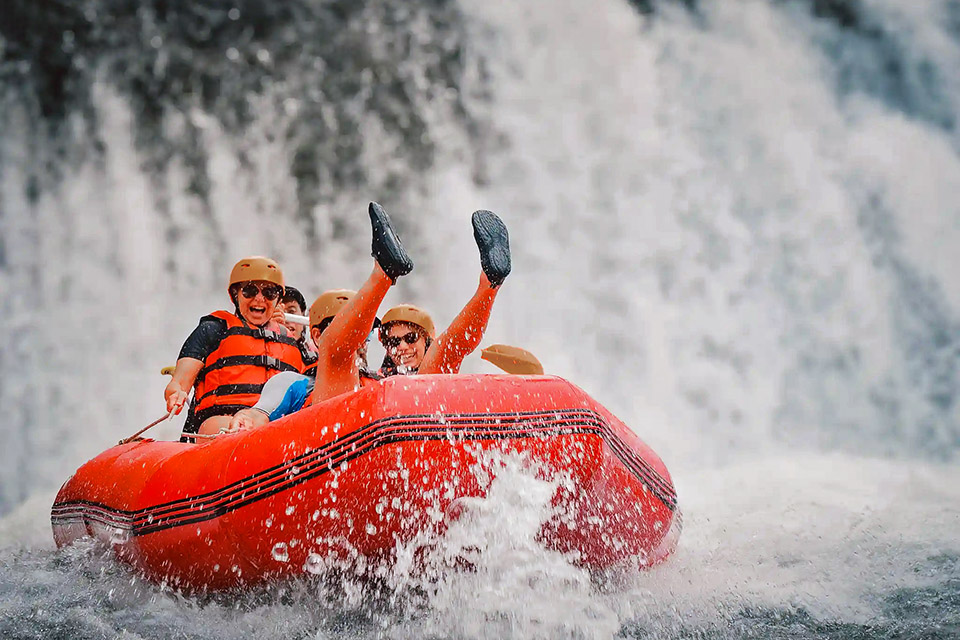
Ayung River vs Telaga Waja
While Ubud is most closely associated with the Ayung River, many operators also offer access to the more intense Telaga Waja River, usually as a longer half-day experience from Ubud. Choosing between the two depends on what kind of adventure you’re seeking.
Ayung River Rafting
The Ayung River flows just west of central Ubud and is the island’s most popular rafting route — for good reason.
- Scenery: Exceptional. Towering jungle walls, waterfalls cascading directly into the river, and long stretches of carved stone reliefs depicting scenes from the Ramayana.
- Rapids: Mostly Grade II–III. Playful, splashy, and well-paced.
- Travel time: Short. Transfers from Ubud are typically 15–30 minutes.
- Best for: Beginners, families, first-time rafters, and travelers who value landscape and storytelling as much as action.
Rafting the Ayung feels like drifting through a living gallery. Between rapids, the river slows, allowing time to look up, breathe, and absorb the surroundings. Many travelers describe this as the most “Ubud” of adventure experiences — dynamic yet deeply connected to place.
Telaga Waja Rafting from Ubud
Located in East Bali, the Telaga Waja River offers a more intense ride, often accessed as a longer excursion from Ubud.
- Scenery: As green but more dramatic and open, with wide riverbeds, mountain views, and fewer enclosed jungle corridors.
- Rapids: Faster, longer, and more continuous. Often Grade III–IV in rainy season.
- Travel time: Longer. Expect 1.5–2 hours from Ubud, even longer if you start from popular tourist enclaves in South Bali.
- Best for: Thrill-seekers, repeat rafters, and travelers prioritizing adrenaline over proximity.
Telaga Waja delivers sustained momentum. The river rarely rests, and paddling feels more physical. For some, this is the ultimate rafting challenge in Bali. For others, the distance and intensity make it less aligned with a relaxed Ubud itinerary.
💡 Insider’s Picks – Best River for Your Rafting Style
- Ayung River: Scenic, cultural, beginner-friendly, and closest to Ubud.
- Telaga Waja River: Longer, faster, and more adrenaline driven — ideal for experienced rafters.
For most travelers staying in Ubud, the Ayung River strikes the perfect balance. It allows you to experience rafting in Ubud without sacrificing time, comfort, or connection to the region. Telaga Waja, while impressive, is best chosen deliberately — when thrill outweighs convenience.
👉 If you’d like a deeper comparison of Bali’s rafting routes, water levels, and seasonal nuances, explore our dedicated guide here: → Mini: Rafting Rivers in Bali
In Ubud, the river is more than an adventure setting. It is a storyteller. It carries rain from the mountains, prayers from upstream temples, and laughter from rafts drifting through its bends. To raft here is not just to ride rapids — it is to flow through Bali’s jungle heart, one paddle stroke at a time.
ATV Tours in Ubud – Mud, Jungle & Rice Fields
If rafting in Ubud teaches you how to flow, then an ATV tour in Ubud invites you to lean forward, grip the handlebars, and let the island’s raw textures meet you head-on. This is adventure at ground level — where mud splashes your legs, bamboo tunnels close in around your shoulders, and rice fields stretch wide just beyond the track.
An ATV ride here is not polished or pristine. It is earthy, noisy, and joyful in a way that feels almost childlike. You don’t admire Ubud’s landscapes from a distance — you drive through them, following paths that farmers still use, crossing streams that feed nearby paddies, and carving through jungle corridors where sunlight barely reaches the floor.
What an ATV Tour in Ubud Is Really Like
An ATV jungle tour in Bali, especially around Ubud, is defined by variety. Within a single ride, the terrain shifts again and again, keeping the experience dynamic and immersive.
Terrain Types You’ll Encounter
Most ATV tours in Ubud are designed as looping circuits that blend natural and rural landscapes:
- Jungle trails: Narrow paths shaded by dense canopy, roots twisting beneath the tires, humidity rising with each turn. These sections feel cinematic — quiet except for engines and cicadas.
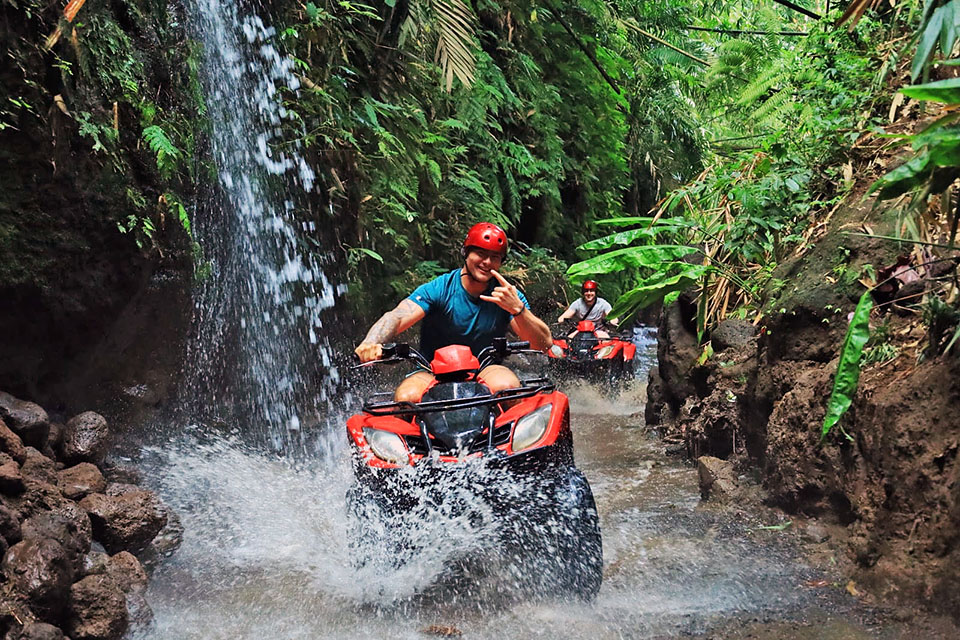
- Mud tracks: The signature of a true quad bike Ubud experience. After rain, these stretches become slippery, playful, and often the most memorable part of the ride.
- Rice fields & plantations: Open, sunlit sections where green terraces ripple outward and farmers wave as you pass. Here, the pace slows, offering a moment to breathe.
- Village paths & tunnels: Some routes pass through bamboo tunnels, small bridges, and traditional village roads, offering glimpses of daily life beyond the tourist lens.
- Streams & shallow river crossings: Cool water splashes up as tires cut through, refreshing and grounding.
This diversity makes ATV riding in Ubud feel like multiple adventures stitched together into one continuous journey.
Duration & Pacing
Most ATV tours Ubud last between 60 to 90 minutes of riding time, with additional time for safety briefings, practice runs, and gear fitting. The pace is guided — not a race — allowing beginners to build confidence while still giving experienced riders room to enjoy faster sections where appropriate.
Expect a Rhythm
Bursts of adrenaline followed by slower, scenic stretches. Guides lead from the front, adjust speed to group comfort, and often pause at viewpoints or particularly fun sections.
Solo vs Tandem ATVs
Travelers can usually choose between:
- Solo ATVs: Ideal if you want full control and a more engaged riding experience.
- Tandem ATVs: Shared between two riders, often chosen by couples, friends, or parents riding with older children.
Tandem rides prioritize stability and comfort, while solo ATVs offer sharper handling and a stronger sense of independence. Both options follow the same trails and safety standards.
What surprises many first-timers is how quickly hesitation fades. Within minutes, the body adjusts, the terrain becomes readable, and the ride transforms from “careful” to confident joy.
Safety, Skill Level & What to Expect
Despite the wild appearance of mud-splattered photos, ATV tours in Ubud are structured, regulated, and safety-focused when booked through reputable operators. Understanding what to expect removes anxiety and allows you to fully enjoy the ride.
Skill Level & Accessibility
You do not need prior ATV or motorcycle experience. Most participants are beginners. Before riding, guides conduct a briefing covering:
- Throttle and brake control.
- Turning techniques.
- Body positioning on slopes and uneven ground.
- Hand signals and trail etiquette.
A short practice loop is often included, ensuring everyone is comfortable before entering the main trail.
Is an ATV Tour in Bali Safe?
When operated responsibly, ATV tours in Bali are safe. Licensed operators provide:
- Helmets and protective gear.
- Well-maintained ATVs with automatic transmission.
- Trained guides riding ahead and behind the group.
- Routes designed to avoid extreme risk.
Risk increases when travelers push beyond instructions or underestimate terrain conditions — which is why guided pacing and adherence to rules matter.
Physical Expectations
ATV riding requires moderate physical engagement:
- Steering through mud and uneven ground uses arms and core.
- Standing slightly on footrests helps absorb bumps.
- Basic stamina is helpful, though frequent stops are common.
It is not overly strenuous, but participants with back issues, recent injuries, or mobility limitations should consult operators beforehand.
Weather Awareness
Weather dramatically shapes the experience:
- Dry conditions: Easier handling, clearer trails, less splashing.
- Wet conditions: More mud, slower pace, higher fun factor — but also more caution.
Rain does not automatically cancel tours; it often enhances them. However, operators may adjust routes or timing to ensure safety during heavy downpours.
💡 Insider’s Tips – How to Enjoy ATV Tours in Ubud Safely
- Wear old clothes: Mud is part of the experience — expect it everywhere.
- Closed shoes are essential: Grip and protection matter on wet trails.
- Relax your grip: Let the ATV move beneath you rather than fighting it.
- Listen to guides: They know which sections demand focus and which invite fun.
- Check weather early: Light rain = fun. Heavy storms = reschedule if advised.
👉 For a deeper breakdown of gear, posture, and risk management, explore our dedicated resource here: → ATV Safety Guide – Ubud
An ATV jungle tour in Ubud is not about speed or bravado. It is about texture — mud on skin, engine vibrations through your hands, the smell of wet earth and rice fields. It reconnects you to Bali at its most physical, reminding you that beneath temples and terraces lies a landscape built to be touched, crossed, and explored.
By the end of the ride, you are not just cleaner or dirtier — you are lighter. Smiling. Fully present. And quietly aware that Ubud’s adventure side has now left its mark on you.
Cycling in Ubud – Pedaling Through Bali’s Living Landscape
After engines quiet and rivers fade into memory, cycling in Ubud offers a different rhythm of adventure — slower, quieter, and deeply human. This is not about conquering terrain, but about moving with it, letting gravity, conversation, and curiosity guide the journey.
A cycling tour in Ubud is often described as “easy,” yet that simplicity hides its richness. Each turn of the pedals carries you through landscapes still actively lived in: morning offerings placed at doorsteps, farmers tending irrigation gates, children waving from roadside shrines. Here, Bali does not perform — it continues.
Where rafting immerses you in water and ATVs plunge you into mud, Bali countryside cycling lets you breathe. You hear roosters before you see them. You smell clove and wet earth before you reach the fields. And you understand, mile by mile, why Ubud has long been the island’s cultural heart.
Downhill Cycling Routes – Letting the Island Carry You
Most cycling tours around Ubud are designed as downhill or gently sloping routes. Starting in the cooler highlands north or east of town, riders coast gradually toward lower villages and valleys.
This approach makes the experience:
- Accessible for all fitness levels.
- Relaxed, with minimal exertion.
- Scenic, as attention stays on surroundings rather than effort.
The elevation drop is subtle but steady. You pedal when you want, coast when you wish, and stop often — not out of fatigue, but fascination.
From early on, the route reveals Bali’s vertical story:
- Mist lifting from mountain foothills.
- Coffee and cacao plantations along ridge roads.
- Narrow lanes winding into villages and rice terraces.
The descent feels natural, as if the island itself is gently pulling you forward.
Village-to-Village Cycling – Life Between the Roads
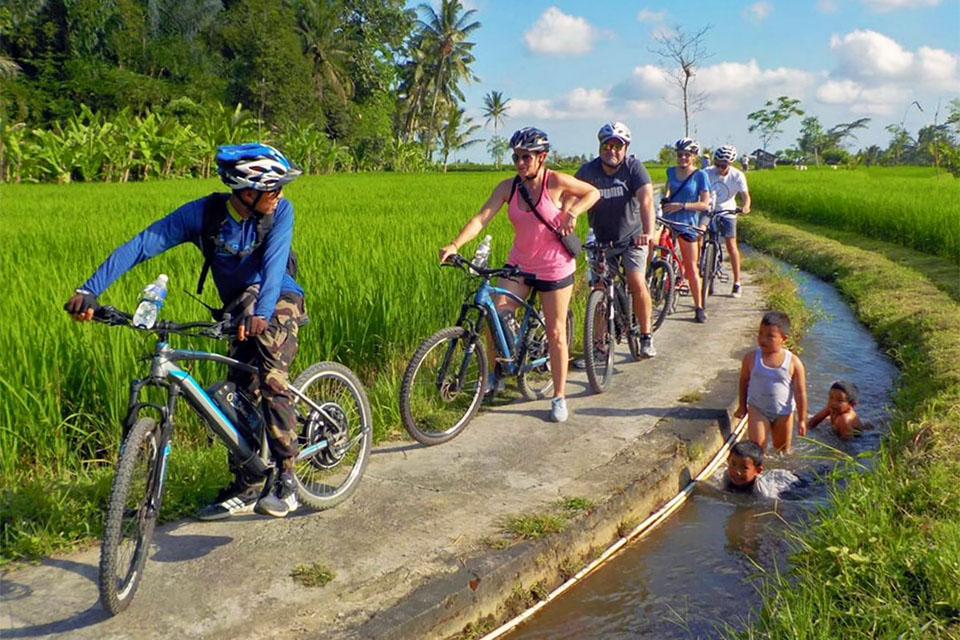
The true soul of cycling in Ubud lives beyond the main roads. Tours deliberately weave through village lanes and backroads, where cars are rare and daily life sets the pace.
These paths reveal moments no vehicle can access:
- Women carrying offerings balanced with effortless grace.
- Elderly men repairing irrigation channels by hand.
- Ducks crossing roads in disciplined lines toward flooded fields.
- Children laughing as they race bicycles older than themselves.
Here, the bicycle becomes an invitation rather than an intrusion. Locals smile, greet, and sometimes stop to chat. There is time — and space — for connection.
Guides often pause at:
- Family temples, explaining how shrines orient toward mountains and sea.
- Rice paddies, where the Subak system still governs water sharing.
- Village halls, where ceremonies quietly shape the calendar.
You begin to understand that Bali’s beauty is not just visual — it is organized, cooperative, and ritualized.
Cultural Encounters – Riding Through Living Traditions
What sets a cycling tour Ubud apart from casual biking is interpretation. Guides act as cultural translators, turning scenery into stories.
Along the route, you may encounter:
- A temple ceremony unfolding mid-morning.
- A home compound, where multiple generations share space.
- A village cremation tower under preparation.
- A roadside warung, offering fresh coconut or sweet tea.
Cycling allows you to stop without disruption. You dismount, observe, ask questions, and learn — not from signs, but from lived context.
These encounters are never staged. They happen because bicycles move at the same speed as life here.
💡 Insider’s Picks – Best Cycling Routes Near Ubud
- Volcano-to-village routes: Starting near Mount Batur’s foothills, these rides descend through cool air, plantations, and deep valleys before reaching Ubud’s outer villages — perfect for panoramic storytelling.
Rice terrace backroads: Lesser-known lanes near Tegallalang and Pejeng offer intimate views of Subak irrigation, early-morning farm work, and reflective green corridors best enjoyed at slow pace.
Pace, Comfort & Who Cycling Is For
One of the most overlooked strengths of Bali countryside cycling is its inclusivity.
Cycling tours in Ubud are ideal for:
- Families with older children.
- Couples seeking shared discovery.
- Solo travelers wanting gentle exploration.
- Cultural travelers who prefer movement over museums.
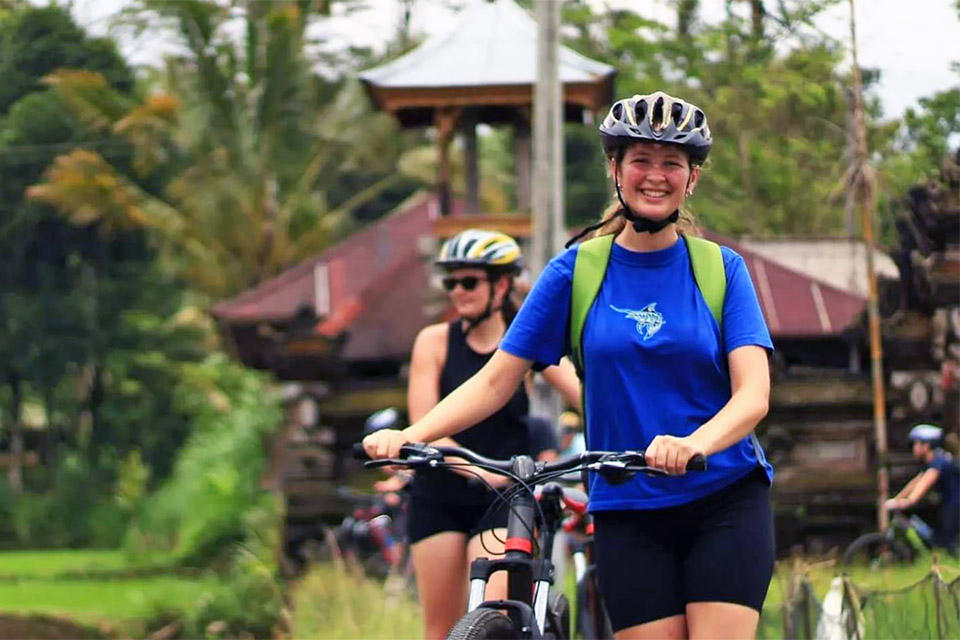
Bikes are typically well-maintained mountain or hybrid models, with helmets provided. Support vehicles often follow at a distance, carrying water and offering rest if needed.
Stops are frequent, shade is abundant, and guides adjust the pace intuitively. This is not exercise disguised as tourism — it is tourism enriched by motion.
The Quiet Power of Pedaling Through Bali
By the time the ride ends, you may not feel the rush of adrenaline — but you will feel grounded. Cycling through Ubud does something subtle and lasting: it connects landscape, culture, and body into a single experience.
You remember not just what you saw, but how it felt:
- The breeze on downhill curves.
- The crunch of gravel under tires.
- The pause before a temple gate.
- The laughter exchanged without shared language.
In a place often photographed from above or behind glass, cycling returns Bali to eye level. And in doing so, it reveals Ubud not as a destination to tick off — but as a living landscape you were briefly allowed to pass through, quietly, on two wheels.
👉 For route details, terrain breakdowns, and what to expect on different tours, explore: → Cycling Tours Around Ubud
Choosing the Right Adventure for You
Ubud does not ask you to be a certain kind of traveler. It meets you where you are — whether curious, cautious, celebratory, or quietly adventurous. With so many adventure tours in Ubud available, the real question is not what is best, but what fits you best, right now.
The beauty of Ubud’s adventure scene lies in its range. Within half a day, you can float gently through jungle valleys, race muddy tracks with friends, or pedal silently through villages still waking up. Choosing the best adventure tours Ubud has to offer is about aligning energy, intention, and timing.
Below is a guide — not a prescription — to help you find your rhythm.
First-Time Visitors – Taste the Thrill, Keep the Balance
For travelers experiencing Ubud for the first time, adventure should feel like an extension of discovery, not an interruption. You want excitement, but not exhaustion. Structure, but not rigidity.
The best starting points:
- White water rafting on the Ayung River — scenic, safe, and iconic.
- Downhill cycling tours — effortless movement with deep cultural insight.
These experiences introduce you to Ubud’s geography gently. You see the valleys, rivers, and villages that give the town its character, while still leaving time for temples, cafés, and evening walks.
For first-timers, half-day adventures work beautifully. They provide contrast to yoga sessions and market strolls, reminding you that Ubud’s calm is layered over movement and life.
Families with Teens – Shared Energy & Stories
When traveling with teenagers, the challenge is finding something that feels exciting without feeling reckless. Ubud excels here.
The most popular Ubud adventure for families includes:
- Ayung River rafting, splashy but manageable rapids.
- ATV tours on controlled jungle tracks, in tandem rides.
- Cycling routes through villages, combining learning with movement.
These activities create shared moments — the kind that turn into stories long after the trip ends. Teens love the physicality; parents appreciate the safety standards and supervision.
Guides are accustomed to family dynamics. They pace experiences, explain clearly, and keep energy light. Adventure becomes a bridge across generations, not a dividing line.
Couples – Connection Through Experience
For couples, adventure in Ubud is rarely about speed. It’s about shared presence.
Cycling through rice terraces together, floating side by side on a river raft, or laughing through muddy ATV tracks creates connection without pressure. Experiences that invite conversation, teamwork, and quiet moments in between.
Top picks for couples:
- Private or small-group rafting tours.
- Scenic cycling routes ending near Ubud cafés.
- Gentler ATV tracks with panoramic viewpoints.
Adventure becomes a way to step outside routine roles. You are not planners or photographers — you are participants, responding to the island together.
Groups of Friends – Energy, Laughter & Momentum
For groups, Ubud’s adventure offerings lean into playfulness and momentum. This is where the island’s wild side shines brightest.
Best options include:
- ATV tours in Ubud, with muddy tracks and friendly competition.
- Telaga Waja rafting for higher-adrenaline seekers.
- Multi-activity days, combining rafting and ATV experiences.
Group adventures thrive on contrast — moments of intensity followed by shared meals and stories. Ubud’s proximity allows you to stack experiences without long travel times, keeping energy high and logistics simple.
Let the Adventure Match the Moment
Choosing the right adventure in Ubud is not about ticking boxes. It’s about listening — to your body, your companions, and the pace of your trip. Some days call for mud and laughter. Others ask for quiet pedaling or drifting water. Ubud offers all of it, close together, without forcing a choice.
When adventure aligns with intention, it doesn’t exhaust you — it grounds you. And that, perhaps, is what makes Ubud’s adventure scene so enduring: it doesn’t compete with the island’s calm. It flows beneath it, waiting for you to step in when the moment feels right.
Combining Adventure Activities in One Day
One of Ubud’s quiet advantages is how close everything feels. Rivers, jungle tracks, villages, and waterfalls don’t sit at opposite ends of the island — they interlock like pieces of the same landscape. This makes it surprisingly easy to combine multiple adventure activities in Ubud into a single, well-paced day without feeling rushed or overwhelmed.
The key is not intensity, but flow. When activities are paired thoughtfully, the day unfolds naturally — effort followed by release, adrenaline softened by stillness.
Cycling + Rafting – Effort Meets Ease
For travelers who prefer steady movement over bursts of adrenaline, cycling combined with rafting creates a beautifully layered day.
Most cycling tours begin in the highlands, gently descending through villages, temples, and farmland. The effort is light, the scenery expansive. You pass morning offerings, farmers at work, children heading to school — adventure woven quietly into daily life.
Rafting follows naturally. Where cycling engages the eyes and mind, rafting engages the senses — sound, splash, current. Together, they offer a complete experience of Ubud’s geography, from ridge to river.
Best for:
- Couples.
- First-time visitors.
- Travelers seeking balance rather than extremes.
Adventure + Waterfalls – Energy, Then Stillness
Some days call for contrast. Pairing an adventure activity with visiting a waterfall near Ubud creates a day that moves from action to reflection.
A typical rhythm:
- Morning rafting or ATV tour.
- Afternoon visit to Tegenungan, Tibumana, or nearby jungle falls.
- Time to swim, sit, and listen.
Waterfalls offer release — both physical and mental. After movement, you are more receptive. The sound of falling water becomes grounding rather than background.
This pairing works especially well for:
- Mixed-energy groups.
- Families.
- Travelers who want both thrill and calm.
ATV + Rafting – From Mud to Water
This is Ubud’s most popular double-adventure pairing, and for good reason.
The day often begins on ATV jungle tracks, when the ground is still cool and firm. You move through muddy corridors, rice field edges, and shaded forest trails, waking the body and shaking off hesitation. The pace is energetic, playful, and grounding.
By midday, you transition to white water rafting, where movement becomes fluid. Instead of steering and reacting, you float, paddle, and respond together. Muscles loosen. Laughter replaces focus.
Why it works:
- Physical intensity balanced by rhythmic movement.
- Minimal travel time between locations.
- Shared sense of accomplishment by day’s end.
This pairing is ideal for friends, couples, and active first-time visitors looking to experience Ubud’s adventurous side in one satisfying arc.
💡 Insider’s Tips – Smart Adventure Pairings in Ubud
- Start with the more physical activity while energy is high.
- Avoid stacking two high-adrenaline tours back-to-back.
- Allow buffer time for showers, meals, and rest.
- Choose guided packages to reduce logistics and travel time.
- Finish near Ubud center for an easy evening unwind.
Combining adventures in Ubud is less about doing more, and more about doing wisely. When planned well, a single day can carry you from jungle tracks to river currents to falling water — each experience deepening the last.
For seamless timing, local insight, and well-matched itineraries, Adventure Tours in Ubud make it possible to explore boldly without losing the island’s rhythm.
Safety, Sustainability & Responsible Adventure
Adventure in Ubud is not about conquering nature — it’s about moving with it. Rivers are not obstacles, jungles are not backdrops, and villages are not playgrounds. They are living systems, layered with meaning, memory, and daily life. This is why responsible adventure in Bali matters as much as excitement itself.
In Ubud, safety and sustainability are inseparable. One protects people; the other protects the place.
Certified Operators: Where Safety Begins
Ubud’s position as Bali’s adventure hub didn’t happen by chance. It grew alongside professional standards that many travelers don’t immediately see — but feel.
Certified adventure operators in Ubud follow structured safety protocols:
- Licensed and trained local guides.
- Pre-activity briefings and equipment checks.
- International rafting and ATV safety standards.
- Clear weather and river condition monitoring.
This is why families, first-time adventurers, and cautious travelers often feel more comfortable choosing adventure tours in Ubud over less regulated regions. The presence of experienced guides doesn’t limit freedom — it creates confidence, allowing you to focus on the experience rather than the risk.
Eco Adventure in Ubud: Leave No Heavy Trace
The same rivers that carry rafts feed rice fields downstream. The same jungle trails used by ATVs connect villages and temple land. Adventure here exists inside a delicate balance.
Practicing eco adventure in Ubud means making small, conscious choices that add up:
- Use reusable bottles instead of single-use plastics.
- Avoid touching or removing plants, stones, or offerings.
- Stay on designated trails to prevent erosion.
- Never use soap or chemicals in rivers or waterfalls.
Many operators now invest directly in trail maintenance, river cleanups, and waste reduction initiatives — ensuring that adventure tourism contributes to preservation rather than pressure.
Respecting Villages: Adventure Through Living Communities
Ubud’s adventure routes pass through places where people live, pray, and farm. A respectful traveler notices this — and adjusts.
Responsible adventure includes:
- Slowing down near village roads.
- Dressing modestly when passing temples or shrines.
- Asking permission before photographing locals.
- Supporting small warungs and community stalls.
These gestures transform tourism from intrusion into exchange. Instead of passing through, you briefly belong.
A Shared Responsibility
Responsible adventure in Bali is not a rulebook — it’s a mindset. One that understands thrill does not require harm, and exploration does not excuse carelessness.
By choosing certified operators, respecting local customs, and traveling lightly, your journey becomes part of a larger effort to protect Bali’s highlands for those who live here — and for those yet to arrive.
For deeper insight into mindful exploration, explore our guide on Responsible Travel in Bali’s Highlands, where adventure and stewardship walk the same path.
Because in Ubud, the most meaningful adventure is one that leaves the land stronger, quieter, and still full of stories.
Safety, Sustainability & Responsible Adventure
Adventure in Ubud feels spontaneous — a river calling from the valley, a jungle trail disappearing into green — but the most memorable days are often shaped by quiet preparation. Knowing what to wear, when to go, and how logistics work allows you to step into the experience fully present, unburdened by last-minute concerns.
This is not about overplanning. It’s about giving yourself the freedom to enjoy the ride.
What to Wear: Comfort Over Style
Ubud’s adventure activities reward practicality. Think movement, water, mud, and sun.
For rafting in Ubud:
- Quick-dry clothing or swimwear.
- Secure sandals or water shoes (no flip-flops).
- A change of clothes for after the river.
For ATV tours in Ubud:
- Lightweight long sleeves or an old T-shirt (mud happens — gloriously).
- Long pants or knee-length shorts.
- Closed shoes with good grip.
For cycling tours:
- Breathable activewear.
- Light jacket for early morning downhill starts.
- Sunglasses and sunscreen.
Bring minimal valuables. Most operators provide lockers or waterproof bags, but traveling light always feels better when adventure leads the way.
Best Seasons for Adventure in Ubud
Ubud’s central highlands offer year-round adventure, but each season carries a different mood.
- Dry season (April–October):
Clear skies, stable river levels, ideal for cycling and first-time rafting. ATV routes are dusty but fast. - Green season (November–March):
Rivers swell, jungles deepen in color, and rafting becomes more dramatic. Expect occasional rain — and a higher chance of mud-soaked ATV rides.
Morning departures are almost always best. Cooler air, fewer crowds, and softer light turn even popular routes into more personal experiences.
Pickup Logistics: Effortless from Ubud
One of the reasons adventure tours in Ubud work so well is logistics. Most activities include hotel pickup and drop-off from central Ubud and nearby areas.
What to know:
- Pickups typically start early (7–8 AM).
- Exact times are confirmed the night before.
- Travel times are short — most adventure sites are within 15–45 minutes.
This means you can enjoy half-day adventures without sacrificing your entire schedule. Morning adventure, afternoon spa — Ubud excels at balance.
Insurance & Safety Notes
While certified operators prioritize safety, adventure always carries an element of unpredictability. It’s wise to:
- Ensure your travel insurance covers adventure activities.
- Declare pre-existing conditions if relevant.
- Follow guide instructions, even when confidence grows.
Adventure in Ubud is designed to be accessible, not extreme. Trust the system, respect your limits, and let trained guides lead the way.
With the right preparation, Ubud’s wild side opens gently — not as a challenge to overcome, but as an invitation to move, breathe, and experience Bali beyond stillness.
Once the details are settled, all that remains is to say yes to the day ahead.
Adventure That Belongs to the Land
In Ubud, adventure never feels like an escape from something. It feels like a retur.
Return to movement after stillness.
Return to breath after thought.
Return to the land beneath your feet — wet, warm, alive.
This is what sets adventure in Ubud apart from anywhere else in Bali. The rivers you raft are not amusement rides; they are lifelines flowing from ancient volcanoes to rice fields that still feed villages. The jungle trails you cross by ATV are not carved for speed alone; they pass temples, farms, and backyards where daily life continues uninterrupted. The cycling routes that carry you downhill are not shortcuts — they are slow corridors through stories, greetings, and shared smiles.
Here, adventure is not about conquering terrain. It is about belonging to it, briefly and respectfully.
Ubud holds a rare balance. You can wake to birdsong and incense, spend the morning navigating rapids or jungle paths, and be back by afternoon for a long lunch, a massage, or quiet reflection. Thrill and calm do not compete here — they complete each other. That is why Ubud remains Bali’s most enduring base for adventure: it understands rhythm.
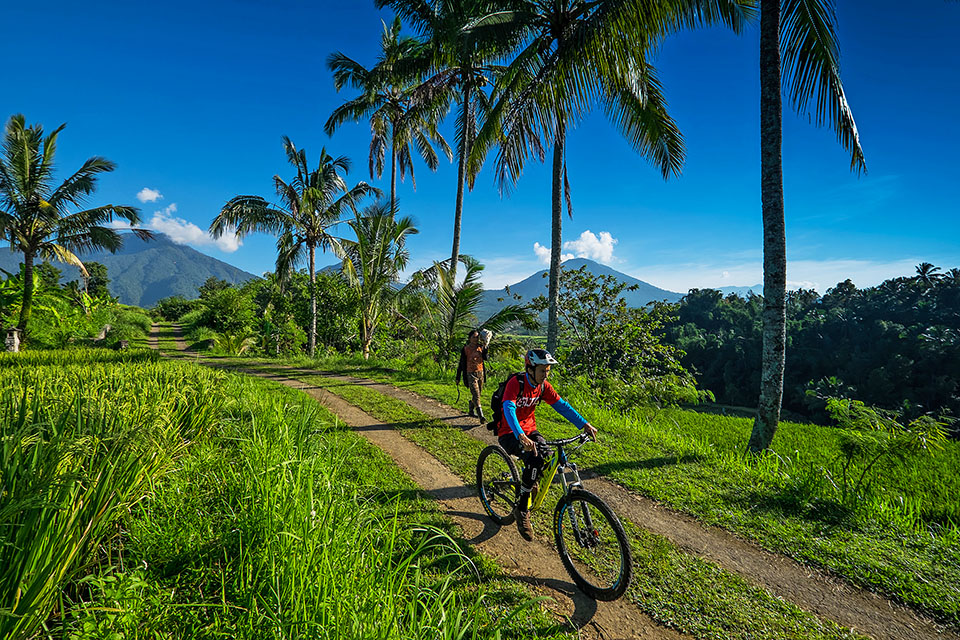
For first-time visitors, adventure becomes a way to understand the island beyond the surface. For returning travelers, it becomes a deeper conversation with the land — one that changes with seasons, water levels, and light. And for families, couples, and groups, it becomes shared memory: laughter in the river, mud on clothes, the quiet satisfaction of having moved together through something real.
This is also why responsible travel matters so deeply here. The future of adventure tours in Ubud depends not on pushing limits, but on protecting what makes these experiences possible — clean rivers, intact jungles, respected villages, and skilled local guides who carry knowledge as much as equipment. When adventure is done with care, it gives back as much as it takes.
At HalloBALI, this philosophy guides every experience. Adventures are thoughtfully paced, led by trained local teams, and designed to fit naturally into Ubud’s landscape and culture. No rush. No excess. Just honest experiences that leave space for both excitement and reflection.
Because in the end, the most powerful moments are often the quiet ones: drifting after the final rapid, pausing at a village bend, coasting downhill as the valley opens below you. These are not interruptions in your journey — they are the moments that anchor it.
If you’re ready to experience Bali in motion — with respect, safety, and meaning —
✅ Explore Adventure Tours in Ubud with HalloBALI — guided, grounded, and shaped by the land itself.
FAQ
Is Ubud good for adventure activities?
Yes — Ubud is one of the best places in Bali for adventure activities. Its location in the central highlands gives it access to jungle valleys, volcanic rivers, rural backroads, and forest trails, all within short driving distances. This makes adventure in Ubud ideal for half-day or full-day experiences such as white water rafting, ATV tours, and cycling, without sacrificing comfort or safety.
What are the best adventure activities in Ubud?
The most popular Ubud adventure activities include:
- White water rafting in Ubud, especially on the Ayung River.
- ATV tours in Ubud, riding through jungle tracks, rice fields, and tunnels.
- Cycling tours around Ubud, often downhill through villages and countryside.
These activities are well-established, professionally guided, and suitable for a wide range of travelers, from beginners to adventure seekers.
Is white water rafting in Ubud safe for beginners?
Yes. Rafting in Ubud is considered beginner-friendly, especially on the Ayung River. Most rafting trips are Class II–III rapids, guided by licensed instructors with full safety briefings and equipment provided. Children above a certain age (usually 7–8 years, depending on water levels) can join, making white water rafting Ubud a popular family activity.
Which river is better for rafting from Ubud: Ayung River or Telaga Waja?
It depends on your travel style:
- Ayung River rafting is closer to Ubud, more scenic, and ideal for beginners or families.
- Telaga Waja rafting from Ubud offers stronger rapids and a longer course, better for thrill-seekers willing to travel farther.
Both are safe when done with reputable operators, but Ayung River is the most common choice for first-time visitors.
Are ATV tours in Ubud suitable for first-timers?
Yes. ATV tours in Ubud are designed for beginners as well as experienced riders. Before the ride, guides provide safety instructions and practice sessions. You can choose between solo or tandem quad bikes, making it accessible even if you’ve never ridden an ATV before. Fitness requirements are moderate, and routes are adjusted based on weather and skill levels.
Is cycling in Ubud difficult?
Most cycling tours in Ubud are downhill or gently paced, making them suitable for casual riders. These tours focus more on scenery and cultural encounters than speed or endurance. Riders pass through rice fields, village roads, and temples, with frequent stops. Helmets and support vehicles are usually included, making Bali countryside cycling safe and enjoyable.
Can families with children do adventure activities in Ubud?
Yes. Many Ubud adventure tours for families are specifically designed with safety and flexibility in mind. Rafting is suitable for older children, cycling tours often accept teens, and ATV rides allow tandem options. Always check age and height requirements in advance, especially during rainy season when water levels may be higher.
What should I wear for adventure activities in Ubud?
For most adventure tours in Ubud, wear:
- Lightweight, quick-dry clothing.
- Comfortable footwear (sports shoes or sandals with grip).
- Change of clothes for rafting or ATV rides.
- Sunscreen and insect repellent.
For cycling, closed shoes are recommended. Operators usually provide helmets and safety gear.
What is the best time of year for adventure in Ubud?
Adventure in Ubud is available year-round, but conditions vary:
- Dry season (April–October): Best for cycling and ATV tours, clearer rivers.
- Rainy season (November–March): Lush scenery and more exciting rafting, but extra caution required.
Morning departures are generally best for cooler temperatures and quieter trails.
How long do adventure tours in Ubud usually take?
Most Ubud adventure activities last between 2–4 hours, making them easy to combine. Full-day itineraries often pair rafting with ATV tours or cycling with waterfalls. This flexibility is one reason Ubud is considered Bali’s most convenient adventure base.
Do I need travel insurance for adventure activities in Ubud?
While many operators include basic coverage, travel insurance is strongly recommended, especially for rafting and ATV tours. Make sure your policy covers adventure activities. Reputable operators follow strict safety standards, but insurance adds peace of mind.
Are adventure tours in Ubud environmentally responsible?
Many established operators focus on eco adventure in Ubud, including waste management, river conservation, and respectful village access. Choosing small-group tours and licensed guides helps ensure that responsible adventure in Bali supports local communities rather than harming them.
Can I combine adventure activities with cultural experiences?
Absolutely. One of the strengths of adventure Ubud is how easily it blends with culture. Many itineraries combine rafting with temple visits, cycling through villages, or ATV rides followed by waterfalls or rice terraces. This balance keeps the experience exciting without losing Ubud’s spiritual and cultural depth.
Is it better to book adventure tours in advance or on arrival?
During peak season, it’s best to book adventure tours in Ubud in advance, especially for popular activities like rafting and ATV tours. Booking ahead also allows better coordination, hotel pickup, and access to trusted operators with clear safety standards.