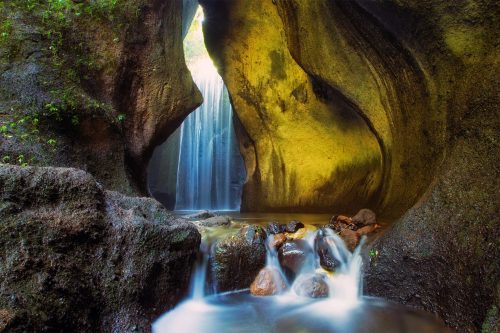
If there’s one thing every first-time visitor should know before planning a trip to Sumba, it’s this: timing isn’t just a detail here — it shapes the entire experience. The same island can feel wildly different depending on when you arrive. Hills that glow gold under the dry season sun can transform into rolling green carpets after a few weeks of rain. Waterfalls that are little more than trickles in one month can thunder through deep canyons in another. Even the roads, the festivals, and the pace of daily life shift with the seasons.
Understanding the best time to visit Sumba isn’t about chasing “perfect weather” alone. It’s about choosing which version of Sumba you want to experience.
💡Related reads:
→ Sumba Travel Guide & Tours
→ Book Sumba Tours Online Confidently
→ Top Things to Do in Sumba: Beaches, Waterfalls, Villages & Hidden Spots
→ Where to Stay in Sumba: Best Areas, Resorts, Boutique Hotels & Local Homestays
→ Sumba Itineraries: 2–7 Day Trip Plans for First-Timers & Photographers
→ How to Get to Sumba: Flights, Routes & Practical Travel Tips
Timing Matters More in Sumba Than You Expect
Unlike many tropical destinations where seasons blur together, Sumba has a more dramatic rhythm. Its landscapes sit somewhere between Africa-like savannas and lush Indonesian jungles, and the balance between those two extremes is controlled almost entirely by rainfall. Visit during the dry months and you’ll see Sumba in its most cinematic form — wide open plains, dusty tracks, endless horizons, and villages silhouetted against pastel skies. Come during the wetter months and the island feels alive in a different way, with rice fields shimmering in green, waterfalls roaring back to life, and a sense of quiet intimacy as fewer travelers venture out.
This climate-sensitive character affects nearly every Sumba attraction you’ll want to explore. Waterfalls like Lapopu or Tanggedu are at their most powerful during and just after the rainy season, while savanna viewpoints such as Wairinding Hill are at their most photogenic when the land dries and turns golden. Beaches remain beautiful year-round, but sea conditions, tides, and accessibility can vary depending on the month.

Timing also determines whether you’ll witness Sumba at its most ceremonial or its most tranquil. Traditional events like the Pasola Festival — a dramatic horseback spear-fighting ritual tied to the agricultural calendar — only take place during specific months and in specific regions. Outside of festival periods, Sumba feels slower and more introspective, with long drives through quiet countryside and village life unfolding at an unhurried pace.
Practical considerations matter too. Some remote roads become challenging after heavy rains, while long overland journeys are far easier during the dry season. If your plan involves crossing from West Sumba to East Sumba, chasing waterfalls, or reaching isolated beaches, knowing what to expect by season isn’t optional — it’s essential.
Sumba isn’t a destination you simply visit — it’s an island you time.
This guide is designed to be your planning companion within the wider Sumba travel guide ecosystem. It works alongside deeper articles on things to do in Sumba and individual attraction guides, helping you decide when to go before you decide where to go. Think of it as the context layer — the piece that helps everything else make sense.
Because in Sumba, timing doesn’t just influence the weather. It defines the landscapes you’ll see, the experiences you’ll have, and the stories you’ll take home with you.
💡 Insider’s Insight: Timing Matters More in Sumba Than Bali
- Sumba’s landscapes change dramatically between seasons.
- Road access affects which attractions are realistically reachable.
- Cultural events follow lunar and ancestral calendars, not fixed dates.
- Rainfall impacts East and West Sumba differently.
Sumba’s Climate: Dry vs Wet Season Explained
To plan your trip well, it helps to first understand how Sumba weather actually works. While it sits firmly within Indonesia’s tropical climate, Sumba doesn’t behave quite like its better-known neighbours. The island follows a clear dry–wet rhythm, and the contrast between the two seasons is far more pronounced than many travellers expect.
At a high level, Sumba seasons are shaped by monsoon winds that sweep across the Indonesian archipelago. From around May to October, the southeast trade winds dominate, bringing drier air from Australia. This period forms the Sumba dry season, when rainfall drops significantly and the island’s famously open landscapes come into full view. From November to April, the winds reverse direction, carrying moisture from the Indian Ocean and marking the Sumba rainy season.
In Sumba, the same road can feel like two completely different journeys, depending on the month you travel.
What makes Sumba particularly interesting is how it sits within these monsoon systems. Located south of Flores and east of Bali, Sumba receives less consistent rainfall than islands closer to Java’s volcanic spine. There are no towering volcanoes here to trap moisture, which is one of the main reasons Sumba is noticeably drier than Bali. While Bali can feel lush and green for most of the year, Sumba spends long stretches in a semi-arid state, especially in the east.
Temperature-wise, Sumba remains fairly stable year-round. Daytime highs usually hover between 28–32°C, with slightly cooler evenings, particularly in hillier areas. What changes more noticeably is not the heat, but the humidity levels. During the dry season, the air feels lighter and crisper, especially in the mornings and evenings. In the rainy months, humidity increases, and days can feel heavier, particularly after rainfall.
Rainfall patterns also vary across the island. West Sumba tends to receive more rain than the east, thanks to its slightly higher elevation and greener terrain. This means waterfalls and rivers in the west often stay active longer into the dry season. East Sumba, by contrast, dries out faster and more dramatically, with savannas turning golden earlier in the year. These regional differences are important when planning which Sumba attractions to prioritise and when.
Sea conditions follow a similar seasonal rhythm. During the dry season, seas are generally calmer on the south coast, making it a popular time for beach-hopping and offshore activities. In the wet season, stronger swells can roll in, especially along the southwestern coastline — great news for surfers, but something swimmers and snorkellers need to be mindful of.
Understanding this dry–wet dynamic is the foundation for deciding when to visit Sumba. It explains why waterfalls roar in some months and disappear in others, why hills flip between green and gold, and why travel times can vary depending on road conditions. With this climate context in mind, choosing the right season becomes less about avoiding rain — and more about aligning your trip with the version of Sumba you want to experience.
Dry Season in Sumba: The Classic Choice
For many travelers, the Sumba dry season is considered the safest and most rewarding window to explore the island — and it’s easy to see why. From May to October, rainfall drops dramatically, skies open up, and Sumba reveals the vast, cinematic landscapes it’s become known for. If you’ve ever seen photos of endless savannas, solitary roads cutting through rolling hills, or traditional villages framed by cloudless skies, chances are they were taken during these months.
This period is often described as the best time to visit Sumba, especially for first-timers. Days are warm without being oppressive, evenings cool off nicely, and the lighter humidity makes long drives and outdoor exploration far more comfortable. The weather feels predictable, which matters on an island where distances are long and attractions are spread far apart.
One of the most striking changes during the dry season is the landscape itself. Grasslands across East and Central Sumba gradually turn shades of gold and ochre, creating an almost African-like atmosphere. Hills like Wairinding and the wide plains of Puru Kambera come alive visually during this time, offering sweeping views that feel raw and untamed. Photographers, in particular, love this season for its soft light, dramatic skies, and uninterrupted horizons.
For those chasing things to do in Sumba outdoors, the dry season opens up the island. Road trips become easier and more reliable, with dirt tracks and rural roads far more manageable without heavy rain. This makes it the ideal time to explore remote beaches, cross from West Sumba to East Sumba, or weave together multiple regions in a single itinerary. Long drives, while still slow, feel less taxing when the weather cooperates.
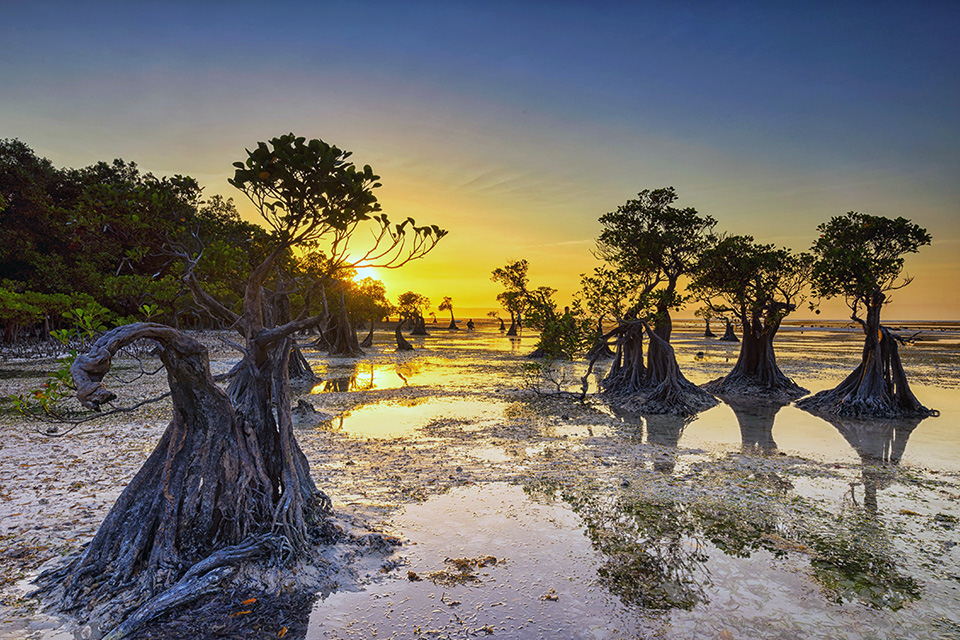
Beaches are another major highlight during these months. Coastal spots like Walakiri Beach, with its famous mangrove silhouettes, shine brightest under clear sunset skies. In the southwest, dramatic beaches such as Mandorak and Bwanna reveal their full colour when the water is calm and visibility is high. Even iconic stretches associated with luxury stays, like Nihiwatu Beach, tend to look their best during the dry season, when conditions are stable and access is straightforward.
Cultural exploration also benefits from dry-season travel. Visiting traditional villages is more comfortable when paths are dry and ceremonies are easier to attend. The towering thatched roofs of villages like Ratenggaro or Praijing stand out sharply against blue skies, and everyday village life unfolds outdoors, offering richer opportunities for observation and photography. Dry months also tend to align better with major cultural events and gatherings, depending on the year.
💡 Insider’s Tip: Dry Season Isn’t Always “Better”
- Expect golden savannas rather than green hills.
- Some waterfalls slow to a trickle by late dry season.
- Popular months mean higher accommodation demand.
- Early dry season (May–June) offers the best balance.
That said, the dry season isn’t without trade-offs. As rainfall disappears, waterfalls shrink or dry out entirely, especially toward the later months of August, September, and October. If chasing roaring cascades is a priority, this may not be the ideal window.
The island’s popularity peaks during this period, meaning higher accommodation prices and more competition for flights and private drivers, particularly in July and August.
Still, for travelers seeking clarity, accessibility, and that classic Sumba look — wide open spaces, golden hills, and sunlit villages — the dry season remains the most reliable choice. It’s the time when Sumba feels expansive and dramatic, inviting slow road trips, long sunsets, and unhurried exploration across some of the island’s most memorable landscapes.
💡Related reads (coming soon):
Best Beaches in Sumba; Visiors Guide to Wairinding Hill; Puru; Kambera Travel Guide; Sumba Road Trip Guide
Wet Season in Sumba: Lush, Wild & Underrated
While the dry months often get the spotlight, the Sumba rainy season offers a completely different — and often overlooked — side of the island. From November to April, rain transforms Sumba’s dry savannas into rolling green landscapes, rivers reappear, and waterfalls surge back to life. For travelers willing to trade predictability for atmosphere, this season can feel deeply rewarding.
Understanding when to visit Sumba really comes down to what you want to see. During the wet season, the island feels softer, quieter, and more intimate. Hills that were once dusty turn vivid green almost overnight. Rice fields shimmer under low clouds. Forested valleys feel alive with sound and movement. It’s the version of Sumba that feels closer to nature’s pulse — less cinematic in a dramatic way, but more immersive.

One of the biggest advantages of traveling during this period is the return of Sumba’s waterfalls. Places like Lapopu Waterfall, the tallest on the island, and Tanggedu Waterfall, with its sculpted canyon walls, are at their most impressive after sustained rainfall. Water levels rise, cascades widen, and swimming holes feel fresher and cooler. For travelers focused on Sumba points of interest tied to nature, this season offers experiences that simply aren’t possible during the drier months.
Another major draw is the lack of crowds. Outside of holiday periods, visitor numbers drop significantly, and popular spots feel almost private. Beaches are quieter, villages more relaxed, and accommodations often come at lower prices. There’s a sense that you’re seeing Sumba as it is, rather than as a destination shaped around tourism. For photographers and slow travelers, this quieter rhythm can be a gift.
However, the wet season does come with challenges — and it’s important to be realistic about them. Rainfall isn’t constant, but when it arrives, it can be heavy. Some rural roads become muddy or slippery, particularly those leading to remote beaches, waterfalls, or hilltop villages. Travel times can stretch longer than expected, and flexibility becomes essential. This is not the season for tightly packed schedules or rigid itineraries.
Access to certain areas may also vary by region. West Sumba generally handles rainfall better due to slightly more developed roads, while parts of East Sumba can become harder to reach after prolonged rain. Trekking to waterfalls may require local guides, both for navigation and safety. Sea conditions can also be rougher along parts of the coastline, making swimming or boating less reliable.
💡 Insider’s Pick: Best Months for Lush Landscapes
- February–March: Peak waterfalls and dramatic scenery.
- April: Transitional, greener but easier travel.
- West Sumba stays lush longer than the east.
So who is the wet season best for? It suits travelers who value experience over efficiency. Nature lovers chasing waterfalls, landscape photographers drawn to lush scenery, and repeat visitors looking to see a different face of the island often find this season especially rewarding. It’s also ideal for those who prefer quieter travel and don’t mind adapting plans as conditions change.
In short, the rainy months reveal a wilder, greener Sumba — one that feels less polished but deeply alive. If you’re comfortable with a bit of unpredictability, the wet season can be one of the most memorable times to explore the island’s natural and cultural depth.
💡Related reads (coming soon):
Lapopu Waterfall Guide; Tanggedu Waterfall Guide; Guide to Exploring Remote Village in Sumba; Best Nature Attractions in Sumba
Month-by-Month Guide: When to Visit Sumba
If you’re trying to figure out the best month to visit Sumba, this is where everything comes together. Rather than thinking in simple dry-versus-wet terms, it helps to look at Sumba through the lens of Sumba travel seasons, because each part of the year offers a distinct atmosphere, pace, and set of experiences. Below is a month-by-month breakdown to help you align your timing with the things to do in Sumba that matter most to you.
There’s no bad month in Sumba — only different versions of the island.

January–February: Rainy, Ritual-Filled, and Deeply Cultural
Weather Snapshot:
These months sit firmly within the rainy season. Expect warm temperatures, high humidity, and bursts of heavy rain, often in the afternoons or evenings.
Landscape Look:
Sumba is at its greenest. Rice fields glow, hills soften under cloud cover, and rivers and waterfalls run strong. The island feels lush and alive.
Best Experiences:
This is when the legendary Pasola Festival begins to take place in parts of West Sumba, following traditional lunar calendars. Witnessing Pasola is one of the most culturally immersive experiences on the island, offering rare insight into Sumba’s ancestral beliefs and agricultural rituals. Nature lovers will also appreciate full waterfalls and vibrant countryside.
Travel Considerations:
Road conditions can be challenging after heavy rain, especially to remote villages or beaches. Plans need flexibility, and guided travel is often easier. This period suits travelers prioritising culture and atmosphere over ease of movement.
March–April: Transitional Months, Waterfalls at Their Best
Weather Snapshot:
Rainfall becomes less predictable, with more dry stretches between showers. Humidity remains noticeable, but skies begin to clear more often.
Landscape Look:
This is one of the most visually balanced periods of the year — still green, but with improving visibility and softer light.
Best Experiences:
Waterfalls like Lapopu and Tanggedu are at their most impressive, making this a prime time for nature-focused travelers. Village visits become easier, and trekking conditions improve compared to earlier wet months.
Travel Considerations:
Some roads may still be affected by rain, but overall access improves. This is a strong shoulder-season choice for travelers who want lush scenery without peak-season crowds.
May–June: Early Dry Season Sweet Spot
Weather Snapshot:
Rain tapers off significantly. Days are warm, humidity drops, and skies are increasingly clear.
Landscape Look:
Green landscapes slowly begin transitioning toward drier tones, especially in East Sumba, while West Sumba retains patches of lush vegetation.
Best Experiences:
This is one of the most versatile periods for things to do in Sumba. Beaches are calm, road trips are comfortable, village exploration is easy, and there’s still enough water in rivers and waterfalls to enjoy nature spots.
Travel Considerations:
With fewer visitors than mid-year peak season, prices remain reasonable and popular attractions feel uncrowded. Many experienced travelers consider this the quiet “golden window.”
July–August: Peak Season, Best Weather, Most Activity
Weather Snapshot:
Dry, sunny, and consistently pleasant. This is Sumba’s most stable weather period.
Landscape Look:
Savannas begin to glow golden, skies are deep blue, and visibility is at its best.
Best Experiences:
Ideal conditions for beaches, photography, long road trips, and outdoor exploration. Cultural events and village ceremonies are more accessible, and coastal areas are at their most photogenic.
Travel Considerations:
This is peak season. Expect higher prices, limited accommodation availability, and more competition for drivers and flights. Planning ahead is essential. For first-time visitors seeking the easiest experience, this is often considered the safest answer to when to visit Sumba.
September–October: Quiet Dry Season, Golden Landscapes
Weather Snapshot:
Still dry and sunny, though slightly warmer. Humidity remains low.
Landscape Look:
This is when Sumba’s savannas fully transform into golden plains, particularly in East Sumba and around Puru Kambera.
Best Experiences:
Photographers love this time of year for dramatic light and colour contrast. Beaches remain excellent, and roads are still in good condition. Villages feel quieter after the peak-season rush.
Travel Considerations:
Waterfalls are minimal or dry, so this period suits travelers focused more on landscapes, beaches, and cultural exploration rather than waterfalls.
November–December: Early Rains, Fewer Visitors
Weather Snapshot:
Rain begins to return, usually in short bursts rather than constant downpours. Humidity rises.
Landscape Look:
The first rains breathe life back into the land. Hills start to green up, and dust settles.
Best Experiences:
A quieter time to explore villages, enjoy empty beaches, and experience Sumba without crowds. Nature begins its renewal, offering a softer, more peaceful atmosphere.
Travel Considerations:
Road conditions can vary, and sea conditions may become rougher. This period works best for flexible travelers who enjoy slower pacing and don’t mind adjusting plans.
💡 Insider’s Guide: How to Use the Month-by-Month Section
- Use weather to match experiences, not just comfort.
- Pair festivals with cultural regions.
- Factor in buffer days during wet months.
- Combine East + West Sumba strategicall.
Choosing the Best Month for You
There’s no single “perfect” answer to the best month to visit Sumba — only the right choice for your priorities. Whether you’re chasing waterfalls, festivals, golden savannas, or quiet roads, understanding Sumba’s seasonal rhythm allows you to match your trip with the experiences you value most. This month-by-month approach helps turn timing from a question mark into a strategic advantage, making every part of your journey feel intentional and well-timed.
Best Time to Visit Sumba for Specific Experiences
The best time to visit Sumba isn’t about weather alone — it’s about what you want the island to show you.
Choosing when to visit Sumba becomes much easier once you stop thinking in months and start thinking in experiences. Because the island changes so dramatically throughout the year, the best time to visit Sumba depends less on the calendar and more on what you want to do and see. Below, each experience highlights a different side of Sumba, helping you align your timing with the things to do in Sumba that matter most to you.

Best Time for Beaches
Ideal months: May–October
The dry season offers the most reliable beach conditions across the island. Clear skies, calmer seas, and stable tides make this the best time to explore iconic coastal Sumba attractions. Beaches feel expansive and photogenic, with crystal-clear water and soft afternoon light. Sunset spots like Walakiri shine during these months, while dramatic cliff-backed beaches in the southwest reveal their full colour without stormy conditions.
During the rainy season, beaches are still beautiful but less predictable. Stronger swells and rougher seas can limit swimming, especially on exposed coastlines. For travelers prioritising beach time, dry-season months provide the most consistent experience.

Best Time for Waterfalls
Ideal months: February–April
If waterfalls sit high on your list of Sumba points of interest, timing is crucial. The island’s most impressive cascades come alive during and just after the rainy season. Waterfalls like Lapopu and Tanggedu are at their widest and most powerful, surrounded by vibrant green vegetation.
By mid-to-late dry season, many waterfalls shrink significantly or dry up completely. Travelers chasing dramatic water flow, swimming pools, and lush scenery should aim for the late wet to early transitional months, even if that means navigating occasional rain.

Best Time for Culture & Pasola
Ideal months: February–March (varies by region)
For cultural immersion, timing your visit around traditional ceremonies is key. The Pasola Festival — one of Indonesia’s most striking rituals — takes place during specific weeks early in the year, following ancestral calendars rather than fixed dates.
Outside of Pasola, dry-season months still offer excellent opportunities for village visits, as roads are easier and daily life unfolds outdoors. Cultural travelers looking for ceremony and ritual should prioritise early-year visits, while those focused on everyday village life may prefer the calmer dry months.

Best Time for Photography
Ideal months: May–October (golden landscapes) or March–April (lush greens)
Photography in Sumba is deeply seasonal. Dry-season months deliver golden savannas, long shadows, dramatic skies, and crisp light — perfect for landscape and travel photography. Hills like Wairinding and Puru Kambera are especially striking during this period.
Meanwhile, March and April offer a different photographic mood: rich greens, flowing rivers, misty hills, and softer light. Photographers drawn to contrast and texture often find these shoulder months especially rewarding.
💡 Insider’s Tip: Timing Sumba for Photography
- Dry season: Textures, shadows, minimalist landscapes.
- Wet season: Layers, clouds, waterfalls, greenery.
- Sunrise often beats sunset in hill regions.
- Drones perform better in calmer dry-season winds.

Best Time for Surfing
Ideal months: April–October
Sumba has quietly earned a reputation for world-class waves, particularly along its southwestern coast. The dry season brings consistent swells and favourable wind conditions, making it the prime period for surfing in Sumba.
During the rainy months, surf can still be excellent, but conditions are less predictable and access to breaks may be more challenging due to road conditions. Experienced surfers often prefer the shoulder seasons, balancing swell quality with fewer crowds.

Best Time for Road Trips
Ideal months: May–September
Road trips are one of the most rewarding things to do in Sumba, but they depend heavily on weather. Dry-season months offer the smoothest travel, with fewer road closures and easier access to remote villages, beaches, and viewpoints.
In the wet season, long drives are still possible but require flexibility and patience. Muddy tracks, river crossings, and slower travel times are common. For travelers planning cross-island itineraries, dry-season road trips offer both comfort and reliability.
💡 Insider’s Warning: Road Trips by Season
- Wet season roads can double travel times.
- Some remote beaches become inaccessible.
- Hiring a local driver adds safety and flexibility.
- Always start drives early during rainy months.
Matching the Season to Your Travel Style
From beaches and waterfalls to ceremonies and road adventures, each experience reveals a different version of Sumba. By aligning your timing with the Sumba attractions you’re most drawn to, you turn seasonal variation into an advantage — not a limitation. This experience-first approach makes planning more intentional and ensures your visit captures the Sumba you came to see.
Peak vs Shoulder vs Low Season: When Should You Go?
Once you understand Sumba’s climate and monthly rhythms, the next step in deciding when to visit Sumba is weighing crowd levels, costs, and availability. Unlike mass-tourism destinations, Sumba never feels truly crowded — but there are noticeable differences between peak, shoulder, and low seasons. Knowing which one suits your travel style can make a significant difference to your overall experience.
Peak Season
Peak season in Sumba typically falls in July and August, aligning with the heart of the dry season and international holiday periods. Weather is at its most reliable, with clear skies, low humidity, and excellent conditions for beaches, road trips, and village visits.
Crowd Levels:
While Sumba never reaches Bali-level crowds, this is when you’ll encounter the highest number of visitors, particularly around popular beaches and well-known villages. Some luxury resorts and boutique stays operate at full capacity.
Pricing Trends:
Accommodation prices are at their highest, and flights can book out well in advance. Private drivers and guides are also in higher demand, so early planning is essential.
Availability:
Limited — last-minute travel can be challenging. Advance bookings are strongly recommended.
Who It Suits:
First-time visitors seeking the easiest logistics, families traveling during school holidays, and travelers who value predictable weather over flexibility.
Shoulder Season
Typically falls between low season and high season, May–June & September–October.
Shoulder season is where many seasoned travelers find the sweet spot. Weather remains largely dry, but visitor numbers drop noticeably compared to peak months.
Crowd Levels:
Low to moderate. Attractions feel relaxed, and it’s easier to enjoy beaches, viewpoints, and villages without feeling rushed.
Pricing Trends:
Prices soften slightly, especially in May, June, and late September. Accommodation options open up, and drivers are easier to secure.
Availability:
Good — even spontaneous plans are more manageable.
Who It Suits:
Photographers, couples, and independent travelers looking for balance. If you want strong weather conditions without peak-season pressure, shoulder season is often ideal.
Low Season
Low season, falls in November-April, overlaps with the Sumba rainy season, bringing fewer visitors and a slower rhythm to the island.
Crowd Levels:
Very low. Many attractions feel completely empty, and village life flows without tourist interruption.
Pricing Trends:
This is the most affordable time to visit. Accommodation discounts are common, and transport services are more flexible.
Availability:
High — even popular stays may have last-minute openings.
Who It Suits:
Nature lovers, repeat visitors, photographers chasing lush landscapes, and travelers who value atmosphere over convenience. It also suits those comfortable adapting plans due to weather.
💡 Insider’s Pick: Quietest Months for Beach Lovers
- May and September offer calm seas with fewer visitors.
- East Sumba beaches dry earlier in the year.
- Southwest beaches are more season-sensitive.
Choosing the Right Season for You
There’s no universal “best” season — only the best match for your priorities. If you value ease and predictability, peak season delivers. If you want balance, shoulder season offers strong weather with fewer compromises. If you’re chasing solitude, greenery, and cultural depth, low season may surprise you in the best way.
These Sumba travel tips help you choose not just when to go, but how you want to experience the island — whether that’s under golden skies, misty hills, or somewhere in between.
Regional Differences: East vs West by Season
One of the most overlooked aspects of planning a trip with a Sumba travel guide is how differently the island behaves from east to west. Although Sumba may look compact on a map, seasonal changes affect each region in distinct ways. Understanding these regional nuances helps you decide not just when to visit Sumba, but where to focus your time.

Rainfall & Climate Differences
West Sumba generally receives more rainfall than the east, particularly during the wet season. Its slightly higher elevations and greener terrain mean rain tends to linger longer, keeping rivers and waterfalls active well into the shoulder months. East Sumba, by contrast, dries out faster and more dramatically. Even during the rainy season, downpours can be shorter and more localized.
This difference matters when planning nature-based Sumba attractions. Waterfalls in West Sumba tend to be more reliable across seasons, while East Sumba’s appeal lies more in its open landscapes and savannas, especially during drier months.
Landscape Timing: Green vs Golden
Seasonal transitions show up earlier in East Sumba. As the dry season begins, hills and plains in the east quickly turn golden, creating the iconic savanna scenery Sumba is known for. This makes East Sumba particularly striking from June to October, when light and colour contrast are at their best.
West Sumba holds onto its greenery longer. During transitional months like March, April, and early May, the west offers a balance of lush landscapes and improving weather — ideal for travelers who want greenery without the heavier rains of earlier months.
Cultural Calendar & Ceremonies
Cultural timing also differs by region. Many of Sumba’s most well-known ceremonies, including variations of the Pasola Festival, take place in West Sumba, particularly early in the year. These events are tied to agricultural cycles and ancestral calendars rather than fixed dates.
East Sumba’s cultural highlights tend to be more woven into daily life: ikat weaving, market days, and village rituals that happen year-round. Seasonal weather affects accessibility more than scheduling here, making dry-season visits easier for village hopping.
Road Conditions & Travel Experience
Road conditions vary noticeably by region and season. West Sumba generally has better-maintained main roads, though rural tracks can still become muddy during heavy rain. East Sumba’s long, open roads are spectacular in the dry season but can be challenging after rainfall, particularly when accessing remote villages or savannas.
During the dry months, crossing between East and West Sumba is straightforward and scenic. In the wet season, travel remains possible but requires patience, flexibility, and often local guidance.
Planning with Regional Awareness
By understanding how seasons affect East and West differently, you can shape a smarter itinerary. Combining regions during the dry season offers contrast — green hills in the west, golden plains in the east. In the wetter months, focusing on one region rather than trying to see it all often leads to a smoother, more rewarding journey.
Travel Tips by Season: What to Prepare & What to Expect in Sumba
No matter when you plan to go, thoughtful preparation makes a meaningful difference in how you experience Sumba. Seasonal shifts affect not just landscapes, but also access, comfort, and pacing. These Sumba travel tips are designed to help you align expectations with reality, so you can focus on enjoying the many things to do in Sumba rather than adjusting on the fly.

What to Pack (Dry vs Wet Season Essentials)
In the dry season, light and breathable clothing is essential. Days are warm, often sunny, and humidity stays relatively low. A wide-brim hat, sunglasses, and reef-safe sunscreen quickly become daily necessities, especially if you plan to spend time on beaches, hills, or open savannas. Dust can be an issue on unpaved roads, so a light scarf or bandana is surprisingly useful.
During the wet season, preparation shifts. A compact rain jacket or poncho is non-negotiable, even on days that begin with clear skies. Waterproof footwear or sandals with good grip make exploring villages, waterfalls, and markets far more comfortable. Dry bags or waterproof pouches help protect cameras and electronics, especially when chasing waterfalls or traveling by boat.
Safety Notes by Season
Seasonal conditions influence safety in subtle but important ways. In the dry months, heat exposure and dehydration are the most common challenges. Carry water at all times, especially during road trips or village visits where shops may be far apart.
In the wet season, attention shifts to road conditions and river crossings. Heavy rain can make rural roads slippery or temporarily impassable, particularly in East Sumba. Swimming near river mouths or beaches should be approached cautiously after rain due to stronger currents and runoff.
Across all seasons, respecting local customs and asking permission before entering villages or photographing people remains a core part of safe and respectful travel.
Transport Considerations
Transportation choices change with the seasons. During the dry season, self-driving is more feasible for confident drivers, especially on main routes. Roads are clearer, and travel times are more predictable.
In the wet season, hiring a local driver or guide becomes a practical advantage. They understand which routes remain reliable, how to adjust itineraries after rain, and when it’s best to wait rather than push forward. This flexibility often opens up more things to do in Sumba, even when weather disrupts original plans.
Booking Timing & Availability
Dry season travel — particularly from July to September — benefits from early booking. Flights, accommodations, and drivers can fill up weeks or months in advance, especially around festivals or school holidays.
Wet season travel offers more flexibility. Last-minute bookings are often possible, prices tend to be lower, and availability is wider. However, building buffer days into your itinerary is wise, allowing room for weather-related changes without stress.
💡 Insider’s Checklist: What to Pack by Season
- Dry season: sun protection, light layers, dust protection.
- Wet season: sandals, rain jacket, dry bags.
- Year-round: cash, offline maps, patience.
Travel Smarter, Not Harder
By adjusting what you pack, how you move, and when you book based on the season, Sumba becomes easier to navigate and far more rewarding. Preparation doesn’t just reduce friction — it unlocks deeper, more immersive experiences across the island.
Choosing the Best Time to Visit Sumba
Choose your season with intention, and Sumba will give you more than you planned for.
There’s no single answer to the question of the best time to visit Sumba — and that’s exactly what makes the island so compelling. Sumba isn’t a destination you “do” once and move on from. It’s an island that shifts its personality with the seasons, rewarding travellers who choose timing based on how they want to experience it, not just when flights are cheapest or weather looks perfect on paper.
If your idea of Sumba involves wide open roads, endless horizons, and golden hills rolling toward the sea, the dry season will feel like a dream. These months showcase many of Sumba’s most iconic landscapes and make it easier to reach remote beaches, hilltop viewpoints, and traditional villages. It’s when first-time visitors often fall in love with the island — and when many of the headline things to do in Sumba are at their most accessible.

But if you’re drawn to dramatic nature, flowing waterfalls, and a slower, more introspective pace, the wet season has its own quiet magic. Fewer travellers, greener valleys, and a sense of rawness bring you closer to the island’s rhythms. Some of Sumba’s most memorable moments happen when plans change — and the rainy months invite exactly that kind of travel.
Culture adds another layer. Festivals, rituals, and village life follow ancestral calendars rather than tourism schedules. Aligning your visit with these moments transforms Sumba from a beautiful place into a deeply meaningful one, turning landscapes into stories and attractions into living heritage.
Ultimately, choosing the best time to visit Sumba means choosing the experience you want: ease or exploration, comfort or contrast, classic beauty or wild authenticity. When you plan with intention, the island gives back far more than expected.
To continue shaping your journey, explore our Sumba Travel Guide for essential planning insights, dive into our Things to Do in Sumba overview to match experiences with seasons, and bookmark individual Sumba attraction guides as they go live — each designed to help you experience the island at the right moment, in the right way.
If you love seafood, Sumba feels like a gift. Ikan Bakar, the island’s grilled fish, is a staple almost everywhere. Villages near the coast serve it with nothing more than salt, lime, and a fierce little sambal that tastes like it was made five minutes ago. There’s also a local variation of woku-style dishes, fragrant with lemongrass and basil, though milder compared to its North Sulawesi cousin.
💡Related reads:
→ Sumba Travel Guide & Tours
→ Book Sumba Tours Online Confidently
→ Top Things to Do in Sumba: Beaches, Waterfalls, Villages & Hidden Spots
→ Where to Stay in Sumba: Best Areas, Resorts, Boutique Hotels & Local Homestays
→ Sumba Itineraries: 2–7 Day Trip Plans for First-Timers & Photographers
→ How to Get to Sumba: Flights, Routes & Practical Travel Tips
FAQ
What is the best time to visit Sumba overall?
The best time to visit Sumba depends on what you want to experience. For most travellers, the dry season from May to October offers the easiest conditions, with clear skies, good road access, and ideal weather for beaches, village visits, and road trips. That said, the wet season brings lush landscapes, powerful waterfalls, and fewer crowds — making it an underrated choice for nature lovers and slower travel styles. Sumba rewards intentional timing more than almost any other destination in Indonesia.
Is Sumba worth visiting during the rainy season?
Yes — visiting Sumba during the rainy season (November to April) can be incredibly rewarding if you’re prepared for flexibility. This is when waterfalls like Lapopu and Tanggedu are at their most dramatic, hills turn green, and the island feels raw and alive. While some roads may be rougher and travel times longer, fewer visitors mean a quieter, more intimate experience of Sumba’s points of interest and local culture.
When is the best month to visit Sumba for first-time visitors?
For first-time travellers, June, July, and September are often ideal. These months sit comfortably within the dry season, offering reliable weather without always hitting peak crowds. Landscapes are still vibrant, roads are accessible, and most of the classic things to do in Sumba — from beaches to villages — are easy to combine in one trip.
When is the best time to visit Sumba for waterfalls?
The best time to visit Sumba for waterfalls is during the wet and transitional months, typically February to April. Heavy rains feed Sumba’s rivers, turning waterfalls into powerful cascades surrounded by lush greenery. If waterfalls are a priority, timing your trip outside the peak dry season makes a noticeable difference.
What is the best time to visit Sumba for beaches?
For beaches, calm seas, and clear skies, the dry season (May to October) is best. Beaches like Walakiri, Mandorak, Bwanna, and Nihiwatu are most accessible during these months, with better swimming conditions and iconic sunsets. East Sumba beaches tend to dry out earlier, while some west coast beaches stay greener longer into the season.
When does the Pasola Festival take place in Sumba?
The Pasola Festival usually takes place between February and March, depending on lunar cycles and traditional calendars. This sacred ceremony is one of the most significant cultural events in Sumba and is closely tied to agricultural rituals. If experiencing Sumba culture is a priority, aligning your visit with Pasola offers a rare and powerful insight — though accommodation should be booked well in advance.
Is Sumba crowded during peak season?
Even during peak season (July–August), Sumba remains far less crowded than destinations like Bali or Lombok. That said, popular beaches, festivals, and certain resorts can fill up quickly. Peak season offers the most predictable travel conditions, but shoulder months provide a better balance between weather and solitude.
How many days do I need to explore Sumba properly?
To experience Sumba beyond surface level, 5 to 7 days is a comfortable minimum. This allows time to explore both East and West Sumba, visit traditional villages, enjoy nature attractions, and factor in travel time between regions. If you’re visiting during the wet season, extra buffer days are recommended to account for road conditions.
Is Sumba suitable for slow travel?
Very much so. Sumba is ideal for travellers who value depth over speed. Seasonal changes affect landscapes, culture, and accessibility, making it a destination where slowing down enhances the experience. Whether you’re chasing culture, nature, or photography, Sumba rewards patience and flexibility more than tight itineraries.
Does the best time to visit Sumba differ between East and West Sumba?
Yes. East Sumba is generally drier and transitions earlier into the dry season, making it ideal for savannas, beaches, and road trips earlier in the year. West Sumba receives more rainfall, staying greener longer and offering better waterfall conditions. Understanding these regional differences helps you plan the right experiences at the right time.
Can I visit Sumba year-round?
You can visit Sumba year-round, but the experience will vary significantly by season. Rather than asking when you can go, the better question is how you want to experience Sumba. Matching your interests — beaches, culture, waterfalls, photography, or quiet exploration — with seasonal conditions is the key to a rewarding trip.
15. Is Sumba better than Flores or Lombok?
They’re different experiences.
- Sumba = culture, wide landscapes, empty beaches, ancient traditions.
- Flores = volcanoes, Komodo dragons, island-hopping.
- Lombok = beaches, waterfalls, easier logistics.
If you’re craving remoteness and authenticity, Sumba stands out.