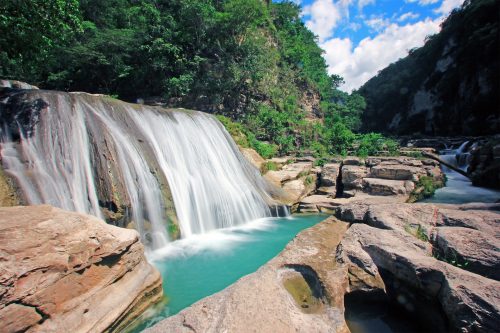
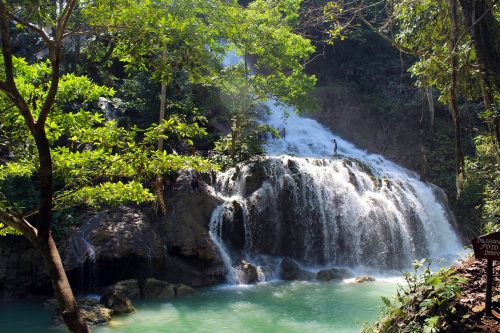
There are places you visit to see, and places you visit to feel. Ubud has always belonged to the second kind.
Long before it became shorthand for yoga studios and Bali wellness retreats, Ubud was already known as a place where people came to restore balance. Not dramatically. Not loudly. But steadily, quietly, in ways that worked themselves into daily life rather than standing apart from it. This is what makes yoga & wellness in Ubud feel different the moment you arrive — as if the land itself is already doing half the work.

FULL DAY TOUR - ADVENTURE
Starts from Rp. 1,650,000 / pax.


FULL DAY TOUR - CULTURE
Starts from Rp. 835,000 / pax.
👉 Related Reads:
→ Ubud and Central Bali Travel Guide – Culture, Nature & Highlands
→ Best Yoga Studios in Ubud for Drop-in Classes
→ Ayurveda in Ubud – Ancient Healing in Modern Bali
→ What to Expect from a Short Bali Yoga Retreat
A Geography That Softens the Mind
Ubud sits inland, cradled by rivers, valleys, and gentle highlands that slow everything down by design. The Ayung River and its tributaries carve deep, green corridors through the landscape, creating pockets of cool air and constant movement. You hear water everywhere — rushing below cliffs, slipping through subak irrigation channels, pooling near temple steps. It becomes background music, a steady rhythm that your breathing unconsciously begins to follow.
Unlike Bali’s coast, where the horizon pulls your attention outward, Ubud draws you inward. Mornings arrive with mist clinging to palm leaves and rice paddies. Evenings cool quickly, inviting early nights and unhurried dinners. The elevation brings not just relief from the heat, but a sense of containment — a feeling of being held rather than exposed.
This geography matters. Wellness does not emerge in sterile environments. It grows in places where the body feels safe enough to soften, where the nervous system doesn’t have to stay alert. In Ubud, nature does not overwhelm — it steadies.
Healing Was Here Long Before Yoga Mats
Wellness in Ubud didn’t begin with studios or schedules. It began with rituals, temples, and water.
For centuries, Ubud has been home to balian — traditional healers who work with energy, herbs, prayer, and intuition. Their role was never separate from community life. Healing here was practical and spiritual at once, woven into farming cycles, family events, and temple calendars. When something felt “out of balance,” the response wasn’t to escape life, but to realign within it.
Water plays a central role in this philosophy. The same subak system that nourishes rice fields also feeds purification temples, where locals and visitors alike participate in melukat — ritual cleansing under flowing springs. These practices aren’t performances. They are acts of maintenance, like tending a garden or repairing a roof. Balance is not assumed; it is cared for.
This worldview still shapes the atmosphere today. Even as Ubud welcomes travelers seeking yoga and healing, the foundation remains local, lived, and grounded. You sense it in small ways — offerings placed before doorways, incense drifting near shrines, temple bells punctuating the day. Wellness here isn’t scheduled around life. It is life.
Where East Meets West, Without Losing Its Center
When Western yoga teachers, artists, and seekers began arriving in Ubud in the late 20th century, something rare happened. Instead of replacing local traditions, wellness practices began layering onto them.
Yoga, meditation, breathwork, and modern healing modalities found fertile ground here because they resonated with what already existed. Balinese philosophy emphasizes harmony between humans, nature, and the unseen — a concept that aligns naturally with yogic principles. The result wasn’t a clash, but a conversation.
This is why Bali wellness retreats in Ubud often feel less performative than elsewhere. You’ll find world-class teachers and thoughtfully designed spaces, but they sit beside temples, villages, and working rice fields. A morning yoga class might end just as farmers begin their day. A meditation session may be followed by the sound of roosters and motorbikes — reminders that spirituality here doesn’t require isolation.
The best wellness experiences in Ubud don’t promise transformation in a week. They offer something quieter: continuity. A way to practice awareness without stepping out of the world.

Why Ubud Feels Safe, Not Intimidating
For many travelers, wellness spaces can feel overwhelming — too intense, too exclusive, or too removed from reality. Ubud avoids this trap by never fully separating wellness from everyday life.
Here, you don’t need to arrive with a backstory or a breakthrough in mind. Beginners are welcomed. Curiosity is enough. The atmosphere encourages exploration without pressure, reflection without expectation. Whether you’re joining a single yoga class, a short retreat, or a casual healing session, the tone remains inclusive and human.
This sense of safety is also cultural. Balinese hospitality isn’t performative; it’s relational. People greet you, remember you, ask where you’re from — not as part of a service script, but because community matters here. That warmth carries into wellness spaces, making them feel less like sanctuaries you must earn access to, and more like rooms you’re invited into.
💡 Insider’s Insight – Why Wellness Feels Different in Ubud
What sets yoga & wellness in Ubud apart isn’t luxury or scale — it’s integration.
- Not isolated luxury:
Wellness here doesn’t hide behind gates or remove you from local life. It exists alongside villages, ceremonies, and daily routines.
- Integrated with daily life:
Yoga classes end as offerings are placed. Healing sessions happen between school pickups and temple days. Balance is practiced, not staged.
- Spirituality without spectacle:
There’s no pressure to believe, convert, or transform. You’re invited to observe, participate if you wish, and take only what resonates.
This is why people leave Ubud feeling grounded rather than altered. The wellness doesn’t try to change who you are — it reminds you how to be present within yourself.
And that quiet remembering is what has made Ubud Bali’s wellness heart, long before the world started paying attention.
Yoga in Ubud – Beyond the Instagram Poses
Yoga in Ubud is often photographed at its most spectacular: sun filtering through jungle leaves, open-air shalas hovering above river valleys, bodies folded into perfect symmetry. Those images travel far — but they only tell a fraction of the story.
Because the real essence of Ubud yoga isn’t how it looks.
It’s how it feels when no one is watching.
Here, yoga is less about performance and more about permission. Permission to move slowly. Permission to be a beginner. Permission to arrive exactly as you are — stiff from travel, distracted by life, curious but unsure — and still belong on the mat.
Yoga as a Daily Rhythm, Not a Destination
Unlike resort-based wellness hubs where yoga is scheduled as a highlight, yoga in Ubud is woven into daily life. Studios open early, often just after sunrise, when the air is still cool and the island feels hushed. Locals pass by carrying offerings as students roll out mats. Roosters crow. Incense drifts in unexpectedly.
Classes don’t feel removed from the world; they feel held within it.
This changes the energy of practice. There is less pressure to “achieve” and more emphasis on consistency. Many people don’t come for a single dramatic session — they return again and again, letting yoga become a gentle anchor during their stay.
It’s common to see a wide range of practitioners sharing the same space: long-term expats, visiting teachers, solo travelers, couples, and first-timers who decided to try a class on a whim. That mix creates a grounded atmosphere where comparison loses its grip.
Styles That Meet You Where You Are
One of the quiet strengths of yoga classes in Ubud is variety without fragmentation. You don’t need to hunt for your niche — most areas offer multiple styles within walking distance.
- Hatha Yoga is taught slowly and deliberately, focusing on alignment, breath, and foundational poses. Ideal for beginners or anyone craving structure and clarity.
- Vinyasa Yoga brings fluidity and rhythm, linking breath to movement. Classes range from gentle flows to more physically demanding sequences, depending on the teacher.
- Yin Yoga invites stillness. Poses are held for longer periods, targeting connective tissue and encouraging deep release — both physical and emotional.
- Kundalini Yoga appears more selectively, blending movement, breathwork, mantra, and meditation. Sessions can feel introspective, sometimes surprising, often profound.
What matters most is not the label, but the tone. In Ubud, even dynamic classes tend to emphasize awareness over intensity. Teachers encourage rest. Child’s pose is always an option. Leaving early, modifying, or simply observing is accepted without explanation.

Drop-In Freedom vs Structured Retreats
Another reason yoga here feels accessible is flexibility. You don’t need to commit to a week-long program to participate.
Drop-in classes are abundant and affordable, making it easy to experiment. You might try a slow Hatha class one morning, a Vinyasa flow the next, then settle into Yin after a long day of exploring. This freedom allows you to respond to how you actually feel, not how you planned to feel.
For those seeking deeper immersion, retreat-style schedules are also available — ranging from long weekends to multi-week programs. These often combine yoga with meditation, breathwork, journaling, and healing sessions or cultural activities. Importantly, many retreats in Ubud avoid rigid isolation. Participants may still venture into town, attend ceremonies, or explore nature between sessions.
This balance prevents burnout. Even in retreat settings, life continues around you.
A Culture That Welcomes Beginners
One of the most underestimated qualities of yoga in Ubud is how beginner-friendly it is — not just in marketing language, but in practice.
Teachers regularly offer verbal cues that assume no prior knowledge so anyone can follow. Adjustments are optional and consent-based. There is little hierarchy between “advanced” and “new” students; experience is respected, but not showcased.
This openness comes partly from the diversity of practitioners. With students arriving from all over the world, teachers learn quickly how to communicate clearly and inclusively. Language barriers are met with patience. Curiosity is encouraged.
If you’ve ever felt intimidated walking into a yoga studio elsewhere, Ubud can feel like a reset — a place where yoga returns to its original purpose: supporting the body and mind, not proving anything.
Teachers Rooted in Place, Connected to the World
Yoga teachers in Ubud come from many paths. Some are Balinese, often blending physical practice with local philosophy, ritual awareness, or traditional healing perspectives. Others come from abroad — Australia, Europe, North America, India — drawn by the island’s energy and the opportunity to teach in a place where students arrive open and receptive.
What unites them is presence. Many teachers live in or near Ubud, practicing daily, participating in ceremonies, and grounding their teaching in lived experience rather than performance. Classes feel personal. Teachers remember names. Conversations continue after practice, often over tea or coconut water.
This sense of continuity deepens trust. You’re not consuming a class; you’re joining a moment.
💡 Insider’s Picks – Choosing the Right Yoga Style in Ubud
Not all yoga experiences feel the same — even within the same style. In Ubud, subtle choices can shape your entire practice.
Slow vs dynamic:
If you’re feeling tired or overstimulated, start with Hatha or Yin before trying faster Vinyasa flows. Your body will tell you what it needs.
- Studio vibe matters:
Some studios feel communal and earthy, others polished and serene. Visit once without expectations. If the space feels welcoming, your practice will follow.
- Morning vs evening:
Morning classes align with Ubud’s natural calm and cooler air. Evening sessions are better for release and reflection after a full day.
Yoga in Ubud isn’t about mastering poses. It’s about learning how to listen — to breath, to body, to the quiet cues you usually ignore. And in that listening, something softens. Something steadies. Long after the mat is rolled up, that awareness often lingers, changing how you move through the rest of your journey.
Short Wellness Retreats in Ubud – Healing Without Disappearing
There is a quiet misconception about wellness retreats — that they require disappearance. Weeks carved out of real life. Phones switched off. Schedules surrendered. Identity softened until only linen clothes and green juice remain.
But Ubud tells a different story.
Here, short wellness retreats in Ubud exist for people who don’t want to vanish from their lives — only to return to them with more clarity, steadier breath, and a softer inner pace. These are retreats designed not for escape, but for recalibration.
They fit into real travel itineraries. Real relationships. Real responsibilities.
And surprisingly, they work.
You don’t need weeks away to feel whole again — sometimes you need one honest pause.
Why Short Retreats Make Sense Now
Modern travelers arrive in Bali carrying full lives with them. Work doesn’t always stop. Family dynamics don’t pause. Curiosity pulls in many directions at once — temples, food, landscapes, culture.
For many, committing to a 7–10 day retreat feels unrealistic, even intimidating. That’s where wellness retreat Ubud short stay experiences shine. They meet people where they are — mentally, emotionally, logistically.
Short retreats recognize a simple truth: transformation doesn’t always come from duration. It comes from attention.
One well-held day can shift more than a distracted week.
The 1–3 Day Retreat: A Reset, Not a Retreat from Life
The most popular format in Ubud is the 1–3 day retreat — often tucked into the beginning or end of a Bali journey. These retreats usually include:
- Daily yoga or movement sessions.
- Nutritious meals or conscious dining experiences.
- Guided meditation or breathwork.
- Optional healing sessions (massage, sound healing, energy work).
What makes them special isn’t intensity — it’s intentionality. Schedules are spacious. There’s room to rest, but also freedom to explore. Many retreats encourage participants to wander into Ubud town, visit temples, or sit quietly by a river between sessions.
You’re not removed from the world. You’re learning how to be in it differently.
For couples, these retreats offer shared stillness without forced intimacy. For solo travelers, they provide gentle structure and connection without social pressure. For first-time wellness explorers, they feel approachable — a taste, not a plunge.

Half-Day Wellness Programs: Small Windows, Real Impact
Even more flexible are half-day wellness programs, designed for travelers who want depth without rearranging their itinerary.
These might include a morning yoga and meditation sequence followed by breakfast, or an afternoon arc of breathwork, sound healing, and reflection. Some programs focus on the body — release, alignment, rest. Others focus on the nervous system — calming overstimulation, restoring sleep, grounding scattered energy.
What’s remarkable is how complete these experiences feel.
In just a few hours, the pace of the mind shifts. Muscles soften. Breathing deepens. Many people emerge surprised — not by dramatic emotion, but by a subtle sense of “rightness,” as if something essential has been put back into place.
These half-day experiences are especially popular among:
- Families traveling together but seeking individual reset moments.
- Couples balancing adventure with rest.
- Digital nomads needing a nervous system pause for a short while.
- Travelers unsure if “wellness” is really for them.
They offer commitment without pressure — a doorway rather than a declaration.
Modular Wellness: Designing Your Own Healing Arc
One of Ubud’s most distinctive offerings is modular wellness experiences — the ability to design a retreat-like journey without booking a retreat at all.
Travelers combine elements across days:
- A yoga class in the morning.
- A traditional Balinese massage in the afternoon.
- A water purification ritual the next day.
- A private meditation or healing session later in the week.
Individually, these are experiences. Together, they become a personal retreat — one shaped by mood, energy, and intuition rather than a preset schedule.
This modular approach reflects how wellness is practiced locally. Balinese spirituality isn’t confined to retreats; it flows through daily rituals, offerings, and moments of pause. Visitors sense this and often mirror it, creating their own rhythm rather than adopting someone else’s.
For many, this feels safer. More respectful. More real.
For Families and Couples
Short retreats are especially well-suited to shared travel.
For couples, long retreats can sometimes feel emotionally demanding, especially if partners are at different stages of self-exploration. Short wellness experiences allow space without strain — moments of quiet together, balanced with freedom to process individually.
For families, particularly those with teens or older children, half-day programs offer restorative breaks without isolating anyone. Parents recharge. Teens explore mindfulness without feeling trapped in silence. Everyone returns to shared activities calmer and more present.
This flexibility makes wellness feel like an enhancement to the journey, not a detour from it.
Ubud’s Quiet Advantage
Ubud’s geography supports short retreats beautifully. Jungle edges, river valleys, and temple-lined paths create natural thresholds — places where the mind slows without effort. You don’t need isolation to feel held. The environment does the work quietly, consistently.
This is why even brief wellness experiences here feel complete. They borrow strength from the land itself.
You arrive carrying momentum. You leave carrying balance.
And somewhere in between — during a morning stretch, a shared silence, or a deep, unhurried breath — something essential shifts. Not because you disappeared from your life, but because you finally paused long enough to meet it again.

Healing Without Performance
Perhaps the most important reason short retreats work so well in Ubud is cultural tone.
There is little pressure to “break through,” to cry, to transform publicly. Healing here is understated. Private. Sometimes barely noticeable in the moment.
You may not leave with a dramatic story. Instead, you leave sleeping better. Listening more carefully. Reacting less sharply. Breathing more fully.
That kind of change integrates easily into life back home.
Healing Modalities You’ll Find in Ubud
In Ubud, healing rarely announces itself loudly. It doesn’t promise enlightenment by Friday or guarantee that everything broken will be fixed by sunset. Instead, it arrives quietly — through sound that lingers in the body, breath that settles the nervous system, rituals that have outlived generations, and conversations that feel more like listening than instruction.
This is why Ubud healing sessions often surprise people. They are less about spectacle and more about presence. Less about belief, more about experience.
What follows isn’t a menu of miracles, but a map — a way to understand the healing modalities you’ll encounter in Ubud, so you can approach them with curiosity, respect, and grounded expectations.
Sound Healing & Gong Baths – Letting the Body Listen
Sound healing sessions in Ubud often take place in open-air studios, bamboo halls, or temple-adjacent spaces where the jungle hum becomes part of the composition. Participants lie down, eyes closed, while instruments such as gongs, crystal bowls, chimes, and drums create layered vibrations that move through the room.
The experience isn’t about “doing” anything. There’s no posture to hold, no technique to master. You listen — and in listening, the body responds.
Many people report sensations rather than emotions: warmth in the chest, heaviness in the limbs, subtle pulsing behind the eyes. Others notice mental shifts — thoughts slowing, inner noise softening, awareness widening.
From a grounded perspective, sound healing works by engaging the nervous system. Deep, resonant frequencies encourage relaxation responses, similar to meditation. What unfolds beyond that is personal — and varies widely.
In Ubud, sound healing is offered not as a cure, but as a doorway. You step through, see what resonates, and step back into your life carrying whatever remains useful.
Meditation & Breathwork – Simple, Not Easy
Meditation and breathwork are foundational to many spiritual healing Ubud experiences, yet they are taught here with refreshing practicality.
Meditation sessions range from silent seated practices to guided visualizations rooted in breath awareness. Some teachers draw from Buddhist traditions, others from yogic lineages, and many blend modern mindfulness with local sensibilities.
Breathwork, meanwhile, is often more active. Techniques may include conscious circular breathing, rhythmic patterns, or gentle breath retention — always framed as an invitation, not a demand.
What’s emphasized in Ubud is not transcendence, but regulation. These practices help travelers reconnect with their bodies after long flights, overstimulation, or emotional fatigue. They aren’t about emptying the mind; they’re about noticing it without judgment.
For beginners, this approach feels safe. For experienced practitioners, it feels honest. There is no hierarchy of “good meditators” here — only people learning to sit with themselves, moment by moment.

Energy Healing & Reiki – Subtle Work, Clear Boundaries
Energy healing sessions in Ubud — including Reiki and similar modalities — are often misunderstood before they are experienced.
Typically, these sessions involve a practitioner working with the body’s energy field through light touch or hands held just above the body. Clients remain clothed, lying comfortably, while the practitioner follows a structured yet intuitive flow.
The effects are subtle. Some people feel warmth or tingling. Others feel nothing during the session but notice changes afterward — improved sleep, emotional clarity, or a sense of calm.
What matters most here is consent and comfort. Reputable practitioners in Ubud explain their process clearly, invite questions, and respect boundaries without exception.
There is no pressure to “believe” anything.
Energy healing here is offered as supportive work — not a replacement for medical care, not a claim of diagnosis. It sits alongside other wellness practices as one possible way to tune inward.
Traditional Balinese Healing – Meeting the Balian
Among the most culturally significant experiences in Ubud are sessions with traditional Balinese healers, often referred to as balian. These are not wellness practitioners in the modern sense, but respected figures within their communities.
A balian’s work is rooted in Balinese Hindu cosmology — a worldview where physical, emotional, and spiritual balance are interconnected. Sessions may involve conversation, gentle touch, prayer, or symbolic gestures. Some use herbal remedies; others rely entirely on intuition and ritual.
It’s important to approach these sessions with humility. They are not performances, nor are they designed to meet tourist expectations. Outcomes are unpredictable, and explanations may be minimal.
For some travelers, the experience feels deeply meaningful. For others, it feels opaque. Both responses are valid.
What’s essential is respect — for the healer, the culture, and your own boundaries. These sessions are not about extracting wisdom; they are about witnessing a living tradition and seeing what it stirs within you.
Water Purification (Melukat) – Ritual, Not Attraction
Water purification rituals, known as melukat, are among the most visible spiritual practices in Ubud — and often the most misunderstood.
Conducted at sacred springs or temple water sources, melukat involves immersing oneself under flowing water while offering prayers or intentions. Locals perform these rituals regularly, marking life transitions, emotional burdens, or spiritual maintenance.
For visitors, participating requires sensitivity. This is not a photo opportunity or a novelty bath. It is a ritual — one that deserves preparation, modest dress, and mindful behavior.
When approached respectfully, melukat can feel grounding. The cool water, repetitive movement, and quiet focus create a meditative rhythm that transcends language. It’s less about being “cleansed” and more about acknowledging what you’re ready to release.
No promises are made. No transformations guaranteed. Only the act of showing up with sincerity.
💡 Insider’s Insight – What Healing in Ubud Really Means
Healing in Ubud is not about miracles — it’s about process.
It unfolds differently for everyone, depending on timing, openness, and personal resonance.
There is no single “best” modality, no universal outcome. What matters is how safe and comfortable you feel, how clearly consent is honored, and how gently the experience integrates into your life afterward.
- In Ubud, healing is an invitation — never a command.
- You choose how far to step in, how long to stay, and what to carry back with you.
What ties all these modalities together is restraint. Practitioners here rarely overpromise. The land itself seems to discourage absolutes.
Instead, Ubud offers something quieter and perhaps more sustainable: spaces where people can listen — to sound, to breath, to tradition, to themselves — without being told what they must find.
And often, that is more than enough.
Wellness That Fits Real Travel – Combining Healing with Exploration
Wellness in Ubud doesn’t ask you to disappear from the world. It doesn’t insist on silence for days or separation from curiosity. Instead, it weaves itself into movement — into walking, watching, wandering. This is what makes wellness travel in Bali feel different: healing here doesn’t compete with exploration; it deepens it.
For many travelers, especially those visiting Ubud for the first time, the most meaningful Ubud healing experience happens not inside a single studio or session, but across a day that balances inward attention with outward discovery.
Morning Yoga + Waterfall Visit – Moving, Then Letting Go
Days in Ubud often begin softly. Morning yoga classes take advantage of cooler air and quieter minds, guiding the body awake through gentle flow or grounding postures. The practice is rarely rushed. Teachers emphasize breath, alignment, and awareness — preparing the body for the day rather than exhausting it.
Pairing this with a waterfall visit feels natural.
After movement, the body is open; after breath, the senses are alert. Walking down jungle paths toward cascading water becomes a continuation of practice rather than a separate activity.
Standing near a waterfall after yoga, you feel contrast — effort and release, heat and cool, sound and stillness.
It’s not a ritual, but it feels ritualistic.
The experience reminds travelers that wellness doesn’t end when the mat is rolled up.
→ Nature: Waterfalls Around Ubud
Meditation + Rice Terrace Walk – Awareness in Motion
Meditation in Ubud often focuses on presence rather than escape. Guided sessions encourage noticing thoughts, sensations, and surroundings without judgment. The stillness cultivated here doesn’t need to stay seated.
That’s why a slow walk through rice terraces pairs so well with meditation. After sitting, walking becomes an extension of awareness. Each step follows narrow paths between emerald paddies; each pause invites observation — water flowing through subak channels, farmers tending crops, birds crossing open sky.
This is not “forest bathing” by design; it’s simply life unfolding at human scale. The rhythm of walking matches the rhythm of thought — unhurried, grounded, attentive.
Travelers often describe these moments as unexpectedly moving. There’s no guide explaining significance, no checklist to complete. Just the sense that wellness can happen while doing something as ordinary as walking.
→ Nature: Cycling & Rice Terrace Walks in Ubud

Sound Healing + Sunset Temple – Stillness into Ceremony
Sound healing sessions in Ubud tend to leave people in a quiet, reflective state. After an hour of listening — to gongs, bowls, and silence — conversation feels optional.
Pairing this with a sunset temple visit allows that quiet to carry forward. As light softens and temple courtyards glow, the body remains receptive. The sounds of bells, chanting, and evening insects feel amplified, not overwhelming.
This sequence — inner stillness followed by communal ritual — reflects how wellness naturally integrates into Balinese life. Healing is not isolated from culture; it flows into it.
For visitors, this creates continuity. The calm cultivated indoors finds resonance outdoors, within a living spiritual landscape rather than a controlled environment.
→ Culture: Temples & Evening Rituals in Ubud
Why This Balance Matters
Modern travelers rarely want to choose between healing and discovery. They want both — without pressure, without performance. Ubud accommodates this instinct intuitively.
By allowing wellness to coexist with exploration, travelers avoid burnout in both directions. There’s no sense of missing out, and no guilt about “not doing enough inner work.” The journey feels whole because it mirrors real life — movement and stillness, curiosity and rest.
This approach also makes wellness more accessible. Families, couples, and first-time explorers can sample healing practices without committing to rigid schedules or extended retreats. Wellness becomes part of the trip, not the purpose that excludes everything else.
Wellness as a Thread, Not a Container
In Ubud, wellness doesn’t need walls to exist. It shows up in how days are paced, how transitions are respected, how space is left between activities.
You might notice it in how your breath deepens during a walk, how conversations slow after meditation, how sunsets feel more absorbing after sound healing. None of this is forced. Nothing is framed as transformation.
And yet, by the end of the trip, many travelers realize something subtle has shifted. Not because they isolated themselves, but because they allowed healing to accompany exploration — step by step, breath by breath.
That is the quiet genius of wellness travel in Bali: it doesn’t ask you to leave your life behind. It simply shows you how to move through it with more awareness, wherever you are.
Choosing the Right Wellness Experience for You
In a place as rich and layered as Ubud, choice can feel both exciting and overwhelming. Yoga studios line quiet streets. Retreats promise renewal in every form. Healing sessions range from deeply traditional to gently modern. When everything sounds meaningful, how do you choose what’s right for you?
The truth is: the best wellness retreat in Ubud isn’t defined by reputation, length, or price. It’s defined by alignment — with your energy, your intention, and where you are in life right now. Ubud offers flexibility for a reason. Wellness here is not one-size-fits-all.
Rather than asking, “What should I do?”, the better question is, “What do I need?”
Curious Beginners – Starting Without Pressure
If you’re new to yoga or wellness travel, Ubud is an unusually welcoming place to begin. Many experiences are designed to be accessible rather than intimidating. Drop-in yoga classes allow you to explore styles without committing to a full retreat. Short meditation sessions or introductory healing workshops offer gentle entry points.
For beginners, yoga retreat alternatives often make more sense than immersive programs. A morning class, followed by a nature walk or cultural visit, helps integrate practice into daily rhythm rather than isolating it.
What matters most here is tone. Look for language that emphasizes guidance, grounding, and exploration — not transformation or intensity. The right experience should feel like an invitation, not a test.

Burnt-Out Professionals – Rest Without Disappearing
Many travelers arrive in Ubud carrying exhaustion they didn’t realize had accumulated. Burnout doesn’t always announce itself loudly; sometimes it shows up as restlessness, indecision, or the inability to fully relax.
For this group, wellness works best when it removes pressure rather than adding structure. Short retreats, restorative yoga, breathwork, or sound healing sessions create space to decompress without demanding emotional excavation.
Importantly, Ubud allows professionals to rest without retreating from the world. Internet access, comfortable accommodations, and flexible schedules make it possible to pause without feeling disconnected or anxious.
The goal here isn’t productivity — it’s nervous system recovery. Choose experiences that slow the body before attempting to “fix” anything.
Couples – Shared Experience, Individual Space
Wellness for couples works best when it balances togetherness with autonomy. Ubud excels at this. Couples can attend the same yoga class, then diverge — one choosing a massage, the other a walk or coffee ritual.
Shared experiences like water purification ceremonies or sunset meditations create emotional resonance without requiring constant interaction. Silence becomes comfortable rather than awkward.
When choosing wellness as a couple, avoid programs that assume identical needs. The strongest experiences allow each partner to engage at their own depth while sharing moments of presence along the way.
Solo Travelers – Safety, Structure, and Self-Trust
Solo travelers often find Ubud uniquely grounding. The town feels navigable, socially open, and spiritually calm without being isolating. Wellness experiences provide gentle structure — a place to be, a rhythm to follow — without limiting freedom.
Group classes and workshops create natural points of connection, while solo practices support introspection. For many, this balance becomes the highlight of their journey.
When traveling alone, trust your comfort level. You don’t owe vulnerability to anyone. Choose facilitators who prioritize consent, clarity, and grounding — especially in healing sessions.
Active Travelers Balancing Adventure – Flow, Not Friction
Some travelers worry wellness will slow them down.
In Ubud, it often does the opposite — it helps sustain energy across active days. Morning yoga pairs well with cycling, hiking, or waterfall visits. Meditation sharpens awareness for cultural exploration. Breathwork supports endurance rather than replacing it.
For active travelers, the key is sequencing. Use wellness to prepare or restore the body, not compete with adventure. One thoughtful session often supports more than multiple rushed ones.
💡 Insider’s Tips – How to Choose Wellness Without Overwhelm
Avoid forced intensity: Depth doesn’t come from duration or difficulty. It comes from resonance..
- Quality over quantity: One well-held experience often leaves a deeper imprint than a packed schedule.
- Listen to comfort level: If something feels rushed, performative, or pressuring, it’s okay to step back.
Let Your Experience Be Honest
The most meaningful wellness journeys in Ubud are rarely the most dramatic. They’re the ones that meet travelers where they are — tired, curious, open, or unsure.
Choosing the right experience doesn’t require perfect planning. It requires listening: to the body, to timing, to instinct. Ubud supports this listening not by telling you who to become, but by giving you space to notice who you already are.
And often, that’s more than enough.
Practical Planning – What to Expect, Wear & Prepare
Ubud’s wellness spaces tend to be relaxed and unpretentious. You don’t need special outfits or expensive gear. The guiding principle is comfort and modesty.
For yoga and movement-based practices, breathable clothing that allows free movement is ideal. Think lightweight leggings or loose pants, paired with a simple top. Studios are usually open-air or naturally ventilated, so layers can be helpful for early mornings or post-practice stillness.
For healing sessions or temple-linked rituals, modesty matters more. Covered shoulders and knees are often required, especially for water purification or ceremonies connected to sacred sites. A sarong is commonly provided, but carrying a light scarf or wrap adds flexibility.
Avoid clothing that feels restrictive or distracting. When the body is comfortable, the mind follows.
What to Wear – Comfort Over Image
Ubud’s wellness spaces tend to be relaxed and unpretentious. You don’t need special outfits or expensive gear.
The guiding principle is comfort and modesty.
For yoga and movement-based practices, breathable clothing that allows free movement is ideal. Think lightweight leggings or loose pants, paired with a simple top. Studios are usually open-air or naturally ventilated, so layers can be helpful for early mornings or post-practice stillness.
For healing sessions or temple-linked rituals, modesty matters more. Covered shoulders and knees are often required, especially for water purification or ceremonies connected to sacred sites. A sarong is commonly provided, but carrying a light scarf or wrap adds flexibility.
Avoid clothing that feels restrictive or distracting. When the body is comfortable, the mind follows.
Etiquette – Subtle Respect Goes a Long Way
One of the reasons Ubud yoga retreats and wellness sessions feel grounded is their emphasis on quiet respect — for the space, the facilitator, and fellow participants.
Arriving early allows time to settle without rushing. Phones are usually silenced or left outside practice areas. Conversation before and after sessions is welcome, but silence during practice is treated as shared agreement rather than enforced rule.
In healing sessions, consent and boundaries are central. You’re always allowed to say no, ask questions, or pause an experience. Good practitioners welcome this; it’s part of ethical wellness culture in Ubud.
You’re not expected to understand every ritual or symbol. Observing with openness and humility is more important than “doing it right.”

Scheduling Between Activities – Leave Breathing Room
Many travelers try to fit wellness into already-full itineraries. While this is possible, it’s rarely ideal.
If you’re combining yoga or healing with sightseeing, waterfalls, or adventure activities, allow buffer time. A yoga session followed immediately by traffic or tight schedules can break the sense of integration that wellness offers.
Morning practices often pair best with gentle exploration later in the day. Evening sessions work well after quieter afternoons. The goal isn’t to protect wellness from life — it’s to let it flow into the rest of your travel rhythm.
Short wellness retreats or half-day programs are designed with this flexibility in mind, making them ideal for real-world travel pacing.
Physical Readiness – No Performance Required
A common concern in Ubud yoga retreat planning is physical ability. The reassurance is simple: you don’t need to be flexible, strong, or experienced.
Most classes offer modifications. Teachers expect a wide range of abilities and often emphasize listening to your body over achieving poses. Resting is always an option, not a failure.
If you have injuries or medical considerations, mention them quietly before the session. Facilitators will safely guide you without drawing attention.
Emotional Readiness – Curiosity Is Enough
Unlike fitness activities, wellness can touch emotional layers. This doesn’t mean every session will be intense or cathartic, but it does mean being open to subtle shifts.
You’re not required to share personal stories, believe in specific philosophies, or reach emotional breakthroughs. Many people experience wellness simply as calm, clarity, or rest — and that’s valid.
If emotions arise, they’re treated with privacy and respect. If nothing dramatic happens, that’s equally okay. Ubud’s approach to wellness leaves room for both depth and simplicity.
Reassurance for First-Timers
If there is one thing you need to release before arriving, it’s the idea that you need prior experience or a certain belief system.
You don’t need to “understand” yoga to practice it.
You don’t need to believe in energy to feel relaxed.
You don’t need to change who you are to benefit from slowing down.
Ubud meets travelers where they stand — culturally, physically, emotionally. Preparation is helpful, but perfection is not required.
Arrive curious. Wear what feels right. Leave space between moments. The rest unfolds naturally.
Responsible & Respectful Wellness Travel
Wellness in Ubud is not a product that appeared for visitors — it is an expression of a living culture that long existed before yoga mats, retreat schedules, and global wellness trends arrived. To experience responsible wellness travel in Bali, travelers are invited to step not just into a practice, but into a relationship — one rooted in humility, awareness, and care.
This doesn’t require perfection. It requires presence.
Cultural Sensitivity – Enter as a Guest, Not a Consumer
In Ubud, wellness practices are woven into daily life. Offerings are placed on doorsteps, incense drifts through villages, and temples mark both celebration and grief. Yoga studios and healing spaces exist alongside these rhythms, not above them.
Cultural sensitivity begins with recognizing that you are a guest. Simple gestures — dressing modestly near temples, respecting ceremony days, asking before photographing rituals — carry more weight than memorizing customs.
When unsure, observe first.
Locals often prefer to guide you through example rather than instruction.
Avoid treating spiritual spaces as backdrops. The quiet atmosphere in Ubud’s wellness centers isn’t curated for aesthetic appeal; it reflects a deeper cultural value of balance and respect.
Supporting Local Practitioners – Keeping Wisdom Rooted
Ubud’s wellness landscape includes teachers and facilitators from around the world, but its heart remains local. Supporting Balinese practitioners helps ensure that ancestral knowledge continues to be valued within its own community.
This doesn’t mean avoiding international teachers — many work closely with local traditions and communities. It means being curious about who you’re learning from, where their training comes from, and how they give back.
Choosing sessions led by or partnered with local healers, visiting community-based wellness spaces, and respecting traditional roles such as balian healers strengthens the ecosystem that makes Ubud unique.
Your participation becomes contribution, not extraction.
Avoiding Spiritual Commodification – Depth Over Display
One of the challenges of global wellness tourism is the temptation to package spirituality as performance. In Ubud, this risk exists alongside genuine offerings.
Responsible travelers learn to distinguish between spectacle and substance. Practices that promise instant enlightenment, dramatic transformation, or guaranteed healing often rely more on marketing than tradition. Authentic wellness experiences rarely make bold claims — they focus on process, personal resonance, and continuity.
Choosing sessions that emphasize consent, personal comfort, and realistic outcomes helps protect both travelers and traditions. True wellness in Ubud doesn’t ask you to believe everything; it asks you to engage thoughtfully.
Slowing down, asking questions, and being willing to walk away from experiences that feel misaligned are acts of respect — not missed opportunities.

Ethical Retreat Centers – Beyond the Brochure
Ethical wellness retreats in Ubud prioritize people and place over volume and spectacle. They often operate with smaller groups, fair labor practices, and environmental awareness — even if this means less luxury or fewer amenities.
Look for transparency in pricing and programming. Ethical centers explain what’s included, who leads each session, and how guests are supported. They respect boundaries, avoid pressure-based upselling, and allow space for rest rather than constant activity.
Environmental responsibility matters too. Retreats that manage waste thoughtfully, minimize plastic use, and honor water resources reflect alignment between wellness values and daily operations.
💡 Insider’s Insight – Wellness With Humility
Choose practices that honor process, not promises.
- Let curiosity replace expectation.
- Support wellness that serves community, not just visitors.
In Ubud, wellness flourishes when approached gently — with listening, restraint, and respect.
Wellness as Relationship, Not Consumption
Responsible wellness travel in Bali invites a shift in mindset. Instead of asking, “What will I get from this?” the more meaningful question becomes, “How do I meet this place respectfully?”
When wellness becomes relationship rather than consumption, experiences deepen naturally. Healing feels quieter but more lasting. Yoga feels less performative and more personal.
Ubud offers space — not answers, not shortcuts. How that space is held depends on the care each visitor brings.
When Healing Becomes a Way of Traveling
In Ubud, healing rarely arrives with fireworks. It doesn’t announce itself with dramatic breakthroughs or instant clarity. Instead, it settles quietly — in the way mornings feel unhurried, in the way the body loosens after days of gentle movement, in the way silence becomes less uncomfortable and more companionable. This is why yoga & wellness in Ubud often stays with travelers long after they leave: it is not an escape from life, but a rehearsal for living it differently.
Wellness here does not ask you to disappear from the world. It invites you to re-enter it with more awareness.
Many travelers arrive searching for a reset — relief from burnout, confusion, or constant acceleration. What they often discover instead is integration. Yoga classes blend into walks through rice fields. Healing sessions are followed by ordinary meals, laughter, and traffic. Meditation does not replace experience; it deepens it. This balance is what makes Ubud healing experiences feel grounded rather than performative.
Ubud does not separate the sacred from the everyday. Offerings are placed before work begins. Temples sit beside cafés. Rituals coexist with routine. Wellness here mirrors that philosophy: not something you do once, intensely, but something you carry gently alongside your days.

What people take home from Ubud is rarely a single practice or belief. It is a subtle recalibration. Breath learned in a yoga shala finds its way into airport queues. Slower mornings linger even in busy cities. A greater tolerance for stillness begins to replace the urge to constantly fill space.
There is also a shift in confidence — not the loud certainty promised by transformational retreats, but a quieter trust. Trust in the body’s signals. Trust in rest without guilt. Trust that not every answer needs to arrive immediately. This is the kind of wellness that endures because it does not depend on location.
Importantly, Ubud teaches this without pressure. There is no demand to become someone new. No insistence on enlightenment. No performance of healing for others to witness. The island offers tools, atmosphere, and time — and leaves the rest to you.
This is why Bali wellness retreats, especially shorter and modular experiences, resonate with modern travelers. They allow space for reflection without requiring withdrawal from life’s complexity. They remind rather than replace.
Ubud doesn’t heal you — it reminds you how.
For many, the most meaningful moments are not the scheduled sessions, but what happens between them: a quiet walk after meditation, an unplanned conversation, a feeling of presence that arrives without effort. Healing becomes less about fixing and more about remembering.
Travel, then, becomes practice. Each choice — where you walk, how you listen, when you pause — becomes an extension of wellness. And when the journey continues beyond Ubud, that way of traveling continues too.
For those who feel drawn to explore this balance — where wellness, nature, and culture move together rather than compete — thoughtfully curated journeys can help hold the space. Experiences that combine yoga, healing, landscapes, and unhurried discovery allow Ubud’s lessons to unfold naturally, without forcing meaning.

In the end, Ubud offers no promises. Only an invitation: to travel with more awareness, and to let healing become not a destination, but a way of moving through the world.
👉 Related Reads:
→ Ubud and Central Bali Travel Guide – Culture, Nature & Highlands
→ Best Yoga Studios in Ubud for Drop-in Classes
→ Ayurveda in Ubud – Ancient Healing in Modern Bali
→ What to Expect from a Short Bali Yoga Retreat
FAQ
Is Ubud really the best place in Bali for yoga and wellness?
Yes — and not just because of the number of yoga studios. Yoga & wellness in Ubud thrive because the town sits at the crossroads of Bali’s spiritual traditions, river valleys, and highland forests. Unlike beach destinations that isolate wellness inside resorts, Ubud integrates yoga, meditation, and healing into daily life. Temples, water rituals, and local healers coexist naturally with modern yoga studios and wellness retreats, creating an environment that feels grounded rather than performative.
Do I need prior yoga experience to join yoga classes in Ubud?
Not at all. Yoga classes in Ubud are famously beginner-friendly. Many studios welcome first-timers and travelers who have never stepped on a mat before. Teachers typically offer clear guidance, variations, and a non-competitive atmosphere. You’ll find everything from gentle Hatha and Yin yoga to more dynamic Vinyasa — making it easy to start where you are, physically and mentally.
What types of yoga styles are commonly offered in Ubud?
Ubud offers a wide range of yoga styles, including Hatha, Vinyasa, Yin, Kundalini, Restorative, and meditation-focused classes. Some studios emphasize physical alignment and strength, while others focus on breathwork, stillness, or emotional balance. This variety allows travelers to explore yoga as a personal practice rather than a fixed discipline — a key reason Ubud yoga appeals to both beginners and experienced practitioners.
Are short wellness retreats in Ubud worth it?
Absolutely. Short wellness retreats in Ubud — ranging from half-day programs to 1–3 day retreats — are ideal for modern travelers who want meaningful experiences without disappearing for weeks. These retreats often combine yoga, meditation, healing sessions, and nature activities into a flexible format. They’re especially popular with couples, solo travelers, and first-time wellness explorers who want depth without pressure.
What is the difference between a yoga retreat and a wellness retreat in Ubud?
A yoga retreat in Ubud typically centers on daily yoga classes and meditation, while an Ubud wellness retreat may include healing sessions, sound therapy, breathwork, spa treatments, or cultural rituals like water purification (melukat). Many retreats blend both, allowing travelers to choose how active or introspective their experience becomes. The best retreats emphasize choice, not intensity.
What healing sessions are available in Ubud?
Ubud healing sessions include sound healing and gong baths, meditation and breathwork, energy healing such as Reiki, traditional Balinese healing with a balian, and water purification rituals at sacred springs. These practices are offered respectfully, without promises or absolutes. Healing in Ubud is understood as a process — personal, optional, and deeply individual.
Is spiritual healing in Ubud safe and legitimate?
Yes, when approached thoughtfully. Reputable practitioners prioritize consent, comfort, and clear communication. Spiritual healing in Ubud is not about instant transformation but gentle exploration. Visitors are encouraged to trust their intuition, ask questions, and avoid any experience that feels rushed or uncomfortable. Ethical practitioners never pressure belief or dependency.
How much time should I set aside for yoga and wellness in Ubud?
You can meaningfully experience yoga & wellness in Ubud with as little as half a day, though many travelers find that 2–4 days allows for better integration. Morning yoga paired with nature walks, waterfalls, or rice terrace visits creates a balanced rhythm. Longer stays allow deeper exploration, but even short visits can feel restorative when planned intentionally.
Can wellness experiences in Ubud be combined with sightseeing?
Yes — and this is one of Ubud’s strengths. Many travelers combine yoga or meditation with waterfalls, rice terrace walks, temples, or gentle cycling routes. This approach keeps wellness grounded in place rather than confined to a schedule. Wellness travel in Bali works best when healing and exploration support each other, not compete for time.
What should I wear or bring to yoga and healing sessions in Ubud?
Comfort is key. Lightweight, breathable clothing is ideal, with modest coverage for temples or water rituals. Bring a reusable water bottle, a light layer for early mornings, and an open mindset. Mats and props are usually provided. No special attire or belief system is required to participate in Ubud wellness experiences.
Is wellness travel in Ubud suitable for solo travelers?
Very much so. Ubud is considered one of Bali’s safest and most welcoming destinations for solo travelers. Yoga studios and wellness centers naturally foster connection without obligation. Many solo visitors find that yoga & wellness in Ubud provide both solitude and gentle community — without pressure to socialize.
How do I choose a responsible and ethical wellness experience in Ubud?
Look for practitioners and retreat centers that respect Balinese culture, support local communities, and avoid exaggerated claims. Ethical wellness travel in Bali values humility over spectacle. Experiences should feel integrated with the land and people, not staged for consumption.
Is Ubud wellness only for spiritual travelers?
Not at all. You don’t need to be spiritual, flexible, or searching for transformation to enjoy yoga & wellness in Ubud. Many travelers come simply to slow down, stretch, breathe better, or reconnect with nature. Ubud meets people where they are — without labels or expectations.
How can HalloBALI help plan a balanced wellness experience in Ubud?
HalloBALI curates wellness-focused itineraries that blend yoga, healing sessions, nature, and cultural experiences without overload. Rather than fixed retreat schedules, the focus is on balance — allowing wellness to support your journey, not dominate it.