Tegallalang Rice Terraces – The first light of morning finds you on a quiet road north of Ubud. Mist still clings to the palm tops, and the faint scent of wet earth drifts through open windows. Within minutes, the land begins to fold into waves of green — tier upon tier of rice terraces cascading down the valley walls. This is Tegallalang, Bali’s most photographed yet still profoundly soulful landscape — a place where nature and human artistry merge into something timeless.
For many travelers, a day trip to rice terraces from Ubud is a highlight of their journey, a pause from temples and markets to breathe in the island’s true rhythm. But what makes Tegallalang rice terraces unforgettable isn’t just their postcard perfection. It’s the way the landscape feels alive. Water shimmers through narrow channels; farmers guide ploughs through soft mud; small shrines wrapped in yellow cloth peek between stalks of young rice. Every layer tells a story of patience, balance, and quiet devotion.
You don’t just see Tegallalang — you walk inside a living painting, drawn by sunlight, water, and time.
A Landscape Painted in Green
The terraces are more than a view — they are the embodiment of Subak, Bali’s ancient cooperative irrigation system, recognized by UNESCO as a masterpiece of sustainable culture. This network of water temples and canals reflects a philosophy known as Tri Hita Karana — the harmony between people, nature, and the divine. Every ripple of the terraces is a symbol of that harmony at work.
As the sun rises higher, farmers’ laughter echoes across the valley, and the greens shift from jade to gold. The day begins to warm, but the air still carries a softness unique to the Ubud rice fields — an invitation to slow down, to watch the rhythm of life unfold in its simplest form.

For visitors based in Ubud, Tegallalang is both close and complete — just a short drive away, yet layered with meaning and experience. You can wander footpaths between paddies, chat with local growers, sip coffee overlooking the valley, or even learn how rice is planted by hand. Each step connects you more deeply with the island’s living heritage.
HalloBALI curates Ubud rice fields tours that make this experience effortless yet authentic. Guided by locals who grew up tending these terraces, each trip blends scenery, culture, and sustainability — ensuring your visit supports the community that keeps Tegallalang alive.
Because here in the heart of Bali, beauty isn’t just admired — it’s cultivated.
💡 Related Article: Best Day Trip from Ubud – Temples, Rice Terraces, & More
💡 Related Product: Tegallalang Rice Terraces & Countryside Culture Tour
The Living Canvas
It’s easy to be captivated by the beauty of Tegallalang rice terraces, their flowing symmetry and endless shades of green. But what gives this landscape its soul isn’t simply its visual grace — it’s the philosophy, labor, and faith woven into every curve. Tegallalang isn’t a place created for photographs. It’s a living canvas shaped by centuries of Subak, Bali’s ancient irrigation system — a cooperative and spiritual network that has sustained life and culture for over a thousand years.
The Subak system, recognized by UNESCO as part of Bali’s Cultural Landscape, is both engineering and belief. At its heart lies the Tri Hita Karana philosophy — the sacred balance between people, nature, and the divine. Every drop of water flowing through the terraces passes through a temple, every channel shared through community agreement. Water priests (pemangku subak) oversee its distribution not by authority, but by ritual — ensuring that all farmers, from the highest ridge to the lowest field, receive their fair share.
Here, every green line is a conversation between farmers and the gods.
That balance is what keeps Tegallalang alive. Without harmony between humans and nature, the terraces would crumble; without devotion to the divine, the rhythm of planting and harvest would lose its meaning. Walking these paths, you begin to understand that Ubud rice fields tours are not just about scenery — they’re about witnessing a living philosophy in motion.

To the people of Tegallalang, the rice terraces are both livelihood and legacy. Families pass down plots for generations, maintaining them not for profit alone but as an act of stewardship. Each morning, as water glides silently from one terrace to the next, it carries blessings from the temple above — a cycle of giving and gratitude repeated endlessly through time.
For travelers on a day trip to the rice terraces from Ubud, this realization deepens the experience. What looks like a postcard becomes a poem — one written by hands that have never stopped working in rhythm with the earth. Watching a farmer pause mid-step to make an offering, or hearing the soft rustle of young rice under the breeze, you begin to feel the quiet pulse of an island that still listens to its gods.
In Tegallalang, beauty isn’t static. It flows — with water, with devotion, with time itself.
The Journey from Ubud
The road from Ubud to Tegallalang rice terraces is one of Bali’s most beautiful short journeys — a gentle 20–25 minute drive that slowly peels back layers of daily island life. Leaving Ubud’s leafy heart, the road winds through small artisan villages where woodcarvers and painters open their workshops to the morning light. You’ll pass rows of bamboo, family compounds shaded by frangipani trees, and shrines still fragrant with freshly placed offerings.
By the time the first curve of the rice terraces appears, the air feels cooler and lighter. Morning mist lingers above the palms, and the rhythmic sound of water channels sets the tone for what’s to come — a landscape that’s alive, layered, and patient.
You’ll know you’re getting close when the air smells of earth and grain, and the horizon turns from forest green to shimmering gold.
The best time to visit Tegallalang depends on what kind of experience you seek. Early morning (around 7:00–9:00 AM) rewards you with soft, golden light and quiet paths — perfect for photography and reflection. Mid-afternoon (3:30–5:30 PM) brings a deeper, more honeyed glow, with farmers still tending their fields and fewer day-trippers around. Between these hours, the terraces fill with visitors, so if tranquility is your goal, timing becomes everything.

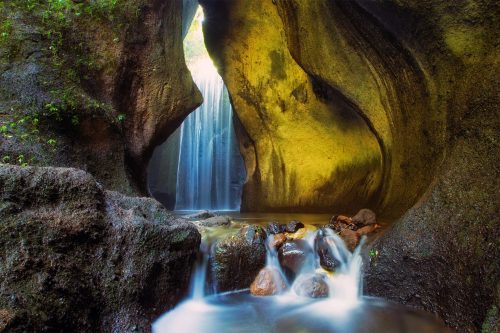
Most day trips to the rice terraces from Ubud include convenient hotel pickup and can be combined with other nearby highlights — such as the Pura Tirta Empul water temple, artisan workshops in Mas or Celuk, or the Tegenungan and Tukad Cepung waterfalls. With a private driver or a local guide arranged through HalloBALI, you can turn a simple sightseeing stop into a full day of countryside discovery — filled with authentic encounters and unrushed moments.
For travelers on a Ubud rice fields tour, logistics are delightfully simple. The roads are well-maintained, and with so many scenic detours — from coffee tastings at hillside plantations to small craft studios tucked along the route — the journey feels like an exploration of Bali’s living culture, not just a transfer between points.
Insider’s Tips: Timing the Terraces
- Best hours: 7:00–9:00 AM for soft light and serenity, 3:30–5:30 PM for golden-hour hues.
- What to bring: A refillable water bottle, sun hat, light scarf, and sturdy walking shoes — the paths can be steep and slick after rain.
- Where to pause: Small warungs along the roadside like Warung Uma Ceking or Aloha Terrace View offer coffee, coconut, and the kind of view that slows time down.
- Feel the air and immerse into the atmosphere by walking the pathways.
Walking Through the Terraces

From the roadside viewpoint, Tegallalang rice terraces unfold like ripples of light and shadow — a living tapestry painted in every shade of green. Most visitors stop here for photos, but the real beauty begins when you step off the ridge and follow the narrow dirt paths that lead you into the heart of the valley.
As you descend, the sounds of traffic fade, replaced by the island’s natural orchestra — the soft gurgle of Subak irrigation channels, the rustle of bamboo, and the distant rhythm of a morning gamelan drifting from a nearby temple. The air grows cooler and heavier with moisture. Farmers, already knee-deep in the paddies, glance up with a smile before returning to their steady rhythm of planting and tending.
Here, every green step is a prayer — every ripple of water a reflection of the island’s soul.
The walk through Tegallalang’s rice terraces is not long — perhaps 30 to 60 minutes at an unhurried pace — but it feels timeless. The paths twist and narrow, sometimes little more than the width of a foot, with steps cut into the earth itself. You’ll climb short rises, balance across small ledges, and pause often — not out of fatigue, but because every few meters reveals a new angle of this sculpted landscape.
The main trail begins near the central viewing point at Ceking Village, where a small donation box marks the start of the descent. From here, you can loop down to the valley floor, where the terraces rise steeply on both sides, then cross a small bridge toward the eastern slope. This quieter section feels miles away from the crowds — a patchwork of Ubud rice fields alive with dragonflies and herons.
Along the ridge above, a handful of photo spots and swings offer sweeping views of the terraces and coconut palms. Some are iconic — the giant “Love Bali” swing, or nests shaped like hearts and teardrops — while others, hidden deeper within, are simple bamboo benches shaded by banana leaves. Whether you’re after an Instagram moment or a meditative pause, both can coexist here when approached with mindfulness and respect.

The terrain alternates between soft earth and narrow concrete steps. After rain, it can be slippery, so good footwear is essential. The elevation change is modest, but enough to make you appreciate the layered engineering of the Subak system — how each terrace feeds the next, water moving gracefully downhill like a slow heartbeat.
You’ll notice small shrines tucked into the paddies, adorned with yellow and white cloths. These are Subak temples, where farmers leave offerings to Dewi Sri, the rice goddess, before each planting. To locals, these fields are not just food sources — they are living temples. Walking through them, you are walking through faith itself.
By the time you climb back up to the ridge, your shoes may be muddy and your skin damp with mist, but your mind feels lighter. The terraces don’t just show you how rice grows — they show you how balance works, how harmony is built one contour at a time.
For those with more time, this experience pairs beautifully with a visit to Jatiluwih Rice Terraces, another UNESCO-recognized masterpiece — broader, quieter, and even older in its traditions.
💡 Related Article: Bali Rice Terraces – Tegallalang vs. Jatiluwih
The People of the Terraces
Here, rice is more than food — it’s memory, ceremony, and gratitude growing leaf by leaf.
Every stretch of green you see at the Tegallalang rice terraces exists because of the hands that nurture it. Long before tourists arrived with cameras and drones, these slopes were shaped by farmers who understood the rhythm of water, sun, and soil better than any calendar could. Their work begins at dawn and often ends with the setting sun — a cycle of care that has continued for more than a thousand years.
These farmers are not just cultivators of rice; they are caretakers of Subak, Bali’s ancient irrigation network and a UNESCO-recognized system of sustainable agriculture. Each terrace is a shared responsibility, with water flowing in perfect harmony through communal channels that link neighbors and villages alike. This balance is guided by Tri Hita Karana, the Balinese philosophy that harmony between humans, nature, and the divine must always be preserved.

Walk through the terraces in the early morning, and you’ll see the farmers bent low over the paddies, their conical hats mirrored in the flooded fields. They work with practiced movements — planting new seedlings in neat, geometric rows that shimmer in the rising light. During the harvest months (typically March–April and September–October), the valley hums with different energy: laughter, rhythmic threshing, and songs that carry across the green waves.
For visitors, these moments offer a chance to witness not just beauty, but purpose. Many small communities around Tegallalang and nearby Sebatu now welcome travelers to join short rice planting experiences or eco-education walks that explain how Subak functions as both a spiritual and social system. These experiences, available through HalloBALI’s Ubud rice fields tours, offer more than photo opportunities — they invite you to feel what it means to live in rhythm with the land.
A respectful visitor will tread lightly, follow paths that don’t disturb active paddies, and greet farmers with a smile or a quiet “Selamat pagi.” These simple gestures honor the relationship that keeps Tegallalang alive — one where tourism supports, rather than disrupts, the community that sustains the terraces.
Insider’s Insight: The Hands Behind the Green
Beyond the postcard views, small groups like the Subak Tegallalang Cooperative and Eco Bali Walks are helping keep traditional methods alive. Join a guided eco-walk led by local farmers, try transplanting young shoots in the mud, or visit a community-run seed nursery. These initiatives make your day trip to the rice terraces a story of connection — not consumption.
Through their stories, you’ll come to understand that the terraces aren’t just landscapes — they’re livelihoods. Every grain of rice carries a legacy, and every drop of water is shared in faith that the next generation will keep the fields alive.
Beyond the Terraces
A day trip to Tegallalang rice terraces can easily become much more than a scenic stroll through the fields. Within a few kilometers, the landscape unfolds into sacred water temples, artisan villages, and elevated cafés perched above valleys. Exploring these nearby gems turns your visit into a full-day journey — one that captures Bali’s balance of nature, spirituality, and creativity.

Tirta Empul Temple

Gunung Kawi Sebatu Temple
Just a short drive north lies Gunung Kawi Sebatu Temple, one of Bali’s most tranquil spiritual sites. Hidden among lush bamboo groves and natural springs, this 11th-century complex feels worlds away from the bustle of central Ubud. Here, moss-covered shrines rise above reflective pools where carp glide lazily, and holy water flows through stone spouts into crystal basins. It’s a place to sit quietly, to feel the air shift, and to sense how water and worship intertwine in Balinese life.
A few minutes down the road stands another icon — Tirta Empul Temple, the island’s sacred purification site. Founded in 962 AD, its series of pools fed by a holy spring continues to draw Balinese devotees and visitors seeking renewal. You can join the ritual under the guidance of local priests, immersing yourself in the gentle rhythm of water and prayer. Combined with Tegallalang, it’s one of the most meaningful Ubud rice fields tour routes you can take — where the green of the land meets the clarity of the soul.
A day in Tegallalang isn’t just green — it’s gold, stone, and sacred water, too.

Cretya Ubud

Alas Harum Bali
Closer to the terraces, the Ceking Village stretch is lined with art workshops and craft shops, where the same families who sculpted temple panels now carve intricate wooden masks, statues, and furniture. Walking through these studios is like stepping into Bali’s creative bloodstream — a reminder that the island’s artistry is not an industry, but a living tradition. Pick up a hand-carved souvenir or simply watch the artists at work; either way, you’ll carry a piece of the island’s craftsmanship home.
For a change of pace, end your exploration with a cup of coffee overlooking the paddies at Alas Harum or Cretya Ubud. These elevated venues blend modern café culture with natural splendor — infinity pools, tasting flights of Luwak coffee, and views that stretch endlessly across the valley. Come for brunch or late-afternoon drinks, when the terraces glow gold under the setting sun.
Insider’s Picks: Perfect Pairings for Your Rice Terrace Day
Transform your day trip to rice terraces into a full-circle experience with these curated combos:
- Temple & Terrace Loop – Start with the serenity of Gunung Kawi Sebatu, continue to Tirta Empul, and finish with a late-morning walk through Tegallalang.
- Nature & Nurture Combo – Morning rice walk, followed by a yoga or spa session in nearby Sebatu village.
- Coffee & Crafts Trail – Visit local coffee plantations, stop at Ceking’s carving studios, and unwind at Cretya with a Luwak espresso.
- Sunrise to Sunset Route – Early terrace stroll, brunch at Alas Harum, temple visit, and golden-hour drinks before returning to Ubud.
Seeing Tegallalang Responsibly
The Tegallalang rice terraces may look timeless, but the truth is — they’re as fragile as they are beautiful. Centuries of careful water management and community effort keep these emerald slopes alive, yet modern tourism brings challenges that the Subak system was never designed to bear. Foot traffic, erosion, and unmanaged waste threaten the delicate balance that has sustained Bali’s highlands for generations.
The terraces don’t ask for much — just care, gratitude, and a promise to leave them as beautiful as you found them.
To truly appreciate the terraces is to help protect them. The first step is simple: stay on the marked paths. Those narrow dykes between paddies aren’t walkways — they’re vital irrigation ridges that channel the sacred water flowing from upstream temples. One careless step can damage a farmer’s livelihood. Respecting the landscape means treating it like the living system it is.
When you arrive, you’ll notice small donation points at various entry paths. These are not arbitrary fees but community contributions that help fund trail upkeep, bridge repairs, and local conservation projects. Paying them is a way of saying thank you — a small gesture that ensures the next traveler can walk the same paths with equal wonder.
Bring your own refillable water bottle, refuse plastic straws, and carry back any trash. Local warungs and cafés like Terrace View Warung or Subak Path Coffee Corner often serve drinks with fresh fruit or bamboo straws — small examples of the island’s quiet sustainability movement. Supporting these locally run spots keeps money circulating within the community rather than funneling out through large-scale developments.

HalloBALI’s eco-minded Ubud rice fields tours are designed with the same principle in mind. Each journey partners with Subak cooperatives and village guides who share their knowledge of sustainable farming and environmental care. A portion of every booking goes directly into community funds, helping maintain the terraces and educate the next generation about eco-tourism stewardship.
Traveling responsibly in Tegallalang isn’t about limiting your experience — it’s about deepening it. When you walk the terraces with awareness, every view feels more meaningful, every photo carries purpose. You become part of the rhythm that keeps the fields alive, one mindful step at a time.
💡 Related Article: Responsible Travel in Bali’s Highlands
Where Beauty and Balance Meet
In the heart of Bali’s uplands, the Tegallalang rice terraces stand as a living symbol of what makes the island extraordinary — a seamless dance between nature, faith, and human devotion. Every line carved into the hillside tells a story of cooperation, patience, and reverence. It’s where art and agriculture merge, where water is sacred, and where the green rhythm of the land flows with the same grace as a temple chant.
For many, a day trip to the rice terraces from Ubud begins as a quest for the perfect view. But as the sun moves across the paddies and you find yourself tracing the paths between the ridges, something shifts. The terraces stop being scenery — they become something you feel. The laughter of farmers, the shimmer of irrigation water, the scent of wet earth — these are the quiet languages of the highlands, speaking to every traveler who slows down long enough to listen.
Visiting Tegallalang is not just about seeing one of Bali’s most iconic sights; it’s about entering a relationship with the island itself. It’s where travelers meet the timeless balance that defines the Balinese way of life: Tri Hita Karana — harmony among people, nature, and the divine.
The terraces may stay the same, but every traveler leaves a new story between their lines.
From your base in Ubud, the terraces are an open invitation — a reminder that the most beautiful parts of Bali are often the quietest. And when you travel with awareness, guided by locals who know the land and its legends, every step becomes an act of gratitude.
Join HalloBALI for a guided Ubud rice fields tour — walk among the terraces not as a visitor, but as a participant in a living tradition. Let the journey show you that beauty and balance aren’t just what you see here — they’re what you carry home.
💡 Related Products: Explore All Ubud Countryside Tours
💡 Related Articles: Ubud & Central Highlands Travel Guide