Nusa Penida Travel Guide – The cliffs drop straight into turquoise seas. Waves crash far below, white spray exploding against black limestone walls. The horizon stretches endlessly, broken only by the curve of Bali’s Mount Agung rising in the distance. Manta rays glide silently through the blue, while tiny fishing boats bob above coral gardens alive with color. This is Nusa Penida — wild, untamed, and unforgettable.
For years, the island remained Bali’s quieter sibling, a name murmured only among divers chasing rare encounters with oceanic sunfish or pilgrims visiting sacred temples hidden in caves. Today, it’s no longer a secret. From the iconic T-Rex silhouette of Kelingking Beach to the golden sunsets at Crystal Bay, Nusa Penida has claimed its place on the global map of must-visit destinations. This Nusa Penida travel guide is your complete reference — blending practical details with first-hand insight — so you can experience its beauty with open eyes.
What makes Nusa Penida special is its contrast.
Unlike Bali’s polished resorts and bustling beach clubs, the island feels raw and elemental. Roads are narrow and sometimes bone-rattling, but every bend reveals another jaw-dropping panorama — a white sand cove guarded by cliffs, or a ridge trail overlooking emerald hills. While Bali is indulgent and accessible, Penida still challenges you a little, rewarding those who step beyond the ordinary.
And yet, with growing fame comes change. Travelers flock to Nusa Penida in ever greater numbers, eager to capture that perfect cliffside photo. Cafés and boutique villas are appearing, but facilities remain limited compared to Bali. You’ll find plenty of cozy warungs and guesthouses, but fewer high-end hotels. ATM machines are scarce, Wi-Fi patchy, and when the seas turn rough, boats between Bali and Penida may be suspended for safety. This is part of its character — inconvenient at times, but also a reminder that you’re stepping into a place that hasn’t yet been smoothed over by mass tourism.
The island’s appeal lies exactly in this balance: it is beautiful but imperfect, accessible yet adventurous. You’ll need patience for the bumpy roads, but they lead to sights you’ll never forget. You might find yourself waiting for calm seas, but that delay could gift you a conversation with a local fisherman or a stroll through a temple ceremony you didn’t expect.
This Nusa Penida travel guide will take you from the legendary spots everyone talks about to the hidden gems that still feel untouched. Along the way, you’ll discover Nusa Penida attractions that span every mood — from cliffside hikes to coral reefs, from rustic warungs to cliff-top villas. Whether you’re chasing thrills, craving serenity, or seeking a deeper connection with Bali’s culture, Nusa Penida offers its own version of paradise — a little rough around the edges, but perhaps all the more magical because of it.
Getting to Know Nusa Penida
Set just 25 kilometers southeast of Bali, across the narrow Badung Strait, Nusa Penida feels like a world apart. The island stretches roughly 200 square kilometers — about twice the size of Nusa Lembongan and Nusa Ceningan combined — making it the largest of Bali’s “three sisters.” Yet for all its size, it has remained relatively quiet compared to its famous neighbor. Where Bali dazzles with five-star resorts, beach clubs, and an endless stream of traffic, Penida greets you with open skies, winding village roads, and a slower rhythm of life.
For centuries, Nusa Penida was known less as a holiday escape and more as a place of mystery and spirituality. Its rugged cliffs and turbulent seas kept it isolated, while Balinese Hindus believed the island held immense spiritual power.
Temples here play an especially important role, and pilgrimages are common, particularly to Pura Dalem Ped on the northern coast. Even today, many Balinese families journey across the strait to pray for protection, healing, and blessings. Locals see Penida as spiritually powerful — Pura Dalem Ped is a key pilgrimage site for Balinese Hindus.
Culturally, life on Nusa Penida revolves around farming, fishing, and temple ceremonies. You’ll see seaweed drying in the sun, women carrying offerings in traditional kebaya, and men preparing for gamelan performances. Compared to Bali, tourism here is still in its adolescence: modest homestays, warungs serving fresh grilled fish, and a handful of boutique villas. The sense of authenticity is tangible — visitors are guests in a community that has held onto its traditions despite the growing wave of outside attention.
The Trio of Islands: Penida, Lembongan & Ceningan
Nusa Penida doesn’t stand alone. Just a short boat ride away are its smaller siblings: Nusa Lembongan and Nusa Ceningan.
- Nusa Lembongan is the most developed, with surf breaks, beach clubs, yoga studios, and a lively backpacker scene.
- Nusa Ceningan, tucked between Lembongan and Penida, is a sleepy charm, famous for its iconic Yellow Bridge and cliff-jumping spots.
- Nusa Penida, by contrast, is wild and expansive — towering cliffs, hidden coves, and winding trails. While Lembongan and Ceningan are easy for day trips and relaxed holidays, Penida demands (and rewards) more time and exploration.
Together, these islands form the Nusa archipelago, connected by culture and family ties. Many boatmen in Lembongan or Ceningan have cousins or uncles in Penida, and vice versa. Travelers often visit all three, but it is Penida that delivers the raw, elemental experience — a reminder of what Bali once felt like before tourism reshaped it.
A Living Culture
Temples are everywhere, often perched on cliffs or hidden in caves. The most famous — Goa Giri Putri — requires you to crouch through a tiny hole before emerging into a vast underground chamber filled with incense and prayer. Others, like Pura Puncak Mundi high in the hills, provide sweeping views as well as spiritual connection. Festivals on Penida are less polished than in Bali’s tourist towns, but more intimate: gamelan music echoing into the night, processions of villagers in ceremonial dress, and offerings laid carefully on altars decorated with palm leaves.

Daily life carries a gentle simplicity. Children walk to school along dusty roads, roosters call from behind bamboo fences, and farmers tend to cassava, corn, and coconut groves. Visitors who pause long enough to wander into a village may be invited to share coffee or a small meal — a reminder that hospitality here isn’t crafted for Instagram, but born from genuine warmth.
Penida in Contrast to Bali
Where Bali offers convenience, Penida insists on patience. It feels real, lived-in, untamed. The infrastructure is less developed: narrow roads, patchy Wi-Fi, limited ATMs. Yet this very contrast is part of its allure. For travelers seeking immersion rather than luxury, this balance makes Nusa Penida not only a place of striking natural beauty but also of cultural depth.
This is where the island begins to reveal its soul. Beyond the famous cliffs and Instagram hotspots, Nusa Penida offers a chance to experience a way of life still rooted in tradition, shaped by the sea, and guided by the gods.
To understand Nusa Penida culture is to see beyond the attractions — into the daily rituals, the prayers whispered in temple courtyards, and the enduring connection between land, ocean, and spirit.
How to Get to Nusa Penida
Getting from Bali to Nusa Penida is part of the adventure itself. The island sits only about 45 minutes away by fast boat, yet the short crossing feels like you’re stepping into another world. There are several routes, each with its own advantages depending on where you’re staying in Bali, your budget, and how much comfort you prefer. If you’re wondering how to get to Nusa Penida from Bali, here’s everything you need to know.
From Sanur – The Most Popular Route
Sanur Beach is the main gateway for most travelers. Dozens of fast boats depart daily, connecting Bali’s southeast coast with Nusa Penida’s Toyapakeh, Banjar Nyuh, or Sampalan harbors. Travel time is about 35–45 minutes depending on sea conditions. Prices typically range between IDR 150,000–250,000 (USD 10–17) one way. Most tickets include a small baggage allowance, but larger luggage may cost extra.

Sanur’s advantage is convenience — it’s close to Kuta, Seminyak, and Denpasar. The downside? The pier can get very crowded, especially during high season, and boarding often involves wading through shallow water, so don’t wear your fanciest shoes.
Insider’s Tip:
Book fast boat tickets online in high season to avoid queues at Sanur harbor.
From Padang Bai – For Vehicles and Ferries
If you need to bring your scooter or car across, Padang Bai is your only option. This eastern Bali harbor offers a daily public ferry service to Nusa Penida. The ferry is slower — usually taking 1.5–2 hours — and schedules can be irregular, but it’s perfect for those who want to self-drive around the island. Prices are cheaper than fast boats, especially if you’re carrying heavy goods or vehicles.
Padang Bai also has limited fast boat departures, but the ferry is what sets it apart. This option is less about speed and more about practicality.
From Benoa – Cruise Connections
Benoa Harbor, near Nusa Dua, occasionally serves as a departure point for luxury catamarans and cruise operators. Companies like Bali Hai Cruises bundle transport with full- or half-day excursions that include snorkeling, beach clubs, or island tours. Travel time is longer than Sanur due to the larger vessels, but the experience is more comfortable — think deck seating, welcome drinks, and smooth rides.
From Kusamba – The Local Way
For travelers staying in East Bali or those seeking a budget-friendly alternative, Kusamba Harbor offers small, traditional boats that connect to Sampalan Harbor in Nusa Penida. These boats are mainly used by locals, so don’t expect much in the way of comfort or safety standards. Prices are cheaper, and the crossing takes about 40 minutes in good weather. This is the most adventurous option — great if you want an authentic feel, but less suitable if you’re prone to seasickness.
Insider’s Picks – How to Get to Nusa Penida
- Best for Reliability: Maruti Express (Sanur → Toyapakeh)
- Best for Comfort: Semabu Hills Fast Boat (Sanur → Nusa Penida)
- Best for All-in-One Packages: Bali Hai Cruises (transfer + tours from Benoa)
- Best for Budget/Adventure: Local boats from Kusamba Harbor
- Best for Bringing Vehicles: Padang Bai Ferry Service
💡 In rough seas, departures may be delayed or canceled. Always confirm schedules in advance and avoid planning tight connections on the same day.
With all these options, the best route depends on your travel style. Most visitors use Sanur for sheer convenience, but if you’re bringing a scooter, Padang Bai is the way to go. Luxury seekers might prefer Benoa’s cruise experiences, while adventurous souls can try Kusamba’s traditional boats. Whichever way you choose, the crossing is the start of your Nusa Penida journey — salty spray on your skin, the ocean rolling beneath you, and the promise of adventure waiting across the strait.
Best Time to Visit Nusa Penida
Timing can make all the difference when planning your island escape. Nusa Penida, like the rest of Bali, experiences two main seasons: the dry season (April–October) and the wet season (November–March). Each brings its own character, and the “best” time depends on what kind of adventure you’re after.
The dry season is the most popular period to visit.
From May through September, the skies are clear, the seas are calmer, and the island feels tailor-made for beach hopping and cliffside adventures. Iconic spots like Kelingking Beach and Atuh Beach shine under blue skies, while boat rides between harbors are smoother and more reliable. The downside? Crowds. July and August are peak travel months when ferries, tours, and even scooters can feel in short supply.
The wet season, on the other hand, is often misunderstood.
While heavy rain showers can roll in, they are usually short-lived, with plenty of sunshine breaking through. This is the quieter season, when fewer tourists mean emptier roads, more available accommodations, and better deals. The landscape also turns lush and green — perfect for photographers and travelers who enjoy a slower pace. The trade-off? Choppier seas, occasional canceled boats, and slippery tracks down to some beaches.
For divers and marine life enthusiasts, timing is even more crucial.
The months of July to October are famous for the arrival of the elusive mola-mola (ocean sunfish), one of the most sought-after underwater encounters in the world. Meanwhile, manta rays can be spotted year-round at Manta Point, but calm seas between May and September make the dives far more enjoyable.
Whether you’re a cliff explorer, a sun-chaser, or a diver seeking bucket-list sightings, Nusa Penida offers something unique in every season. It’s not about finding the one perfect month, but about matching your visit to your passions.
Insider’s Insight: Best Time to Visit
- For diving, July–October is best for mola-mola sightings.
- For manta rays, you can visit year-round, but calmer seas make May–September ideal.
- For beaches and sightseeing, May–September offers the best weather and smoother crossings.
Nusa Penida Attractions – Beaches, Cliffs & Landscapes
If there is one reason travelers put Nusa Penida on their itinerary, it’s the landscapes. Nowhere else in Bali — perhaps even in Indonesia — do you find such raw drama: limestone cliffs plunging into turquoise seas, secret beaches framed by towering headlands, natural pools sculpted by the ocean itself. This is not a manicured postcard, but a wilder, more primal paradise where every bend in the road seems to reveal another breathtaking view.
Whether you’re chasing the most Instagram-famous spots or yearning to stumble upon a secluded cove where the only sounds are crashing waves and circling sea eagles, Penida delivers. From west coast icons to east coast wonders and hard-to-reach hidden gems, here’s your guide to the best beaches in Nusa Penida and its most unmissable attractions.
Kelingking Beach – The T-Rex Icon
No image says “Nusa Penida” quite like Kelingking Beach. From the viewpoint high above, the cliffs curve into the unmistakable shape of a giant T-Rex’s back, its head plunging into the sea. The scene is surreal, with turquoise waves pounding against white sand hundreds of meters below.

For many visitors, the view alone is enough — and it’s spectacular at any time of day, though early morning offers fewer crowds and softer light for photos. But for the adventurous, the real challenge (and reward) is the hike down. A steep bamboo-and-rock stairway snakes down the cliffside, often more scramble than walk, with only rickety railings between you and the drop. It’s sweaty, dizzying, and not for the faint-hearted.
Those who make it down are rewarded with one of the most dramatic beaches in Southeast Asia — wide, untouched, and framed by towering cliffs.
Swimming here, however, is extremely dangerous. The waves crash with ferocity and rip currents are strong. Most travelers settle for dipping their toes in the foamy surf and lying back in awe of the cliffs towering above.
Insider’s Insight: Instagram vs. Reality
Yes, Kelingking looks stunning on Instagram, but hiking down its trail is not for the faint-hearted! Allow at least 40 minutes each way, wear proper shoes, and carry water. Many visitors are content with the view from the top.
Broken Beach & Angel’s Billabong – Nature’s Sculpture
Just a short drive from Kelingking, the west coast reveals two more icons: Broken Beach (Pasih Uug) and Angel’s Billabong.

Broken Beach is a natural wonder — a circular cove where the ocean has carved a tunnel through the cliffs, creating a giant archway. From the viewing path, you look down at a perfectly enclosed bay where waves surge in and swirl, unreachable from the land. The sheer scale makes it one of the most photogenic spots on the island.
Next door, Angel’s Billabong is an infinity pool crafted by nature. Here, the tide fills a natural basin carved into the rock. At low tide, the water becomes crystal-clear, reflecting emerald and golden hues. Standing at its edge with the ocean crashing behind is an unforgettable experience.
But beware: Angel’s Billabong can be deadly. Rogue waves occasionally sweep into the pool, and standing too close to the edge has led to tragic accidents. Visit at low tide only, and respect the warning signs.
Insider’s Warning: Angel’s Billabong
Never swim here when the tide is rising or waves are strong. The site is beautiful, but the ocean’s power should never be underestimated.
Atuh Beach & Diamond Beach – East Coast Wonders
While the west coast draws most of the crowds, the east coast of Nusa Penida feels like stepping into a different world. Here, dramatic headlands are paired with peaceful bays, each more photogenic than the last.
Atuh Beach is a crescent of white sand framed by jagged cliffs, accessible via a steep staircase. At low tide, tide pools form among the rocks, creating a natural aquarium teeming with life. Beachside warungs sell fresh coconuts and simple nasi goreng, making it a perfect place to linger.

A short walk away is Diamond Beach, arguably one of the most spectacular beaches in Indonesia.
Until recently, it was almost inaccessible, but a carved stairway now leads down the cliff. The descent itself feels like part of the adventure — winding between rock walls, past palm trees clinging to the cliffside, until you step onto the powdery sand below. The beach is named for the jagged diamond-shaped rock formations rising from the sea.
Swimming here is not always safe due to waves and currents, but even just wading in the shallows is magical. Many travelers climb halfway down just to capture the view of the turquoise bay framed by palms.
Insider’s Tip: Sunrise Magic
Arrive at Atuh and Diamond Beach early. The beaches face east, so sunrise paints the cliffs in golden light and the crowds are far fewer.
Crystal Bay – Sunsets & Snorkeling
On the west side, Crystal Bay is one of the most accessible beaches, with a paved road leading all the way down. A long stretch of white sand makes it a comfortable spot to relax, while the water is usually calm enough for swimming.

The bay is also one of Penida’s best-known snorkeling sites. Coral gardens stretch just offshore, with colorful reef fish darting among the corals. On good days, visibility is excellent, making it a family-friendly spot for first-time snorkelers.
But perhaps Crystal Bay is most famous for its sunsets. As the sun sinks into the horizon, the bay glows orange and purple, with boats bobbing gently in the distance. It’s one of the island’s most social beaches — a place where travelers swap stories over coconuts or cold Bintangs as the day fades.
Insider’s Picks: Alternative to Crystal Bay
- Pandan Beach: A hidden cove just over the hill from Crystal Bay, often deserted.
- Gamat Bay: Smaller, with stronger currents, but home to excellent snorkeling and vibrant reefs.
- Toya Pakeh Reef: For divers, an accessible site with dazzling coral walls.
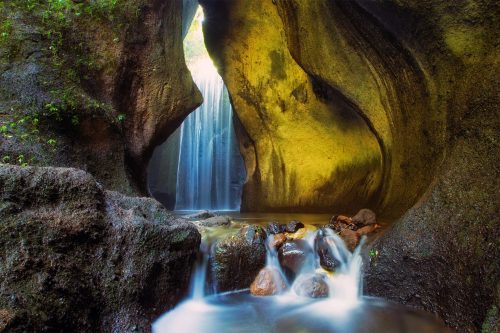
Seganing Spring – Cliffside Secret
Not all attractions in Nusa Penida are easy to reach — and Seganing Spring is the perfect example. A narrow, often vertigo-inducing trail clings to the cliffside, winding down to a small freshwater spring near the ocean’s edge. The walk is not for everyone, but those who make it are rewarded with a secluded, spiritual place where locals once came to collect water.
It’s not a site for swimming or lounging, but for witnessing the raw bond between land and sea — a hidden piece of Penida’s heritage.
Insider’s Insight: Seganing Trail
This trail is exposed and extremely steep. Not recommended for children, elderly travelers, or anyone uncomfortable with heights. If you go, wear sturdy shoes and take your time.
Guyangan Waterfall – Stairway to the Sea
One of the island’s most unique spots, Guyangan Waterfall isn’t a waterfall in the typical sense. Instead, it’s a natural spring that gushes from the cliffs high above the ocean. Reaching it involves descending a striking blue steel stairway bolted into the rock face, offering dizzying views of waves crashing below.
At the bottom, pools of freshwater provide a refreshing dip, long considered sacred by locals. The combination of dramatic cliffside walk, ocean vistas, and sacred spring make Guyangan one of the most memorable experiences on the island.
Insider’s Insight: Sacred Water
Local Balinese view Guyangan as a holy site. Many come here for purification ceremonies, so swim respectfully and avoid disrupting rituals.
Banah Cliff – The Hidden Arch
For sheer drama, Banah Cliff is hard to beat. The viewpoint looks out over an enormous offshore rock pierced by a natural arch. With no major facilities or large crowds, it feels raw and untouched compared to other west coast spots. Sunset here is particularly magical, when the arch glows against the backdrop of the Indian Ocean.
Insider’s Picks: Photo Secrets
- Mid-afternoon light best reveals the turquoise water through Banah’s arch.
- Drone enthusiasts love this spot for capturing the full scale of the cliff.
- Golden hour is unbeatable for silhouettes and moody shots.
Suwehan Beach – The Peaceful Escape
If you dream of having a beach to yourself, Suwehan Beach might be the answer. Located on the southeast coast, it requires a steep descent, but rewards you with powdery white sand and dramatic cliffs framing the shore. A distinctive triangular rock formation stands in the surf, giving the beach a unique identity.
Unlike Kelingking or Diamond, Suwehan remains relatively quiet, especially outside weekends. Bring your own supplies, as there are no warungs or vendors — just you, the sea, and perhaps a few other travelers chasing solitude.
Insider’s Insight: Pack Smart for Suwehan
- No shops or stalls — bring water and snacks.
- The trail is steep — wear proper footwear.
- Great spot for picnics, sunrise views, and pure tranquility.
Tying It Together
Exploring Nusa Penida’s beaches and cliffs is more than ticking off a bucket list — it’s about feeling the scale of nature in ways that remind you how small we are.
From the adrenaline of Kelingking’s descent to the serenity of Suwehan, from the spectacle of Angel’s Billabong to the sacred waters of Guyangan, the island’s landscapes are at once humbling and exhilarating.
The key is to pace yourself. Roads between sites are rough and distances longer than they appear. Choose a handful of attractions each day and linger. Nusa Penida isn’t just a photo backdrop — it’s a place to feel alive, to sweat on cliff trails, to breathe in salty air, and to witness nature in its rawest form.
Marine Life – Snorkeling & Diving in Nusa Penida
If Nusa Penida’s cliffs and beaches take your breath away on land, its marine world will leave you utterly speechless. The island sits on the edge of the Indonesian Throughflow, a powerful ocean current that sweeps between the Pacific and Indian Oceans. This current feeds rich nutrients into the waters around Penida, creating a thriving marine ecosystem.
Coral reefs blaze with color, mantas glide effortlessly through cleaning stations, and — if you come at the right season — the elusive mola-mola, or ocean sunfish, rises from the deep.
This is why Nusa Penida has become one of Southeast Asia’s premier destinations for both snorkeling and diving. But with its rewards come challenges: strong currents, exposed coastlines, and the need for knowledgeable guides. Here’s how to experience it all safely and memorably.
Manta Point – Graceful Giants
Mention Nusa Penida to a diver, and chances are they’ll immediately say one word: Manta. Located on the island’s southwest coast, Manta Point is a cleaning station where reef mantas — with wingspans of up to 5 meters — come to hover above coral outcrops while tiny fish nibble parasites from their skin.

For snorkelers, the thrill is indescribable: floating on the surface while a manta glides silently beneath you, as if flying underwater. Divers get even closer, watching as multiple mantas circle gracefully in the blue. Sightings are common year-round, though the water can be chilly (dropping to 20°C at times), so a wetsuit is recommended.
The area is also exposed, with swells and currents making conditions unpredictable. This is not the place for beginner snorkelers to go unguided. Always join a reputable operator who understands the site’s dynamics.
Crystal Bay – The Mola-Mola Magnet
While snorkelers love Crystal Bay for its accessible reef, divers know it as one of the world’s best sites to encounter the bizarre and fascinating mola-mola (ocean sunfish).
These enormous, disk-shaped fish live in the deep ocean but rise to shallower depths to be cleaned during the cooler months of July to October. Seeing a mola-mola is like encountering a creature from another planet — up to 3 meters tall, with wing-like fins and big, soulful eyes.
But here’s the catch: Crystal Bay is infamous for its strong and unpredictable currents. Downwellings can occur, pulling divers deeper if they’re not careful. This is why mola-mola dives are recommended only for advanced divers, always with experienced local guides. The reward, however, is unforgettable: a once-in-a-lifetime encounter with one of the ocean’s strangest giants.
Insider’s Insight: Quick Fact
Nusa Penida is one of the best places in the world to spot the elusive oceanic sunfish (mola-mola). Peak season is July–October, when these gentle giants rise from the depths to be cleaned by reef fish.
Toyapakeh & Beyond – Reefs Alive with Color
For those who prefer reefs over pelagics, Toyapakeh is a dream come true. Located near the island’s main harbor, this site is a garden of coral walls and slopes teeming with reef life. Hard and soft corals compete in color, schools of fusiliers shimmer in unison, and macro lovers can hunt for nudibranchs and frogfish.
The currents here are strong but generally manageable for intermediate divers. Snorkelers can also enjoy the shallows on calm days, where corals come right up to the surface. Toyapakeh is a favorite among dive instructors for its combination of beauty and accessibility.
Other notable dive and snorkel sites include Gamat Bay, with its vibrant coral bommies, and SD Point, where drift diving feels like flying over an endless reef.
⚠️ Safety Considerations
With great beauty comes great respect. The waters around Nusa Penida are not beginner-friendly in the way some Balinese reefs are. Currents can shift rapidly, waves can be strong, and visibility varies. Here are key points to keep in mind:
- Never snorkel or dive alone. Always go with a certified operator.
- Check conditions daily. A site that’s calm in the morning can be dangerous by afternoon.
- Wear fins, not just masks. Currents can pull you quickly — fins give you power to maneuver.
- Divers should bring a surface marker buoy (SMB). Currents can carry groups apart from boats.
- Respect marine life. Never chase or touch mantas, mola-molas, or turtles.
By following these precautions, you can enjoy Nusa Penida’s marine life safely and responsibly.
Insider’s Tips: Choosing the Right Operator
Nusa Penida has a growing number of dive and snorkel operators, from budget-friendly day trips to professional dive centers with international standards. When choosing, look for:
- Safety record (equipment quality, emergency plans, oxygen onboard).
- Small group sizes (for more personalized attention).
- Eco-conscious practices (no anchoring on reefs, proper waste disposal).
- Experienced local guides (they know the currents and animal behaviors best).
Some operators even combine snorkeling and sightseeing tours, allowing non-divers to enjoy manta encounters before heading to iconic beaches.
More Than Just Big Names
While manta rays and mola-molas grab the headlines, don’t overlook the “everyday magic” beneath Penida’s waves. Turtles graze lazily on seagrass beds, reef sharks cruise past, and healthy coral systems attract an endless parade of tropical fish. For photographers, both wide-angle and macro opportunities abound, from sweeping reefscapes to tiny critters hiding in crevices.
In a world where many reefs are under threat, Nusa Penida stands out as a reminder of how alive and thriving the ocean can be — provided we treat it with respect.
Wrapping It Up
Whether you’re snorkeling with mantas, drifting over Toyapakeh’s gardens, or waiting patiently for a mola-mola to appear from the blue, the waters of Nusa Penida are pure magic. They are challenging, yes, but they also reward those who come prepared, with memories that last a lifetime.
Above the cliffs, Penida feels wild and untamed. Beneath the waves, it feels like entering another world — one where giants glide, reefs pulse with life, and every dive feels like a gift.y dive feels like a gift.
Nusa Penida Itineraries – 1, 2 & 3 Days
Planning a trip to Nusa Penida can feel like standing in front of a buffet where everything looks delicious — cliffs, beaches, dive sites, temples, hidden springs. The trick is to balance what’s iconic with what’s doable, depending on how much time you have. That’s where a well-thought-out Nusa Penida itinerary comes in handy.
Whether you’ve got just a day, a long weekend, or several days to spare, here are sample itineraries that combine the island’s highlights with its hidden gems.
One-Day Itinerary – The Greatest Hits
If you’re day-tripping from Bali, you’ll want to maximize your time. Boats from Sanur often arrive mid-morning, giving you about six hours on the island before the return trip. That’s enough to see either the west or east, but not both.
Option 1: West Coast Wonders
- Start at Kelingking Beach, Nusa Penida’s dramatic icon. Even if you don’t hike down, the view from the cliff will leave you speechless.
- Move on to Broken Beach and Angel’s Billabong, natural formations carved by the sea.
- End the day at Crystal Bay, perfect for a sunset swim or a relaxed snorkel.
Option 2: East Coast Adventure
- Begin at Atuh Beach, where sunrise paints the limestone cliffs in gold.
- Walk over to Diamond Beach, with its staircase cut into the cliff.
- Stop at the Tree House Molenteng viewpoint for that postcard shot overlooking the Thousand Islands.
Insider’s Tips: Day Trippers’ Eddentials
If you’re visiting on a one-day trip, stick to either west or east. Trying to do both will leave you exhausted and stuck on bumpy roads instead of enjoying the views.
Two-Day Itinerary – A Balanced Escape
With two days, you can breathe a little, balancing the raw landscapes with some time in the water.
- Day 1: West Coast Icons
Follow the one-day west coast itinerary: Kelingking, Broken Beach, Angel’s Billabong, and Crystal Bay. Spend the night in a local guesthouse or villa near the harbor for convenience. - Day 2: Snorkeling + East Coast
Join a morning snorkel tour to Manta Point or Crystal Bay. Afterward, head to the east coast for Atuh Beach and Diamond Beach. If time allows, add a stop at Teletubbies Hill, a surreal landscape of rolling green mounds.
Insider’s Insight: Where to Stay
For two-day itineraries, choose accommodation near Toyapakeh or Sampalan harbor. It minimizes transfer time and gives you easy access to both east and west routes.
Three-Day Itinerary – The Full Experience
Three days lets you truly settle into Penida’s rhythm — time to combine adventure, culture, and hidden gems.
- Day 1: West Coast Wonders
Kelingking, Broken Beach, Angel’s Billabong, Crystal Bay sunset. - Day 2: Snorkeling & East Coast
Morning snorkel/dive at Manta Point or Toyapakeh, then Diamond Beach, Atuh Beach, Tree House Molenteng, and Teletubbies Hill. - Day 3: Culture & Hidden Corners
Visit Pura Dalem Ped, one of Bali’s most spiritually powerful temples. Continue to Seganing Spring or Guyangan Waterfall if you’re up for the adventure. End at Banah Cliff Point for one last panoramic ocean view.
Insider’s Insight: The Local Beat
Spend your third evening at a small warung in Sampalan or Ped village. Order fresh grilled fish, sit with the locals, and you’ll see a side of Nusa Penida most tourists miss.
Wrapping It Up
Whether you have one day for highlights, two days for balance, or three days for a deeper dive, a Nusa Penida itinerary ensures you see the best of the island without rushing. And remember — part of Penida’s magic lies in its unpredictability. Roads are rough, boats sometimes get delayed, and plans shift with the weather. Embrace the chaos, and the island will reward you with memories worth far more than a perfectly timed schedule.
Where to Stay in Nusa Penida
Finding the right Nusa Penida accommodation is part of shaping your island experience. But before you hit “book,” it’s worth knowing that Penida’s hospitality scene is still young compared to Bali. Roads can be bumpy, services a little more rustic, and when you see the word “villa” or “resort”, don’t expect the same level of polish you’d find in Seminyak or Ubud.
What you will find, however, is something Bali’s busier hubs can’t always deliver: cliffside views with no one else around, starlit skies uninterrupted by city lights, and the warmth of hosts who often treat you more like family than guests.
Here’s a breakdown to help you decide where to stay in Nusa Penida, depending on your travel style and budget.
Budget Stays – Homestays & B&Bs
If you’re the type who values experience over frills, Penida’s budget homestays and B&Bs are your best bet. Rooms are usually simple — think fan or basic AC, private bathrooms, and breakfast included. What makes them special is the hospitality.
Many families run homestays right by the main harbors of Toyapakeh, Sampalan, or Ped, making them convenient for both tours and boat departures. Here, your host might cook you a fresh fish dinner, help arrange scooter rental, or even share stories of Penida’s traditions.
Expect to pay IDR 200,000–500,000 per night (~USD 15–30).
Insider’s Insight: Budget Comfort
Homestays near Ped village give you a sweet spot: close to temples, restaurants, and still within easy reach of both the east and west coasts.
Mid-Range Boutique Stays
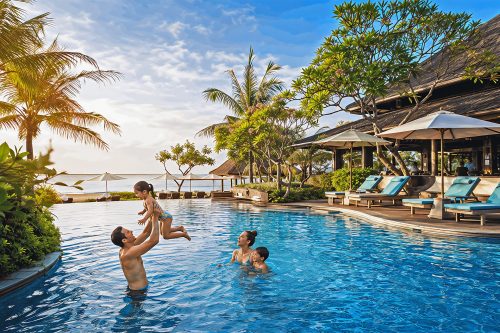
This is where Penida shines for many travelers: mid-range boutique stays that blend charm with comfort. Expect small-scale hotels or bungalow clusters with tasteful design, pools overlooking the sea, and on-site dining. They’re often locally owned but designed with Instagram in mind — think bamboo interiors, infinity pools, and breezy open-air lounges.
Popular areas for mid-range stays include:
- Crystal Bay area for sunset lovers.
- Buyuk and Toyapakeh for easy access to boat tours.
- East coast for more tranquility near Atuh and Diamond Beach.
Prices generally fall in the IDR 600,000–1,500,000 per night (~USD 40–100) range.
Insider’s Pick: Boutique Favorites
If you’re after atmosphere, choose a boutique stay with a pool. After a hot day bouncing on Penida’s roads, nothing beats dipping into cool water while watching the sun drop into the sea.
Luxury Resorts & Private Villas
Here’s where expectations need adjusting. When you read “luxury resort” or “private villa” in Penida, it often means something more modest than Bali’s five-star standards. The number of truly upscale properties is limited — but that’s slowly changing as investment grows.
Still, if you want privacy and views, Penida delivers. Many cliffside villas come with infinity pools gazing straight into the Indian Ocean. Resorts may offer spa services, fine dining, and even curated tours. But you may also find patchy Wi-Fi, limited room service, or fewer staff than you’d expect in a Bali villa.
That said, the rawness adds to the charm. Imagine floating in your own infinity pool as mantas swim in the waters below, or waking up to sunrise over Diamond Beach from your balcony. Those moments are the real luxury.
Expect rates from IDR 2,000,000 per night and up (~USD 130+).
Insider Tips: Cliffside Bookings
Many of Nusa Penida’s best villas are perched right on the cliffs. Book early for ocean views — these rooms go fast, especially during high season.
Final Thoughts on Staying in Penida
Choosing where to stay in Nusa Penida depends less on stars and more on mindset. If you’re after polished, five-star amenities, the island may feel rough around the edges. But if you’re open to boutique charm, heartfelt hospitality, and the occasional gecko singing outside your window, you’ll find something that feels truly special.
From family-run homestays where breakfast is served with a smile, to cliffside villas that redefine barefoot luxury, Nusa Penida accommodation mirrors the island itself: wild, imperfect, but unforgettable.
Insider’s Picks: Tried & Loved Stays
- Budget: The Banana House – Simple, family-run, with a garden setting near Sampalan harbor.
- Mid-Range: Semabu Hills Hotel – Boutique-style bungalows with an infinity pool overlooking Mount Agung.
- Luxury: Adiwana Warnakali Resort – Cliffside property near Toyapakeh with a dive center and ocean-view suites.
These aren’t five-star by Bali standards, but they deliver the Penida blend of comfort, views, and local charm.
Food & Dining in Nusa Penida
Eating on Nusa Penida is a little like the island itself — rustic, raw, and occasionally surprising. While you won’t find the dizzying array of fine dining restaurants Bali is famous for, what you will discover is food served with honesty: grilled fish caught that morning, nasi campur piled high on a paper plate, smoothie bowls blended with fruit grown just a hill away.
Here’s what to expect when exploring Nusa Penida restaurants and food culture.
Local Warungs – The Heart of Island Eating
Warungs are the backbone of dining here. These family-run eateries serve Indonesian staples like nasi goreng (fried rice), mie goreng (fried noodles), gado-gado (vegetables with peanut sauce), and ayam bakar (grilled chicken).
One of the highlights is fresh seafood, often cooked over charcoal and served with sambal matah, a fiery shallot-chili relish beloved by locals. Prices are friendly too — a hearty plate rarely costs more than a couple of US dollars.
Eating in a warung is also a cultural experience. You might find yourself sitting next to locals chatting in Balinese, kids darting around, or the family’s rooster crowing in the yard. It’s dining without pretense, and it’s deeply satisfying.
Beach Cafés – Views with Your Meal
Around Crystal Bay, Toyapakeh, and the east coast near Atuh, beach cafés offer a more relaxed, international vibe. Expect menus with smoothie bowls, fresh juices, pancakes, and grilled seafood platters — perfect for refueling between swims or while waiting for the sunset.
These spots often double as bars in the evening, where travelers gather over Bintang beers or cocktails as the sky turns pink. Don’t be surprised if you end up sharing travel tips with strangers who become new friends.
Western-Friendly & Eco-Conscious Spots
As Penida grows more popular, Western-friendly restaurants are sprouting up around harbors and villages like Ped and Sampalan. Think wood-fired pizzas, burgers, pasta, and vegetarian-friendly menus. Many are run by young locals who have worked in Bali’s hospitality scene and brought back skills, or by expats drawn to Penida’s charm.
A positive trend is the rise of eco-conscious eateries, focusing on organic produce, plant-based dishes, and reducing plastic waste. Some even serve meals with bamboo straws and emphasize community farming projects. It’s a refreshing evolution for an island still finding its culinary identity.
Fine Dining – Still Rare, but Growing
If you’re imagining the polished, candlelit fine dining of Ubud or Seminyak, dial down expectations. Fine dining in Nusa Penida is limited, but a few upscale resorts are beginning to push the boundaries with creative menus, wine pairings, and romantic cliffside settings. Here, dinner is less about Michelin stars and more about ambience: the sound of waves crashing below and the sight of stars scattered across the night sky.
Insider’s Tips: What Not to Miss
Try grilled mahi-mahi with sambal matah at a local warung — it’s Penida on a plate: fiery, fresh, and unforgettable.
Wrapping It Up
Dining in Nusa Penida may not yet rival Bali’s restaurant scene, but it offers something just as memorable: food with soul. From homely warungs where grandma stirs the pot, to barefoot cafés with ocean views, to eco-conscious spots paving the way for sustainable dining, meals here are as much about setting and community as they are about flavor.
When you eat in Penida, you taste the island itself — raw, simple, and irresistibly real.
Insider’s Picks: Where to Eat in Nusa Penida
- Warung Pondok: Family-run favorite near Sampalan serving fresh grilled fish with sambal matah.
- Penida Colada Beach Bar: Chilled beachfront café in Ped with smoothie bowls by day and cocktails by night.
- Organica Fresh: Eco-conscious eatery focusing on plant-based meals and sustainability.
- The Chill Penida: A casual but stylish beach club vibe with pizza, beer, and sunset views.
These picks aren’t about luxury labels — they’re about authenticity, atmosphere, and a taste of Penida’s evolving food scene.
Culture, Temples & Local Life
Scratch beneath the dramatic cliffs and turquoise bays, and you’ll find that Nusa Penida culture runs deep. This island has long been considered spiritually powerful within Bali’s Hindu cosmology. While it has only recently risen as a tourist destination, for centuries it has been a pilgrimage site for Balinese seeking blessings, balance, and protection.
Pura Dalem Ped – The Island’s Spiritual Heart
Located in Ped village, this temple is the most important sacred site on Nusa Penida. For Balinese Hindus, Pura Dalem Ped is a place of great mystical power, visited during important ceremonies and festivals.
Many locals believe the temple offers protection from disease and misfortune. Pilgrims travel from all over Bali to pray here, often bringing offerings of flowers, rice, and incense. For visitors, it’s an opportunity to witness devotion at its most heartfelt — though it’s essential to wear a sarong and sash and observe respectfully.
Pura Goa Giri Putri – Worship in a Cave
One of Penida’s most fascinating spiritual sites is Pura Goa Giri Putri, a temple hidden within a massive limestone cave. To enter, you squeeze through a narrow crevice that suddenly opens into a vast underground chamber lit with oil lamps and filled with incense smoke.
The atmosphere is electric — echoes of chanting, the sight of priests conducting rituals, and the sense of being inside the earth itself. Locals come to Goa Giri Putri to seek purification, with ceremonies involving holy water and offerings to ancestral spirits.
Insider’s Insight: Spiritual Power
Locals see Penida as spiritually potent, even a little intimidating. Many Balinese believe the island embodies both divine protection and testing challenges — which is why pilgrimages here are so meaningful.
Festivals & Daily Life
Beyond the temples, Penida’s cultural life beats in rhythms both grand and humble. Nyepi Laut (Ocean’s Silent Day) is unique to Nusa Penida: every year, islanders refrain from fishing or going to sea to honor Dewa Baruna, the god of the ocean. It’s a day of gratitude and respect for the waters that sustain them.
Daily rituals are just as telling. Walk through a village in the morning and you’ll see women placing canang sari (small offerings of flowers, rice, and incense) at family shrines or even on the ground outside homes. Roosters crow, children play barefoot, and farmers tend to their seaweed farms or fields of cassava. Life here is slower, simpler, and still deeply tied to tradition.
Experiencing Culture as a Visitor
For travelers, engaging with Nusa Penida culture isn’t about staged performances or flashy dance shows. It’s about small, authentic moments: chatting with a homestay host about the meaning of offerings, joining locals at a temple festival if invited, or simply observing with respect.
By embracing the island’s spiritual side, you’ll leave with more than just photos of beaches — you’ll carry a glimpse of what makes Penida so profoundly Balinese, yet uniquely its own.
Adventure Beyond Beaches – Hiking, Springs & More
Nusa Penida’s reputation often begins and ends with its beaches, but some of its most rewarding experiences are found away from the sand. Beyond the turquoise bays and limestone cliffs lie hikes, hills, springs, and caves that reveal a wilder, more spiritual side of the island. If you’re craving adventure — and don’t mind working up a sweat — these hidden gems in Nusa Penida are where raw beauty meets real discovery.
Peguyangan Waterfall – The Sacred Blue Stairway
Perhaps the island’s most iconic inland adventure, Peguyangan Waterfall isn’t a traditional waterfall at all. To get there, you descend a narrow blue stairway clinging to a cliff face, with the Indian Ocean crashing hundreds of meters below. At the bottom lies a sacred temple, freshwater spouts, and natural pools where pilgrims come for purification. The descent (and climb back up!) can be tough, but the reward is both spiritual and scenic.
Insider’s Warning: Respect the Sacred
Visitors are required to wear a sarong here, even on the steep stairway. Remember: this isn’t just a tourist attraction, it’s a holy site.
Teletubbies Hill – Green Waves of Land
Inland, the mood shifts. Teletubbies Hill — nicknamed for its rolling, grass-covered mounds — offers wide-open views and a sense of calm far removed from the coast. It’s especially magical at sunrise, when the hills glow in soft light and morning mist lingers in the valleys. The landscape feels whimsical, yet it’s also an important part of local agriculture, with dry fields, small farms, and grazing cattle dotting the area.
Caves, Cliffs & Secret Springs
Nusa Penida is honeycombed with caves and secret hideaways. Goa Giri Putri (already mentioned in culture), for example, is a spiritual experience. But for pure adventure, cliff jumps and springs are what draw thrill-seekers:
- Tembeling Springs & Beach: A jungle walk leads to hidden freshwater pools and a secluded beach framed by dramatic cliffs.
- Seganing Spring: A steep cliffside path rewards the brave with crystal-clear freshwater pools overlooking the ocean.
- Cliff Jumping at Batu Nunggul (for the daring only) — a spot where locals plunge into deep blue water. Safety here is self-managed, so approach with caution.
These aren’t polished attractions with guardrails and facilities. They’re raw, untamed, and sometimes risky. But that’s exactly their charm. Exploring them feels like stepping into a Bali of decades past — where discovery was earned, not packaged.
Insider’s Pick: Go with a Local Guide
- Peguyangan Waterfall: Hire a local guide at the entrance for safe navigation of the steep stairway and temple etiquette.
- Tembeling Springs: Guided visits make the jungle walk easier — and you won’t miss the hidden pools locals treasure.
- Seganing Spring: Only recommended with an experienced guide; the trail is narrow, uneven, and not for beginners.
Exploring Penida’s hidden gems with a guide isn’t just safer — it also gives you a glimpse into local stories and traditions you won’t find online.
Practical Tips & Safety
Every paradise has its quirks, and Nusa Penida is no exception. While its cliffs, beaches, and marine life will take your breath away, it’s the little details that can make — or break — your trip. So, is Nusa Penida safe? The short answer: yes, as long as you prepare and take a few precautions. Think of it as part of the adventure — a wild island that rewards the cautious traveler.
Roads & Transport
Road conditions have improved in recent years, but many routes remain narrow, steep, and riddled with potholes. The most scenic spots — like Kelingking or Peguyangan — often involve bumpy drives along cliffside tracks.
Renting a scooter is the most common way to get around, but it’s not for beginners. If you’re not confident on two wheels, hire a car with driver instead.
Prices are reasonable, and you’ll be far more relaxed on the rough stretches.
Scooter Safety
If you do choose a scooter, wear a helmet at all times and drive slowly — especially downhill. Penida’s roads aren’t like Bali’s; sharp turns and gravel patches can surprise even experienced riders.
Insider’s Caution: Scooter Reality Check
First-timers are better off skipping the scooter altogether. Many accidents involve travelers overestimating their skills.
Snorkeling & Diving Safety
The waters around Penida are beautiful, but currents can be strong and unpredictable. Always go with a licensed operator for snorkeling or diving, never attempt to explore offshore waters alone. Manta Point, Crystal Bay, and Toyapakeh are world-class, but they demand respect for the ocean. Trust your guide’s advice, and if conditions don’t feel right, don’t push it.
Respect Local Culture
Temples and sacred sites are woven into daily life here. Always wear a sarong when entering a temple, and avoid climbing on sacred rocks or disturbing ceremonies. What may look like an Instagram backdrop is often a deeply spiritual place.
Insider’s Insight: Cash is King
Always carry cash — ATMs are limited and sometimes unreliable. Many warungs, small guesthouses, and even some tour operators only accept cash, and card machines often fail due to poor signal.
Final Word on Safety
Nusa Penida is safe for travelers who come prepared. Respect the island’s challenges — from winding roads to unpredictable seas — and it will reward you with memories unlike anywhere else in Bali.
Why Nusa Penida is Unforgettable
If Bali is the polished, cosmopolitan elder sibling, then Nusa Penida is its wild-hearted younger one — untamed, raw, and endlessly surprising. This Nusa Penida travel guide has shown you both sides of the island: the postcard-perfect icons like Kelingking Beach and Crystal Bay, and the hidden Nusa Penida attractions that most travelers miss, from secret springs and jungle pools to clifftop temples and quiet hillsides.
What makes Penida unforgettable is its balance. On one hand, it’s a place of awe-inspiring adventure — hikes that test your courage, currents that humble you, cliffs that make your heart race. On the other, it’s a land of deep culture and simplicity — morning offerings at village temples, family-run warungs, and landscapes that seem to belong more to myth than to maps.
Nusa Penida is not just about ticking off Instagram spots — it’s about slowing down, staying longer, and letting the island reveal itself to you.
That’s the secret: Penida rewards those who don’t rush. Stay more than a day. Wander inland, not just along the coasts. Share a meal in a roadside warung, not just in a café. Dive with manta rays, but also hike into hills where farmers greet you with smiles.
And when you’re ready to turn inspiration into experience, we’ve made it easier: explore our curated Nusa Penida tours and multi-day packages — designed to take you beyond the obvious and into the heart of the island.
Because in the end, Nusa Penida isn’t just a destination. It’s a journey into nature’s raw beauty, into culture that still feels authentic, and into moments that stay with you long after you’ve left its shores.
Insider’s Insight: Stay Longer Than You Think
Most travelers come for a day and leave wishing they had more time. Two nights let you see the icons. Three or more nights let you discover the hidden Penida: springs, temples, and quiet coves you’ll never find in a one-day rush.
The longer you stay, the more Nusa Penida reveals its soul.
Our Nusa Penida Tours

Snorkeling with Manta Rays in Nusa Penida – Swim Among Gentle Giants of the Ocean
Swim alongside gentle manta rays in Nusa Penida on this all-inclusive day tour from Bali. Starting with a fast boat from Sanur, you’ll snorkel at the island’s top sites: Manta Bay, Crystal Bay, Gamat Bay, and Wall Point. With professional guides, high-quality gear, and a freshly prepared lunch, everything is arranged for your comfort and safety. Whether it’s your first snorkeling trip or a seasoned adventure, this is Bali’s ultimate marine experience—thrilling, breathtaking, and unforgettable.
The Best of Nusa Penida in a Day – West & East Combo Tour
Experience the best of Nusa Penida in just one day with this all-inclusive combo tour. From the dramatic cliffs of Kelingking Beach and the natural arches of Broken Beach to the dreamy turquoise waters of Diamond Beach and the sweeping views of Thousand Island, this journey captures the island’s most iconic sights. With fast boat transfers, private transport, guide, and lunch included, you can simply enjoy the adventure and soak in the unforgettable beauty of Bali’s favorite island escape.


Explore the Iconic Coastline of Nusa Penida – West Day Tour
The Nusa Penida West Day Tour brings you face-to-face with the island’s most iconic and photogenic landscapes. Marvel at the dramatic cliffs of Kelingking Beach, the natural bridge of Broken Beach, and the crystal-clear tide pools of Angel’s Billabong. End the day by relaxing on the palm-fringed sands of Crystal Bay. With fast boat transfers, private transport, and lunch included, this all-in-one trip is the easiest way to experience the breathtaking beauty of Bali’s most Instagram-famous coastline.
Immerse into the Untamed Beauty of Nusa Penida – East Day Tour
The Nusa Penida East Day Tour takes you to the island’s most dramatic and unspoiled landscapes. From the sparkling white sands of Diamond Beach to the sweeping panoramas of Thousand Islands Viewpoint, every stop immerses you in Bali’s raw, untamed beauty. You’ll also visit Atuh Beach, marvel at the cliffside Tree House, and soak in the rolling green Teletubbies Hills. Perfect for explorers seeking a less-crowded alternative to the west coast, this day trip blends breathtaking views with authentic island charm.

Related Articles
- Bali Snorkeling and Diving Adventures: An Insider’s Guide to the Island’s Underwater Magic
- Snorkeling in Nusa Penida – Manta Bay, Crystal Bay, Gamat & Wall
- Manta Bay Guide – Meet the Gentle Giants of Nusa Penida
- East Nusa Penida Attractions – Hidden Gems & Natural Wonders
- How to Make the Most of Nusa Penida in a Day
- Overnight in Nusa Penida – Where to Stay & What to See