Manta Bay Guide – The boat rocks gently as it slows to a stop, and the guide signals: “This is it.” The turquoise water shimmers under the sun, calm at the surface but alive with movement below. You take a deep breath, slip your mask into place, and lower yourself into the ocean. At first, it’s just blue — wide, endless blue. Then, a shadow emerges in the distance. Broad wings stretch gracefully through the water, impossibly large and impossibly close. Your heart skips. This is what you came for.
The First Encounter
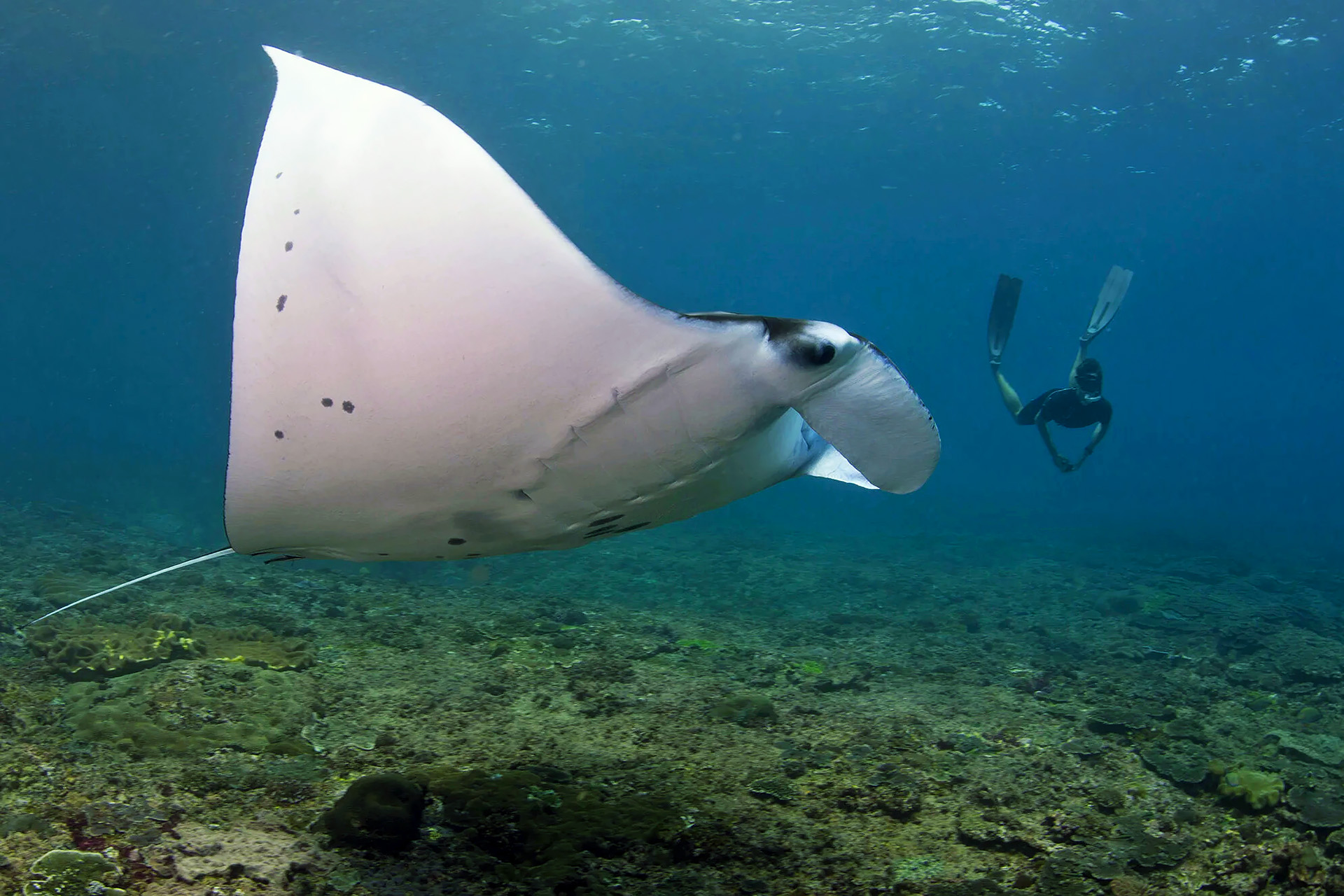
The first time a manta ray glides above you, it feels less like snorkeling and more like meeting a legend. Their size alone is astonishing — wingspans that can stretch over five meters — yet their presence carries no threat, only a slow, rhythmic grace. You watch as the manta circles, its dark body outlined against the light filtering from the surface. Another joins in, then another, moving like dancers in a silent performance.
Time seems to bend underwater, each second stretching into something unforgettable.
Manta Bay Nusa Penida is where these encounters happen. It’s a place where visitors from across the world come for the chance to snorkel with manta rays, and it’s not hard to understand why. Few experiences in Bali — or anywhere — compare to being eye-to-eye with these gentle giants.
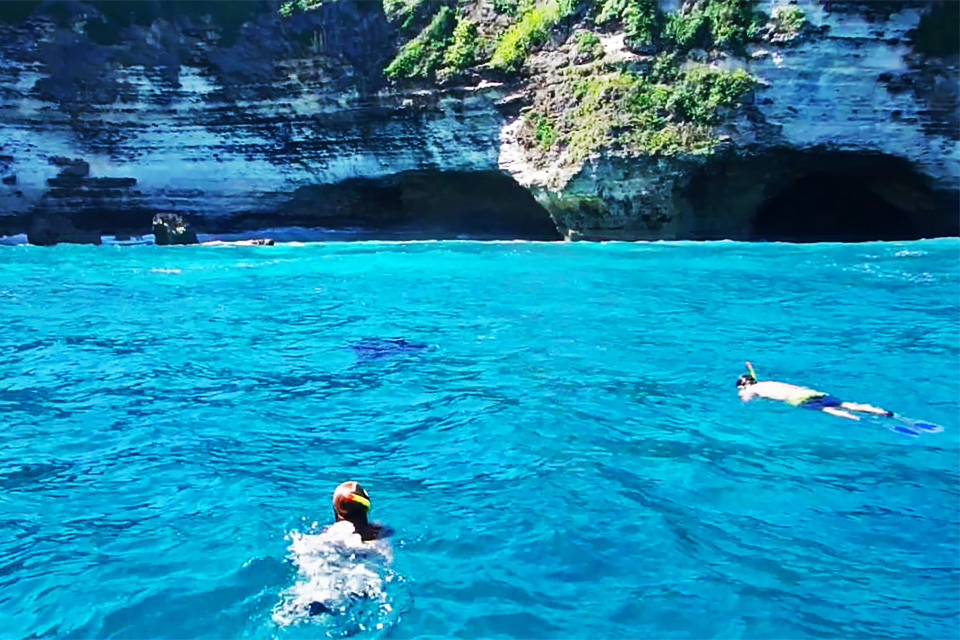
Snorkeling Manta Bay is more than just a marine adventure. It’s a reminder of how vast, mysterious, and delicate the ocean truly is. The bay itself is framed by rugged cliffs and emerald waters, but its magic lies beneath the surface. Here, plankton-rich currents create a natural feeding ground, drawing mantas almost daily. Whether you’re a first-time snorkeler or a seasoned diver, stepping into this world feels like crossing into something sacred.
And yet, there’s something deeply personal about it. Some people come with cameras, eager to capture the perfect shot; others simply float, letting the mantas drift past like visions. Either way, it’s impossible not to feel changed by the encounter.
Bali offers countless treasures above water — temples, rice fields, beaches — but to swim with manta rays in Bali is to witness the island’s most extraordinary magic in motion.
As the mantas circle back and forth, unhurried and undisturbed, you realize you’ve stepped into a world that belongs to them. For a moment, the island of Nusa Penida falls away, and you are simply part of the ocean’s vast, living story.
Bali’s Ocean Stage
From above, Manta Bay doesn’t look much different from other coastal coves on Nusa Penida’s southwest coast. Sheer limestone cliffs rise from the water, their rugged faces softened by greenery, while the bay opens wide into the Indian Ocean.
But beneath the waves, something extraordinary happens: this is where the ocean’s most graceful giants gather.
What makes Manta Bay Nusa Penida unique isn’t just the beauty of its scenery, but the science behind it. The currents here are rich in plankton — the tiny drifting organisms that manta rays feed on. This natural buffet attracts them in numbers that few other places in Bali can match. On some days, it feels like the entire bay is alive with mantas gliding in loops and spirals.
Another secret lies in the “cleaning stations.” These are coral outcrops where small reef fish set up shop, nibbling parasites off the mantas’ broad wings and gills. It’s a symbiotic ritual that’s been happening for thousands of years, and at Manta Bay, snorkelers have a front-row seat. Watching a manta hover almost motionless while little fish dart around it is like witnessing an intimate ocean ballet.
Compared to other Nusa Penida snorkeling spots, Manta Bay stands apart. Crystal Bay dazzles with visibility and colorful reef fish, but mantas are rare there. Gamat Bay offers untouched corals and an adventurous edge, but it doesn’t host the same gatherings of giants. Wall Point, with its dramatic drop-offs, feels thrilling but also demanding. Only Manta Bay gives you that consistent chance to meet the mantas themselves — the stars of Bali’s underwater stage.
For this reason, Manta Bay isn’t just another stop on a snorkeling trip; it’s often the highlight. It’s the story people tell when they return home, the memory that stays vivid long after the island fades into the horizon.
Insider’s Insight: Why Manta Rays Love Manta Bay
- Currents: Nutrient-rich waters sweep in from the Indian Ocean.
- Plankton: A constant food source for filter-feeding mantas.
- Cleaning Stations: Coral patches where mantas get groomed by reef fish.
Together, these elements make Manta Bay a natural magnet for manta rays — and one of the most unforgettable snorkeling encounters in Bali.
Face to Face Encounter
The first time you meet a manta ray, words fall short. One moment you’re adjusting your mask and scanning the blue haze; the next, a shadow the size of a small car glides silently overhead. Its wings spread wide — sometimes up to seven meters across — moving with a rhythm so fluid it feels more like a dance than a swim.
In that instant, you realize you’re not just snorkeling in Bali — you’re sharing the water with one of the ocean’s most graceful giants.
Reef Mantas vs. Oceanic Mantas
The stars of Manta Bay, Nusa Penida, are typically reef manta rays (Mobula alfredi). They are slightly smaller than their cousins, the oceanic mantas (Mobula birostris), which can grow even larger and roam far deeper waters. Yet even reef mantas, with their elegant triangular wings and distinctive black-and-white markings, command a presence that transforms an ordinary snorkeling trip into something unforgettable.
Look closely and you’ll see that no two mantas are the same — their bellies bear unique spot patterns, like fingerprints of the sea. Marine researchers often use these markings to identify and track individuals, some of which return to Manta Bay year after year.
Watching Behavior in Their Natural Habitat
Part of what makes snorkeling with manta rays in Nusa Penida so captivating is observing their behavior. You might find them circling a “cleaning station” — coral outcrops where small reef fish nibble parasites from their skin. At other times, mantas gather in groups, gliding with mouths wide open to filter feed on plankton drifting through the bay.
Occasionally, they’ll show what seems like curiosity, looping closer to snorkelers and divers. Their gentle approach is never aggressive — mantas have no stingers or teeth — but always awe-inspiring. Floating in the water as these giants pass within arm’s reach, you feel not fear, but reverence.
Conservation Awareness
The beauty of this encounter comes with responsibility. Manta rays are vulnerable species, with slow reproduction rates and increasing threats from overfishing in some parts of the world. Bali, fortunately, has taken steps to protect them by designating Nusa Penida as a marine protected area.
Insider’s Tips: Rules in Meeting the Giants
- Keep your distance — at least 3–4 meters whenever possible.
- Do not touch — even a gentle brush can remove protective mucus from their skin.
- Don’t chase — let them come to you; forced interaction stresses the animal.
- Avoid flash photography — bright lights disturb them in their natural rhythm.
Practicing these rules ensures that the magic of diving with manta rays in Bali remains sustainable for generations to come.
An Experience That Stays With You
As you climb back onto the boat, saltwater dripping and adrenaline still high, you’ll likely find yourself replaying the encounter in your mind. For many travelers, this moment becomes the highlight of their Bali adventure — something they speak of long after the sunsets and rice terraces fade from memory.
With wingspans stretching up to 7 meters, manta rays feel less like fish and more like graceful ocean dancers.
Snorkeling at Manta Bay: What to Expect
Snorkeling at Manta Bay, Nusa Penida is unlike stepping into a calm lagoon. This is the open sea — raw, powerful, and teeming with life. The bay itself sits against dramatic cliffs on the island’s southwest coast, exposed to currents that sweep nutrients into the water. These conditions are what attract the mantas, but they also mean you need to come prepared and informed.
Depth and Visibility
Manta Bay is relatively shallow, with snorkeling depths ranging between 3 to 15 meters. On a good day, visibility can stretch from 10 up to 20 meters, letting you spot mantas gliding far below before they ascend closer to the surface. But conditions vary: swells can reduce clarity, and plankton blooms — though they may cloud the water — are exactly what draw mantas in.
Currents and Conditions
Currents are part of the Manta Bay experience. They are usually manageable but noticeable, especially compared to more sheltered spots like Crystal Bay. This makes the site best suited to confident swimmers. That said, most Manta Bay snorkeling tours provide life jackets, and guides are trained to keep groups together. If you’re less experienced, let your operator know in advance so they can give you extra attention in the water.
Insider’s Tips: Safety for the First Timers
- Listen during the briefing — each day brings slightly different conditions, and your crew’s advice is tailored to the moment.
- Stay with your guide — they know how to read the sea and keep you in the best position to spot mantas.
- Don’t drift too far — currents can pull you toward deeper water quickly.
- Conserve energy — float calmly rather than chasing mantas. The less you splash, the closer they may come.
Accessibility and Gear
Getting to Manta Bay means a boat ride from Bali’s mainland (Sanur or Padang Bai) or from Nusa Penida itself. Travel times vary — about 45 minutes from Sanur, or 15–20 minutes from Penida’s main harbor.
Tour operators generally provide all the essentials:
- Mask, snorkel, and fins (but bring your own if you prefer a perfect fit).
- Life jackets, especially for beginners.
- Waterproof cameras or GoPros are highly recommended — this is one memory you’ll want to capture.
- Reef-safe sunscreen to protect the bay’s ecosystem.
Setting Expectations
It’s important to remember that manta rays are wild creatures. Even in a place called Manta Bay, sightings are never guaranteed. However, the odds are good — with many travelers reporting close encounters on their first try. If conditions aren’t ideal, operators may combine Manta Bay with other snorkeling spots like Crystal Bay or Gamat Bay, ensuring you still enjoy vibrant reef life.
Insider’s Tips: Maximizing Chances of Manta Sightings
- Best time of year: April to November (dry season = calmer seas).
- Best time of day: Early morning tours often see fewer boats and more active mantas.
- Tides: Mid-tide transitions bring plankton blooms that mantas love.
- Flexibility: If seas are rough, ask your operator about rescheduling for better conditions.
Diving at Manta Bay: Into the Realm of Giant
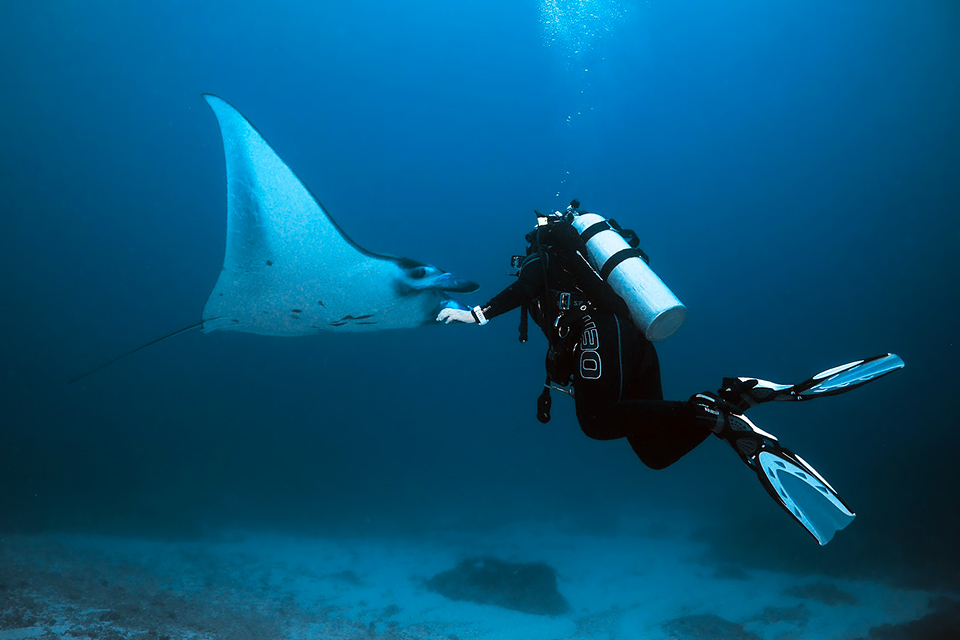
Diving at Manta Bay, Nusa Penida is a plunge into the unknown — a place where the surface world vanishes and the ocean takes command. The moment you descend beneath the chop of the waves, the light softens, the water cools, and then it happens: a vast, winged shadow sweeps overhead. It’s not a passing cloud — it’s a manta ray, gliding with the grace of a bird in slow motion.
The Thrill of the Descent
Unlike snorkeling, where encounters often happen at the surface, diving here allows you to drop into the mantas’ domain. At depths between 10 and 18 meters, you’ll hover near cleaning stations — coral outcrops where mantas circle as tiny wrasse and butterflyfish nibble away parasites. Watching this ritual feels like witnessing a secret performance — a dance that’s been going on for millennia.
With every dive at Manta Bay, you’re not just visiting — you’re entering the realm of giants.
Why Divers Love Manta Bay
The allure lies not only in the mantas but in the drama of the setting. Rugged cliffs loom above the bay, while below, the seabed slopes into deeper blue. Schools of fusiliers flash by, trevallies prowl in the currents, and occasionally, lucky divers glimpse eagle rays soaring through the same waters. Every dive is unpredictable — and that’s the thrill.
Conditions and Requirements
Manta Bay is not Bali’s easiest dive site. The swells and currents demand confidence, making it better suited to divers with at least an Open Water certification and a few logged dives. Beginners often start with training dives at calmer sites like Padang Bai or Amed before coming here.
Visibility varies from 10 to 20 meters, depending on weather and plankton. But even on murkier days, the mantas’ size — wingspans reaching up to 7 meters — ensures they are impossible to miss when they sweep by.
Safety and Respect
Diving with mantas isn’t about chasing them — it’s about patience and presence. The more still you are, the closer they’re likely to come. Guides emphasize keeping at least 3–4 meters away, never blocking their path, and letting the mantas decide how close they’ll approach.
Most operators include detailed briefings before dives, covering entry techniques in swell, hand signals, and emergency protocols. With the right preparation, even intermediate divers can safely experience Manta Bay.
A Must for Every Dive Log
Ask any diver who has explored Bali’s waters, and they’ll tell you: Manta Bay is unforgettable. Not just for the mantas themselves, but for the way time slows when you’re surrounded by them. It’s a dive that lingers in memory, one you’ll replay in your head long after your gear is stowed away.
For many, it’s the very reason they came to Nusa Penida — and the moment they fall in love with diving all over again.
When to See Manta Rays in Nusa Penida
One of the most magical things about Manta Bay, Nusa Penida, is that manta rays are not seasonal visitors — they’re here year-round. Unlike whales or dolphins, mantas don’t migrate far. Instead, they circle back to Nusa Penida’s southern coast for its plankton-rich waters and cleaning stations, making it one of the most reliable places in the world to see them.
Still, knowing the best time to see manta rays in Nusa Penida can help you maximize your experience.
Seasons and Visibility
The dry season (April to October) is considered the sweet spot for snorkeling and diving across Bali. Seas are calmer, skies are clearer, and visibility underwater often stretches 15–20 meters. This makes it easier to spot the graceful mantas even from a distance.
The wet season (November to March) still offers manta sightings, but waters can be choppier, with more plankton clouding the view. The upside? More plankton means mantas may linger longer at the surface, especially when feeding. If you don’t mind a little swell, you can still have fantastic encounters in these months.
The Mola-Mola Bonus

From July to October, Nusa Penida becomes famous for another gentle giant: the mola-mola, or ocean sunfish. While sightings are not as predictable as mantas, divers flock here in hopes of seeing both in one trip. For experienced divers, this season is especially rewarding — manta rays near the surface, mola-mola in the depths.
Time of Day
The morning hours (7:00–11:00 AM) are often the best for snorkeling and diving. Seas are generally calmer before afternoon winds pick up, and tour operators usually plan early departures to catch the most stable conditions. Many manta encounters happen within the first dive or snorkel session of the day.
Afternoons can still deliver magical sightings, but expect stronger swells and more boats in the bay.
A Year-Round Gift
Check out our Nusa Penida Travel Guide for more detailed information. No matter when you come, the odds are in your favor — few places in the world match Nusa Penida’s consistency for manta encounters. Whether it’s a sunny August morning or a cloudy December day, these gentle giants almost always show up to remind you that Bali’s ocean is alive with wonder.
Insider’s Insight: Manta Bay Calendar at a Glance
- January–March: Wet season, more plankton, mantas still present but seas choppier.
- April–June: Dry season begins, calmer seas, excellent visibility.
- July–October: Peak season — best visibility, plus bonus mola-mola sightings.
- November–December: Transition months, occasional rain but mantas remain reliable.
Reaching Manta Bay: Tours and Travel Tips
Seeing manta rays at Manta Bay, Nusa Penida is not just about the encounter itself — it’s about the journey that takes you there. From the moment you leave Bali’s mainland to the moment you slip into the water, the trip is an adventure of its own.
Getting to Nusa Penida
The most common route is by fast boat from Sanur Harbor. The crossing takes around 40–45 minutes, depending on sea conditions, and boats leave frequently throughout the day. If you’re staying closer to Benoa or Kusamba, departures are also available, though Sanur remains the most popular hub thanks to its convenience.
Once you land at Nusa Penida’s Toyapakeh or Banjar Nyuh harbor, tour operators or private boat charters can take you directly toward Manta Bay on the island’s southwest coast. The ride is short — around 20–30 minutes by speedboat — but the anticipation builds with every wave.
Choosing the Right Tour Format
Most travelers experience Manta Bay through Nusa Penida boat tours, which range from budget-friendly group trips to luxury private charters.
- Group Tours are the most affordable option. You’ll share the boat with other snorkelers, and while it can feel a little busier, the energy of fellow ocean-lovers adds to the fun.
- Private Charters offer flexibility. You can set your pace, spend longer at Manta Bay if the mantas are circling, or combine snorkeling with a relaxed beach stop. They cost more, but for families or groups of friends, the price often balances out.
Half-Day vs. Full-Day Snorkeling Adventures
- Half-Day Tours usually focus on Manta Bay with one additional stop, such as Crystal Bay or Gamat Bay. This is a great choice if manta rays are your main goal but you’d still like a second reef experience.
- Full-Day Packages often include 3–4 top snorkeling spots in Nusa Penida: Manta Bay, Crystal Bay, Gamat, and Wall Point. These trips maximize variety — mantas, corals, walls, and colorful schools of fish — making it the best option if you want the full marine picture in one day.
Travel Tips
- Book in advance, especially during the dry season (April–October), when demand peaks.
- Bring reef-safe sunscreen, a dry bag, and a change of clothes.
- If you’re prone to seasickness, consider motion sickness tablets before boarding the fast boat.
- Most tours include gear, but bringing your own well-fitting mask and snorkel makes a big difference in comfort.
The right tour isn’t just about getting you to Manta Bay — it’s about giving you the time, comfort, and care to truly enjoy the encounter.
Insider’s Picks: Recommended Tour Formats
- Half-Day Adventure: Manta Bay + Crystal Bay (perfect if you’re short on time).
- Full-Day Classic: Manta Bay + 3 more spots (best for variety and value).
- Private Charter: Flexible schedule, privacy, more time at each site.
Be a Responsible Snorkeler
Swimming with manta rays at Manta Bay, Nusa Penida is one of Bali’s most magical experiences. But with great privilege comes responsibility. These graceful giants are vulnerable species, and their survival depends on our care and respect. By following a few simple guidelines, every snorkeler can help protect the mantas — ensuring future generations get to meet them too.
Golden Rules of Manta Etiquette
- Don’t touch: Manta rays have a delicate protective coating on their skin. Even the lightest touch can remove it and make them prone to infection.
- Don’t chase: Mantas are naturally curious. If you stay calm and still, they often approach on their own. Chasing them only causes stress and drives them away.
- Don’t block cleaning stations: At Manta Bay, mantas gather at specific reef outcrops where small fish clean parasites from their bodies. Hover nearby, but never swim directly above or within the cleaning circle. Think of it as their spa day — and you’re only allowed to observe.
Reef-Safe Practices
Sunscreen might seem harmless, but many conventional products contain chemicals that bleach corals and harm marine life. If you’re planning to snorkel or dive, always use reef-safe sunscreen or better yet, wear a rash guard for protection. Every little action counts when it comes to preserving fragile reef ecosystems.
Local Conservation Efforts
Manta Bay lies within the Nusa Penida Marine Protected Area (MPA), established to safeguard the island’s marine biodiversity. Local NGOs and dive operators collaborate on research, monitoring, and education to ensure mantas thrive here. By choosing eco-friendly manta tours in Bali, you directly support these conservation programs. Many responsible operators brief guests on proper behavior and limit boat numbers at popular sites.
How You Can Contribute
- Book with responsible snorkeling operators who follow MPA guidelines.
- Share what you learn — awareness spreads protection.
- Respect all marine life, not just mantas. Avoid stepping on corals or feeding fish.
- Reduce your plastic use — much of the trash in the ocean starts on land.
The best way to honor mantas is to let them choose the dance — and simply watch in awe.
By practicing responsible snorkeling at Nusa Penida, you do more than just enjoy a breathtaking encounter — you become part of a global movement to protect manta rays and the oceans they call home.
Know Before Diving In
While the promise of gliding alongside manta rays is what draws most travelers to Manta Bay, Nusa Penida, the difference between a breathtaking day and a stressful one often comes down to preparation. Knowing what to expect in terms of equipment, safety, and costs will set you up for a smooth and unforgettable snorkeling or diving adventure.
Equipment & Rentals
Most Nusa Penida snorkeling tours and dive trips include the essential gear: mask, snorkel, fins, and life jackets. Many operators also provide wetsuits, which can help with buoyancy and comfort in cooler waters. For divers, full gear rental is available at established dive centers on both Bali’s mainland and Nusa Penida itself. If you’re particular about fit or hygiene, consider bringing your own snorkel set, but rest assured, most operators maintain their equipment to international standards.
Safety Support
The currents around Manta Bay can be unpredictable, which is why safety is prioritized. Licensed guides are always in the water with snorkelers, helping you navigate the swells and ensuring you don’t drift too far. Boats typically carry life jackets, flotation devices, and emergency communication equipment. Some also keep a dedicated safety boat nearby, especially on busier days. For divers, guides and instructors are trained in first aid and emergency oxygen use.
Costs & Trip Types
The price of snorkeling trips in Bali varies depending on whether you depart from Sanur or stay overnight in Nusa Penida.
- Snorkeling tours: Expect to pay around IDR 400,000–700,000 per person for half-day packages, which usually include 2–3 spots like Manta Bay, Crystal Bay, or Gamat Bay.
- Private charters: For small groups or families, private boats start from around IDR 3,000,000, offering flexibility in schedule and sites.
- Diving trips: A two-dive trip to Manta Point or nearby reefs typically ranges from IDR 1,200,000–1,800,000 per diver, depending on gear rental and operator reputation.
Prices often cover hotel transfers, boat fees, guides, and sometimes snacks or lunch. Always confirm what’s included before booking.
Making the Most of It
Book early during peak months (July–September), as spots on the most reputable tours fill quickly. If you’re prone to seasickness, take motion sickness tablets before boarding — the channel between Bali and Nusa Penida can get choppy. And remember: even if you don’t see mantas, the reefs themselves are alive with turtles, colorful fish, and corals worth the trip.
Insider’s Tips: Packing Checklist
- Reef-safe sunscreen
- Dry bag for valuables
- GoPro or waterproof camera
- Motion sickness tablets
- Light rash guard or wetsuit top
- Flip-flops and a quick-dry towel
Manta Bay FAQs
Snorkeling or diving with manta rays at Manta Bay, Nusa Penida is one of Bali’s most sought-after adventures. Yet it’s natural to have plenty of questions before you set off. Here are the answers to the most common ones, designed to help you prepare with confidence.
Is Manta Bay safe for beginners?
Yes — with the right guidance. The waters at Manta Bay can have strong currents, which means it’s best for confident swimmers. However, most tours welcome beginners by providing life jackets, floating rings, and in-water guides who stay close throughout the experience. If you’re completely new to snorkeling, consider practicing in calmer waters first, such as Crystal Bay, before joining a manta-focused trip.
Do manta rays bite or sting?
No. Manta rays are entirely harmless to humans. Unlike stingrays, they do not have stingers or barbs, and they feed only on plankton and tiny organisms. Snorkeling with manta rays in Nusa Penida is often described as serene and awe-inspiring because of their calm nature. The only “danger” is being so mesmerized that you forget to look around for other snorkelers!
What’s the difference between snorkeling and diving at Manta Bay?
Snorkeling allows you to watch mantas from the surface — an ideal option for most visitors, since mantas often swim just below the waves. Diving, on the other hand, offers a deeper perspective, especially when mantas circle cleaning stations at 10–15 meters. Snorkeling is easier and more accessible, while diving provides longer, closer encounters if you’re certified. Many travelers actually do both: snorkel first, then dive on another day.
How long do tours last?
Most Manta Bay snorkeling tours last around 4–5 hours, depending on whether you’re joining a group trip or a private charter. Half-day tours usually include Manta Bay plus one or two other Nusa Penida snorkeling spots, such as Crystal Bay or Gamat Bay. Diving trips are typically full-day experiences, including two dives, surface intervals, and travel time between dive sites. Check our Nusa Penida Snorkeling Tour to learn more and book your experience.
Can children snorkel at Manta Bay?
Yes, but with care. Many operators allow children from around 6–7 years old, provided they’re comfortable in the water and accompanied by adults. Life jackets are always available, and some boats offer flotation platforms for kids to rest. If traveling with very young children, ask about private charters so you can move at your own pace.
What’s the chance I’ll see manta rays?
Very high. Manta Bay is one of the most reliable manta hotspots in the world, with sightings on most days of the year. However, like all wildlife encounters, nothing is 100% guaranteed. Conditions such as currents, tides, and plankton levels influence sightings. Choosing the right time of year and booking with experienced operators increases your chances significantly.
Do I need advance booking?
Absolutely — especially during the dry season (July–September), when manta tours sell out quickly. Booking in advance also ensures you travel with a reputable, safety-conscious operator. Last-minute bookings are sometimes possible, but if swimming with manta rays is at the top of your Bali list, don’t leave it to chance.
Bonus Tip: What if I don’t see mantas?
Even on rare days when mantas don’t appear, the experience is far from wasted. Manta Bay’s reef is teeming with tropical fish, turtles, and colorful corals. Plus, most tours combine multiple sites, so you’ll still enjoy Bali’s spectacular underwater world.
Manta Bay: The Memory You’ll Always Keep
Long after your footprints on Bali’s beaches have faded and the scent of frangipani has become a memory, one image will remain vivid: the silent, graceful glide of a manta ray above you. That first glimpse — the vast shadow spreading across the sunlit water — is the kind of moment travelers return to again and again in their minds.
At Manta Bay Nusa Penida, it’s not just snorkeling; it’s an encounter that etches itself into your story of Bali.
Snorkeling Manta Bay is about more than checking off a bucket list. It’s about surrendering to the rhythm of the ocean. You float at the surface, the reef alive beneath you, when suddenly, a manta ray sweeps in with impossible grace, wings outstretched like an underwater bird. It moves with no rush, no fear, as if inviting you into its world. In that moment, the sea becomes a cathedral, and the manta its quiet guardian.
For divers, the experience runs even deeper — quite literally. Watching mantas circle their cleaning stations or glide in formation through the blue is a sight that feels more like choreography than chance. Diving with manta rays in Nusa Penida reveals their scale, their intelligence, and their calm curiosity toward those who respect their space.
And this is where the magic lies: not in touching or chasing, but in simply observing. Respecting these giants ensures that future travelers can experience the same awe you do. As one traveler put it, “Years from now, you may forget the beaches — but never the moment a manta ray soared above you.”
At HalloBALI, we believe such encounters deserve care. Our curated tours to Manta Bay prioritize not just adventure, but also safety, eco-responsibility, and insider knowledge. By choosing us, you’re not just booking a trip — you’re ensuring that your manta encounter supports conservation, local communities, and your own peace of mind.
So when you’re ready, let the ocean lead you. Book your snorkeling Manta Bay tour or your diving adventure with manta rays in Nusa Penida through HalloBALI. The manta rays are waiting, the sea is alive, and the memory is yours to keep forever.
Our Nusa Penida Snorkeling Tour

Snorkeling with Manta Rays in Nusa Penida – Swim Among Gentle Giants of the Ocean
Swim alongside gentle manta rays in Nusa Penida on this all-inclusive day tour from Bali. Starting with a fast boat from Sanur, you’ll snorkel at the island’s top sites: Manta Bay, Crystal Bay, Gamat Bay, and Wall Point. With professional guides, high-quality gear, and a freshly prepared lunch, everything is arranged for your comfort and safety. Whether it’s your first snorkeling trip or a seasoned adventure, this is Bali’s ultimate marine experience—thrilling, breathtaking, and unforgettable.