
Bali Travel Guide
This guide goes beyond lists and shows you how to structure your trip so every moment actually feels meaningful. From choosing the right areas to understanding timing, pacing, and flow, you’ll learn how to avoid the common mistakes that turn Bali into a rushed checklist.
Receive your custom itinerary within 24 hours.
The Island You Think You Know … Isn’t the One You’ll Experience
This guide helps you cut through the noise and focus on what truly matters: where to stay, how to structure your days, and how to move through the island without wasting time. Instead of chasing every “must-see,” you’ll learn how to create a trip that flows naturally—where each moment connects, and nothing feels rushed.
The sky is still undecided when you wake—hovering somewhere between night and morning, wrapped in a quiet that feels almost deliberate.
You slide open the glass door and step onto the balcony, barefoot, the cool stone grounding you instantly. The air is softer than you expected, touched by a faint chill that lingers just before sunrise.
Somewhere in the distance, a rooster breaks the silence—not sharply, but rhythmically, like a signal that the island is beginning to stir.
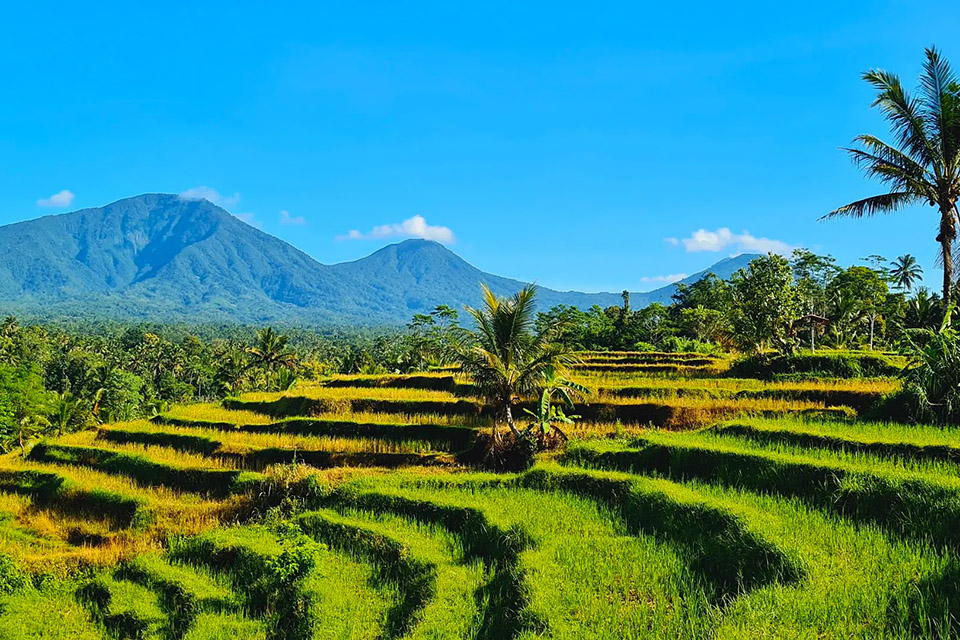
Below you, the landscape reveals itself slowly. Rice terraces curve along the hillside in patient layers, their edges catching the first hints of light. Mist drifts between the palms, not moving with urgency, but floating—as if time here doesn’t quite follow the same rules. You lean against the railing, and for a moment, nothing asks anything of you.
No schedule. No urgency. Just space.
Popular Bali Tours
We plan everything, you just enjoy Bali.

Spa & Wellness- 7-Day Bali Villa & Spa Packages
Starts from Rp. 17,650,000 / pax.

Cultural Immersion - Private Ubud & Rice Terrace Tours
Starts from Rp. 5,411,250 / pax.

Family Holidays - Seminyak Family Escapes
Starts from Rp. 6,850,000 / pax.

Honeymoon Packages - Romantic Escape with Photo Sessions
Starts from Rp. 15,500,000 / pax.
The Island You Think You Know … Isn’t the One You’ll Experience
This is the Bali people imagine.
The version of the island that exists in photographs and daydreams—the one that feels calm, textured, and quietly profound.
But Bali does not stay still.
By mid-morning, the rhythm shifts. The roads begin to fill, first gently, then all at once. Scooters weave through traffic with practiced ease. Cars inch forward in narrow lanes that seem too small for the volume they carry. The stillness you felt earlier dissolves into movement—constant, layered, and at times overwhelming.
By afternoon, you find yourself standing at a viewpoint you’ve seen a hundred times online. The angle is familiar. The scene is real. But so is the crowd gathered around it—each person trying to capture their own version of the same moment.
And somewhere between the morning stillness and the afternoon rush, a quiet realization begins to form.
“Bali is not one destination. It is many different worlds layered into one island—and most travelers experience it wrong.”
Not because they chose the wrong places.
But because no one showed them how those places connect.
The truth is not that Bali lacks magic. It’s that the magic is fragile—easily diluted by poor timing, scattered planning, and the instinct to see everything at once.
Most trips to Bali don’t fall short because there isn’t enough to explore. They fall short because there’s too much—and no clear way to move through it. And when everything is treated as equally important, nothing truly stands out.
That’s where this guide begins.
Not by adding more to your list, but by helping you see the island differently— so that when you finally arrive, Bali feels less like something you’re chasing, and more like something you’re actually experiencing.
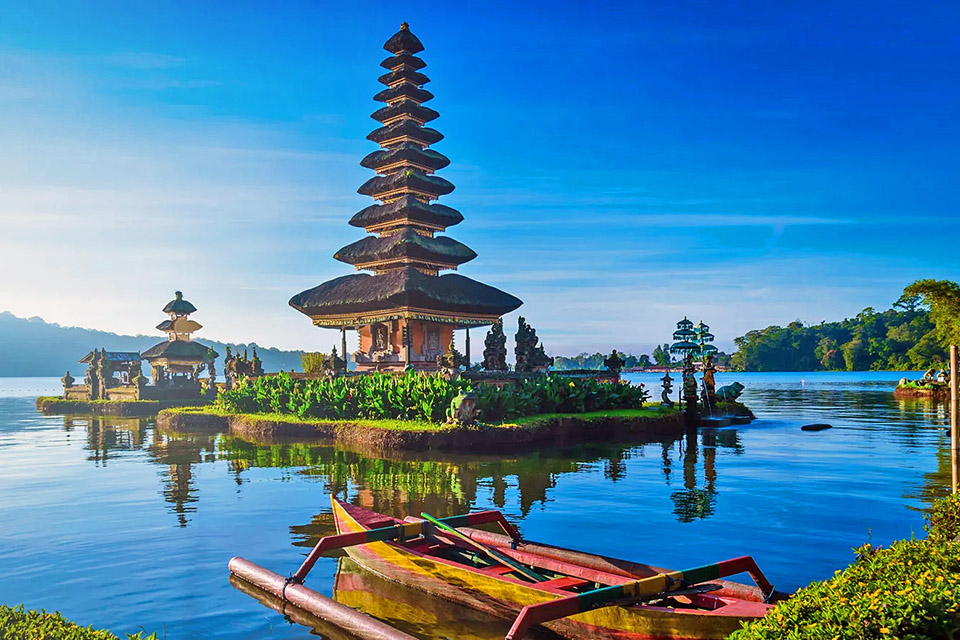
The First Reality — Why Most Bali Trips Feel Rushed
It usually begins the same way. A few nights before your trip, you’re sitting with your laptop open, tabs multiplying faster than you can read them. One article leads to another. A video suggests something new. A blog promises “the ultimate Bali experience.” And slowly, almost without noticing, your list begins to grow.
Fifteen waterfalls.
Twenty things to do.
Ten temples you absolutely “must not miss.”
Each one looks incredible. Each one feels essential. And somewhere in the process, a quiet assumption forms: Maybe I can do all of this. At first, it felt exciting. Like you’re building the perfect trip—full, efficient, complete. You imagine yourself moving effortlessly from one place to another, each moment better than the last.
But Bali has its own rhythm.
And it rarely aligns with that kind of plan.
The first sign comes subtly. It’s your first full day. The sun is already climbing higher than expected, and you’re in the car, watching the road stretch out ahead of you. What looked like a short drive on the map begins to unfold into something longer—slower. The road narrows. A truck appears ahead. Scooters pass in both directions, weaving through gaps that don’t seem to exist. You glance at the time. You’re already behind. Still, you continue. The first stop is beautiful—undeniably so.
But there’s a quiet awareness lingering beneath the moment: you can’t stay long. There are still three more places to go.
So you take the photos. You look around. You absorb what you can. And then you leave. Back in the car. The pattern repeats. By midday, the air feels heavier. The light is harsher. Traffic thickens. What once felt like a plan now feels like momentum you can’t quite control. Each destination becomes something to complete, not experience. And somewhere between the second and third stop, the excitement begins to shift into something else. Fatigue. Rushing. A subtle sense that you’re missing something—even as you’re seeing everything.
“Bali is not one destination. It is many different worlds layered into one island—and most travelers experience it wrong.”
This is the part most guides don’t tell you. Not because they’re wrong—but because they’re incomplete. Bali isn’t difficult because it lacks structure. It’s difficult because it gives you too many options—and no clear way to prioritize them. Distances that look insignificant on a map stretch into long, unpredictable drives. Moments that should feel slow become compressed between schedules. And what was meant to be a journey slowly turns into a sequence.
You’re not alone in this. Almost every traveler who feels disappointed by Bali shares the same underlying experience—not of seeing too little, but of trying to see too much.
 Insider’s Logistics — Getting There Without Stress
 Insider’s Logistics — Getting There Without Stress
- Trying to move between too many regions within a limited time.
- Underestimating how long it actually takes to get from one place to another.
- Choosing a base that doesn’t match your travel style or priorities.
- Following generic itineraries that ignore real-world logistics.
The irony is easy to miss.
Bali is not lacking in beauty. It’s overflowing with it. But when everything is treated as equally important, nothing has the space to truly stand out. And that’s when the island begins to feel rushed—not because it is, but because you are moving through it too quickly to notice what makes it special.
Slowing down is not about doing less. It’s about finally allowing Bali to feel like somewhere you are in—not something you are trying to get through.
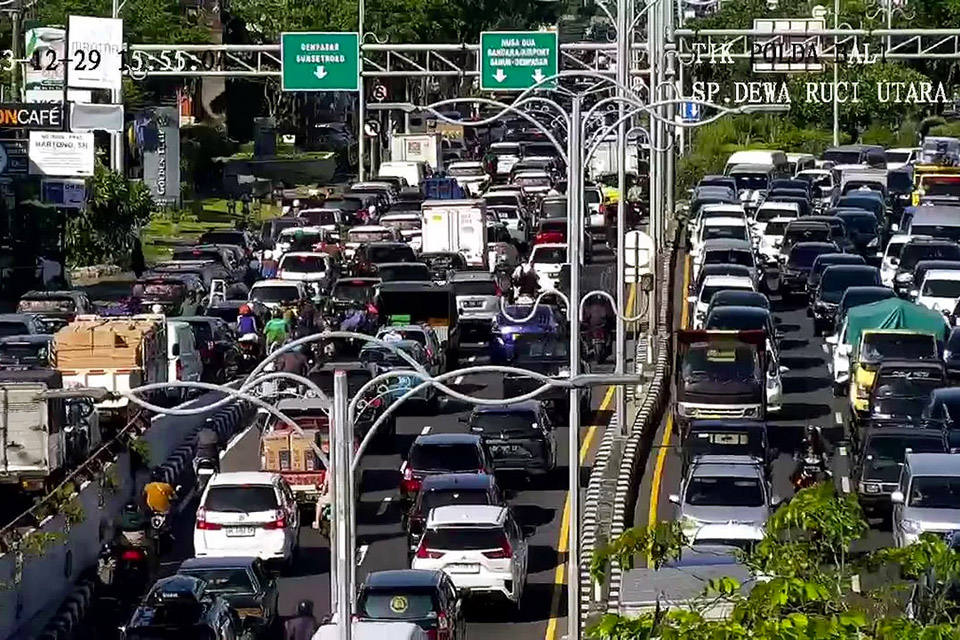
The Mental Model — How to Think About Bali
There’s a moment—usually early in the trip—when something doesn’t quite make sense.
You’re in the car again. The road curves through a village you didn’t plan to visit, past small temples wrapped in checkered cloth, past offerings placed carefully on the ground—tiny woven baskets filled with flowers and incense, their scent briefly drifting through the open window.
It’s beautiful.
Quietly, unexpectedly beautiful.
But you don’t stop. Because you’re on your way somewhere else.
<>Another waterfall. Another viewpoint. Another place you’ve already decided is important. And yet, as you pass through this unplanned moment, there’s a subtle feeling—almost like a question: Why does this feel more real than the places I’m trying so hard to reach? That’s when it begins to shift.
“The quality of your Bali trip is not determined by how much you see, but by how well you structure it.”
Most people arrive in Bali thinking in terms of attractions.
They think in lists:
Places to visit.
Things to tick off.
Spots that define the trip.
But Bali doesn’t naturally present itself that way. It unfolds in layers. Not as isolated highlights, but as environments—distinct, self-contained worlds that each carry their own rhythm, their own atmosphere, their own pace of life. You feel it the moment you move between them.
In Ubud, the air feels softer. The sounds are muted—rustling leaves, distant water, the occasional hum of a scooter passing through narrow roads framed by jungle. Time stretches here. Mornings linger longer. Even your steps seem to slow down without effort.
Further south, in Uluwatu, everything sharpens. The light is brighter. The wind moves faster. The ocean crashes against cliffs with a force you don’t just see—you feel it, deep in your chest. Sunsets here aren’t quiet—they’re dramatic, expansive, impossible to ignore.
And then there’s Canggu. Movement returns. Cafés hum with conversation. Music drifts from beach clubs as the day transitions into night. The pace quickens—not chaotic, but alive in a completely different way.
None of these places are “better” than the others. But they are different. Fundamentally different. And that difference is where most trips begin to unravel. Because when you treat Bali as a collection of attractions, you move between these worlds too quickly. You never stay long enough to settle into their rhythm. You pass through them instead of experiencing them. That’s why the idea of zones matters. Not as a technical detail—but as a way of seeing.
Each zone carries:
- Its own atmosphere.
- Its own geography.
- Its own travel rhythm.
And once you begin to understand that, something changes. Planning becomes simpler. Decisions become clearer. The island starts to feel less overwhelming—and more intuitive.
You stop asking: “What should I see next?”
And start asking: “Where should I be?”
Insider’s Framework: The 3 Rules of Planning Bali
Limit yourself to 2–3 base areas maximum.
- Staying longer in fewer places allows the experience to deepen naturally.
Avoid crossing major regions in a single day.
- What looks efficient on a map often becomes exhausting in reality.
Plan routes—not just destinations.
- The journey between places shapes the experience as much as the places themselves.
Once you begin to think this way, Bali starts to open differently.
Not as something to conquer, but as something to move through—at the right pace, in the right direction, with enough space for the moments you never planned to become the ones you remember most.

The Map in Your Mind — Understanding Bali’s Key Areas
Before you arrive, Bali often exists as a single image. A place defined by a few familiar scenes—rice terraces glowing in soft light, temples rising against dramatic skies, beaches stretching endlessly toward the horizon. It feels unified. Compact. Almost simple.
But the moment you begin to move through it, that image starts to fragment. Not in a confusing way—but in a revealing one. Because Bali is not one place. It is a collection of distinct worlds, each with its own rhythm, its own energy, its own way of unfolding. And the distance between them is not just measured in kilometers—but in atmosphere, in pace, in feeling.
Understanding this is where your trip begins to change. Not because you’ll see more. But because you’ll finally start to see clearly.
Ubud — Where Bali Breathes
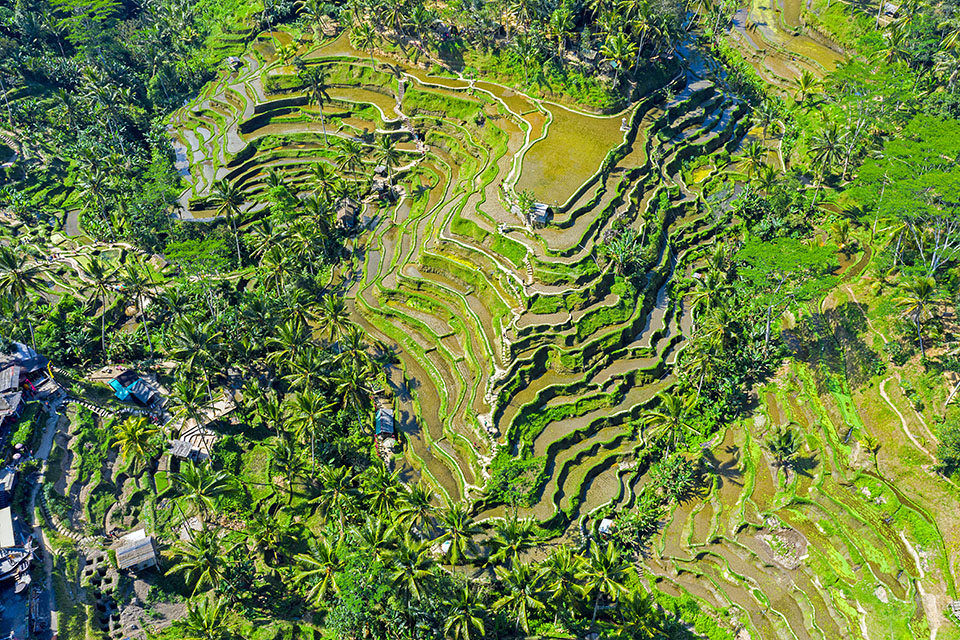
Morning comes gently in Ubud. There’s no abrupt beginning—no sudden shift from night to day. Instead, the light filters slowly through layers of green, catching on the edges of leaves, drifting across rice terraces that seem to stretch endlessly in soft, curved lines.
You wake not to noise, but to texture. The distant trickle of water. The low hum of insects. The faint sound of someone sweeping a pathway nearby. When you step outside, the air feels different—cooler, softer, carrying a subtle scent of earth and something floral you can’t quite name. The kind of air that makes you pause, even if you didn’t plan to.
You walk without urgency. Paths lead through small villages where daily life unfolds quietly—offerings placed carefully at doorways, incense curling upward in thin spirals, locals moving through routines that feel unchanged by time.
There are temples here—but they don’t announce themselves. They reveal themselves. Tucked between trees. Framed by moss-covered stone. Present, but never demanding attention.
“Ubud is where Bali slows you down—whether you want it to or not.”
At first, you might resist it. There’s a part of you still thinking about what comes next. The places you planned to see. The time you feel you should be using.
But Ubud has a way of softening that urgency. A coffee becomes something you sit with, not rush through. A walk becomes something you follow, not complete. A moment becomes something you notice, not pass by. And slowly, almost without realizing it, you begin to match its rhythm.
This is not a place you conquer. It’s a place you settle into. If you stay long enough—even just a few days—you start to understand why people come here not just to visit, but to pause. To recalibrate. To remember what it feels like when time is not something you’re chasing.
This is where you go when you’re looking for:
- Culture that feels lived, not performed.
- Nature that surrounds you, not just impresses you.
- A deeper sense of place that stays with you long after you leave.
Uluwatu — Where Bali Turns Dramatic
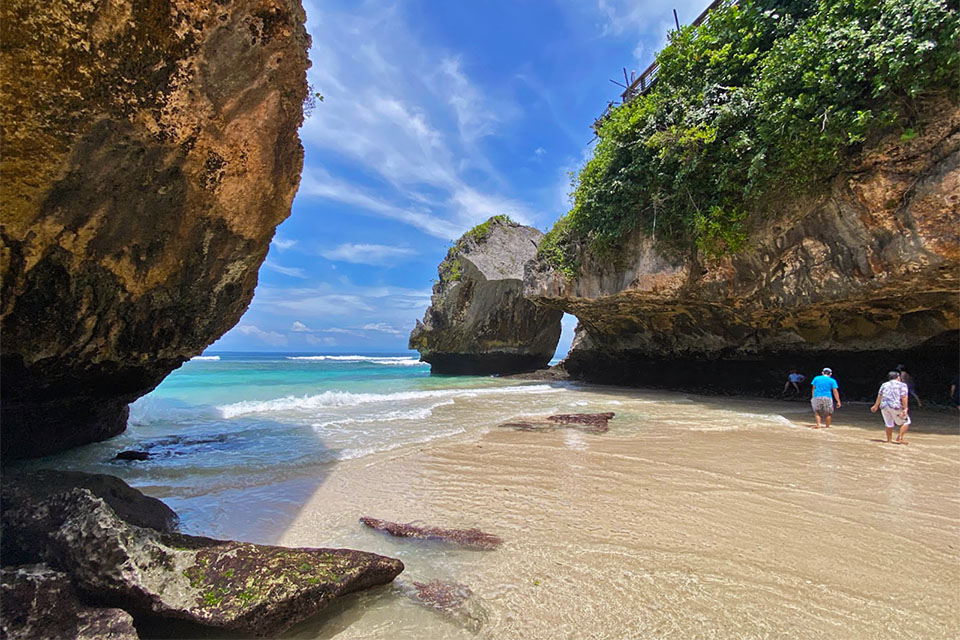
The shift begins as you head south. The roads open slightly. The air changes—less humid, more direct. The dense greens of Ubud begin to fade, replaced by something lighter, drier, more exposed. And then, almost suddenly, the land drops away.
Cliffs.
Not gradual slopes, but sharp, dramatic edges where the island seems to end without warning. Below, the ocean moves with a force that feels constant—waves crashing against limestone walls, sending spray into the air in rhythmic bursts. You don’t just see the ocean here. You feel it. In the wind that never quite settles. In the sound that never fully fades. In the vastness that stretches beyond the horizon.
“Uluwatu is not gentle. It’s powerful, raw, and unforgettable at sunset.”
Days here unfold differently.
There’s less movement, but more intensity.
You might spend the morning exploring a hidden beach, descending narrow paths carved into the cliffs, each step bringing the sound of the waves closer, louder, more present. By midday, the sun feels stronger, more direct. Time slows—not in the soft, enveloping way of Ubud, but in a deliberate pause. You rest. You wait.
Because in Uluwatu, everything builds toward evening. As the sun begins to drop, the light changes. The harsh brightness softens into something golden, then amber, then deep orange. The cliffs catch this light in layers, shadows stretching across their surface as if the island itself is exhaling.
People gather—but it doesn’t feel rushed.
There’s space here. Space to sit. To watch. To let the moment unfold without needing to capture it. And when the sun finally disappears, it doesn’t feel like an ending. It feels like a release.
Uluwatu is where you come for:
- Ocean views that feel expansive, not crowded.
- Beach exploration that requires a little effort—and rewards it.
- Days that are slower, but more intentional.
Seminyak & Canggu — Where Bali Reinvents Itself
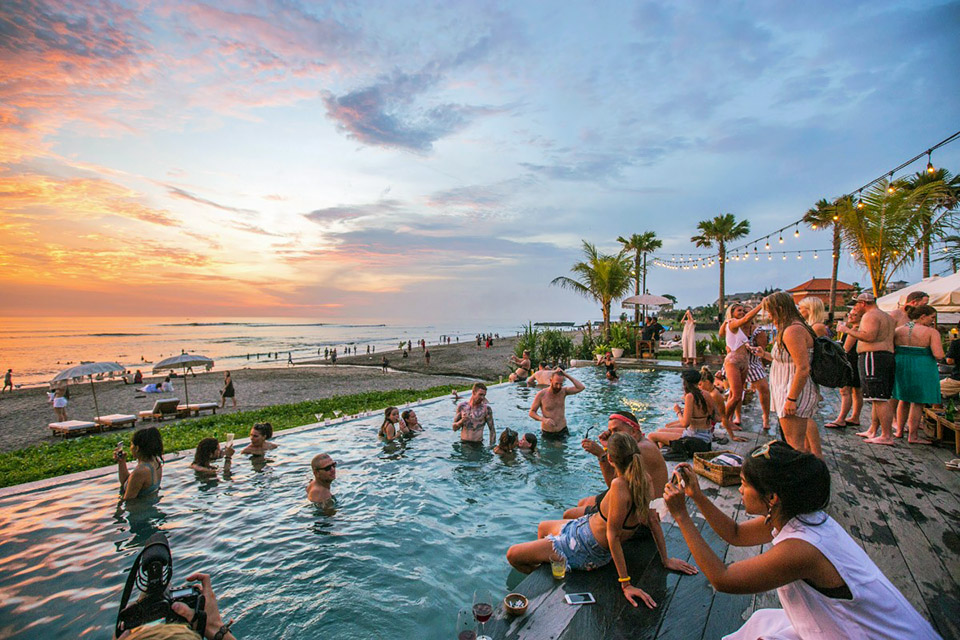
Then there’s another version of Bali entirely.
One that feels familiar in a different way.
You notice it immediately—not in the landscape, but in the energy. Streets lined with cafés where conversations spill outward. Scooters parked in loose clusters outside boutique shops. Music drifting from open spaces where the line between indoors and outdoors barely exists.
This is Bali, but reimagined. Modern. Social. Effortlessly connected.
“This is not traditional Bali. This is Bali as it is being lived now—fluid, evolving, and globally influenced.”
In Seminyak and Canggu, the day begins differently.
Not with mist or stillness, but with movement. People move between cafés, co-working spaces, and beach walks. Breakfast becomes brunch. Brunch becomes an unhurried afternoon. Time here doesn’t slow—it stretches in a different direction, shaped by choice rather than environment.
The beach is never far. Not always for swimming—but for presence. For sunset. For that moment when the sky shifts and the entire coastline seems to pause just long enough for everyone to take it in. And then, as night arrives, the energy changes again. Lights come on. Music grows louder. Conversations deepen or drift. What was relaxed becomes vibrant—not overwhelming, but alive in a way that feels shared.
This side of Bali doesn’t ask you to disconnect. It invites you to engage. To enjoy. To participate.
It’s ideal for:
- Social energy without chaos.
- Food, cafés, and lifestyle experiences.
- Easy access and convenience, especially for shorter stays.
North Bali — The Island Few See
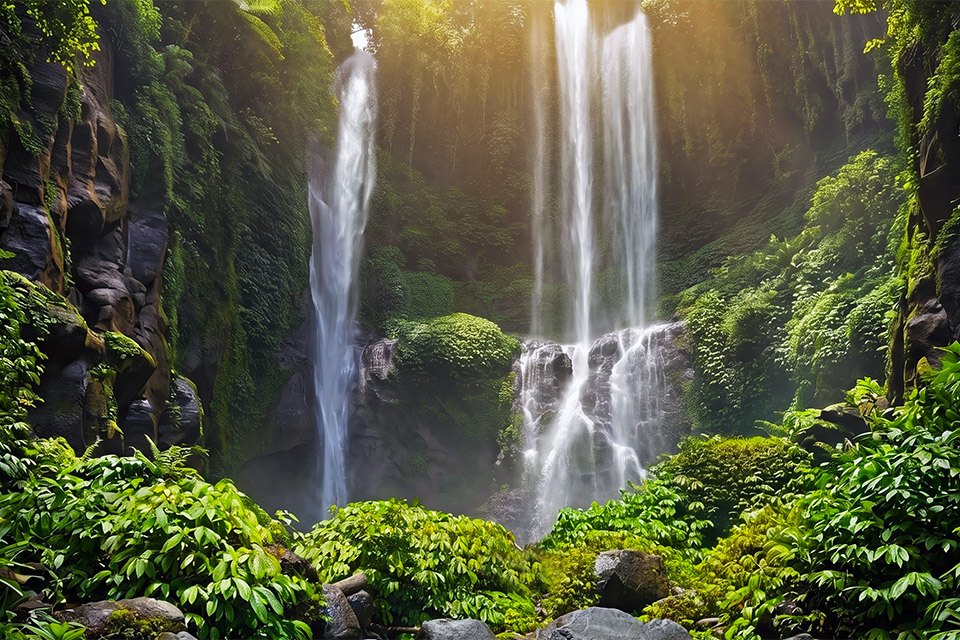
And then there’s the part of Bali that most people never reach. Not because it’s inaccessible. But because it sits just far enough outside the usual flow. The drive itself becomes part of the transition. Roads wind upward, then downward, moving through mountain passes where the air cools noticeably. The landscape shifts again—less developed, less interrupted. Villages appear more spaced out. Traffic fades.
And then, almost without realizing it, you arrive somewhere quieter. Not silent—but untouched in a different way. Waterfalls here don’t sit beside parking areas. They wait. Hidden deep within valleys, surrounded by dense jungle that feels thicker, older, less shaped by visitors. Reaching them takes time—walking paths, descending steps, following the sound of water long before you see it.
But when you do, the experience feels different. Less shared. More personal. More earned.
“This is the Bali people imagine—but few actually experience.”
The air is cooler here. The pace is slower—not by design, but by nature. Days unfold without urgency. Even the light feels softer, filtered through layers of trees and elevation. You don’t come here to fit something into your itinerary. You come here to step outside of it.
North Bali is for those who want:
- Nature that feels unfiltered.
- Space without crowds.
- A deeper, quieter connection to the island.
And somewhere between these four worlds, a new understanding begins to form. Bali is not about choosing the “best” place. It’s about choosing the right combination. The right balance of energy and stillness. Movement and pause. Exploration and rest.
If you’re unsure where you fit—or how to combine these areas in a way that makes sense—this is where to start:
👉/where-to-stay-in-bali/
Insider’s Picks: Where Each Area Wins
- First-time travelers → Ubud + Uluwatu.
- Relaxation seekers → Uluwatu.
- Social / lifestyle → Canggu.
- Nature-focused → Ubud + North Bali.
Because once you begin to see Bali this way—not as a list of places, but as a map of experiences—you stop trying to fit everything in. And start choosing what actually matters.
How Many Days Do You Actually Need
There’s a question that seems simple when you first ask it. How many days in Bali is enough?
You’ll find answers everywhere—forums, blogs, videos—each offering a different number, each promising the “perfect” duration. Three days. Five days. A week. Longer, if you can. But the more you read, the less certain it feels. Because the truth isn’t in the number. It’s in how that time is shaped.
“Most people don’t need more time—they need better structure.”
You begin to understand this not while planning—but while you’re there. It might happen on your second morning. You wake up with a full day ahead—places marked on your map, times loosely planned, expectations quietly building. There’s a sense of momentum, of wanting to make the most of every hour.
But then the day unfolds differently. The drive takes longer than expected. A place you thought would be quick invites you to stay. The heat slows you down. The moment stretches. And somewhere in the middle of it all, you realize: Time in Bali doesn’t behave the way you thought it would.
3 Days — The Glimpse
Three days in Bali feels like arriving just as the story begins to make sense.
You move quickly—almost instinctively. Each day becomes a sequence of highlights, carefully chosen, tightly arranged. There’s excitement in it, a sense of discovery, of finally seeing places you’ve imagined.
But there’s also a quiet tension beneath the surface.
You’re aware of what you’re not seeing. Of what you’re passing by. Of how little space there is between moments. It’s not that three days isn’t enough. It’s that it doesn’t allow Bali to unfold. It gives you a glimpse—but not the depth behind it.
5 Days — The Balance
Somewhere around the fifth day, something shifts. The urgency begins to soften.
You stop checking the time as often. You linger a little longer without feeling like you’re falling behind. You begin to notice the spaces between your plans—the pauses, the transitions, the quiet moments that weren’t scheduled but somehow become the most memorable.
Five days doesn’t mean you see everything. But it allows you to experience something fully. A morning that isn’t rushed. An afternoon that unfolds naturally. An evening that doesn’t feel like the end of a checklist. This is where Bali starts to feel less like a destination—and more like a place you’re actually in.
7 Days — The Immersion
By the time you reach a week, the island begins to settle around you.
You’re no longer adjusting to it. You’re moving with it. You understand the rhythm of your days. You know when to go out, when to stay in, when to let the moment lead instead of the plan. You can explore different regions without compressing them into a single experience.
There’s room now.
Room for variety.
Room for spontaneity.
Room to feel something beyond the surface.
Seven days doesn’t just give you more time. It gives you space.
Insider’s Tip: The Regret Threshold
- Under 4 days → the trip often feels rushed, no matter how well you plan.
- Over 10 days → only meaningful if you slow down and travel intentionally.
The mistake most people make is thinking that more days automatically lead to a better experience. But more time without structure simply stretches the same problems across a longer trip. What matters isn’t how long you stay. It’s how well your days connect. How each place flows into the next. How your pace aligns with the island. How much space you allow for the moments you didn’t plan.
Because in Bali, time is not something you fill. It’s something you shape.
If you want to see how different lengths of stay can actually be structured in a way that makes sense—not just on paper, but in reality—you can explore it here:
👉 /bali-travel-mistakes/And once you begin to see your trip not as a number of days, but as a sequence of well-placed moments, something changes.
You stop asking: “Is this enough time?”
And start asking: “Am I using this time well?”
The Biggest Mistake — Trying to Do Too Much
It rarely starts as a mistake. It starts as excitement.
You wake up early, already thinking ahead. The day is full—carefully planned, tightly arranged, each stop chosen because it seemed too good to miss. There’s a quiet satisfaction in knowing you’ve “optimized” your time. Everything fits. Everything makes sense. At least on paper.
By mid-morning, you’re already moving. The first stop comes and goes—beautiful, just as expected. Maybe even better. You take it in, capture a few photos, linger for a moment.
But not too long.
Because there’s more ahead.
Back in the car.

The road stretches out again, winding through villages, past small shops and roadside temples. The rhythm feels manageable at first. There’s still energy, still anticipation.
Then midday arrives. The light becomes sharper. The air is heavier. Traffic thickens in ways that feel unpredictable—one moment flowing, the next completely still. You check the map. The next destination is still far away.
Further than it looked. Time begins to shift—not slowly, but suddenly. Minutes feel shorter. Distances feel longer. The plan you started with begins to press against reality in ways you didn’t expect. You sit back in your seat, watching the road inch forward. And somewhere in that moment, the feeling changes. Not dramatically. Not all at once. Just enough to notice.
The excitement that carried you through the morning starts to fade, replaced by something quieter, heavier. Fatigue.
A subtle pressure to keep going.
A sense that you’re moving, but not really arriving.
And then it becomes clear: This isn’t what you imagined.
“Bali punishes ambition and rewards restraint.”
Not because ambition is wrong—but because Bali doesn’t unfold well under pressure. It isn’t built for speed. It’s built for rhythm. And when your plan moves faster than the island allows, something gets lost in between—the space where moments settle, where experiences deepen, where the place begins to feel real.
Instead, everything becomes compressed.
A waterfall becomes a stop.
A temple becomes a checkpoint.
A view becomes something you see quickly before moving on.
You’re not experiencing Bali anymore. You’re moving through it. The irony is difficult to notice while it’s happening. Because on the surface, everything still looks right. You’re visiting the places you planned. You’re seeing the things you came for. But underneath, there’s a growing sense that something is missing. Not because you didn’t do enough. But because you tried to do too much.
Insider’s Warning: What Not to Do
- Don’t visit more than 3 places in a day. Beyond that, each stop begins to lose meaning.
- Don’t mix distant regions. What looks efficient often turns into long, draining transitions.
- Don’t chase every “must-see”. Not everything is meant to be part of the same trip.
Slowing down doesn’t mean giving up on seeing Bali. It means choosing how you see it. It means allowing each place to exist fully—without being squeezed between what comes before and what comes next. Because the moments you remember won’t be the ones you rushed through.
They’ll be the ones where you stayed just a little longer. Where you weren’t thinking about the next stop. Where time, for a brief moment, felt like it belonged to you.</p.
If you want to avoid the patterns that lead to this kind of experience—and understand how to structure your trip in a way that actually works—you can explore it here:
👉 /bali-travel-mistakes/And once you begin to let go of the need to do everything, something unexpected happens. The trip starts to feel lighter. More natural. More aligned with the place you’re in.
Because Bali doesn’t ask for more from you.
It asks for less—but better.
Building Your Trip — A Simple System
There’s a moment—usually after you’ve read enough, saved enough, planned enough—when everything starts to blur. You have the places. You have the ideas. You even have a rough plan. And yet, something doesn’t feel settled. Not because you’re missing information. But because nothing is connected.
You can picture each part of the trip individually—a waterfall here, a temple there, a beach somewhere along the coast. But when you try to imagine how it all flows together, it becomes less clear. Distances stretch. Time feels uncertain. The days begin to overlap in ways that don’t quite make sense. That’s when most people assume the solution is to plan more.
More detail.
More precision.
More research.
But Bali doesn’t reward complexity. It responds to structure. Your time so that everything naturally falls into place.Planning Bali doesn’t have to be complicated. You just need a way to shape. And that begins with something simple.
Step 1 — Choose Your Base
The place you stay is not just where you sleep. It quietly defines everything else. The way your mornings begin. How far you need to travel. Whether your days feel calm—or constantly in motion.
You notice this the first time you step outside your accommodation.
- If you’re in Ubud, the day might start slowly. Light filtering through trees, the air still cool, the surroundings inviting you to pause before you begin.
- If you’re in Uluwatu, it’s different. The sky feels wider. The ocean is closer. There’s a sense that the day is waiting—not rushing, but open.
- And if you’re in Canggu, the rhythm shifts again. Cafés already alive, people moving, energy building from the start.
None of these are right or wrong. But they are not interchangeable.
Where you choose to stay determines:
- How much time you spend moving versus experiencing.
- Whether your days feel aligned—or fragmented.
- How easily one moment leads into the next.
Choosing your base is not just a logistical decision. It’s the foundation of your entire trip.
Step 2 — Define Your Style
There’s a quiet question that shapes everything, though it’s rarely asked directly.
What kind of experience are you actually looking for? Not what looks good online. Not what others recommend. But what feels right for you.
- Do you imagine your days filled with movement—exploring, discovering, seeing as much as possible?
- Or do you picture something slower—time to sit, to observe, to let the place reveal itself without rushing it?
- Do you feel drawn to nature—the quiet of rice fields, the depth of jungle paths, the calm that comes with open space?
- Or to lifestyle—the energy of cafés, the flow of conversations, the ease of moving between places without thinking too much about it?
There’s no correct answer. But there is a consequence to not deciding. Because when your travel style is unclear, your plan becomes conflicted. You try to do both. Move fast and slow. Explore deeply and stay relaxed. Experience everything at once. And that’s when the trip begins to feel disjointed.
Defining your travel style doesn’t limit your experience.
It aligns it.
Step 3 — Structure Your Days
Once you know where you’re based and how you want to travel, something shifts. Planning becomes less about what to do—and more about how to move through it. This is where most itineraries go wrong. They group places by popularity. Top attractions. Must-sees. Highlights.
But Bali doesn’t work that way. It works through proximity. Through flow. Through the natural sequence of moving from one place to another without forcing it.
You begin to notice it when a day feels right. You leave in the morning, reach your first destination without stress. One moment leads easily into the next. There’s no urgency, no constant checking of the time. You’re not rushing. But you’re also not idle. You’re moving—just at the right pace.
That’s what structure creates. No restriction. But rhythm.
Insider’s System: The Perfect Day
- Morning → main highlight
The air is cooler, the light softer, the experience more immersive. - Midday → lighter activity
A café, a short walk, something that allows you to slow down.
- Afternoon → scenic stop
A viewpoint, a beach, a place where the day can unfold naturally. - Evening → relax
No rushing. No scheduling. Just space to end the day well.
When you begin to follow this kind of structure, something subtle changes. The trip stops feeling like a sequence of tasks. And starts to feel like a flow. You’re not constantly thinking about what comes next. You’re not trying to catch up with your own plan. Instead, each part of the day feels connected to the one before it. And that’s when Bali starts to feel different.
Not overwhelming. Not rushed. But coherent.
Like a place you’re moving through with intention— instead of trying to keep up with.
What to Actually Do Without Wasting Time
There’s a quiet shift that happens after the first few days in Bali. At the beginning, everything feels important. Every place you saved, every recommendation you read, every “must-see” that seemed impossible to skip. You move with intention, trying to fit the island into the time you have.
But then, gradually, something changes. You start to notice that not every experience stays with you. Some places blur together. Some moments feel rushed, incomplete. And others—unexpectedly—linger longer than they should. A quiet walk. A simple view. A pause you didn’t plan.
That’s when the question begins to change.
Not “What should I see?” But “What is actually worth experiencing?
Because Bali is not lacking in options. It’s overflowing with them. And the difference between a trip that feels full and one that feels meaningful is not how much you include—but how carefully you choose.
Nature — Where Bali Feels Alive
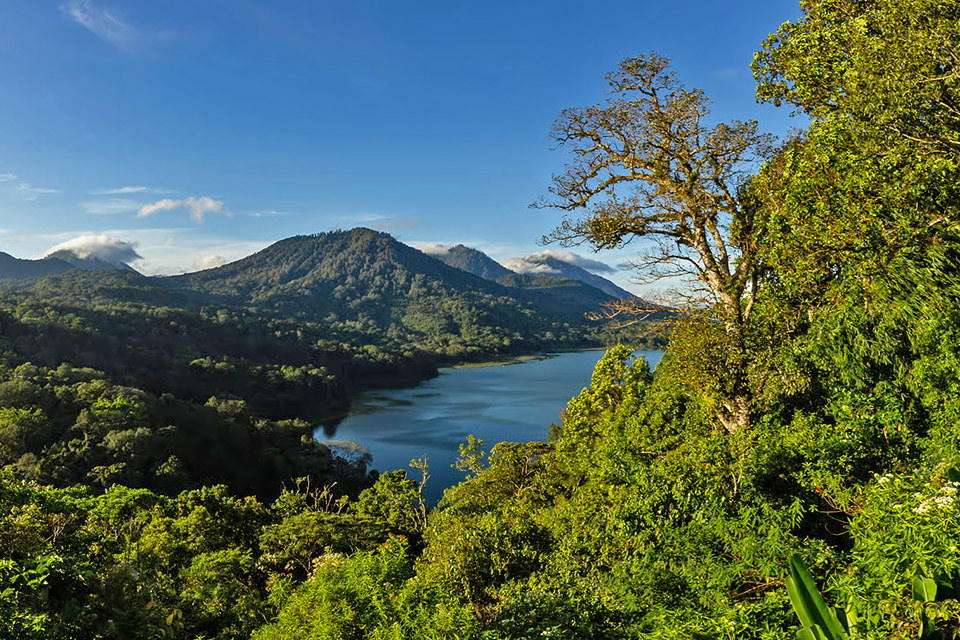
You feel it first in the sound.
Water moving through unseen paths. Leaves shifting gently in the wind. The layered rhythm of something that doesn’t depend on your presence to exist.
Nature in Bali is not staged. It surrounds you.
A waterfall is never just a destination. It’s a journey—down stone steps, along narrow paths, through air that grows cooler with every step. You hear it before you see it, the sound building slowly until it becomes something constant, almost grounding. And when it finally reveals itself, it’s not just about the view. It’s about the feeling of arriving.
Rice terraces, too, are more than a visual.
They unfold in layers, shaped by time and hands that have worked the land for generations. In the early morning, they feel quiet, almost meditative. By midday, they fill with movement—visitors, light, activity—but even then, there’s a rhythm beneath it all that doesn’t disappear.
And then there are the walks. Not hikes in the traditional sense—but paths that lead you through something deeper. Jungle edges, village routes, narrow trails that don’t announce themselves but invite you in.
You don’t rush through these places. Or at least, you learn not to.
Because the moment you slow down, they begin to feel different.
Culture — Where Bali Reveals Itself
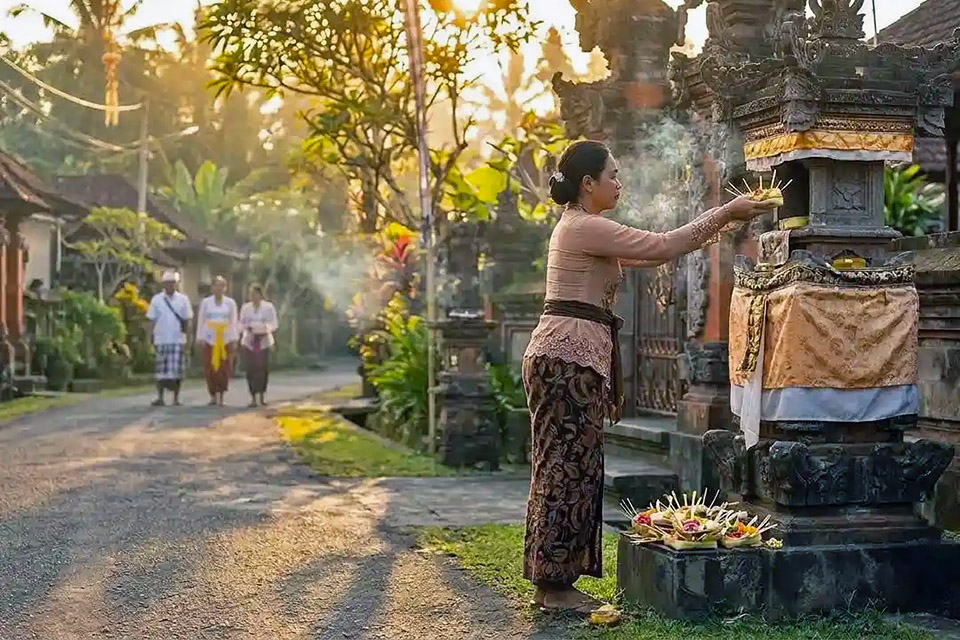
Culture in Bali is not something you visit. It’s something you encounter.
Temples rise quietly from the landscape—not always grand, not always obvious, but always present. Some sit on cliffs, overlooking the ocean. Others are hidden within villages, integrated into daily life in ways that feel natural rather than performative.
You might arrive expecting a landmark. But what you experience is something subtler. The scent of incense in the air. Offerings placed carefully at entrances. The quiet movement of rituals that continue whether you’re there or not. And then there are the ceremonies. You don’t always plan for them.
Sometimes you simply come across them—a procession moving slowly through a street, people dressed in traditional attire, music playing softly in the background. It doesn’t feel staged. It feels lived. You don’t need to understand every detail to feel its significance. You just need to be present.
Leisure — Where Bali Lets You Exhale

Not every moment in Bali needs to be active.
In fact, some of the most memorable ones aren’t.
A beach club in the late afternoon—sun lowering, music playing softly, the atmosphere shifting from day to evening without urgency. You sit, not because there’s something to do, but because there’s nothing you need to do. A spa, tucked away from the main roads. The world outside fades, replaced by quiet, by stillness, by a kind of reset you didn’t realize you needed.
And then, sunset.
It happens everywhere in Bali—but it never feels the same twice. On a cliff, it feels expansive. On a beach, it feels shared. From a quiet spot, it feels personal. The sky changes slowly, then all at once. Colors deepen. Shadows stretch. And for a brief moment, everything seems to pause.
You don’t need to move. You just need to watch.
Insider’s Picks: If You Only Do 5 Things
- One waterfall.
- One temple.
- One scenic walk.
- One beach sunset.
- One slow day.
Not everything. Just enough.
Because when each experience has space, it begins to matter more.
Timing Everything Right
There’s another layer to all of this—one that’s easy to overlook, but impossible to ignore once you notice it. Timing. Not in the sense of schedules. But in the sense of alignment.
“In Bali, when you go matters more than where you go.”
The same place can feel entirely different depending on the time you arrive.
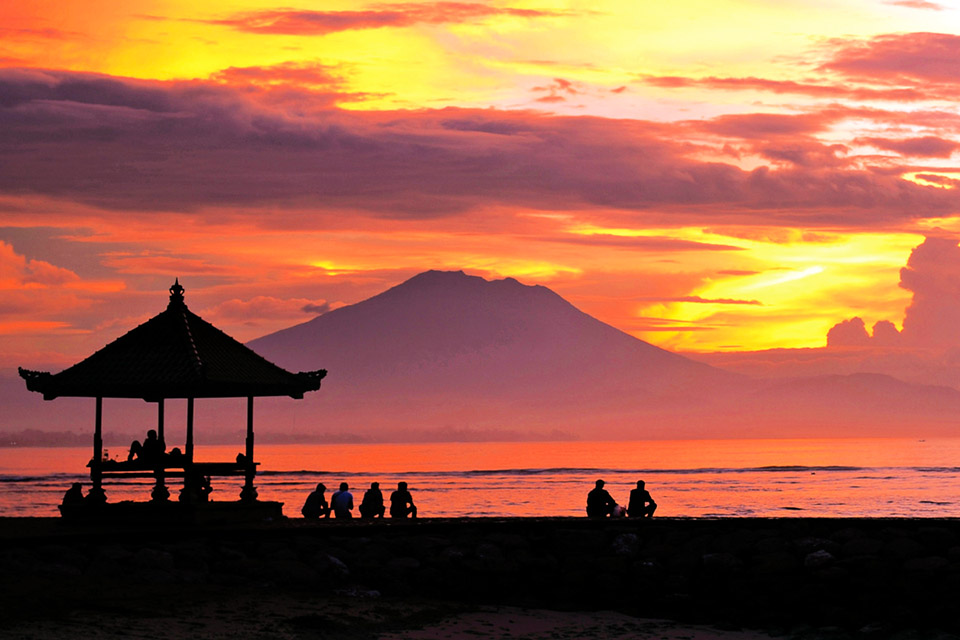
Sunrise — When Bali Feels Like It’s Yours
The air is cooler. The light is softer. The world is quieter.
Places that feel busy later in the day feel almost private in the morning. You walk through them without interruption, without noise, without the sense of sharing the moment with dozens of others.
It’s not just about avoiding crowds. It’s about experiencing the place before it changes.
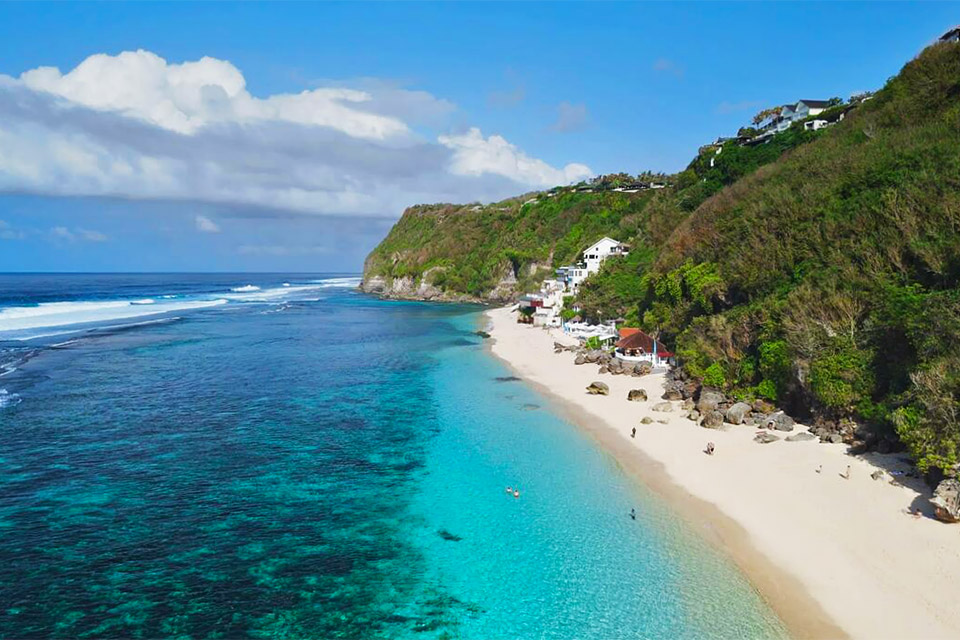
Midday — When the Island Shifts
By midday, everything accelerates.
Traffic increases. Temperatures rise. Popular spots fill quickly. The energy becomes more intense—not necessarily unpleasant, but harder to move through without effort.
This is not the time for your main experiences. It’s time to slow down. To sit. To rest. To let the day breathe instead of pushing through it.
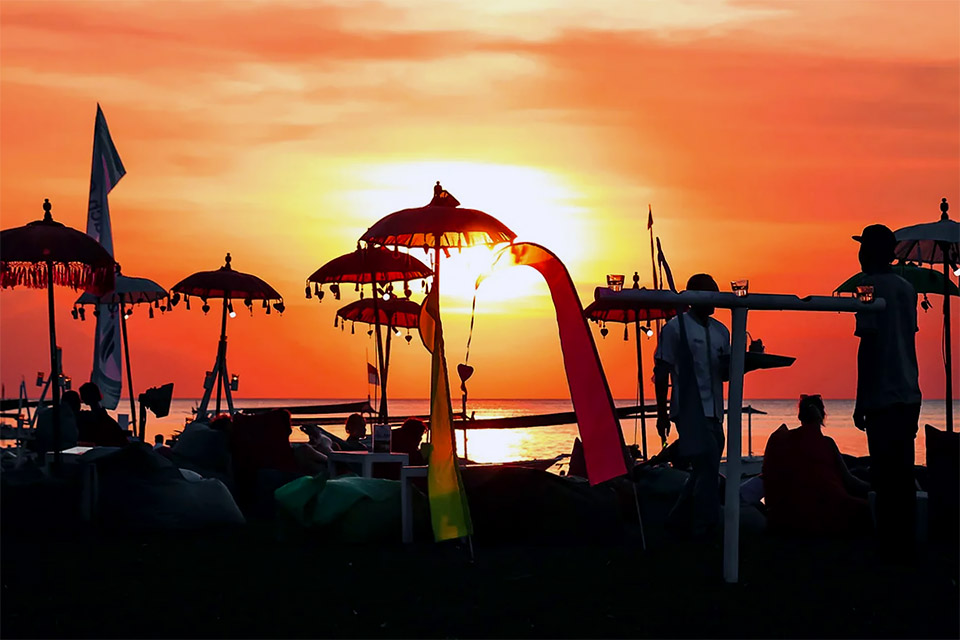
Sunset — When Everything Comes Together
And then, as the day begins to fade, Bali transforms again.
The light softens. The pace eases. The island seems to exhale. Sunset is not just a visual moment. It’s a transition. From movement to stillness. From activity to reflection. Wherever you are, it becomes a point of pause.
And often, without planning it, one of the moments you remember most.
For a deeper breakdown of seasons, weather, and travel timing:
👉 /best-time-to-visit-bali/
Insider’s Tip: Beat the Crowd
- Start before 8 AM
The difference between early and late is everything.
- Avoid peak hours
Especially midday at popular locations.
- Stay near key attractions
Distance is the biggest hidden cost of your time.
When you begin to combine the right experiences with the right timing, something shifts. Places feel less crowded. Moments feel more personal. The island feels more accessible—not because it changed, but because you moved differently within it.
And that’s the quiet realization that ties everything together: It’s not about doing more. It’s about doing things at the right time, in the right way, with enough space to actually feel them.
Logistics That Make or Break Your Trip
There’s a version of your trip that exists before you arrive.
In that version, everything connects. The map looks simple. Distances feel manageable. One place flows naturally into the next, each destination just a short drive away. You imagine moving easily—morning here, afternoon there, sunset somewhere perfect in between.
It makes sense. Until you’re actually in the car.
The engine hums quietly as you pull away from your villa. The road ahead seems clear at first—narrow, yes, but calm. You settle into the seat, watching the scenery pass by. Small temples at intersections. Offerings placed carefully on the ground. Daily life unfolds in fragments as you move through it.
And then, almost without warning, the rhythm changes. A car slows ahead. A scooter slips through a gap that doesn’t seem wide enough. Another joins from the side. Then another. The road tightens—not physically, but in movement. What feels open becomes layered. What feels quick becomes gradual. You glance at the time, then at the map.
The distance hasn’t changed. But the journey has. This is the moment most plans begin to unravel. Not dramatically. Just enough to shift everything slightly off balance.
This is where most trips don’t go wrong because of what you choose to see—but because of how you move between them.
Bali doesn’t follow the logic you expect. Distances that look short stretch unexpectedly. Routes that seem direct unfold into something slower, more complex. And time—more than anything—becomes fluid.
You might plan a 30-minute drive. And find yourself arriving an hour later.
Not because something went wrong. But because this is how the island moves. The roads here are not designed for speed. They pass through villages, curve around landscapes, adapt to a rhythm that existed long before modern travel expectations. There are no clear separations between “main roads” and “local roads”—everything blends together.
You don’t just pass through Bali. You move with it. And if your plan doesn’t account for that, the experience begins to feel heavier than it should. Not overwhelming. But tiring. Each transition takes a little more energy. Each delay adds a subtle pressure.
And slowly, the space between moments—the part that should feel effortless—starts to feel like something you have to manage.
Insider’s Tips: Getting Around
- Hire a private driver
Not just for convenience, but for clarity. You don’t have to think about routes, timing, or navigation—you can stay present in the experience.
- Avoid long self-drive routes
What looks simple on a map can become stressful on the road, especially across unfamiliar terrain and traffic patterns.
- Plan by region
The closer your experiences are to each other, the more natural your days will feel.
There’s a subtle shift that happens when you get this right.
The car becomes part of the experience—not a barrier between places, but a transition that feels smooth, expected, even enjoyable. You stop watching the time. You stop calculating distance. You begin to trust the flow.
And when that happens, something opens up.
The trip feels lighter. More connected. Less like a series of movements—and more like a continuous journey. Because in Bali, how you move is not separate from what you experience. It shapes it. Quietly, consistently, in ways that only become obvious when everything finally starts to feel … easy.
Where Bali Becomes Special
It doesn’t happen when you expect it. Not at the entrance of a famous temple. Not at the viewpoint you saved weeks before your trip. Not even at the places everyone tells you not to miss. It happens somewhere in between. A moment you didn’t plan. A pause you didn’t schedule. A feeling that arrives quietly, without asking for your attention—and stays longer than anything you tried to capture.
You might notice it early one morning. The sky is just beginning to shift, still soft, still undecided. You step outside before the day fully forms, the air cool against your skin. There’s no urgency, no noise, no sense that you need to be anywhere else. Just stillness.
A faint breeze moves through the trees, carrying the scent of something fresh—earth, leaves, maybe a trace of incense from a nearby offering. The light grows slowly, touching the edges of rooftops, filtering through branches, settling gently across the landscape. Nothing dramatic is happening. And yet, it feels complete.
Just walking, or sitting, or moving between places. The day has already unfolded, and there’s nothing pressing ahead. The breeze returns, softer now. The sounds around you—distant voices, leaves shifting, the quiet rhythm of life continuing—blend into something almost meditative. You realize you’re not thinking about what comes next.
You’re just there. Present in a way that feels unfamiliar at first, then natural. And then there’s sunset.
Not the kind you rush to catch. The kind you arrive at without trying. Maybe you’re by the ocean, the horizon stretching wide and open. Or somewhere quieter, where the view is framed by trees or rooftops. The light begins to change—slowly at first, then all at once. Colors deepen. Shadows lengthen. The sky moves through shades that don’t seem real until you’re standing in them.

Time feels different here. Not slower, exactly—but softer.
The urgency of the day dissolves. Conversations quiet down. Even the air seems to settle, as if the island itself is pausing. You don’t check your phone. You don’t look for the next place. You just watch. And in that moment, without trying to define it, something becomes clear.
“The best parts of Bali are not the places—they’re the pauses between them.”
It’s easy to overlook this when you’re planning. To focus on locations. Experiences. Things to do. But Bali doesn’t reveal itself fully through movement. It reveals itself through space. The space between one destination and the next. The space within a moment when nothing else is competing for your attention. The space where time is no longer something you’re managing—but something you’re inside of. These are the moments that stay.
Not because they were the most impressive.
Not because they were the most photographed.
But because they felt real.
And the more you allow for these pauses—the more you leave room in your days for stillness, for wandering, for simply being—the more Bali begins to feel different. Less like something you’re visiting. And more like something you’re experiencing from within.
It’s subtle. But once you notice it, you won’t want to travel any other way.
Beyond Bali
There comes a moment—usually not at the beginning, but somewhere quietly in the middle—when the island starts to feel familiar.
Not predictable. But understood.
You wake up and the rhythm of the day no longer feels new. You know when the light will soften, when the roads will begin to fill, when the air will shift from cool to warm. You recognize the small details now—the way offerings appear at every doorway, the way the scent of incense lingers just long enough to be noticed, the way time seems to stretch in certain places and contract in others.
You’ve walked through temples. Watched the sky dissolve into color at sunset. Felt the stillness of early mornings and the quiet energy of evenings that unfold without effort. And for a while, it feels complete. Like you’ve found what you came for. But Bali has a subtle way of opening something further. It doesn’t push you. It doesn’t suggest that what you’ve experienced isn’t enough. It simply leaves a small space—a question that wasn’t there before. What else is out there?
It might come to you while you’re sitting somewhere familiar—a café you’ve returned to more than once, a quiet corner of your villa, a place that already feels like part of your routine. Or maybe it appears while you’re looking out at a view you’ve seen before, but this time, something about it feels different.
Not less beautiful. Just … known.
And in that sense of knowing, something else begins to emerge. Curiosity. Not the kind driven by checklists or recommendations—but something quieter. A sense that beyond this island, beyond what’s easy to access and widely experienced, there are places that feel different in ways you can’t quite define yet.
“Bali is the beginning—not the destination.”
It’s not that Bali lacks depth. It’s that it prepares you to notice it elsewhere. Because once you’ve slowed down here—once you’ve learned how to move with a place instead of through it—you begin to look for that feeling again. Not in the same form, not in the same setting, but in something that carries a similar sense of presence.
Places where the rhythm is even quieter. Where the landscape feels less shaped by expectation. Where the experience is not curated—but discovered.

You start to realize that Bali has been, in a way, an introduction.
A place that teaches you how to travel differently. How to pay attention. How to recognize when a moment is worth staying in, rather than moving past. And once you’ve learned that, the idea of going further doesn’t feel like leaving something behind. It feels like continuing. Continuing the same way of seeing, the same way of experiencing—just in a new setting.
Maybe it’s another island. One where the roads are longer, the silence deeper, the landscapes more untouched. A place where the absence of crowds isn’t something you seek—it’s simply the way things are. Or maybe it’s not a specific place at all. Just the understanding that the world holds more of these experiences—places that don’t reveal themselves immediately, but reward those who arrive with patience.
You don’t need to rush toward it. In fact, you shouldn’t. Because the shift that leads you there isn’t about movement. It’s about perspective. You’re no longer looking for the “next best thing.” You’re looking for what feels real. And that’s when travel changes. Not in scale—but in depth.
If you feel that shift beginning—if Bali has opened something in the way you experience places—then there’s a natural next step. Not as a replacement. But as a continuation.
👉 /beyond-bali/
And when you follow that path, you may find that what you’re searching for isn’t a specific destination at all. It’s a feeling. One that started here, quietly, without announcement—and now leads you somewhere further, not because you need more, but because you’ve learned how to see differently.
The Trip That Stays With You
There’s a quiet moment that happens near the end of a trip. It doesn’t announce itself.
You might be sitting somewhere familiar—a corner of your villa, a café you returned to more than once, or even the back seat of a car on a drive that no longer feels unfamiliar. The island around you hasn’t changed. The roads are the same. The air carries the same warmth. The rhythm continues, just as it did when you first arrived.
But something within you has shifted. You’re no longer trying to understand Bali. You’re remembering it. Not in a structured way. Not as a list of places or a sequence of days. But in fragments—small, vivid impressions that surface without effort.
A morning where the air felt impossibly still. A quiet walk where nothing in particular happened, yet everything felt present. A sunset that seemed to stretch longer than it should have, as if time had softened just for a moment. You realize, almost unexpectedly, that the details you thought would define your trip have begun to fade. The exact number of places you visited. The order in which you saw them. Even the photos you carefully captured—they blur together, becoming less precise, less important.
And what remains is something else. Something simpler. Something harder to describe.
“You don’t remember how much you saw. You remember how it felt.”
You remember the pace.
Whether your days felt rushed or unhurried. Whether you were constantly moving, or occasionally still. You remember the space between moments. The pauses that weren’t planned, but somehow became the ones that stayed with you the longest. The times when you weren’t thinking about where to go next, because you didn’t need to.
You remember how present you felt. Not distracted. Not divided between what you were doing and what you thought you should be doing. But fully there—inside the moment, without needing to shape it into something else. And in that realization, something becomes clear. The trip was never about the number of places you could fit into your time. It was about how those moments connected. How they flowed into each other. How they created a rhythm that either carried you—or left you chasing it.

Some trips are full. You see everything. You do everything. You leave with a long list of experiences behind you. But they don’t always stay. Other trips are quieter. Less crowded with activity, but richer in presence. They leave you with fewer moments—but deeper ones. The kind that returns to you later, unexpectedly, when you’re no longer there.
Those are the trips that linger. The ones that don’t just pass through your memory—but settle into it. And as you prepare to leave, you begin to understand something that wasn’t obvious at the beginning: What made the trip meaningful wasn’t what you added to it.
It was what you allowed space for. Space to slow down. Space to notice. Space to experience Bali not as something to complete—but as something to be in. Because in the end, that’s what stays with you.Not the map.Not the list. But the feeling of having been there—fully, quietly, and without needing it to be anything more than it already was.
A Smarter Way to Experience Bali
By the time you reach this point, something has likely shifted. Not dramatically. Not all at once. But enough. Enough to see Bali differently than when you first imagined it. Enough to understand that what makes a trip feel effortless—or exhausting—has very little to do with how much you try to fit in, and everything to do with how you move through it.
Because if there’s one thing this journey quietly reveals, it’s this: Planning Bali is not about doing more. It’s about doing the right things—at the right pace. You begin to feel this not in theory, but in memory.
In the difference between a day that felt rushed, where everything blurred together, and a day that unfolded naturally, where each moment seemed to arrive exactly when it should. In the contrast between constantly checking the time—and completely forgetting about it. Those differences don’t come from luck. They come from decisions. Small ones, often made early—before the trip even begins. Where you choose to stay. How you structure your days. What you decide is worth your time—and what you quietly let go.
And over time, those decisions shape everything.
“The difference between a good trip and an unforgettable one is rarely obvious in the moment—but it becomes clear when you look back.”
A good trip is full. You see the places you planned. You follow the route you created. You leave with memories, photos, experiences that match what you expected. But an unforgettable trip feels different. It has space.

Space for moments you didn’t plan. Space for the unexpected to unfold without pressure. Space for you to slow down just enough to actually feel where you are. That difference isn’t created by adding more. It’s created by refining.
By choosing better structure—so your days flow instead of collide. By choosing better timing—so places feel open instead of crowded. By making better decisions—so your energy goes into experiencing, not managing. And perhaps the most surprising realization is this: You don’t need more information. In fact, you probably already have enough. More articles, more lists, more recommendations won’t necessarily make your trip better. They’ll only make it more complex—more fragmented, more difficult to bring together in a way that feels coherent.
What you need is something quieter.
- Clarity. A clear sense of what matters—and what doesn’t. A way to filter through the noise and focus only on what truly adds to your experience.
- Structure. Not rigid planning, but a framework that allows your days to unfold naturally. A rhythm that supports the way Bali actually moves.
- And a plan that makes sense. Not just in theory, but in reality. A plan that respects distance, time, energy. A plan that doesn’t try to force the island into something it isn’t—but works with it, gently, intentionally.
Because that’s what changes everything. Not how much you do. But how well everything fits together. And when it does, the experience feels different. Lighter. More connected. More real. It becomes something you don’t just move through—but something you carry with you, long after you’ve left. Not as a list of places. But as a feeling that returns, quietly, when you least expect it. And that is what turns a trip into something that stays.
Final Notes
If you take one thing from this guide, let it be this: A great Bali trip is not built on more information. It’s built on:
- Clear decisions.
- Intentional structure.
- And the ability to slow down at the right moments.
If you’re ready to plan your trip the right way, start here:
- 👉 /where-to-stay-in-bali/
- 👉 /bali-itinerary/
- 👉 /bali-travel-mistakes/
- 👉 /best-time-to-visit-bali/
Because once everything connects, Bali stops feeling overwhelming—and starts feeling exactly as it should.


Island Journal: Bali Travel, Culture & Stories


Frequently Asked Questions
Is Bali worth visiting for first-time travelers to Indonesia?
Yes—but only if you approach it the right way.
Bali is often seen as the “default” entry point into Indonesia, and for good reason. It offers a rare combination of accessibility, infrastructure, and diverse experiences—from culture and nature to lifestyle and relaxation. But what makes Bali worth visiting is not just what it offers. It’s how easily it can be experienced well—if structured properly.
“Bali rewards clarity. Without it, even first-time visits can feel overwhelming.”
For first-time travelers, the key is not to see everything—but to experience a few things deeply.
How many days in Bali is enough for a meaningful trip?
For most travelers:
- 5 days → ideal balance between exploration and relaxation.
- 7 days → allows deeper immersion across multiple regions.
Shorter trips (3–4 days) are possible, but often feel rushed unless very focused.
Longer trips (10+ days) only become valuable if you slow down your pace and avoid over-planning.
“The real answer is not how many days you have—but how well those days are structured.”
What is the best area to stay in Bali for first-time visitors?
It depends on your travel style, but the most effective combination for first-time visitors is:
- Ubud → for culture, nature, and slower pace.
- Uluwatu → for ocean views, sunsets, and relaxation.
This pairing gives you contrast without unnecessary travel stress. If you prefer a more social and modern atmosphere, you can consider Canggu instead of Uluwatu.
👉 For a deeper breakdown: /where-to-stay-in-bali/
Is it better to stay in one place or move around in Bali?
Moving between 2–3 carefully chosen bases is ideal. Staying in only one place can limit your experience. Moving too frequently, however, creates fatigue and wastes time in transit.
“The goal is not to move more—but to move strategically.”
Each base should represent a different “side” of Bali.
Is Bali easy to get around without a driver?
Technically yes—but practically, not ideal.
While scooters and rental cars are available, Bali’s road conditions, traffic patterns, and navigation challenges can quickly turn transport into a stressful part of your trip.
Insider’s Tip: Getting Around Efficiently
- Hire a private driver for flexibility and comfort.
- Avoid long self-drive routes across regions.
- Plan your days within the same area whenever possible.
Why does Bali feel more crowded than expected?
Because most travelers go to the same places at the same time. Crowds in Bali are not evenly distributed—they concentrate heavily around:
- Midday hours.
- Popular attractions.
- Easily accessible areas.
“Timing and structure matter more than popularity.”
By adjusting when you go—not just where—you can experience the same places very differently.
What are the biggest mistakes to avoid when planning a Bali trip?
The most common mistakes include:
- Trying to visit too many places in a short time.
- Underestimating travel distances and traffic.
- Choosing the wrong base location.
- Following generic itineraries without adapting them.
👉 Full breakdown: /bali-travel-mistakes/
What should I prioritize if I have limited time?
If your time is limited, focus on:
- One region (or two maximum).
- A mix of experiences (nature, culture, relaxation).
- Proper pacing over quantity.
Insider’s Picks: Minimal but Meaningful Bali
- One waterfall experience.
- One temple visit.
- One scenic walk.
- One sunset by the ocean.
- One completely unplanned, slow day.
Is Bali more about culture or nature?
Both—but experienced differently.
- Culture → subtle, integrated into daily life
- Nature → immersive, often requires effort to reach
You don’t “visit” culture in Bali—you encounter it.
You don’t just “see” nature—you move through it.
When is the best time to visit Bali?
Bali is a year-round destination, but timing within each day matters more than the season.
Insider’s Timing Guide
- Sunrise → quiet, atmospheric, best for major sights.
- Midday → crowded, best for rest or light activity.
- Sunset → dramatic, ideal for scenic locations.
👉 Full seasonal breakdown: /best-time-to-visit-bali/
Is Bali suitable for luxury travel or budget travel?
Both. Bali is one of the few destinations that offers:
- High-end private villas and curated experiences.
- Affordable stays and accessible local food.
Your experience is defined more by how you plan, not how much you spend.
How do I avoid wasting time during my trip?
Time loss in Bali usually comes from:
- Poor routing between locations.
- Staying too far from key experiences.
- Overloaded daily plans.
Insider’s Strategy: Protect Your Time
- Stay close to what you want to experience.
- Limit daily activities to 2–3 key stops.
- Start early and avoid peak hours.
Is Bali still worth visiting despite overtourism concerns?
Yes—but only if you approach it intentionally. Overtourism in Bali is localized, not island-wide. By:
- Choosing the right areas.
- Traveling at the right times.
- Structuring your trip properly.
You can still experience Bali in a way that feels authentic, spacious, and deeply rewarding.
What makes a Bali trip truly unforgettable?
Not the number of places you visit.
But:
- The pace of your days.
- The clarity of your structure
- The presence you allow yourself.
“You don’t remember how much you saw. You remember how it felt.”


Have a question about Bali travel agency in Melbourne? Contact us.
- +62816693372