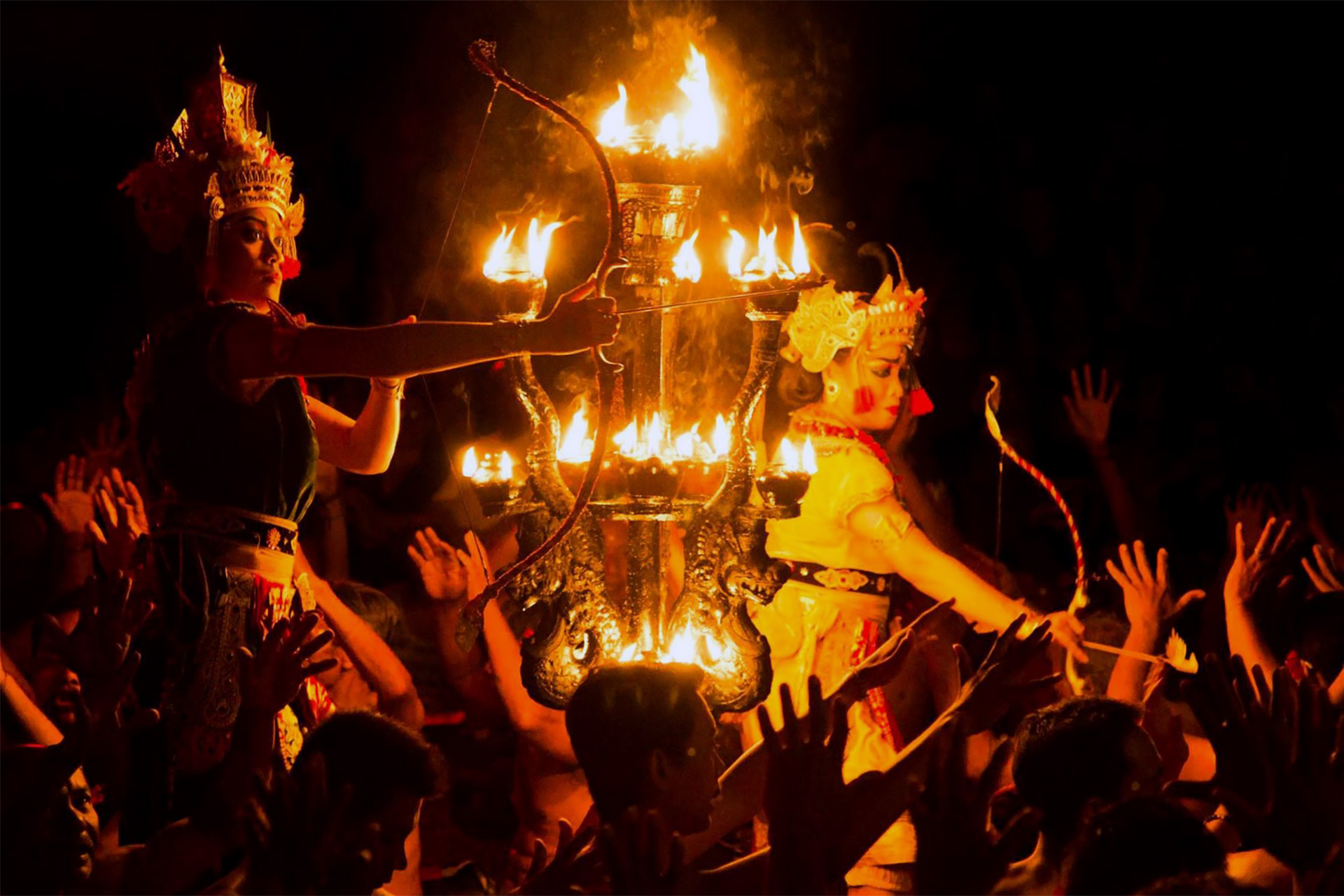
Balinese culture is a rich tapestry of traditions, rituals, and celebrations that reflect the island’s deep spiritual heritage and vibrant community spirit. From colorful temple ceremonies and traditional dance performances to elaborate processions and lively festivals, Balinese culture is alive with vibrant energy and a sense of reverence for the divine. In this guide, we’ll delve into the heart of Balinese culture, exploring some of the most important festivals and events that showcase the island’s unique customs and traditions.
In a Nutshell
At the core of Balinese culture lies a deep reverence for spirituality, community, and harmony with nature. Rooted in Hindu-Balinese beliefs and practices, Balinese culture is characterized by its elaborate rituals, vibrant ceremonies, and devotion to the gods and goddesses of the Hindu pantheon. From daily offerings and temple rituals to grand processions and sacred dances, Balinese culture is a testament to the island’s enduring spiritual legacy and cultural resilience.
Cultural Festivals and Events
- Galungan and Kuningan: One of the most important festivals in the Balinese calendar, Galungan marks the victory of dharma (good) over adharma (evil) and celebrates the return of ancestral spirits to the earth. During this ten-day festival, Balinese families adorn their homes with intricately woven penjor (decorative bamboo poles) and offerings, visit temples to pray and make offerings, and participate in traditional dances and rituals. The festival culminates with Kuningan, a day of prayers and offerings to bid farewell to the ancestral spirits as they return to the heavens.
- Nyepi (Balinese New Year): Nyepi, or the Day of Silence, is a unique and solemn observance that marks the beginning of the Balinese New Year according to the Saka lunar calendar. On Nyepi Day, all activity on the island comes to a halt as Balinese Hindus observe a day of silence, fasting, and meditation. Streets are deserted, businesses are closed, and even the airport ceases operations as Balinese families spend the day in quiet reflection, refraining from work, entertainment, and lighting fires. The following day, known as Ngembak Geni, is a time for socializing and forgiveness, as families and communities come together to celebrate the new year.
- Ubud Writers and Readers Festival: Celebrating its rich literary heritage and cultural diversity, the Ubud Writers and Readers Festival is an annual event that brings together writers, artists, thinkers, and activists from around the world for a week-long celebration of creativity and ideas. Featuring panel discussions, workshops, book launches, and cultural performances, the festival offers a platform for dialogue, exchange, and inspiration, showcasing the power of words to transform lives and communities.
- Bali Arts Festival: Held annually in Denpasar, the Bali Arts Festival is a month-long celebration of Balinese arts, culture, and heritage, featuring a colorful array of traditional dance performances, music concerts, art exhibitions, and cultural workshops. Highlighting the diverse cultural traditions of Bali’s different regions, the festival is a showcase of the island’s artistic talent and creative expression, providing visitors with an immersive experience of Balinese culture.
- Melasti Procession: Preceding the Nyepi celebrations, the Melasti procession is a ceremonial purification ritual that takes place on Bali’s beaches, as communities gather to cleanse themselves and their sacred objects in the sea. Accompanied by gamelan music and chanting, participants carry elaborately decorated offerings and sacred effigies to the water’s edge, where they bathe and pray for purification and blessings in preparation for the new year.
Preserving and Promoting Balinese Culture
- Cultural Preservation Efforts: Recognizing the importance of preserving Balinese culture in the face of modernization and globalization, efforts are underway to safeguard and promote traditional arts, crafts, and rituals. Organizations such as the Bali Cultural Agency and the Bali Heritage Foundation work to document, protect, and promote Balinese cultural heritage through education, research, and community outreach programs.
- Community Participation: Balinese culture thrives on community participation and collective action, with festivals and ceremonies serving as opportunities for social cohesion and cultural expression. From temple committees and dance troupes to village councils and youth groups, community organizations play a vital role in organizing and participating in cultural events, ensuring that traditions are passed down from generation to generation.
- Tourism and Cultural Exchange: Tourism has played a significant role in promoting Balinese culture on the global stage, with visitors from around the world drawn to the island’s rich cultural heritage and vibrant arts scene. Cultural attractions such as dance performances, craft workshops, and temple ceremonies provide opportunities for cultural exchange and dialogue between visitors and local communities, fostering mutual understanding and appreciation of Balinese culture.
Embracing the Spirit of Balinese Culture
Balinese culture is a living, breathing expression of the island’s spiritual heritage, artistic creativity, and community resilience. From the colorful festivities of Galungan and Nyepi to the literary and artistic celebrations of the Ubud Writers and Readers Festival and the Bali Arts Festival, Balinese culture offers a rich tapestry of traditions and events that captivate the imagination and inspire the soul. By embracing the spirit of Balinese culture, we can learn from its wisdom, celebrate its beauty, and contribute to its preservation for generations to come.
Bali cultural tradition is a vibrant tapestry of traditions, festivals, and events that celebrate the island’s rich spiritual heritage and cultural diversity. From the sacred rituals of Galungan and Nyepi to the artistic expressions of the Ubud Writers and Readers Festival and the Bali Arts Festival, Balinese culture offers a window into the soul of the island, inviting visitors to immerse themselves in its beauty, wisdom, and enchantment. So come, join the celebration, and experience the magic of Bali culture firsthand.