Bali, with its breathtaking landscapes, vibrant culture, and rich heritage, is a paradise for photographers seeking to capture the beauty and essence of the island. From pristine beaches and lush rice terraces to ancient temples and colorful ceremonies, Bali offers endless opportunities for stunning photography. In this guide, we’ll explore the art of Bali photography, offering tips and techniques for capturing memorable shots that showcase the unique charm and allure of the island.
Bali Photography
Bali photography is more than just capturing images; it’s about capturing the spirit and essence of Bali – its culture, people, landscapes, and traditions. Whether you’re a professional photographer or an amateur enthusiast, mastering the art of Bali photography requires an understanding of the island’s diverse beauty and a keen eye for composition, light, and storytelling.
Tips for Capturing Stunning Shots in Bali
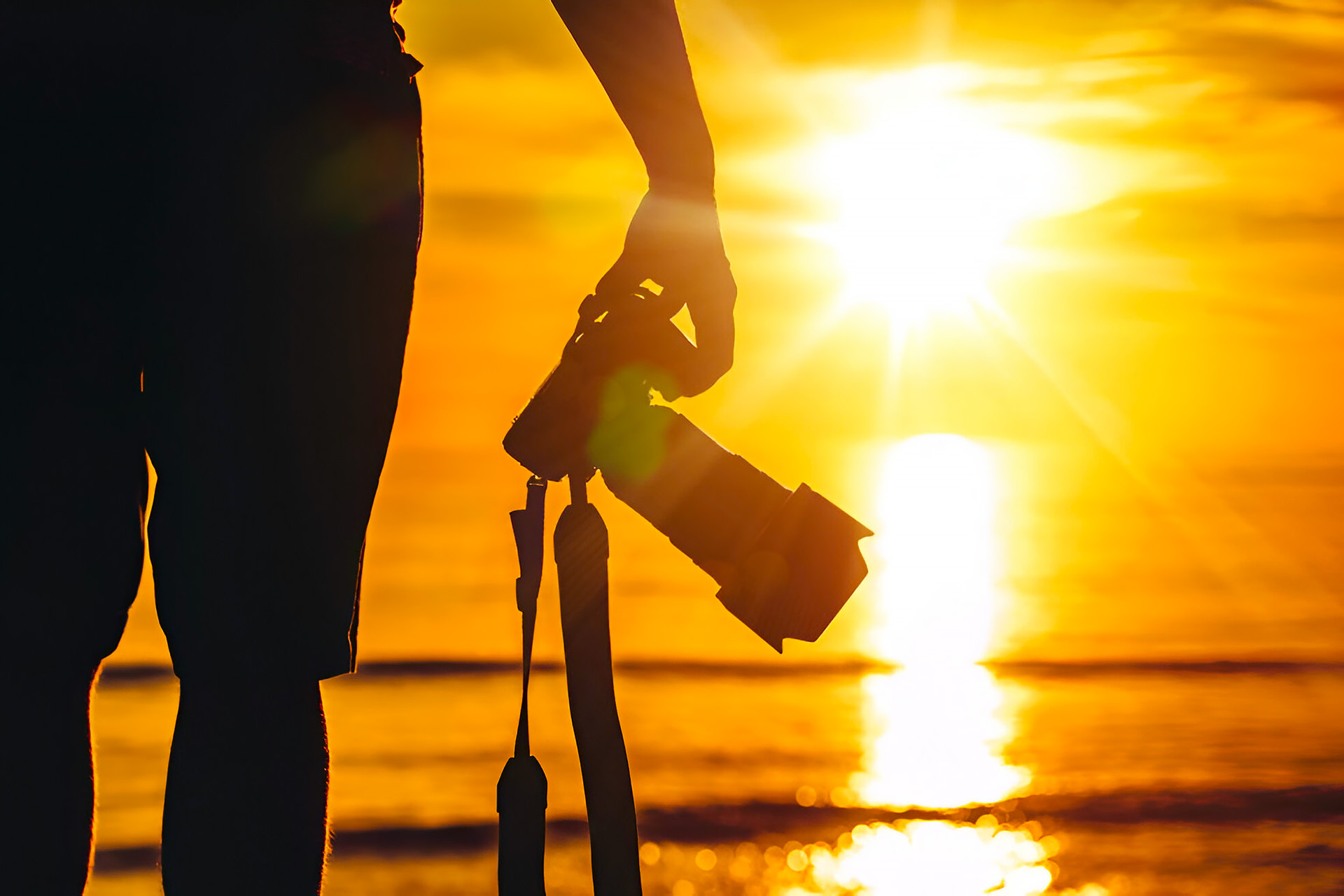
- Golden Hour Magic: Make the most of Bali’s golden hour – the hour after sunrise and before sunset – when the light is soft, warm, and diffused, creating a magical glow that enhances colors and textures. Whether you’re shooting landscapes, portraits, or architecture, the golden hour offers the perfect lighting conditions for capturing stunning shots with depth and dimension.
- Embrace the Elements: Bali’s tropical climate can be unpredictable, with sudden rain showers and changing weather patterns. Embrace the elements and use them to your advantage, capturing dramatic skies, reflections in puddles, and vibrant rainbows that add visual interest and dynamism to your photos.
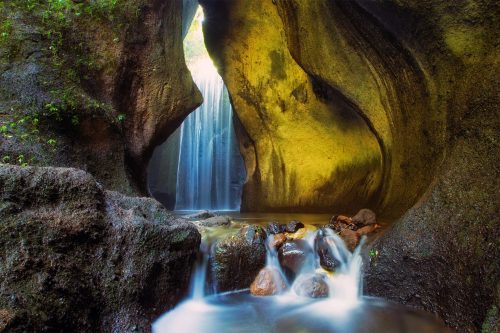
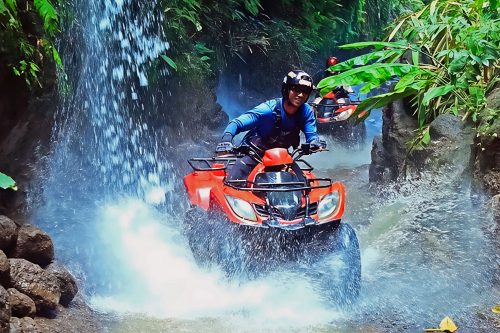
- Explore Off the Beaten Path: While Bali’s popular tourist attractions are undeniably stunning, don’t be afraid to venture off the beaten path and explore lesser-known locations that offer unique photo opportunities. Whether it’s hidden waterfalls, remote villages, or secluded beaches, Bali is full of hidden gems waiting to be discovered by adventurous photographers.
- Capture Cultural Moments: Bali’s rich cultural heritage provides endless opportunities for capturing unique and authentic moments that tell a story. Whether it’s a traditional dance performance, a temple ceremony, or a Balinese wedding procession, immerse yourself in the local culture and capture the vibrancy and spirit of Bali’s traditions and rituals.
- Get Creative with Composition: Experiment with different angles, perspectives, and compositions to create visually striking images that stand out from the crowd. Whether it’s using leading lines to draw the viewer’s eye, framing your subject with natural elements, or playing with symmetry and patterns, don’t be afraid to get creative and push the boundaries of conventional photography.
- Interact with Locals: Engage with the local community and build connections with the people you encounter during your travels in Bali. Whether it’s striking up a conversation with a Balinese farmer in the rice fields, sharing a laugh with a street vendor in Ubud, or learning traditional crafts from local artisans, interacting with locals can lead to authentic and meaningful photographic experiences.
- Respect Cultural Sensitivities: When photographing people in Bali, always ask for permission before taking their picture, especially in sacred or intimate settings. Respect cultural sensitivities and privacy, and approach photography with humility, empathy, and respect for the people and traditions you are capturing.
Recommended Photography Gears
- Camera: While a DSLR or mirrorless camera will offer the best image quality and flexibility, you can still capture stunning shots with a smartphone or compact camera. Focus on mastering composition, lighting, and storytelling, regardless of the gear you use.
- Lenses: Invest in versatile lenses that cover a range of focal lengths, from wide-angle to telephoto, to capture a variety of scenes and perspectives. Consider bringing a prime lens for low-light situations and creative depth-of-field effects.
- Tripod: A sturdy tripod is essential for capturing sharp images in low-light conditions, long exposures, and stable compositions. Look for a lightweight and portable tripod that you can easily carry with you on your travels.
- Filters: Consider investing in a polarizing filter to reduce glare and enhance colors, as well as neutral density filters for long exposure photography, particularly when shooting waterfalls or seascapes.
- Accessories: Don’t forget to pack extra batteries, memory cards, lens cleaning cloths, and a rain cover for your camera gear, as well as a comfortable camera bag or backpack to carry your equipment while exploring Bali.
Post-Processing and Editing Tips
- Shoot in RAW: Capture images in RAW format to retain maximum flexibility and control over exposure, color, and detail during post-processing.
- Lightroom and Photoshop: Learn how to use Adobe Lightroom and Photoshop to enhance and fine-tune your images, adjusting exposure, contrast, saturation, and sharpness to achieve your desired look and feel.
- Presets and Filters: Experiment with presets and filters to create unique and stylized effects that complement your photographic vision and aesthetic.
- Selective Editing: Use selective editing tools to target specific areas of your image for adjustments, such as brightening shadows, reducing highlights, or enhancing colors.
- Practice Patience and Persistence: Bali photography requires patience, persistence, and a willingness to embrace the unexpected. Keep exploring, keep experimenting, and keep pushing yourself to capture that perfect shot that truly encapsulates the beauty and spirit of Bali.
Capturing the Essence of Bali
Bali photography offers a unique opportunity to capture the beauty, diversity, and spirit of one of the world’s most enchanting destinations. Whether you’re drawn to Bali’s stunning landscapes, vibrant culture, or rich heritage, mastering the art of Balinese photography requires passion, creativity, and a deep appreciation for the beauty that surrounds you. By following these tips and techniques, you can elevate your photography skills and create stunning images that celebrate the essence of Bali and inspire others to explore its wonders.
Bali photography is a journey of discovery and creativity, offering endless opportunities for capturing the essence and spirit of this magical island. Whether you’re a seasoned professional or an amateur enthusiast, these tips and techniques will help you capture stunning shots that showcase the unique beauty, culture, and heritage of Bali. So grab your camera, pack your sense of adventure, and embark on a photographic journey through the captivating landscapes and vibrant culture of Bali.