
3 Days West Sumba Tour – Smart Tambolaka Routing & Coastal Highlights
A West Sumba tour should feel expansive, not exhausting. Over three carefully structured days, this West Sumba itinerary guides you through rolling savannas, traditional villages, and dramatic coastal lagoons — without rushed cross-island transfers or wasted drive time. Designed around Tambolaka arrival and intelligent routing, every stop connects naturally, allowing you to experience West Sumba at the right pace. It is immersive enough to feel meaningful, efficient enough to fit your schedule, and thoughtfully built for travelers who value flow over frenzy.
If three days is what you have, this is how to use them well.
Prices
Travel logistics in Sumba can vary depending on season, flight schedules, accommodation availability, and road conditions. For this reason, pricing is finalized after confirming your preferred dates and pace.
Price includes: Experienced driver. Local English-speaking guide. Air-conditioned passenger van. Attraction tickets and parking fees. Daily housekeeping & villa staff. 24h on-call ground assistance. Cold towel and mineral water.
Smart Tambolaka arrival pairing for efficient routing. No cross-island backtracking or wasted drive hours. Coastal icons: Weekuri Lagoon & Ratenggaro Village. Rolling savannas & panoramic hill landscapes.
Realistic pacing with sunset timing built in. Minimum 2-night West Sumba base for smoother flow. Optional Premium pacing upgrade available. Designed by on-ground Sumba specialists, not OTA templates.
Tour Highlights
This West Sumba 3 day tour package is designed for travelers who want to experience the island’s defining contrasts within a limited timeframe — without turning the journey into a checklist. Focused primarily on West Sumba, the route brings together dramatic coastal cliffs, saltwater lagoons, traditional megalithic villages, and open savanna landscapes in a sequence that makes geographic sense.
Rather than attempting to cross the island too quickly, this experience is built around smart routing and realistic drive times. Each day flows naturally from one landscape to the next, allowing space to absorb the scenery while maintaining efficiency. The result is a short yet thoughtfully structured journey — ideal for those who want a concise introduction to Sumba, grounded in local insight and practical coordination.
 Related products and information:
→ West Sumba Tours: Beaches, Lagoons & Waterfall Adventures
→ Sumba Travel Guide & Tours Indonesia’s Last Untouched Paradise
→ Book Sumba Tours Online Curated Journeys Across West & East
Who This Journey Is For
This journey is designed for travelers who value clarity and structure over excess. It works especially well for those extending a Bali holiday and seeking a focused introduction to Sumba without committing to a full week. With efficient routing in West Sumba, it suits visitors who want meaningful landscapes and cultural encounters within a concise timeframe.
It is also ideal for photographers working with limited days, first-time visitors wanting to experience essential highlights before exploring deeper, and couples seeking a short yet immersive escape. By concentrating on a well-defined region rather than crossing the island too quickly, this experience minimizes fatigue and maximizes depth — ensuring the time you have feels intentional and well spent.
Route Overview
This three-day structure follows a logical west-based flow, minimizing backtracking and long repositioning drives. Each day builds upon the previous one, creating contrast without rushing across the island.
Day 1 — Arrival & Coastal West
Arrive in Tambolaka and begin with West Sumba’s dramatic coastline. The afternoon focuses on sea cliffs, open horizons, and a gradual introduction to the island’s terrain, allowing time to settle into the rhythm of Sumba before sunset.
Day 2 — Villages & Lagoons
A balanced day combining cultural depth and natural contrast. Traditional megalithic villages reveal Sumba’s ancestral heritage, followed by saltwater lagoons and coastal formations that define the region’s raw beauty.
Day 3 — Savanna Landscapes & Departure
Morning light over rolling savanna hills provides a final shift in scenery before returning toward the airport. The route is timed to align smoothly with departure schedules, ensuring a composed conclusion rather than a rushed exit.
Itinerary
Day #1
Coastal Icons
- Pick Up from the Airport
- Ratenggaro Village
- Mandorak Beach
- Waikuri Lagoon
Day #2
Lagoons, Hills and Hidden Corners
- Waikelo Sawah
- Lendongara Hill
- Pero Beach
Day #3
Savanna Landscape
- Tanah Daru Savanna
- Return to the Airport
What You Will Visit
1. Ratenggaro Village
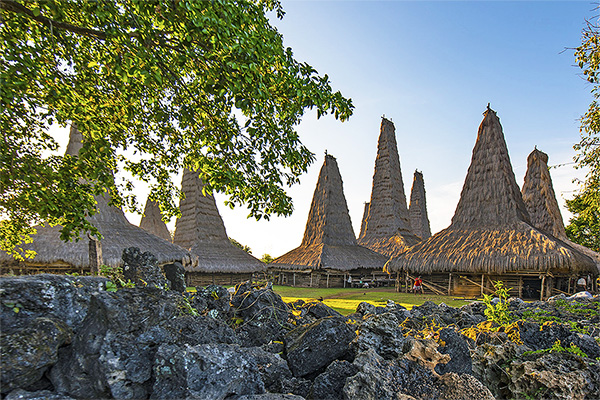
One of the most iconic traditional villages in West Sumba, Ratenggaro is known for its towering marapu houses with dramatically high thatched roofs. Located right beside the ocean, the village offers both cultural insight and coastal scenery — making it one of the island’s most photographed heritage sites.
2. Mandorak Beach
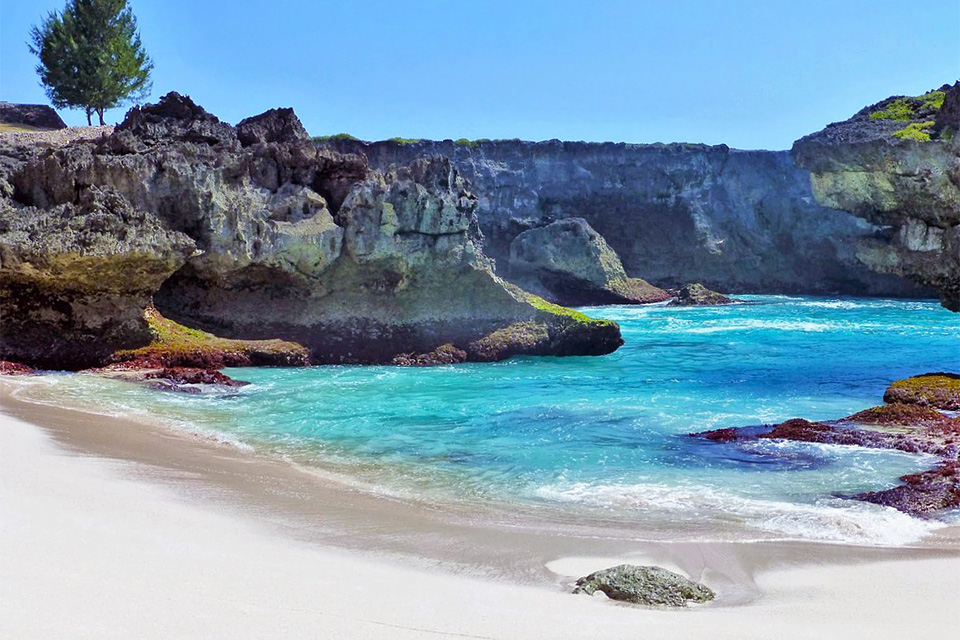
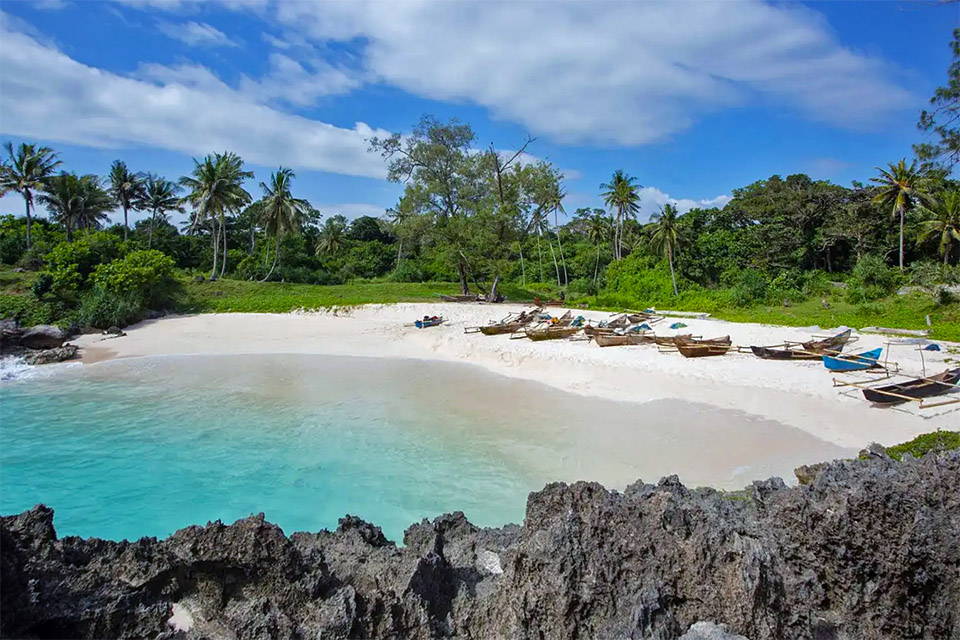
A hidden cove framed by limestone cliffs, Mandorak Beach feels intimate and secluded. Its turquoise water and dramatic rock formations create a striking contrast against the dry Sumba landscape. Depending on tide conditions, the beach is ideal for quiet exploration and scenic photography.
3. Waikuri Lagoon
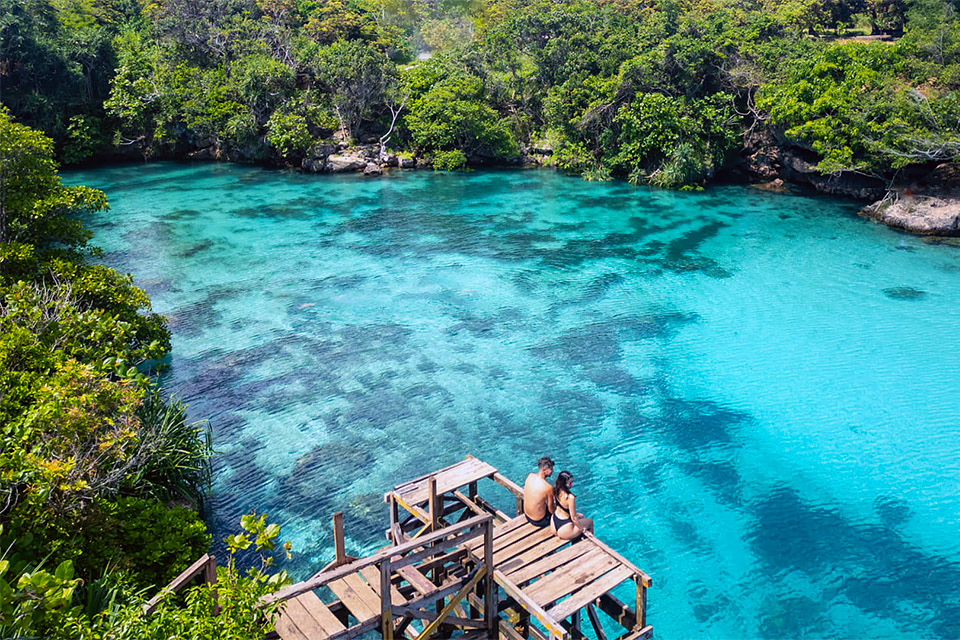
Waikuri Lagoon is a saltwater lagoon enclosed by coral and limestone walls. Known for its clear, calm water, it offers a natural infinity-edge effect overlooking the open ocean. It’s one of West Sumba’s most distinctive coastal landscapes and a highlight for swimming and relaxation.
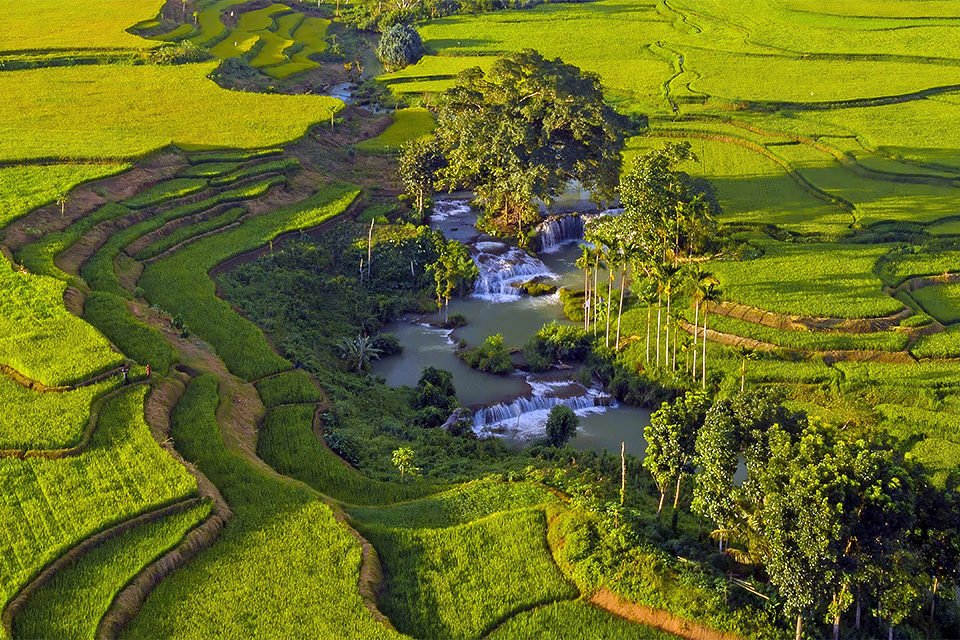
4. Waikelo Sawah
A unique freshwater spring emerging directly from a cave, Waikelo Sawah forms small rice paddies and irrigation channels nearby. It is not a large waterfall, but rather a serene, geological curiosity that adds diversity to West Sumba’s predominantly dry terrain.
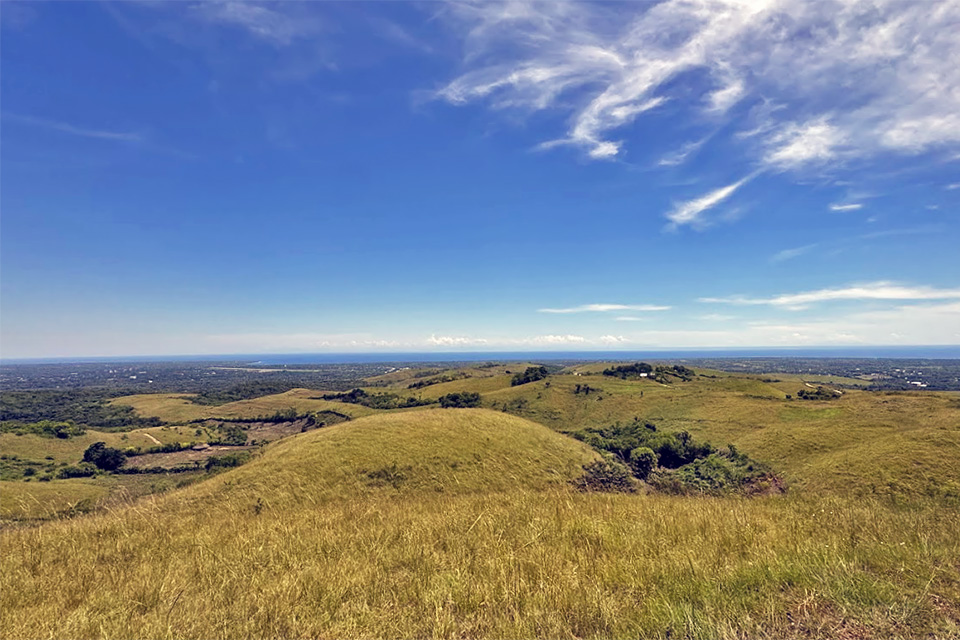
5. Lendongara Hill
Often visited during golden hour, Lendongara Hill offers panoramic views over rolling savannas and distant coastline. The layered hills turn warm and golden toward sunset, making it one of the most photogenic elevated viewpoints in West Sumba.
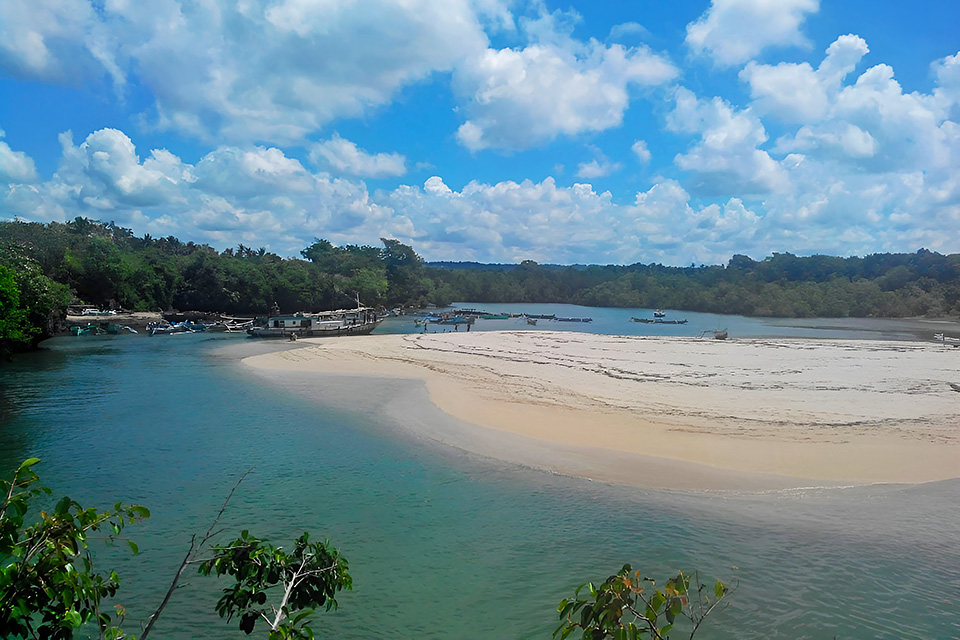
6. Pero Beach
Pero Beach is a quiet fishing village coastline with long stretches of sand and open horizon views. Unlike more dramatic cliff-framed beaches, Pero offers a sense of scale and simplicity — especially beautiful during late afternoon light.
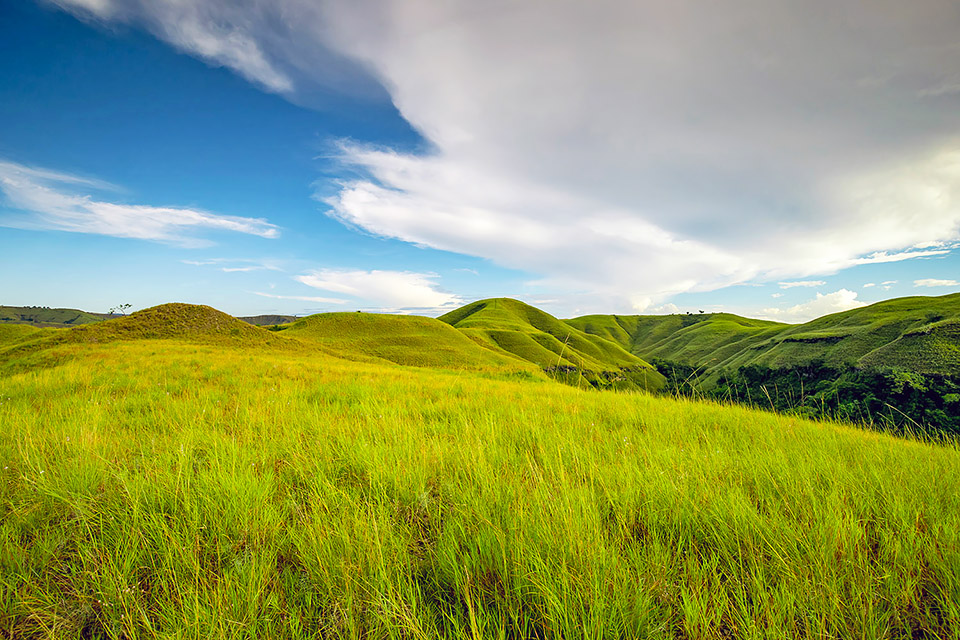
7. Tana Daru Savannah
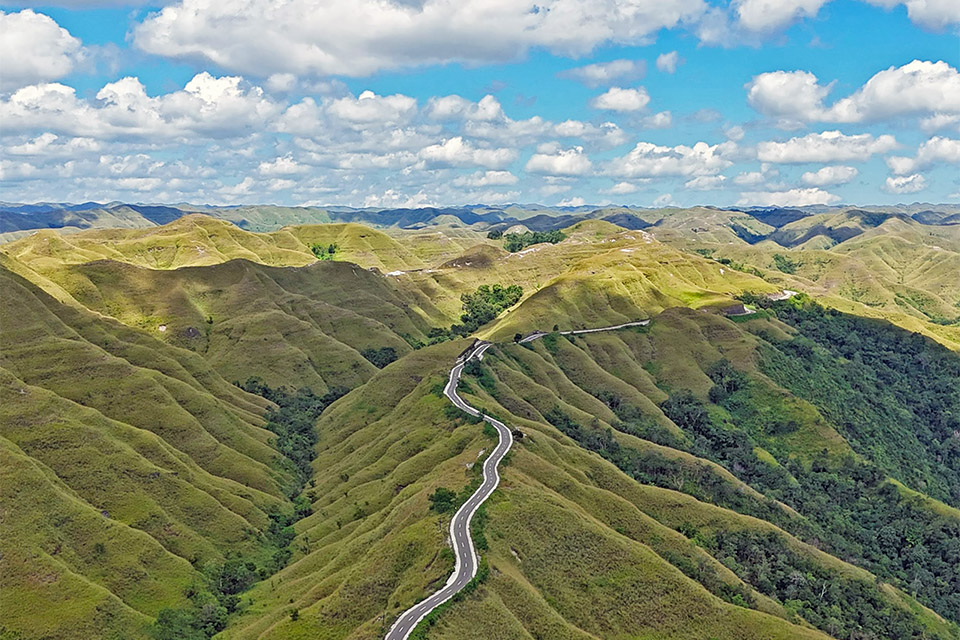
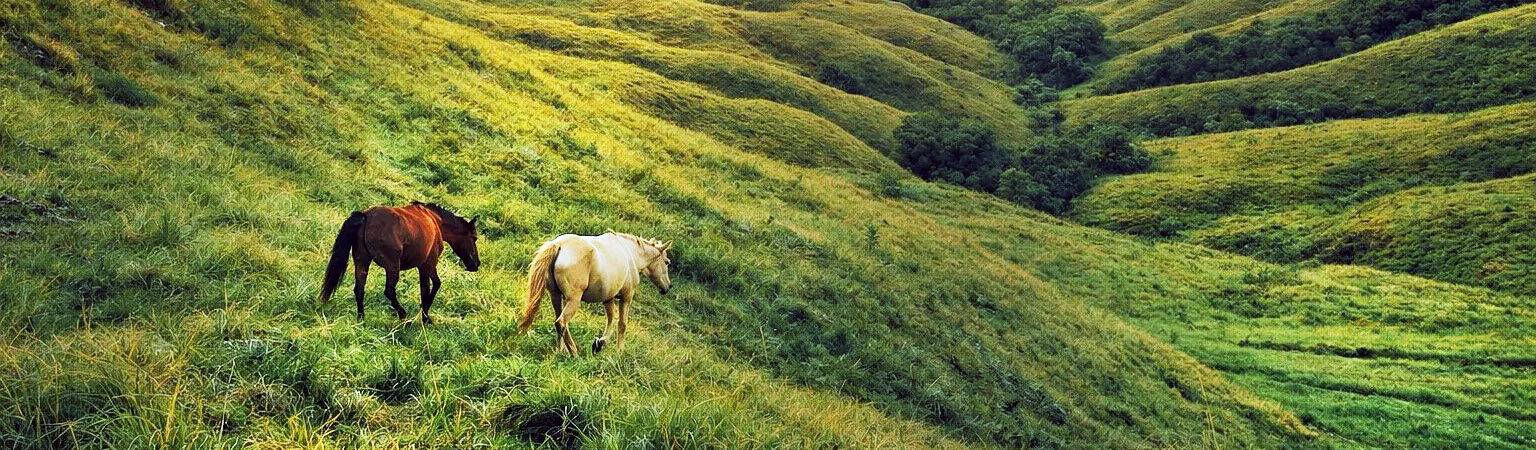
Tana Daru showcases West Sumba’s wide-open savanna landscape. During the dry season, the hills glow golden; in the greener months, they become lush and softly layered. It is one of the best places to understand the island’s expansive, almost cinematic terrain.
Detailed Day-by-Day Experience
Premium 3 Days West Sumba Itinerary
Day 1 — Arrival & Golden Coastline Positioning
Arrival at Tambolaka, but instead of rushing into multiple stops, the Premium version focuses on quality pacing.
First stop remains Ratenggaro Village, but scheduled either:
- Late afternoon for softer light, or
- Early arrival before peak daytime heat.
From there, continue toward Mandorak Beach, but with a time buffer built in — allowing you to stay longer rather than move quickly.
The day closes at Waikuri Lagoon near sunset, when the water tone shifts and the crowds thin.
Overnight: remote coastal West Sumba (Kodi region) — ideally closer to nature rather than town-based.
Drive time remains similar to Classic (2–2.5 hours cumulative), but the rhythm is slower and less compressed.
Day 2 — Elevated Perspectives & Hidden Access
This is where Premium differentiates strongly.
Morning begins at Lendongara Hill timed specifically for early golden light. Savanna tones are dramatically better at this hour.
Continue to Waikelo Sawah, but with extended time for relaxed exploration rather than a short photo stop.
Optional curated moment:
- Simple private picnic setup.
- Light trekking toward less crowded corners.
- Cultural explanation session with local guide.
Afternoon moves toward a quieter shoreline such as Pero Beach, selected for minimal visitor presence.
Driving remains around 2–3 hours total, but spaced intentionally.
Overnight remains West Sumba — no relocation stress.
Day 3 — Cinematic Savanna & Soft Departure
Early morning positioning at Tanah Daru Savanna is the defining Premium difference.
Instead of visiting mid-day, timing is sunrise when:
- Mist occasionally hangs low.
- Light gradients create layered hills.
- Temperature is comfortable.
Return route toward Tambolaka is intentionally relaxed, allowing short scenic pauses without schedule pressure.
Total drive before flight: under 1.5 hours.
Classic 3 Days West Sumba Itinerary
Day 1 — Coastal Icons of West Sumba
After arrival at Tambolaka Airport, the route moves south-west toward Kodi region. This sequencing minimizes backtracking and keeps total driving around 2–2.5 hours spread throughout the day, rather than one long stretch.
The first cultural introduction is Ratenggaro Village, positioned dramatically against the Indian Ocean. Visiting it first provides cultural grounding before shifting toward natural landscapes.
From there, the road narrows and curves through dry coastal terrain toward Mandorak Beach, a compact cove framed by cliffs. The terrain here becomes rockier and more exposed — classic West Sumba coastline.
The afternoon softens at Waikuri Lagoon, where enclosed saltwater pools contrast the open sea visited earlier. Because these three locations sit within the same southwest cluster, the day flows naturally without geographic zigzagging.
Overnight is based in West Sumba (recommendation: Kodi or Tambolaka area) to maintain logistical efficiency for the following day.
Day 2 — Lagoons, Hills & Hidden Corners
With accommodation already positioned in the west, Day 2 expands outward in a looping route rather than relocation.
The morning begins at Waikelo Sawah, a freshwater spring emerging from limestone cliffs. The short access road is narrow but manageable, offering a different ecosystem from the previous day’s saltwater landscapes.
The route continues inland toward Lendongara Hill, where savanna ridges open into sweeping panoramic views. Terrain shifts here from coastal rock to rolling grassland, especially striking during golden hours.
In the afternoon, time allows for a quieter shoreline such as Pero Beach, less dramatic but expansive and uncrowded — reinforcing the sense of scale that defines West Sumba.
Total driving time remains realistic at approximately 2–3 hours cumulatively, broken into manageable segments. The loop design avoids repeating yesterday’s exact coastal route.
Overnight remains in West Sumba, ensuring the journey feels anchored rather than rushed.
Day 3 — Savanna Landscapes & Measured Return
The final day transitions inland before departure, preventing repetition of coastal scenes.
Early morning light is ideal for Tanah Daru Savanna, where rolling hills create one of Sumba’s most cinematic landscapes. Terrain here is open and undulating, very different from cliff-lined beaches.
Depending on flight timing, a final scenic pause may include a viewpoint stop en route back toward Tambolaka, keeping total driving under 1.5 hours before airport transfer.
The route closes naturally back toward Tambolaka without cross-island transfer, maintaining pacing discipline appropriate for a 3-day West Sumba experience.
Compare Our West Sumba Tour Options
Feature |
Classic 3 Days West Sumba |
Premium 3D2N West Sumba |
|---|---|---|
Travel Pace
|
Efficient & structured
|
Premium 3D2N West Sumba
|
Number of Highlights
|
7–8 key locations
|
6–7 curated locations
|
Visit to Ratenggaro Village
|
✔ Standard stop
|
✔ Extended cultural session option
|
Weekuri Lagoon Timing
|
Daytime visit
|
Golden hour optimization
|
Scenic stop
|
Sunrise positioning at Tanah Daru
| |
Scenic Hill Visit
|
✔ Lendongara Hill
|
✔ Early light photography timing
|
Hidden Corners Access
|
Main access points
|
Optional off-path exploration
|
Accommodation Area
|
West Sumba (Tambolaka/Kodi)
|
Scenic coastal West Sumba
|
Experience Style
|
Highlight-focused
|
Experience-designed
|
Ideal For
|
First-time visitors
|
Couples, honeymooners, photographers
|
Flexibility Level
|
Fixed sequence
| |
Price Level
|
Standard curated rate
|
Elevated private journey
|
Accommodation Logic — Why We Base You in West Sumba
Designing a 3-day journey in Sumba is less about how many places you can visit — and more about how intelligently the island is navigated. For a 3 days Sumba tour, the experience is intentionally based in West Sumba, especially around Kodi or Tambolaka region, for two nights. This is not a limitation. It is a strategic decision.
Why West Sumba Is the Ideal Base
West Sumba concentrates several of the island’s most iconic coastal and cultural landscapes within a relatively cohesive geographic cluster. Locations such as:
- Mandorak Beach.
- Lendongara Hill.
sit within a manageable driving radius of one another.
Road conditions in Sumba vary — from paved provincial roads to narrower limestone tracks. Distances that appear short on a map often translate into longer travel times on the ground. By positioning accommodation in West Sumba, daily drive time remains realistic (approximately 2–3 cumulative hours per day), rather than exhausting.
The result: more time experiencing, less time repositioning.
Why 2 Nights Minimum Is Essential
A single overnight stay in West Sumba does not allow proper pacing.
With flight schedules, airport transfers, and the island’s terrain, attempting a one-night format compresses the journey into back-to-back road movement. That contradicts the spirit of Sumba.
Two nights allow:
- Golden-hour flexibility.
- Weather adjustment buffer.
- Slower cultural encounters.
- Reduced packing and unpacking.
- A grounded sense of place.
In a destination where landscapes are defined by light and space, staying at least two nights is not luxury — it is practical design.
Why Cross-Island Transfer Is Not Included in 3 Days
Sumba is not a compact island.
Traveling from West Sumba to East Sumba — toward Waingapu and its surrounding landscapes — typically requires 5–6 hours of overland driving, depending on road conditions and seasonal weather. While distances may appear moderate on a map, terrain realities tell a different story.
Attempting to include a cross-island transfer within a 3-day itinerary would mean:
- One day largely spent in transit.
- Limited time to meaningfully explore either region.
- Reduced immersion.
- Increased fatigue.
For this reason, Sumba Highlight Express remains fully focused on West Sumba.
This is not a compromise. It is a disciplined route design.
By concentrating on one region, the journey captures a complete and satisfying narrative — traditional villages such as Ratenggaro Village, dramatic coastal formations, saltwater lagoons, freshwater springs, and rolling savannas — without the pressure of long-haul transfers.
When a Longer Journey Makes Sense
For travelers who wish to experience both the western coastline and the distinct cultural and savanna landscapes of East Sumba, a longer format becomes essential.
A thoughtfully structured 4D3N cross-island journey allows time to transition gradually across the island, ensuring that long-distance drives are balanced by meaningful exploration on both ends.
This extended routing will be available through our upcoming Grand Sumba 4D3N Journey, designed specifically for guests seeking a broader island narrative without sacrificing pacing or comfort.
In Sumba, expansion should always mean depth — not speed.
The Philosophy Behind This Design
Sumba rewards patience.
It is not an island designed to be rushed from coast to coast in a single sweep. It is a landscape of space, shifting light, and distance.
By anchoring this 3-day experience in West Sumba for two nights, we protect:
- Geographic cohesion.
- Realistic drive times.
- Landscape diversity.
- Operational reliability.
The result is a journey that feels intentional rather than compressed.
And when you are ready to see more of the island, the route expands — properly, and with purpose.
What Makes This Route Efficient
A well-designed Sumba itinerary is not defined by how many locations are listed.
It is defined by how intelligently they connect.
At first glance, plotting stops on a map may seem simple. But on an island like Sumba — where road conditions vary, terrain shifts dramatically, and airport positioning matters — routing decisions directly impact the quality of the journey.
This is where experience makes the difference.
Why Airport Pairing Matters
Sumba has two main entry points:
✔ Tambolaka (West Sumba). ✔ Waingapu (East Sumba).
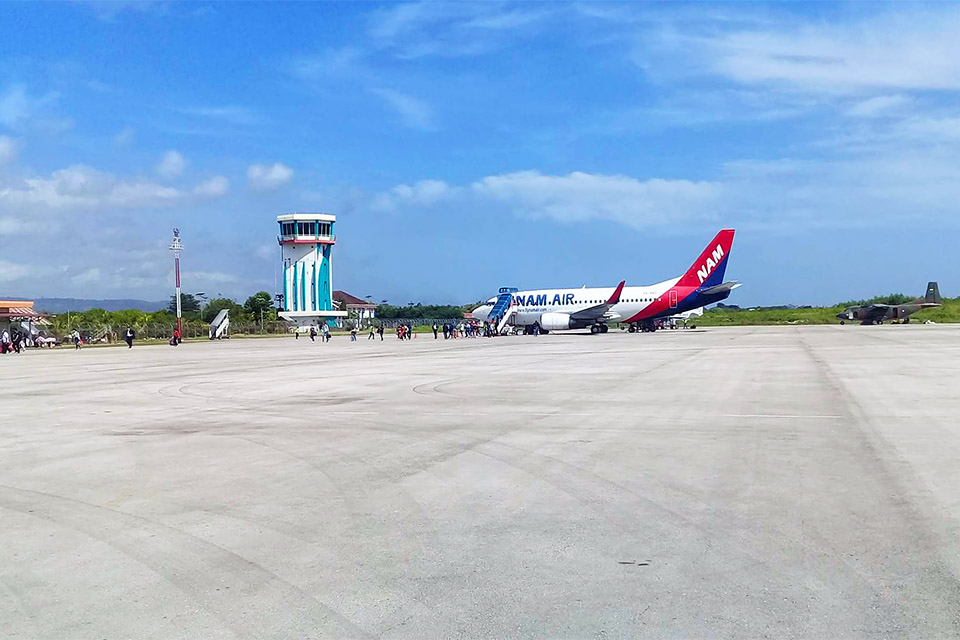
The Sumba Highlight Express is intentionally paired with Tambolaka Airport.
This pairing is not accidental. It eliminates unnecessary repositioning and allows exploration to begin almost immediately upon arrival. Within 60–90 minutes of landing, guests can reach the Kodi coastline and begin experiencing landscapes such as Ratenggaro Village or Weekuri Lagoon.
If the same 3-day route were attempted from Waingapu, a full cross-island transfer would be required before reaching these locations. That would consume nearly an entire day. Airport pairing determines whether your first day is exploration — or transit.
Why Zig-Zag Routing Wastes Time
On paper, many itineraries look impressive.
They list: Coastal Sites. Indland Hills. Villages. Lagoons. Savanna.
But what they do not show is sequencing.
Without geographic discipline, itineraries often zig-zag between coastal and inland zones, unintentionally repeating road segments. In Sumba, where some roads are narrow and winding, even small routing inefficiencies multiply quickly. For example:
- Visiting a coastal site in the morning.
- Driving inland midday.
- Returning to the same coastline again in the afternoon.
This appears dynamic on a checklist — but operationally it is inefficient. The Sumba Highlight Express avoids this by clustering locations logically:
- Southwest coastal grouping.
- Inland savanna grouping.
- Limestone spring and hill loop.
- Natural return arc toward Tambolaka.
Each day flows in a directional arc rather than a back-and-forth pattern. The result is smoother pacing and less vehicle fatigue.
Why Experienced Coordination Improves Flow
Sumba is not a destination where timing can be treated casually.
Factors that influence daily flow include:
- Road surface conditions.
- Seasonal dust or rain.
- Village ceremony schedules.
- Golden hour positioning.
- Flight arrival timing.
An OTA template cannot account for these variables.
Experienced coordination means:
- Adjusting departure times for light conditions
- Avoiding midday heat in exposed savanna areas
- Sequencing saltwater and freshwater landscapes intentionally
- Buffering time for slower road segments
Even small decisions — such as whether to visit a hill before or after a lagoon — affect how the day feels.
The difference between a “busy” day and a “balanced” day is rarely visible in bullet points. It is visible in the rhythm of the journey.
Efficiency Is Not About Speed
Efficiency in Sumba does not mean rushing.
It means:
- Minimizing redundant driving
- Pairing arrival airport with region
- Reducing hotel relocation
- Designing logical geographic clusters
- Protecting sunrise and sunset opportunities
By anchoring the journey in West Sumba for two nights and pairing it with Tambolaka arrival, the route becomes compact, immersive, and realistic.
Not overloaded.
Not rushed.
Not stitched together from unrelated highlights.
The Difference Between a Template and a Designed Route
Online travel platforms often assemble itineraries by listing popular attractions within a region.
What distinguishes a designed route is intention:
- Why this stop comes before that one
- Why this landscape is best seen at a certain hour
- Why this region deserves its own base
- Why some places are intentionally excluded
The Sumba Highlight Express is structured around geographic cohesion, terrain awareness, and pacing realism.
That is what makes it efficient.
And that is what protects the quality of your 3-day journey on an island defined by distance and light.
Practical Notes
A well-designed route only works when paired with the right logistics.
Below are the essential operational notes to help you plan your Sumba Highlight Express journey with clarity and confidence.
Arrival at Tambolaka Airport
This 3D2N route is designed specifically around arrival and departure via Tambolaka Airport (TMC).
Tambolaka serves West Sumba and provides the most efficient access to the Kodi coastline, traditional villages, lagoons, and savanna landscapes included in this itinerary.
From the airport:
- Kodi region: approximately 60–90 minutes.
- Southwest coastal cluster: 90 minutes maximum.
- Inland savanna viewpoints: 45–75 minutes.
Because the tour is geographically anchored in West Sumba, arrival through Tambolaka allows exploration to begin immediately without cross-island repositioning.
Ideal Flight Pairing: Denpasar → Tambolaka
The most practical flight route is:
Ngurah Rai International Airport (DPS) → Tambolaka (TMC)
Flight time averages around 60–75 minutes.
Morning departures from Denpasar are ideal, allowing arrival before midday and maximizing your first day in West Sumba. Midday arrivals are still workable due to the route’s proximity to the airport, but late afternoon arrivals may reduce coastal exploration time.
Return flights are typically scheduled late morning or early afternoon, making a relaxed final morning possible before airport transfer.
This pairing ensures that travel days feel like part of the experience — not lost transition time.
Drive Time Expectations in Sumba
Road conditions in Sumba vary significantly.
Main roads are generally paved but may include:
- Narrow two-lane sections.
- Occasional uneven surfaces.
- Limited signage.
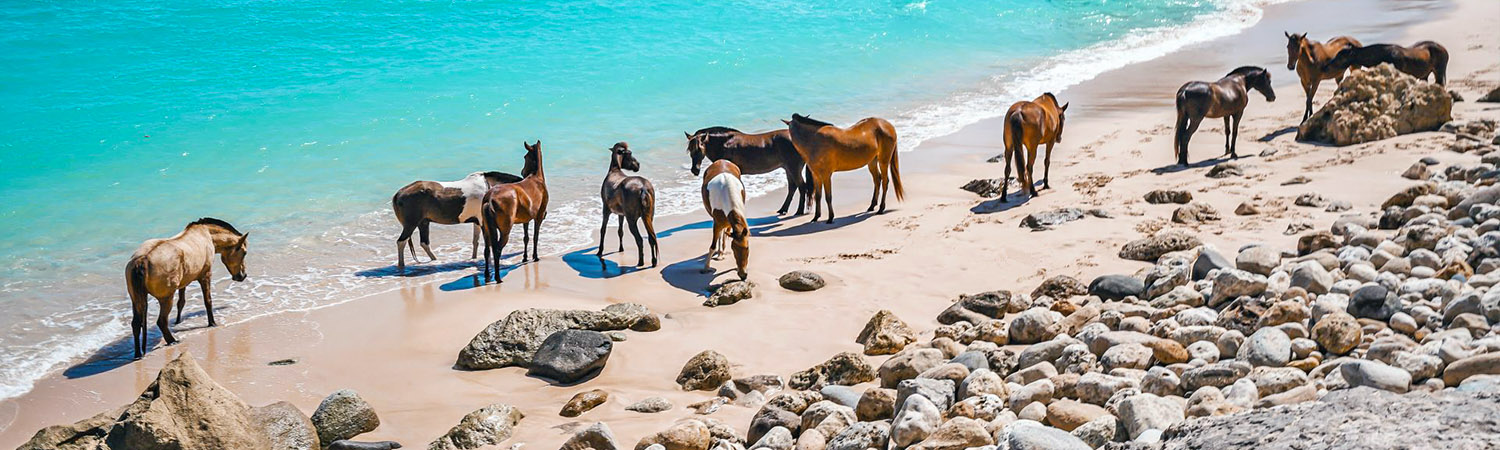
- Livestock crossings in rural zones.
Secondary access roads — especially toward beaches or savanna viewpoints — can be limestone, gravel, or compacted earth.
As a realistic guideline:
- Daily cumulative driving: 2–3 hours.
- Longest single stretch: typically 60–90 minutes.
- Airport transfer: 60–90 minutes depending on region.
Distances that appear short on digital maps often take longer than expected due to terrain and road curvature. This itinerary has been structured with realistic ground timing rather than theoretical map estimates.
Seasonal Considerations
Sumba experiences two primary seasons:
Dry Season (April – October)
- Golden savanna landscapes.
- Clear skies and dramatic sunsets.
- Dustier rural roads.
- Ideal for photography and hill viewpoints.
During this period, locations such as Tanah Daru Savanna display their iconic rolling golden tones.
Green Season (November – March)
- Lush hills and greener landscapes.
- Occasional heavy rainfall.
- Slippery access roads in rural areas.
- Fewer visitors.
Coastal lagoons such as Weekuri Lagoon remain accessible year-round, though timing adjustments may be necessary during periods of heavy rain.
The 3D2N format works in both seasons, but daily timing may be adjusted for weather, light conditions, and road safety.
Important Planning Note
Sumba is not a destination designed for tight connections or rushed scheduling.
We recommend:
- Avoiding last-flight arrivals.
- Allowing buffer time before international connections in Bali.
- Packing light for easier movement between scenic stops.
- Preparing for warm, dry conditions especially during peak dry season.
The strength of this journey lies in its balance between exploration and realism. Proper flight pairing and expectation setting ensure that your time on the island is immersive rather than hurried.
Optional Extensions — When You Have More Time
The Sumba Highlight Express is intentionally designed as a focused 3 Days West Sumba journey. It delivers a complete regional story without requiring long cross-island transfers. However, if you have an additional night — or prefer a broader island narrative — the route can expand eastward in a meaningful way.
This is where duration changes the experience.
Expanding Toward East Sumba
Within four or five days, a cross-island transition becomes realistic rather than rushed.
The journey gradually move from West Sumba’s coastal cliffs and lagoons to the open savannas and cultural landscapes of East Sumba. Instead of compressing the island into short stops, the additional time allows for:
- Balanced drive segments.
- Overnight repositioning.
- Different accommodation setting.
- Distinct landscape contrast.
East Sumba introduces a noticeably different atmosphere — drier plains, ceremonial villages, and wide open terrain that contrasts with West Sumba’s cliff-lined coast.
This expansion transforms the journey from a regional highlight into a broader island circuit.
Why We Do Not Force It Into 3 Days
Attempting to combine West and East Sumba within three days would mean dedicating one full day primarily to driving.
That approach:
- Reduces immersion.
- Limits meaningful exploration.
- Compresses experience quality.
- Creates unnecessary fatigue.
By segmenting duration — 3 days for West Sumba, 4–5 days for cross-island routing — each version protects its own integrity. This avoids itinerary cannibalization while giving travelers a clear upgrade path.
The Natural Progression
If you begin with Sumba Highlight Express (3 Days West Sumba Tour), You experience:
- Coastal icons.
- Traditional Kodi villages.
- Saltwater lagoons.
- Limestone springs.
- Rolling savannas.
With one or two additional nights, the journey can evolve into:
- A full 4 Days or 5 Days island crossing.
- A West-to-East landscape transition.
- A more comprehensive Sumba exploration.
This extended format will be structured under a dedicated Grand Sumba (5 Days Sumba Island Tour), designed specifically for travelers who want both regions without compromising pacing.
Choosing the Right Duration
If your schedule is limited but you want a complete and cohesive experience, the 3 Days West Sumba Tour format is the most efficient design. If you prefer broader geographic coverage and are comfortable with longer drive segments, the 4–5 day expansion offers deeper island immersion.
Both journeys are built on the same routing philosophy:
Intentional sequencing.
Realistic drive times.
Landscape cohesion.
The difference is duration — not quality.
Designed for How Sumba Actually Moves
Sumba is not an island that rewards speed. It rewards rhythm.
The coastline unfolds slowly. Villages do not sit beside highways. Savannas stretch wider than they first appear. What looks close on a map often feels distant once the road begins to curve through limestone hills and open plains.
That is why this journey is designed the way it is.
The 3 Days West Sumba Tour does not attempt to “cover” the island. It does not rush from west to east in a single sweep. It does not compress landscapes into a checklist.
Instead, it respects geography.
By anchoring the experience in West Sumba, pairing it intelligently with Tambolaka arrival, and sequencing coastal, inland, and savanna landscapes in logical arcs, the route feels natural rather than forced.
You move with the terrain.
From the dramatic shoreline near Ratenggaro Village
to the calm enclosure of Weekuri Lagoon
to the rolling openness of Tanah Daru Savanna
Each shift feels like progression — not transportation.
Three days in Sumba will never reveal everything.
But three days, designed properly, can feel complete.
That is the difference between an itinerary assembled from highlights and a route shaped by terrain, timing, and experience.
If you have limited time yet want a cohesive introduction to Sumba’s western landscapes, this format is efficient without being hurried.
If you prefer slower mornings and golden-hour positioning, the Premium pacing refines the same route without changing its integrity.
And if you later decide to see more, the journey can expand eastward — properly, and without compromise.
Sumba is not about ticking locations.
It is about standing on a cliff at the right hour.
Driving a quiet stretch of savanna road without rushing.
Arriving somewhere that feels remote — yet perfectly timed.
When you are ready to experience West Sumba with structure, realism, and intention, this journey is ready for you.
Frequently Asked Question
1. Is 3 days enough for a West Sumba tour?
Yes — if the route is properly designed.
A 3D2N West Sumba tour is sufficient to experience coastal highlights, traditional villages, lagoons, limestone springs, and savanna landscapes without cross-island transfers. By focusing exclusively on West Sumba and arriving via Tambolaka Airport, the journey remains efficient and immersive.
Three days is ideal for travelers with limited time who want a cohesive regional experience rather than a rushed island crossing.
2. Which airport should I fly into for West Sumba?
You should fly into Tambolaka Airport (TMC). Tambolaka is located in West Sumba and provides direct access to the Kodi coastline and major highlights such as Ratenggaro Village and Weekuri Lagoon.
Flying into Waingapu (East Sumba) would require a 5–6 hour overland transfer before reaching these locations.
3. What is the best flight route to Sumba?
The most practical flight pairing is:
Denpasar (Bali) → Tambolaka (West Sumba)
Flights depart from Ngurah Rai International Airport (DPS) and take approximately 60–75 minutes.
Morning departures are recommended to maximize exploration time on Day 1.
4. How long are the drive times during the tour?
Daily cumulative driving time averages 2–3 hours, broken into manageable segments. The longest single stretch is typically 60–90 minutes. Roads in Sumba vary from paved provincial routes to narrower limestone access roads, especially toward beaches and hill viewpoints.
This itinerary is structured to avoid unnecessary zig-zag routing or repeated road segments.
5. What are the main highlights included in this West Sumba itinerary?
Key highlights include:
- Ratenggaro Village.
- Mandorak Beach.
- Weekuri Lagoon.
- Waikelo Sawah.
- Lendongara Hill.
- Tanah Daru Savanna.
These locations represent a balanced mix of coastal scenery, traditional culture, freshwater springs, and open savanna landscapes.
6. When is the best time to visit West Sumba?
West Sumba can be visited year-round, but the experience differs by season.
Dry Season (April–October):
- Golden savanna tones.
- Clear skies.
- Ideal for photography.
Green Season (November–March):
- Lush hills.
- Fewer visitors.
- Occasional heavy rainfall.
The 3D2N West Sumba tour operates in both seasons, with timing adjustments based on weather conditions.
7. Why does this 3-day tour not include East Sumba?
A cross-island journey from West to East Sumba requires approximately 5–6 hours of driving. Including both regions in a 3-day itinerary would result in excessive transit time and reduced immersion. For travelers who wish to explore East Sumba as well, a 4D3N or 5D4N format is recommended.
Segmenting the island by duration ensures better pacing and overall experience quality.
8. Where will we stay during the tour?
Accommodation is based in West Sumba (Kodi or Tambolaka region) for two nights.
Staying in one region avoids hotel relocation and minimizes unnecessary driving. The exact property category can vary depending on whether you choose the Classic or Premium pacing style, but the regional base remains consistent for logistical efficiency.
9. Is this tour suitable for honeymooners or couples?
Yes.
The Premium pacing option is particularly well-suited for couples and honeymoon travelers who prefer slower mornings, golden-hour positioning, and more immersive experiences rather than checklist-style sightseeing.
10. Can this itinerary be customized?
Yes.
While the Sumba Highlight Express follows a structured and geographically optimized route, timing adjustments and pacing preferences can be accommodated. For travelers with additional nights, the journey can expand eastward into a broader island circuit.
11. Is Sumba safe for travelers?
Sumba is generally safe and welcoming. It remains less developed than Bali, which contributes to its remote atmosphere. Roads can be narrow and rural, which is why experienced local coordination and private transport are recommended.
12. How physically demanding is this tour?
The tour involves light walking at villages, beaches, and hill viewpoints. Some terrain may be uneven or rocky, particularly near coastal cliffs or savanna areas. Comfortable footwear and sun protection are recommended.