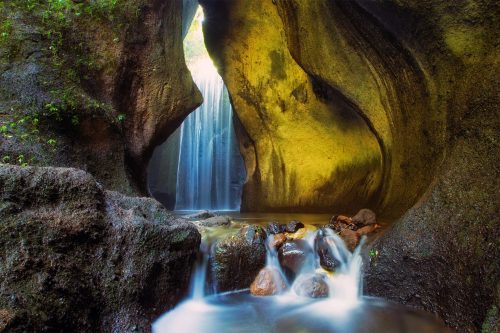
Bali, often called the Island of the Gods, is renowned for its breathtaking landscapes, vibrant culture, and deep spiritual traditions. Among the many spiritual practices that draw visitors from around the globe, Bali sacred water blessings stand out as a profoundly transformative experience. These blessings, performed at various holy springs and tirtas (sacred water temples), offer a unique opportunity to cleanse the body and soul, connect with Bali’s spiritual essence, and gain insight into the island’s rich cultural heritage.
The Spiritual Significance of Water in Bali
In Balinese Hinduism, water is more than just a vital resource; it is a sacred element that embodies purity, clarity, and life-giving energy. The practice of Bali sacred water blessings, known locally as “Melukat,” is an ancient ritual aimed at purifying the mind, body, and spirit. This ritual reflects the deep connection between the Balinese people and water, which is seen as a medium for spiritual cleansing and renewal.
The significance of water in Balinese culture is evident in the numerous holy springs and water temples scattered across the island. These sites are not only places of worship but also centers of healing and spiritual rejuvenation. Visitors to Bali often seek out these sacred spots to partake in water blessings, seeking to wash away negative energies and invite positive vibrations into their lives.
Key Sites for Bali Sacred Water Blessings
Tirta Empul
Tirta Empul, located in the village of Tampaksiring, is perhaps the most famous site for Bali sacred water blessings. This ancient temple, founded in 962 AD, is dedicated to Vishnu, the Hindu god of water. The temple’s name, which means “Holy Spring,” is derived from the natural spring that feeds its purification baths.
Visitors to Tirta Empul can partake in the Melukat ritual by entering the pools and immersing themselves under a series of spouts. Each spout represents a different aspect of purification, and participants move methodically from one spout to the next, offering prayers and seeking blessings. The experience is deeply spiritual, often leaving participants with a profound sense of peace and renewal.
Pura Ulun Danu Bratan
Pura Ulun Danu Bratan, located on the shores of Lake Bratan in the central highlands, is another iconic site for Bali sacred water blessings. This picturesque temple, dedicated to the goddess of water, Dewi Danu, is set against the stunning backdrop of the lake and surrounding mountains. The temple complex includes several shrines and a large, tranquil water garden.
The water from Lake Bratan is considered holy, and visitors can participate in purification rituals that involve bathing in the lake’s waters and receiving blessings from temple priests. The serene setting and the temple’s beautiful architecture make this a memorable and spiritually enriching experience.
Goa Gajah (Elephant Cave)
Goa Gajah, also known as the Elephant Cave, is a unique site that combines ancient archaeological significance with spiritual importance. Located near Ubud, this 9th-century sanctuary features a cave with intricate carvings, a courtyard, and several bathing pools fed by sacred springs.
The Melukat ritual at Goa Gajah involves bathing in these pools and meditating within the cave. The sacred water is believed to cleanse negative energies and promote spiritual clarity. The site’s historical and mystical atmosphere adds depth to the purification experience, making it a popular destination for those seeking spiritual insight and renewal.
Tirta Gangga
Tirta Gangga, meaning “Water of the Ganges,” is a former royal palace located in East Bali. This beautiful site features lush gardens, ornate statues, and a series of tiered fountains and bathing pools fed by a natural spring. The water here is revered for its purity and is used in various Hindu ceremonies.
Visitors to Tirta Gangga can enjoy the serene environment while participating in Bali sacred water blessings. The ritual involves bathing in the cool, clear waters and offering prayers to the deities. The combination of natural beauty and spiritual practice creates a deeply relaxing and rejuvenating experience.
Sebatu Holy Spring
Nestled in the lush greenery of central Bali, Sebatu Holy Spring is a less-visited but equally significant site for Bali sacred water blessings. This hidden gem is located near the village of Tegallalang and offers a tranquil setting for purification rituals. The spring water is believed to have healing properties, and the temple complex includes several shrines and pools for bathing.
Participating in a Melukat ritual at Sebatu Holy Spring involves a series of prayers, offerings, and immersion in the sacred waters. The peaceful surroundings and the absence of large crowds make this an ideal spot for those seeking a more intimate and personal spiritual experience.
The Melukat Ritual: A Step-by-Step Guide
The Melukat ritual is a profound spiritual practice that involves several steps, each designed to cleanse and purify different aspects of an individual’s being. While the specifics of the ritual can vary depending on the temple and the priest conducting the ceremony, the following is a general outline of the process:
- Preparation: Before the ritual begins, participants typically change into traditional Balinese attire, such as a sarong and sash. It’s essential to approach the ceremony with a respectful and open mindset.
- Offerings: The ritual starts with the preparation of offerings, known as “canang sari.” These small baskets made from palm leaves contain flowers, rice, and incense. The offerings are placed at various altars around the temple as a gesture of gratitude and devotion to the deities.
- Prayers: The priest, or “pemangku,” leads the participants in a series of prayers, invoking the blessings of the gods and asking for purification. These prayers are often chanted in ancient Sanskrit or Balinese.
- Purification: The central part of the Melukat ritual involves bathing in the sacred waters. Participants move through a series of spouts or pools, immersing themselves under each one and allowing the water to flow over their heads and bodies. As they do so, they offer silent prayers and focus on releasing negative energies and thoughts.
- Final Blessing: After completing the purification process, participants receive a final blessing from the priest. This may involve sprinkling holy water, placing rice grains on the forehead, and tying a small piece of thread around the wrist as a symbol of protection.
- Closing: The ritual concludes with a final offering and prayer, thanking the deities for their blessings and guidance. Participants often leave the temple feeling refreshed, centered, and spiritually uplifted.
The Benefits of Bali Sacred Water Blessings
Participating in Bali sacred water blessings offers numerous benefits, both spiritual and psychological. These include:
- Spiritual Cleansing – The primary purpose of the Melukat ritual is spiritual cleansing. The sacred water is believed to wash away negative energies, impurities, and past karma, allowing individuals to start anew with a clean slate. This purification process can lead to a greater sense of spiritual clarity and inner peace.
- Emotional Healing – The act of immersing oneself in sacred water and participating in ancient rituals can be profoundly therapeutic. Many participants report feeling a release of emotional burdens and a sense of deep healing. The ritual provides a safe space to process and let go of past traumas and negative emotions.
- Connection to Balinese Culture – Engaging in Bali sacred water blessings offers a unique opportunity to connect with the island’s rich cultural heritage. The rituals provide insight into Balinese Hinduism and the importance of water in the local belief system. This cultural immersion enhances one’s understanding and appreciation of Bali’s spiritual traditions.
- Stress Relief and Relaxation – The serene environments of Bali’s holy springs and water temples, combined with the meditative nature of the rituals, create a perfect setting for relaxation and stress relief. The sound of flowing water, the scent of incense, and the peaceful atmosphere contribute to a sense of calm and tranquility.
- Enhanced Mindfulness – The ritual encourages participants to be fully present and mindful throughout the process. This focus on the present moment can enhance overall mindfulness, promoting a greater awareness of one’s thoughts, feelings, and surroundings. The practice of mindfulness is known to have numerous psychological benefits, including reduced anxiety and improved mental clarity.
Tips for Participating in Bali Sacred Water Blessings
If you are planning to participate in Bali sacred water blessings, here are some tips to ensure a meaningful and respectful experience:
- Dress Modestly: Wear traditional Balinese attire, such as a sarong and sash, to show respect for the sacred nature of the ritual.
- Be Respectful: Approach the ceremony with an open heart and a respectful attitude. Follow the instructions of the temple priests and adhere to local customs.
- Bring Offerings: Prepare small offerings, such as flowers and incense, to present at the temple. These offerings are a crucial part of the ritual and symbolize your devotion and gratitude.
- Stay Hydrated: Participating in the ritual can be physically demanding, especially in Bali’s tropical climate. Drink plenty of water before and after the ceremony to stay hydrated.
- Take Your Time: Allow yourself ample time to fully immerse in the experience. Avoid rushing through the ritual; instead, savor each moment and reflect on its significance.
- Respect Photography Rules: While it’s tempting to capture the experience on camera, be mindful of the temple’s rules regarding photography. In some places, taking photos during the ritual may be considered disrespectful.
Conclusion
Bali sacred water blessings are a profound and transformative experience that offers a glimpse into the island’s deep spiritual traditions. From the iconic Tirta Empul to the serene Sebatu Holy Spring, each site provides a unique setting for purification and renewal. Participating in the Melukat ritual allows individuals to cleanse their minds, bodies, and spirits, while also connecting with Bali’s rich cultural heritage.
Whether you seek spiritual cleansing, emotional healing, or simply a moment of tranquility, Bali’s holy springs and tirtas offer a sanctuary for those in search