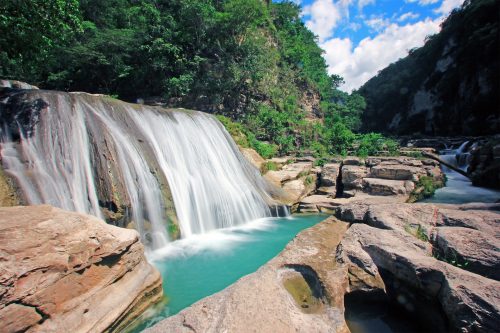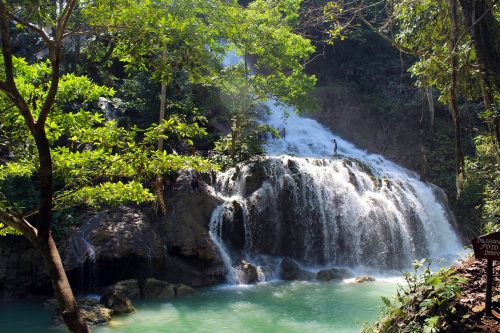
Bali, often referred to as the “Island of the Gods,” is not only renowned for its stunning landscapes and vibrant culture but also for its profound spiritual heritage. The island’s rich tapestry of traditions and beliefs offers a unique opportunity for travelers to embark on spiritual journeys that connect deeply with Bali spiritual heritage. From ancient temples to sacred rituals, Bali is a haven for those seeking enlightenment and inner peace. This guide delves into the heart of Bali’s spiritual heritage, providing insights into the practices, sites, and experiences that make this island a spiritual sanctuary.
The Essence of Bali Spiritual Heritage
Bali’s spiritual heritage is deeply rooted in Balinese Hinduism, a unique blend of Hindu, Buddhist, and animist traditions. This intricate belief system permeates every aspect of life on the island, influencing daily rituals, ceremonies, and community practices. At the core of Balinese spirituality is the concept of “Tri Hita Karana,” which emphasizes the harmony between humans, nature, and the divine. This philosophy is evident in the island’s sacred architecture, vibrant festivals, and the daily offerings made to appease the gods and spirits.
Exploring Sacred Temples
One of the most profound ways to connect with Bali spiritual heritage is by visiting its sacred temples. These temples, often situated in breathtaking locations, serve as places of worship, meditation, and community gatherings.
Pura Besakih
Pura Besakih, also known as the “Mother Temple,” is the largest and most important temple complex in Bali. Located on the slopes of Mount Agung, the island’s highest volcano, Pura Besakih is a sprawling complex of 23 separate but related temples. The temple’s location, high in the mountains and surrounded by lush greenery, adds to its spiritual significance. Visitors can participate in ceremonies or simply soak in the serene atmosphere.
Tanah Lot
Tanah Lot, perched on a rocky outcrop along the coast, is one of Bali’s most iconic temples. Known for its stunning sunset views, Tanah Lot is a pilgrimage site where locals and tourists alike come to pay their respects. The temple is dedicated to the sea gods, and its dramatic setting against the backdrop of crashing waves makes it a powerful symbol of Bali’s connection to the natural world.
Uluwatu Temple
Perched on a cliff overlooking the Indian Ocean, Uluwatu Temple is renowned for its spectacular location and cultural performances. The temple is dedicated to Sang Hyang Widhi Wasa in his manifestation as Rudra, the god of the elements and cosmic force. Visitors can witness the mesmerizing Kecak dance performance at sunset, which adds a cultural dimension to the spiritual experience.
Participating in Sacred Rituals
Bali spiritual heritage is brought to life through its many rituals and ceremonies. These events, which range from daily offerings to grand temple festivals, provide a window into the island’s deep-seated beliefs and practices.
Daily Offerings (Canang Sari)
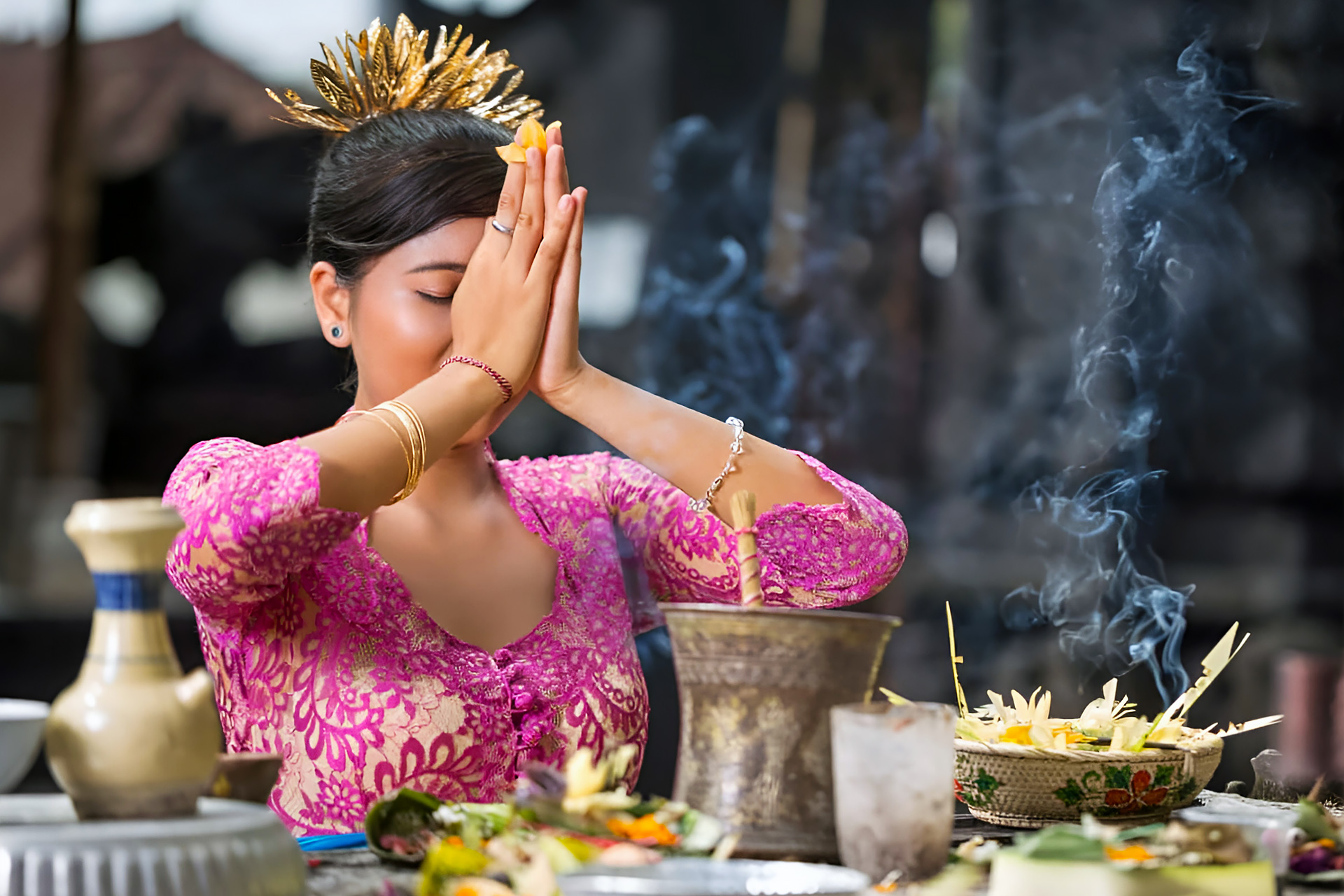
One of the most ubiquitous aspects of Balinese spirituality is the daily offering, known as Canang Sari. These small, hand-crafted offerings made from banana leaves, flowers, and rice are placed at temples, shrines, and even on the ground to honor the gods and spirits. Participating in or observing this practice can provide a deeper understanding of the Balinese way of life and their constant connection to the divine.
Melukat (Purification Rituals)
Melukat is a traditional Balinese purification ritual aimed at cleansing the body and spirit of negative energies. These rituals often take place at holy water temples such as Tirta Empul, where natural springs are believed to have sacred properties. Visitors can participate in the purification process, which involves bathing in the holy waters and making offerings to the gods.
Odalan (Temple Anniversary Celebrations)
Each Balinese temple has its own Odalan, or anniversary celebration, which takes place every 210 days according to the Balinese calendar. These vibrant festivals are marked by elaborate ceremonies, traditional music, dance performances, and communal feasting. Participating in an Odalan offers a unique opportunity to experience the communal spirit and joyous celebration of Balinese culture.
Immersive Spiritual Experiences
For those seeking a deeper spiritual connection, Bali offers various immersive experiences that allow visitors to explore their spirituality in meaningful ways.
Yoga and Meditation Retreats
Bali has become a global hub for yoga and meditation, attracting spiritual seekers from around the world. Retreat centers in Ubud, Canggu, and other parts of the island offer programs that combine yoga, meditation, and holistic wellness practices. These retreats provide a tranquil environment to relax, reflect, and rejuvenate, while also connecting with Bali spiritual energy.
Healer Consultations
Balinese healers, known as Balian, play an important role in the island’s spiritual landscape. These traditional healers use ancient methods and intuitive knowledge to diagnose and treat various physical and spiritual ailments. Visitors can seek consultations with respected Balian for a unique insight into Balinese healing practices and to experience personal spiritual guidance.
Silent Retreats
For a truly transformative experience, consider participating in a silent retreat. These retreats, which can range from a few days to several weeks, encourage participants to disconnect from the outside world and engage in deep introspection and mindfulness. Silent retreats often include meditation, yoga, and nature walks, providing a serene setting to connect with one’s inner self and the spiritual essence of Bali.
Sacred Landscapes
Bali spiritual heritage is not confined to temples and rituals; it is also deeply connected to the island’s natural landscapes. The Balinese believe that the land is imbued with spiritual energy, and certain places hold particular significance.
Mount Agung
Mount Agung is the highest and most sacred mountain in Bali. It is believed to be the abode of the gods and the center of the universe. Many Balinese people embark on pilgrimages to the summit of Mount Agung, especially during important religious festivals. Climbing this majestic volcano is not only a physical challenge but also a spiritual journey that offers breathtaking views and a profound sense of accomplishment.
Sacred Monkey Forest Sanctuary
Located in Ubud, the Sacred Monkey Forest Sanctuary is a lush jungle teeming with playful monkeys and ancient temples. This sacred site is dedicated to preserving the spiritual and cultural values of the local community. Visitors can explore the forest, observe the monkeys, and visit the temples, all while experiencing the tranquil beauty of this sacred space.
Tegalalang Rice Terraces
The Tegalalang Rice Terraces, with their stunning emerald-green landscapes, are a testament to the Balinese philosophy of Tri Hita Karana. The harmonious relationship between humans and nature is evident in the intricate irrigation system known as Subak, which has been recognized by UNESCO as a cultural heritage. A visit to the rice terraces provides a peaceful escape and a chance to appreciate the spiritual connection the Balinese have with their land.
Embracing Bali Spiritual Heritage
To fully embrace Bali’s spiritual heritage, it is important to approach the island with an open heart and a respectful attitude. Here are a few tips to enhance your spiritual journey:
- Respect Local Customs: When visiting temples and participating in ceremonies, dress modestly and follow local customs. Wear a sarong and sash, which are often provided at temple entrances, and be mindful of your behavior.
- Engage with the Community: Take the time to interact with local people and learn about their beliefs and practices. Engaging with the community can provide a deeper understanding of Balinese spirituality and enrich your experience.
- Practice Mindfulness: Whether you are exploring a temple, participating in a ritual, or simply enjoying the natural beauty of the island, practice mindfulness. Be present in the moment and open to the spiritual energy that surrounds you.
- Seek Guidance: If you are interested in participating in spiritual practices or seeking personal guidance, consider consulting with local guides, healers, or retreat centers. They can provide valuable insights and facilitate meaningful experiences.
Conclusion
Bali spiritual heritage offers a rich tapestry of experiences that invite visitors to connect with the divine, explore their inner selves, and appreciate the harmonious relationship between humans and nature. From ancient temples and sacred rituals to immersive retreats and sacred landscapes, Bali is a sanctuary for those seeking spiritual enlightenment and inner peace. By embracing the island’s spiritual essence with respect and mindfulness, you can embark on a transformative journey that will leave a lasting impact on your soul.