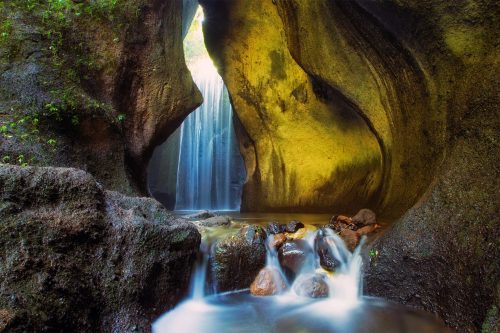
Travel guide to Pura Goa Lawah, also known as the Bat Cave Temple, one of Bali’s most significant and sacred temples. Located on the southeastern coast of the island, near the village of Pesinggahan in the Klungkung regency, this temple is revered not only for its religious importance but also for its unique natural setting. The temple is renowned for the cave that houses thousands of bats, adding a mystical aura to the site.
History and Cultural Significance
Pura Goa Lawah was founded in the 11th century by the respected sage Mpu Kuturan. The temple is considered one of the six holiest temples in Bali and is part of the island’s Sad Kahyangan, a group of six directional temples that provide spiritual balance to the island. The name “Goa Lawah” translates to “Bat Cave,” derived from the thousands of bats that inhabit the cave, believed to symbolize protection and blessing.
The temple plays a crucial role in Balinese Hindu rituals, especially in the Nyegara Gunung ceremony, which is performed to cleanse the spirits of the deceased. This ritual involves taking holy water from the ocean, believed to be the abode of the God of the Sea, and bringing it to the temple, symbolizing a journey from the earthly realm to the divine. The temple’s location, where the cave meets the sea, symbolizes the meeting point of the earthly and spiritual worlds, making it a vital pilgrimage site for the Balinese people.
Attractions and What to See
The Temple Complex
The temple complex of Pura Goa Lawah is an architectural marvel. The entrance is marked by a split gate, typical of Balinese temples, adorned with intricate carvings depicting various mythological creatures and deities. Inside, the complex features several pavilions (bale) and shrines, each dedicated to different deities. The central courtyard houses the main shrine, which is the focal point of religious activities.
The Bat Cave
The cave itself is the main attraction, with thousands of bats hanging from the ceiling, creating an eerie yet fascinating spectacle. The constant hum of bats adds to the mystical atmosphere. The cave is believed to extend all the way to Pura Besakih, another significant temple located at the foot of Mount Agung, although this connection has never been physically explored. Visitors can view the bats from a safe distance, and during ceremonies, offerings are made at the cave’s entrance to honor the spirits believed to inhabit the area.
Ocean Views and Coastal Beauty
Pura Goa Lawah is located near the coastline, offering stunning views of the ocean. The temple’s position allows visitors to enjoy the scenic beauty of the sea and the sound of waves crashing against the shore. This coastal setting is particularly beautiful at sunset, creating a serene and picturesque environment.
Ceremonies and Rituals
Witnessing a ceremony at Pura Goa Lawah is a truly immersive cultural experience. The temple is a popular site for the Nyegara Gunung ceremony, where offerings are made to the sea gods. During these ceremonies, the temple comes alive with vibrant colors, traditional music, and the fragrant smell of incense. Visitors are welcome to observe these rituals, although it is important to dress modestly and respectfully.
Location and Accessibility
Pura Goa Lawah is situated on the main road between Denpasar and Candidasa, making it easily accessible from various parts of Bali. The temple is approximately 50 kilometers from Kuta, a popular tourist hub, and around 35 kilometers from Ubud, known for its cultural and spiritual attractions. The drive from Kuta to Pura Goa Lawah takes about 1.5 hours, while from Ubud, it takes around an hour, depending on traffic conditions.
For those traveling from Kuta, the journey offers several captivating stopovers, including the coastal town of Sanur, known for its relaxed vibe and beautiful beaches. Visitors can also stop at the Bali Safari and Marine Park, an exciting attraction for families and wildlife enthusiasts. Another notable stop is the Taman Ujung Water Palace, an architectural gem offering stunning views of the surrounding landscapes.
From Ubud, travelers can enjoy a scenic drive through lush rice terraces and traditional Balinese villages. A popular stopover along this route is the village of Klungkung, where visitors can explore the Kerta Gosa, an ancient court of justice with beautifully painted ceilings depicting scenes from Balinese mythology.
Nearby Attractions
Candidasa
Located just a short drive from Pura Goa Lawah, Candidasa is a charming coastal town known for its tranquil beaches and excellent snorkeling spots. The town offers a more laid-back atmosphere compared to the bustling tourist areas, making it an ideal place to relax and enjoy the natural beauty of Bali’s eastern coast.
Tirta Gangga Water Palace
Another must-visit attraction near Pura Goa Lawah is the Tirta Gangga Water Palace, an exquisite royal palace with a stunning water garden. The palace features tiered fountains, ponds filled with lotus flowers, and lush greenery. Visitors can explore the beautifully landscaped gardens, take a dip in the spring-fed pools, or enjoy a meal at the nearby Tirta Ayu restaurant … EXPLORE MORE
Pura Besakih
Known as the Mother Temple of Bali, Pura Besakih is the largest and most important temple complex on the island. Located on the slopes of Mount Agung, it offers breathtaking views and a deep spiritual experience. While it’s a bit farther from Pura Goa Lawah, the journey is well worth it for those interested in Bali’s spiritual heritage.
Blue Lagoon Beach
A hidden gem near the town of Padangbai, Blue Lagoon Beach is a small bay with clear turquoise waters and excellent snorkeling conditions. The beach is a great place to relax, swim, and explore the vibrant marine life. It’s a perfect stop for those looking to enjoy some beach time after visiting Pura Goa Lawah.
Visitor Tips and Etiquette
- Dress Modestly: As Pura Goa Lawah is a sacred site, visitors are required to wear a sarong and sash, which can be rented at the temple entrance. It’s important to dress modestly, covering shoulders and knees.
- Respect Ceremonies: Visitors are welcome to observe the temple ceremonies, but it’s essential to do so respectfully. Avoid interrupting or getting too close to the participants, and refrain from taking photos without permission.
- Be Mindful of the Bats: While the bats are a fascinating part of the temple’s allure, it’s important to keep a respectful distance and not disturb them. Flash photography is discouraged as it can disturb the bats.
- Plan Your Visit: The temple can get crowded, especially during major ceremonies. It’s best to visit early in the morning or late in the afternoon to avoid the crowds and enjoy a more peaceful experience.
- Local Guides: Hiring a local guide can enhance your visit, as they can provide valuable insights into the temple’s history and cultural significance.
Travel Guide to Pura Goa Lawah
Should you find our Travel Guide to Pura Goa Lawah a helpful resource, it is time for you to plan your trip to the east. Pura Goa Lawah offers visitors a unique blend of cultural, spiritual, and natural experiences. The temple’s rich history, religious significance, and stunning coastal location make it a must-visit destination for anyone exploring Bali. Whether you’re interested in the spiritual aspects, the natural beauty, or simply the unique spectacle of the bat cave, Pura Goa Lawah provides a memorable experience.
Combine your visit with nearby attractions for a comprehensive exploration of Bali’s eastern region.