The first glimpse of the Tegallalang Rice Terraces feels like stepping into a living painting—an endless expanse of emerald-green steps carved gracefully into the hills of Bali. Sunlight glistens on the rippling water that nourishes the fields, while tall coconut palms sway in the gentle breeze, completing a scene so breathtaking that it often stops travelers in their tracks.
For many visitors, this picture-perfect view is their defining memory of Ubud, and it’s no wonder that the terraces have become one of the must-visit Ubud attractions, appearing on countless postcards, travel blogs, and Instagram feeds. Yet Tegallalang is far more than a pretty panorama. Beyond the usual stop-and-snap experience lies a deeper story—one woven into Bali’s ancient farming traditions, the rhythms of daily life in the Ubud rice fields, and the quiet generosity of the farmers who continue to nurture the land as their ancestors did.
This article invites you to go beyond the postcard and step into the terraces themselves: to walk the winding pathways, witness rice cultivation the traditional way, discover hidden corners, and feel the warmth of genuine Balinese hospitality that makes Tegallalang not just a sight, but a living, breathing experience.
The Iconic View: Why Tegallalang Captures Every Traveler’s Heart
Standing at the edge of the Tegallalang Rice Terraces, it’s hard not to feel a sense of wonder. Layer upon layer of emerald-green steps cascade down the valley, each terrace reflecting the sky like fragments of glass as water trickles through the intricate irrigation channels. Towering palm trees sway rhythmically against the backdrop of Bali’s golden sunlight, while the horizon shimmers with a quiet, timeless beauty. It is this very composition of nature and human artistry that makes the Ubud rice fields view at Tegallalang one of the most photographed in the world.
But beyond its undeniable beauty lies its role as a cultural emblem. Tegallalang is not only a masterpiece of sustainable farming, sustained by the centuries-old Subak irrigation system, but also a visual icon that has shaped how the world perceives Ubud. Its image appears in magazines, travel posters, and countless social media feeds, becoming a symbol of Bali’s serene charm and artistic spirit.
For travelers, this spot embodies the essence of what makes Bali tourist attractions so unforgettable: a seamless blend of natural landscapes, living culture, and a sense of being transported into a dream. To see Tegallalang in person is to understand why it captures hearts so effortlessly—it is both a postcard-perfect scene and a soul-stirring moment of connection with Bali itself.
Walking the Pathways: A Journey into the Rice Fields
Standing at the edge of Tegallalang Rice Terraces, the view is undeniably mesmerizing—but the real magic begins once you step down into the fields themselves. The moment you leave the viewing platform and descend the earthen steps, you trade postcard-perfect scenery for a deeply personal journey. The narrow pathways, sometimes just wide enough for a single step, wind between emerald walls of rice. Your sandals collect specks of mud, and the scent of wet earth mingles with the gentle rustle of palm leaves swaying above.
This Tegallalang rice field walk offers a shift in perspective—from gazing at a sweeping landscape to experiencing the details up close. You’ll notice the careful irrigation channels, hear the soft splash of water trickling through the subak system, and perhaps pass a farmer bent over in timeless rhythm. With every step, the terraces feel less like a backdrop and more like a living, breathing world.
To begin your rice terrace trekking in Bali, the most popular entry is near the main roadside viewpoint, where steps lead directly down into the terraces. From here, you can choose a short loop that brings you back within 30 minutes, or continue along longer trails that snake deeper into the valley. Another worthwhile route begins near the café-lined ridge on the northern end, offering quieter pathways and shaded corners.
As you wander, you’ll find small warungs tucked along the paths, where locals serve fresh young coconuts and simple snacks. Many trekkers pause here, sipping coconut water straight from the shell while looking out over the rippling green fields. A few cafés on the higher ridges also make perfect rest stops, serving Balinese coffee with panoramic views—ideal for catching your breath before continuing deeper.
Whichever path you take, go early in the morning or later in the afternoon when the sun is gentler and the crowds thinner. Wear sturdy shoes with good grip, and keep small change handy, as farmers sometimes ask for a modest donation to help maintain the trails.
Whether you wander for fifteen minutes or linger for hours, this intimate immersion into the Ubud rice fields will leave an impression far deeper than any photograph.
Quick Tips for Walking the Tegallalang Rice Terraces
- Where to Start
- Main entry near the roadside viewpoint (most popular, easy loops).
- Northern ridge near cafés (quieter paths, shaded spots).
- Best Time to Go
- Early morning: cool, peaceful, fewer crowds.
- Late afternoon: softer light, beautiful for photos.
- What to Bring
- Comfortable shoes with grip (paths can be muddy).
- Hat, sunscreen, and water.
- Small change for trail donations or coconuts along the way.
- Don’t Miss
- Pausing at a ridge café for Balinese coffee with a view.
- Refreshing with a fresh young coconut from a local warung.
- Stopping to notice the irrigation channels of the subak system in action.
Meeting the Farmers: Bali’s Genuine Hospitality
One of the most enriching parts of a Tegallalang rice field walk is not just the landscape, but the people who bring it to life. As you wander along the narrow ridges, you’ll often encounter farmers balancing baskets of seedlings, or carefully guiding the flow of water through bamboo channels. A simple smile and a greeting of “Om Swastiastu” often sparks a warm exchange, showing the depth of Balinese hospitality that makes every visitor feel welcome.
Many travelers who take the time to stop and meet local farmers in Bali find themselves rewarded with more than just a quick chat. Some farmers enjoy explaining how the subak irrigation system works, or sharing why planting and harvesting cycles are tied closely to temple rituals. These conversations transform a Tegallalang culture visit into something far deeper than sightseeing—it becomes a window into centuries of tradition and a way of life still preserved today.
If you’re curious, don’t hesitate to ask polite questions or watch respectfully as they work. Most farmers appreciate genuine interest and may even offer you the chance to try planting a stalk or two. It’s in these small, unplanned interactions that the rice terraces reveal their truest gift: human connection.
Insider’s Tip: Always ask permission before photographing farmers, especially during prayer or work. A small donation or buying a coconut water from a roadside stall is a thoughtful way to show appreciation. Even a simple “thank you” in Bahasa Indonesia—“Terima kasih”—goes a long way in honoring Balinese hospitality.
Rice Cultivation in Balinese Tradition
To understand Tegallalang’s breathtaking terraces, it’s essential to see them not just as a scenic backdrop but as the heart of Balinese rice cultivation. At the core lies the Subak system, a traditional irrigation method recognized by UNESCO as a cultural heritage of humanity. More than just engineering, the Subak reflects the Balinese philosophy of Tri Hita Karana—the harmony between people, nature, and the spiritual world. Farmers coordinate water distribution through a network of canals and bamboo pipes, guided by temple priests who ensure fairness for every household.
Rice here is far more than food; it is sacred. Each step of the growing cycle—planting, maintaining, and harvesting—is accompanied by rituals and ceremonies. Before the seedlings are planted, offerings are made to Dewi Sri, the goddess of rice and fertility, asking for abundance and protection. At harvest, small shrines are decorated with palm leaf ornaments and fresh flowers, symbolizing gratitude for the life-giving grain. These practices are deeply woven into Tegallalang rice tradition, where every terrace doubles as a temple of sorts, honoring the balance between humans and the divine.
For the Balinese, rice sustains not only the body but also the soul. It is served at every meal, used in daily offerings, and celebrated during temple festivals. This profound respect for rice explains why the terraces are preserved with such devotion—they are not only farmlands but living cultural heritage.
Insider’s Tip: When exploring the rice fields, pause at the small shrines tucked among the paddies. If you see offerings made of flowers, incense, and rice grains, admire them respectfully without touching. This small gesture shows understanding of the sacred role rice holds in Balinese daily life.
Spiritual and Cultural Life Around the Terraces
The rice terraces of Tegallalang are not only a testament to human ingenuity but also to the deep spiritual connection Balinese people share with their land. Walking through the fields, you will notice small shrines and temples tucked among the paddies, often adorned with offerings of flowers, rice, and incense. These are dedicated to Dewi Sri, the goddess of rice and fertility, whose blessings are sought for every stage of cultivation. The presence of these shrines highlights how farming here is inseparable from faith and tradition.
Throughout the year, Tegallalang comes alive with festivals and rituals that mark important moments in the agricultural cycle. Ceremonies during planting season are held to invoke prosperity, while harvest rituals are filled with gratitude for the bounty received. One example is the Ngusaba Nini ceremony, where farmers present beautifully decorated sheaves of rice—sometimes fashioned to resemble Dewi Sri herself—as a gesture of thanksgiving for a successful harvest. During these times, the terraces transform into vibrant cultural stages, where farmers and families gather in prayer and celebration, reinforcing their bond with the land and with one another.
This spiritual rhythm makes the rice fields more than scenic landscapes—they are living cultural heritage. For travelers, witnessing such ceremonies or simply observing the daily offerings enriches the visit with a deeper layer of meaning. In Tegallalang, farming, art, and devotion are seamlessly woven together, offering an unforgettable glimpse into Balinese temple rituals, community life, and festivals tied to the land.
New Perspectives: Hidden Corners of Tegallalang
For many travelers, the first encounter with Tegallalang is often at the busy roadside viewpoints where lines of visitors gather to capture the perfect shot. While these spots are undeniably scenic, they only reveal part of the story. To truly experience the hidden Tegallalang rice terraces, step away from the main strip and venture onto the side trails that weave through the paddies. These quieter paths lead you closer to the farmers at work, the gentle sound of flowing irrigation water, and shaded corners where the rhythm of rural life unfolds undisturbed.
Some of the most rewarding Ubud rice fields viewpoints are tucked behind small warungs and family-run cafés. Instead of rushing past, linger over a cup of Bali coffee or fresh coconut while gazing at the terraced landscape stretching below. A few spots to consider include Layana Café, a peaceful perch with open-air seating overlooking the emerald fields, and Terrace Padi, a simple but welcoming stop where the view is as authentic as the hospitality. For an even quieter alternative, seek out Warung Pakudui, a family-run eatery that locals favor—modest in setting but offering a genuine slice of Balinese village life with uninterrupted terrace views.
For those seeking a larger venue with photo-worthy installations, Alas Harum is nearby—though it is more of a destination attraction in itself and best enjoyed when you want a blend of scenery and activity.
Look closely as you wander and you’ll notice the intricate waterways running through the terraces. These belong to subak, Bali’s centuries-old irrigation system recognized by UNESCO as a cultural heritage. More than just engineering, subak reflects a philosophy of balance—between farmers, community, and nature. Following these water channels often leads to more peaceful corners of Tegallalang, where you can truly appreciate how deeply woven rice farming is into daily Balinese life.
Timing also makes a difference—arriving early in the morning or later in the afternoon often means softer light, cooler air, and far fewer visitors. Even within the popular area, a short walk deeper into the terraces quickly reveals secluded vantage points where you can pause without the bustle of tour groups.
Exploring beyond the obvious viewpoints turns Tegallalang into more than a photo stop; it becomes a chance to connect with the spirit of Bali’s countryside. By lingering longer, you’ll leave with memories not just of a beautiful landscape, but of a quieter, more personal encounter with Ubud’s iconic rice fields.
How to Visit Tegallalang Rice Terraces
Reaching the Tegallalang rice terraces from Ubud is straightforward. A 20-minute drive north of Ubud town takes you directly to the main roadside viewpoint, where most tours stop. If you prefer flexibility, hiring a scooter or booking a private driver lets you explore not only the terraces but also the smaller villages and hidden cafés nearby. For those who enjoy a local touch, ojek (motorbike taxis) can also take you straight into the heart of the fields.
Once at the terraces, you’ll find marked trails that descend into the paddies, allowing you to wander deeper between the walls of green. Small donation posts are dotted along the paths, where farmers request contributions (usually IDR 10,000–20,000) to help maintain the fields—consider it part of supporting the community that makes these landscapes possible.
If you’d like a more immersive experience, local farmers often offer guided walks, explaining not only the rhythm of rice cultivation but also the subak system that sustains it. This ancient irrigation network, still in use today, channels water from sacred springs through a cooperative system overseen by local temples—showing how farming, spirituality, and community are inseparable in Bali.
For timing, early mornings (before 9 AM) or late afternoons (after 3 PM) are ideal, with softer light and cooler air making the terraces even more photogenic. Midday tends to be busiest, especially around the main roadside viewpoints, so if you prefer a quieter visit, venture deeper into the trails or pause at one of the smaller warungs tucked along the edges.
Whether you go independently, join a tour, or simply linger at a café with a view, visiting Tegallalang is best done slowly. Take time to look beyond the obvious photo angles—notice the water trickling through the channels, the farmers working barefoot in the mud, and the rhythm of daily life continuing much as it has for centuries.
Transport Options from Ubud to Tegallalang
- 🚗 Private driver – Comfortable and flexible, ideal if combining with other Ubud highlights.
- 🛵 Scooter rental – The cheapest and most flexible option for confident riders.
- 🛺 Ojek (motorbike taxi) – Quick and affordable, available via apps like Gojek or Grab.
- 🚌 Organized tours – Many Ubud day tours include a stop at Tegallalang, often paired with coffee plantations or temples.
The Adventure Side: Swings, Ziplines, and Coconut Stops
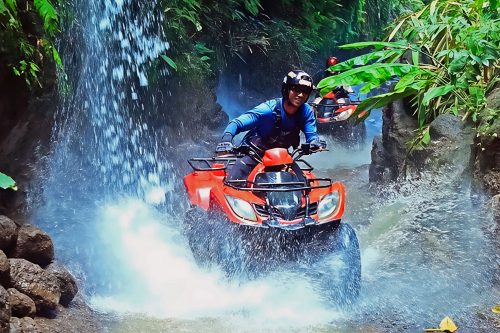
For many visitors, Tegallalang isn’t only about serene rice views—it’s also about a touch of thrill. The Tegallalang swing has become an Instagram sensation, giving travelers the chance to soar high above the rice terraces with dramatic jungle backdrops. Several swings of different heights are scattered around, and some spots even include ziplines that let you glide across the valley for a bird’s-eye perspective of the fields. While undeniably touristy, these experiences offer fun ways to inject adventure into your Bali rice terrace experience.
But for those who prefer something more authentic, balance the adrenaline with simpler pleasures. Scattered along the trails and edges of the terraces are small coconut stalls where locals will cut open a fresh coconut for you on the spot. Sipping it while resting in the shade is a reminder of the slower rhythms of rural Bali. You’ll also find local warungs—humble eateries serving nasi campur or fried banana with hot tea—that invite you to pause, savor, and watch farmers tend the land.
In this way, Tegallalang becomes more than a quick photo stop. Whether you’re chasing heights on a swing, zipping across the valley, or lingering with a coconut in hand, adventure here can be both exhilarating and grounding—two sides of the same unforgettable adventure in Ubud.
Recommended Tegallalang Swing Spots
- Aloha Ubud Swing – One of the largest and most famous swing parks, offering multiple swings, tandem swings, and photo spots with sweeping views of the rice fields. Ideal for those who want variety and professional photography services.
- Tegallalang Main Swing – Located near the heart of the rice terraces, this swing offers iconic valley views and is often included in day tours. Great for first-timers who want the “classic” Tegallalang swing experience.
- Uma Pakel Swing – A smaller, family-run swing that feels less commercialized. It comes with a tasting session of Bali coffee and tea, making it a more rounded cultural stop.
- Bali Swing (near Ubud) – While technically just outside Tegallalang, this pioneer swing park offers some of the highest and most dramatic swings in Bali. Perfect for thrill-seekers who want a more intense ride.
Waterfalls and Nature Escapes Around Tegallalang
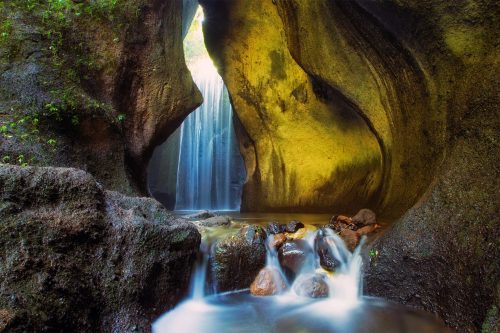
Beyond the emerald rice fields, Tegallalang offers a gateway to some of Bali’s most enchanting natural hideaways. Travelers seeking a refreshing break from the sun-drenched terraces can venture into the surrounding jungles, where hidden waterfalls in Ubud create secluded havens. A short drive away lies Tukad Cepung Waterfall, famous for its magical shafts of sunlight that pierce through a canyon-like opening, creating a mystical atmosphere. Closer still, Kanto Lampo Waterfall offers a more accessible option, with cascading water spilling dramatically over natural rock terraces—perfect for cooling off after a morning trek.
For those who crave a quieter escape, smaller falls like Tibumana or the lesser-known Tegenungan’s back trails provide a peaceful setting away from larger crowds. These stops make excellent companions to a Tegallalang nature tour, allowing visitors to pair sweeping rice terrace views with the soothing sounds of rushing water.
Combining terrace exploration with waterfall visits creates the ultimate Bali jungle escape—a journey where adventure, relaxation, and natural beauty merge seamlessly. Whether you’re after photo-worthy moments or simply the chance to wade in refreshing pools, these nearby waterfalls offer the perfect contrast to the structured elegance of the terraces, rounding out a truly immersive experience.
Serene Waterfalls Near Tegallalang
If the idea of a Bali jungle escape calls to you, Tegallalang is just the beginning. Beyond the rice terraces, you’ll find cascades tucked deep into the forest, each with its own charm. For a deeper dive into where to go and how to plan your visits, don’t miss our guide on our complete guide to Ubud’s secret waterfalls, which highlights the most enchanting spots and how to reach them.
- Tukad Cepung – A hidden waterfall where sunlight filters gently through a cave-like canyon, creating a dreamlike glow.
- Kanto Lampo – Cascading over natural rocks, this waterfall invites you to sit, breathe, and let the jungle sounds wash over you.
- Tibumana – A graceful single-drop fall tucked in lush greenery, offering a tranquil spot for quiet reflection.
- Tegenungan (Secret Paths) – Popular yet rewarding if you wander the quieter back trails, where the forest feels untouched.
Pair your rice terrace journey with one of these hidden waterfalls in Ubud for a true Bali jungle escape. Bring swimwear, slow down, and let nature set the rhythm of your day.
Tegallalang Rice Terraces: Beyond a Photo Stop
The Tegallalang Rice Terraces are often celebrated as one of Bali’s most photographed landscapes — a place where travelers capture endless layers of emerald-green beauty. But to see them only through the lens of a camera would be to miss their deeper meaning. Tegallalang is not just a backdrop; it is a living, working agricultural system that reflects centuries of Balinese wisdom and devotion. The terraces are shaped not only by hand and water, but also by the subak philosophy that ties community, nature, and spirituality together.
This dual identity — as a world-famous destination and a living cultural landscape — is what makes Tegallalang truly remarkable. Yes, it is undeniably one of the Tegallalang Rice Terraces must visit sites in Bali, but its real beauty lies in slowing down and experiencing it as more than a photo stop. Wander thoughtfully, notice the rhythm of farmers at work, or simply sit and let the sound of the flowing irrigation soothe you.
For those looking to connect even deeper with Bali’s spirit, pairing your visit with nearby sacred sites such as Pura Taman Saraswati Ubud offers a chance to understand how artistry, agriculture, and spirituality weave seamlessly into daily life.
Tegallalang is not just something to see — it is something to feel, a reminder that the most memorable journeys are not only captured in pictures but lived in presence.