Step beyond Bali’s well-trodden paths — away from Seminyak’s nightlife and Ubud’s yoga mats — and you’ll find yourself entering another world. The road coils upward into cool mountain air, and soon, the island’s tropical beaches give way to misty forests, rolling hills, and valleys stitched with clove trees and coffee plantations. This is Munduk highland village in Bali, often described as the “balcony of Bali,” a place where the island opens its heart in shades of green and whispers of timeless charm.
Where Bali’s Heart Beats Green
Unlike Bali’s busier corners, Munduk village invites travelers to pause, breathe, and truly listen. Here, the rhythm of daily life is set not by traffic or tour schedules but by the rustle of bamboo in the wind, the gentle trickle of mountain springs, and the laughter of children running along terraced paths. The pace is slower, but that is precisely its magic — the kind of slowness that feels like a luxury in itself.
For those seeking hidden Bali, Munduk is more than a destination; it is a revelation. Its highland setting, perched above the lush caldera lakes of Bedugul, makes it feel like a secret lookout point — a place to see not just the island’s landscapes but also another side of Bali’s soul. The cool climate brings a refreshing contrast to the coastal heat, while the sweeping views stretch far beyond the horizon, making every sunrise and sunset an experience to remember.
This is not the Bali of beach clubs or crowded markets. It is the Bali of winding jungle trails, waterfalls tucked deep in the forest, and small warungs serving steaming bowls of soup as mist curls over the rooftops. To step into Munduk is to rediscover the island’s essence — tranquil, verdant, and profoundly alive. For many, it feels less like visiting a village and more like stepping back into a Bali that time has quietly preserved.
The Spirit of Munduk: A Highland Village Untouched by Time
The first breath of Munduk greets you differently. It is cooler, crisper, touched with a faint sweetness carried by damp earth and dew-soaked leaves. In the early morning, a veil of mist clings to the terraced hillsides, softening every edge into dreamlike silhouettes. Roosters call from hidden courtyards, and the sound of water rushing through streams harmonizes with the rustle of bamboo groves swaying in the mountain breeze. This is the atmosphere of the Bali highlands — an invitation to slow down, listen, and let the pace of village life set its own gentle rhythm.
Munduk highland village seems to have preserved something the rest of the island has long since traded away: time itself. Here, traditional farming remains the heartbeat of daily life. Families tend to coffee trees passed down for generations, cloves and cocoa dry in the sun along the roadside, and rice still carpets the slopes in terraces that curve naturally with the land. It is not a show staged for visitors — it is simply life continuing as it has for centuries. When you walk along the narrow lanes, children wave and call greetings, while elders smile with that quiet warmth found only in villages where community is woven deeply into every gesture.
Compared to its better-known highland neighbor, Bedugul, Munduk feels more secretive, more intimate. Bedugul thrives as a weekend retreat for local families, buzzing with market stalls and domestic tourism. Munduk, by contrast, attracts travelers seeking something quieter and more mindful — those who prefer to wander through forest trails rather than shopping arcades, or to sip village-grown coffee while watching clouds drift across the valley instead of ticking off busy sightseeing itineraries. It is Bali’s balcony in the truest sense, a place where you can lean into the view and feel suspended between earth and sky.
In this highland village, the spirit is not just seen but absorbed: in the cool touch of the mountain air on your skin, in the rhythm of traditional life unfolding around you, and in the calm clarity that comes only when the world seems to pause. And as you follow the paths that weave beyond the village, that same spirit leads you deeper — to cascading waterfalls, hidden valleys, and landscapes that reveal why Munduk is known as the green heart of Bali’s timeless charm.
Nature’s Masterpiece: Waterfalls, Forests & Views
The true beauty of Munduk reveals itself once you step off the village lanes and follow the narrow paths that disappear into the jungle. The air grows cooler, the canopy closes overhead, and the soundscape shifts to something almost orchestral — cicadas buzzing in unison, bamboo creaking in the breeze, and, always in the distance, the unmistakable roar of falling water. Hiking in Munduk is not just about reaching a destination; it is about surrendering to the journey, where every step deeper into the forest feels like peeling back another layer of hidden Bali.
The Magic of Munduk Waterfalls
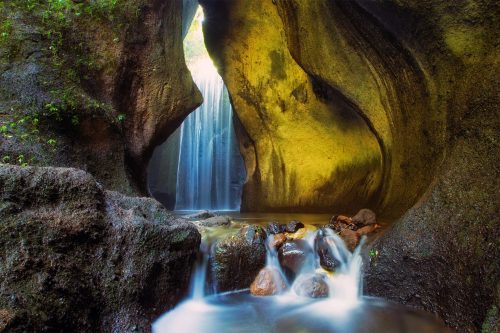
Waterfalls are the crown jewels of Munduk, and exploring them is among the most unforgettable things to do in Munduk. Each cascade has its own character, its own story told through the sound of water striking stone.
- Red Coral Waterfall (Munduk Waterfall): Perhaps the most iconic of all, this waterfall tumbles in a silver ribbon down a mossy cliff surrounded by thick jungle. The approach itself is enchanting, with trails lined by coffee and clove trees, their fragrance mixing with the damp forest air. Standing at its base, the spray cools your skin, and the sheer power of the water reminds you that this is nature in its purest form.
- Melanting Waterfall: A little more secluded and requiring a longer trek, Melanting feels like a reward for those who venture further. Taller and more dramatic, it plunges into a deep pool, with the dense green walls of the valley rising like guardians around it. Few crowds reach this point, so the stillness here is profound, broken only by the rhythm of water and the occasional birdcall echoing through the gorge.
- Golden Valley Waterfall: Tucked away behind a rustic warung serving hot ginger tea and local dishes, Golden Valley feels like stumbling upon a secret. The trail winds through organic gardens and bamboo groves before the view suddenly opens to reveal the waterfall, framed like a painting. It is less about grandeur and more about atmosphere — a hidden sanctuary where time seems to linger a little longer.
Together, these Munduk waterfalls form a trilogy of natural wonders that encapsulate the spirit of the highlands: powerful, tranquil, and profoundly restorative.
Views Across the Green Heart of Bali
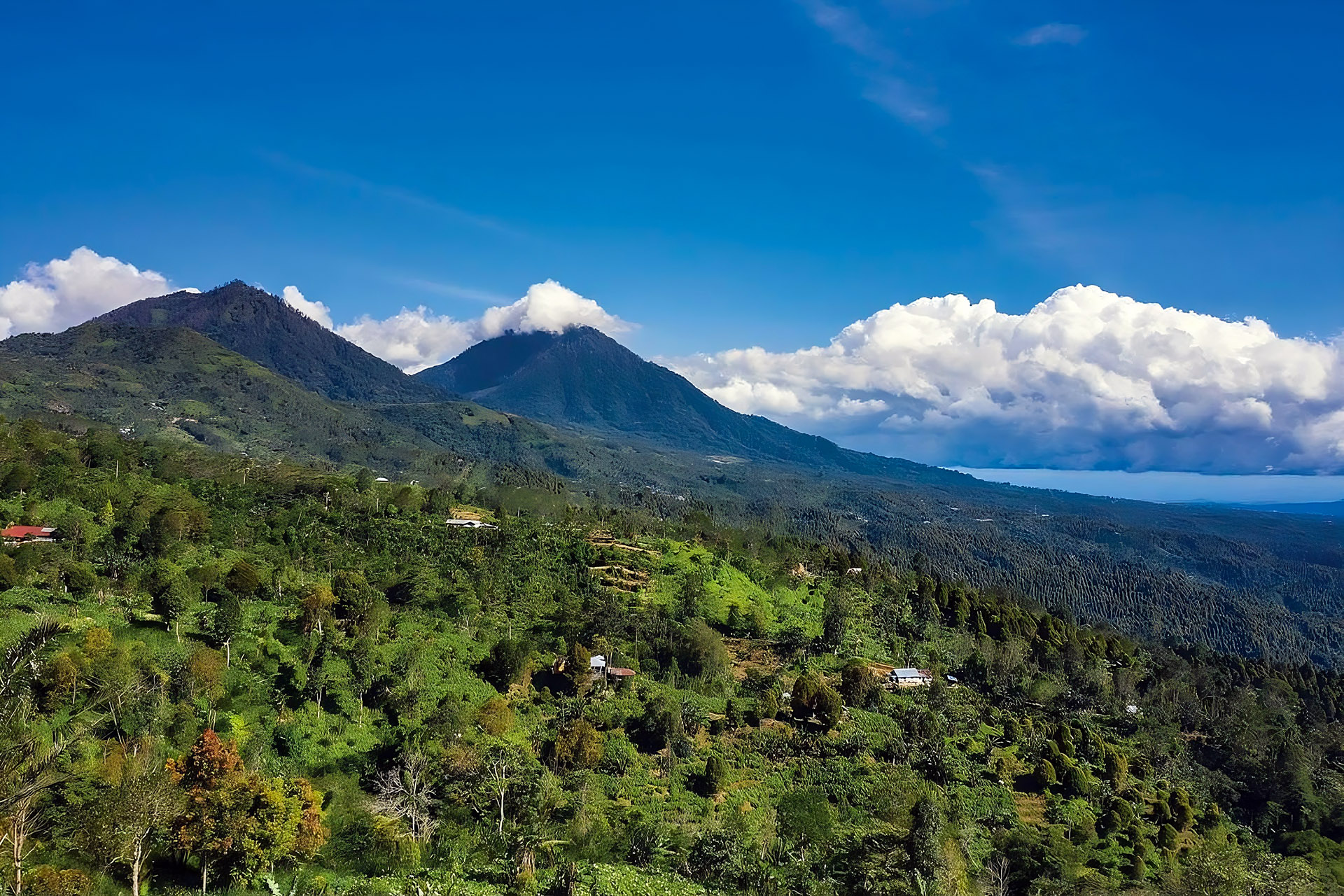
While the waterfalls draw you downward into the valleys, Munduk’s ridges offer views that lift you skyward. On clear mornings, the twin lakes of Tamblingan and Buyan shimmer below, their surfaces reflecting the drifting clouds. The lakes are cradled by forested hills, often wrapped in mist that makes the landscape appear ethereal. For those who rise early, the sunrise paints the ridges in shades of gold and soft pink, while the valleys remain veiled in shadow — a contrast so striking it feels like witnessing a secret ritual of the land.
Terraced rice fields cascade along the slopes, each level catching the light differently as the day progresses. From certain viewpoints, you can see the layers of Bali’s geography unfold at once: rice terraces in the foreground, deep valleys thick with jungle, and the distant peaks of volcanic mountains on the horizon. Few places on the island offer such a sweeping panorama that captures Bali’s essence in a single gaze.
A Sanctuary for Wildlife and Quiet Encounters
Munduk is not only about landscapes but also about life that thrives within them. Birdwatchers will find the highlands especially rewarding, with species such as the Java kingfisher, scarlet minivet, and drongos darting between branches. The forests shelter countless butterflies, their colors flashing briefly in the filtered light, and if you move quietly, you might notice monkeys observing from the treetops.
Even the smaller details add to the experience: the delicate scent of wild ginger blooming by the trail, the sight of dragonflies skimming the surface of streams, or the simple pleasure of hearing nothing but the natural world. It is in these moments of stillness that you begin to understand why Munduk highland village is often described as the hidden Bali — a place where the island’s soul has not been overshadowed by development or haste.
The Journey Within the Journey
Exploring Munduk’s natural wonders is less about checking sights off a list and more about absorbing the rhythm of the land. Each waterfall invites you to pause, each forest path encourages you to listen, and each viewpoint stretches your sense of wonder just a little further. Here, in the heart of the highlands, nature does not rush — and neither should you.
In Munduk village, every trail is a journey both outward and inward. It is where the island shows its most authentic face: green, untamed, and timeless. And when you leave, you carry with you not just photographs of waterfalls and views, but the memory of having walked through a living masterpiece — a reminder of Bali’s quieter beauty that remains hidden to those who never venture beyond the familiar.
A Journey on Foot: Trekking Through the Highlands
The best way to truly embrace the soul of Munduk highland village is not from behind a car window but on foot, following the age-old paths that wind through its hills. Trekking here is more than exercise; it is an immersion into landscapes where nature and culture entwine. The rhythm of your footsteps syncs with the cicadas’ hum, the gentle rustling of coffee leaves, and the distant murmur of streams. Each trail feels like an invitation — to slow down, to listen, and to let the Bali nature trails lead you into a quieter, more timeless side of the island.
A classic Munduk trekking route begins among coffee, clove, and cacao plantations. The scent of spices lingers in the cool air as you walk past farmers tending their crops, their woven baskets filled with freshly picked harvests. These trails are living corridors of tradition, where agriculture has shaped both land and lifestyle for generations. Following them downhill, the sound of rushing water grows louder, guiding you naturally toward the region’s famous Munduk waterfalls, each hidden in lush folds of jungle.
For those craving a wider canvas, there are Munduk adventure trails that climb toward the ridges overlooking the Twin Lakes of Tamblingan and Buyan. From these vantage points, the view unfurls in layers — the shimmering waters below, forests stretching endlessly, and mountains rising like guardians of the highlands. Trekking here feels like walking inside a painting, where every turn reveals a new perspective of Bali’s green heart.
Guided eco-tours add depth to the journey. Local guides share stories of medicinal plants, point out tropical birds, and explain the rituals woven into the village’s daily life. Their knowledge transforms the trail into more than a walk — it becomes a lesson in ecology and culture. For the adventurous, night treks offer an entirely different rhythm, where fireflies dance above the path, and the forest sings in nocturnal symphony.
Some of the most memorable Bali nature trails here follow defined circuits:
- Waterfall Loop – A half-day trek that connects Red Coral, Labuhan Kebo, and Melanting waterfalls. The trail meanders through plantations and villages, blending refreshing cascades with glimpses of rural life.
- Twin Lakes Circuit – A full-day hike tracing the forest ridges of Lake Buyan and Lake Tamblingan. Many tours include a canoe crossing of Tamblingan, gliding across its still waters surrounded by ancient jungle.
- Coffee & Village Walk – A gentler route through spice plantations and small hamlets, ideal for travelers who prefer cultural immersion to steep climbs. Local families often invite visitors in for a cup of freshly brewed Munduk coffee.
Whether you seek a short stroll to a nearby cascade or a full-day expedition weaving through forests, lakes, and ridges, trekking in Munduk slows you down in the best possible way. These Munduk adventure routes remind you that exploration doesn’t always mean rushing; sometimes, it is found in the quiet, steady pace of your own steps, carrying you deeper into the island’s untouched heart.
Coffee, Cocoa, and Cloves: Tastes of Munduk
Long before Munduk became known for its cool mountain air and sweeping views, it was a thriving hub of Dutch colonial plantations. The fertile volcanic soil and misty highland climate made this corner of Bali an agricultural paradise, where coffee, cocoa, and spices flourished. Walking through the village today still carries whispers of that heritage — with century-old trees, traditional drying racks, and families tending their small plots with quiet pride.
Imagine wandering through rows of clove trees, their fragrant blossoms carried on the breeze, or passing through shaded groves where cacao pods dangle like lanterns in deep reds and yellows. The scent changes as you go — earthy, sweet, sometimes sharp with vanilla and nutmeg. It is a journey not just of sight but of smell and taste, an immersion into what locals fondly call the hidden flavors of Bali.
One traveler described her visit to a family-run farm as a memory that lingered long after leaving the highlands. At dawn, she joined the farmer on his porch, where the valley below was still wrapped in mist. He poured her a steaming cup of freshly brewed Munduk coffee, roasted just the day before. The aroma was bold, tinged with a subtle fruitiness, as if the surrounding mountains had seeped into the beans themselves. As they sipped, he explained how his grandfather once supplied beans to Dutch traders, and how the same traditional methods are still used today. That simple exchange — a cup of coffee shared at sunrise — became her most treasured moment in Bali.
Beyond coffee, a handful of farms now offer farm-to-table dining experiences, where dishes are crafted from local harvests. A salad made with crisp mountain vegetables, a dessert enriched with fresh cocoa, or a tea infused with spices grown just meters away — each plate tells a story of the land’s bounty.
For travelers seeking something beyond the beaches and temples, exploring Bali plantations in Munduk is one of the most authentic things to do in Munduk. It offers not only a taste of agricultural traditions but also a connection with the people who nurture them. By choosing to join guided plantation tours or sample products from local farmers, visitors play a part in sustaining this unique culture while discovering a side of Bali that remains beautifully rooted in its soil.
Experiences Beyond Nature
Munduk’s charm extends beyond its lush landscapes and cascading waterfalls. Walking through the village and its surrounding hills, visitors can immerse themselves in daily Balinese life. Friendly locals maintain small farms, tending to coffee, cocoa, and spice plants, and occasionally invite travelers to join in activities like harvesting or preparing traditional highland ingredients. Participating in a cooking class using these freshly gathered products offers a unique insight into Munduk’s culinary traditions, where flavors are rooted deeply in the mountain soil.
Another authentic experience lies in exploring village ceremonies and rituals, where the sacred rhythms of prayer, offerings, and communal gatherings reveal the spiritual heartbeat of the highlands. Travelers may even find workshops for making bamboo instruments or crafting natural offerings, allowing hands-on engagement with local artistry and tradition.
For those who enjoy capturing moments, Munduk highland village provides endless inspiration. Whether with a camera, sketchpad, or simply keen observation, the verdant terraces, misty morning landscapes, and vibrant village scenes offer a rich palette for creativity. While the village doesn’t host formal photography workshops, every winding path and hidden waterfall can become a personal studio for those attuned to the surroundings.
Additionally, yoga and meditation retreats in the mountain settings provide opportunities to connect inwardly, enveloped by the serenity of the highlands. Breathing in the cool air while gazing over the rolling hills fosters a quiet reflection that complements the more tactile cultural encounters.
Through these experiences, Munduk transforms from a scenic escape into a living cultural canvas—where visitors not only witness but participate in the rhythms of highland life. Here, things to do in Munduk become more than sightseeing—they become an intimate journey into the soul of a Balinese village, a cultural experience in Bali that lingers long after the trip ends.
Where to Stay in Munduk: Rustic Retreats to Boutique Hideaways
Nestled high in the cool Balinese highlands, Munduk offers an intimate selection of accommodations that feel as much a part of the landscape as the terraced hills and misty forests themselves. Waking up in Munduk Bali hotels often means opening your windows to a panorama of rolling mountains, morning mist clinging to coffee plantations, and the distant rush of hidden waterfalls—a far cry from the bustling resorts of southern Bali. Here, where to stay in Munduk is as much about finding serenity as it is about comfort.
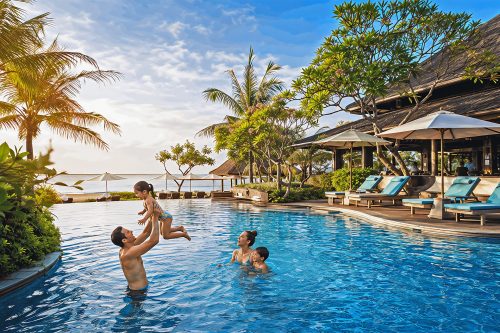
For travelers seeking a blend of luxury and immersion, Munduk Moding Plantation offers villas perched above verdant hills, complete with infinity pools that seem to spill into the clouds. Early mornings are made for sipping freshly brewed Munduk coffee on your private terrace while the sun rises over the mountain peaks. Sanak Retreat, another boutique hideaway, emphasizes eco-conscious design without sacrificing modern amenities—perfect for travelers who crave a sense of closeness to nature while enjoying comfort.
For those drawn to authentic village life, small guesthouses and homestays peppered along the highland roads provide intimate encounters with local families. Guests may share breakfast with their hosts, learn about daily farming routines, and gain perspectives on Balinese highland culture that larger resorts cannot offer. Prices in Munduk range widely: boutique resorts can be upwards of USD 150–300 per night, mid-range eco-lodges fall around USD 60–120, while homestays may offer rooms for as low as USD 25–50—an appealing range for mindful travelers seeking tranquility over crowds.
Many of these retreats emphasize slow mornings and the luxury of time. Imagine enjoying a yoga session at dawn as mist curls through the nearby palms, or wandering the property’s gardens with a camera in hand, capturing fleeting light on banana leaves and the occasional wandering cow. The accommodations are designed not merely for sleeping, but for immersing in the highland rhythm—where each stay becomes a sensory journey blending sight, scent, and serenity.
Whether you prefer rustic charm, boutique elegance, or a homely touch, choosing where to stay in Munduk is about more than convenience; it’s about embedding yourself in a world where nature and culture coexist seamlessly. Each morning’s light, each distant waterfall’s murmur, reminds visitors why Munduk highland village remains the green heart of Bali’s timeless charm.
Where to Eat in Munduk: From Warungs to Highland Dining
Eating in Munduk is as much about the setting as the flavors. Where to eat in Munduk offers everything from humble village warungs serving traditional Balinese comfort food to highland restaurants perched on terraces overlooking mist-shrouded valleys. Wandering through the village streets, you might stumble upon a family-run warung where the aroma of nasi campur, sambal, and freshly grilled fish drifts from the open kitchen. Here, each meal carries the warmth of local hospitality, and the simplicity of the dishes feels like a direct connection to the land and its people.
For travelers seeking panoramic dining experiences, highland restaurants with open terraces provide a feast for both the palate and the eyes. Sipping a hot cup of Munduk coffee while watching morning mist rise from the valleys, or enjoying a rich Balinese curry as the sun casts golden light over distant mountains, transforms every bite into a memory. These venues exemplify Bali food with a view, allowing visitors to merge culinary pleasure with the highland’s serene atmosphere.
Coffee shops have also found their niche in Munduk, catering to digital nomads and leisure travelers alike. Whether you’re sketching, journaling, or catching up on work, these cafés offer a cozy perch amidst tropical gardens, the distant gurgle of waterfalls punctuating the quiet. From traditional flavors to highland-inspired dishes and locally roasted coffee, the culinary scene in Munduk invites visitors to savor the hidden flavors of Bali while immersing in the village’s timeless charm.
Whether you’re seeking a quick, hearty meal or a leisurely lunch with sweeping views, where to eat in Munduk is part of the highland experience, connecting taste with the surrounding natural beauty.
Planning Your Visit: Practical Travel Tips
Visiting Munduk Bali is like stepping into a serene corner of the island where time moves at its own gentle rhythm. Understanding how to get to Munduk highland village is the first step to embracing this hidden highland gem. From Ubud, it’s a scenic drive of about two hours, winding through terraced rice fields, coffee plantations, and misty mountain roads. Lovina lies roughly an hour north, making Munduk an ideal stop for travelers exploring Bali’s northern coast. From Bedugul, it’s less than an hour along forested roads that hint at the village’s seclusion. Renting a scooter offers flexibility for those comfortable with winding highland routes, but for a more relaxed journey, hiring a local driver ensures you can savor the scenery without worry.
Once in Munduk, getting around is part of the experience. Walking along village lanes, through coffee plantations, or along jungle trails is the best way to absorb the sights, sounds, and scents of the highlands. For longer excursions to waterfalls or lakes, a scooter or guided tour is recommended. While Munduk isn’t heavily commercialized, there are local guides who can enhance your Munduk trip, sharing insights about hidden waterfalls, local flora, and cultural practices.
The highlands maintain a pleasantly cool climate year-round, with the dry season from May to September offering the clearest skies and most accessible trails. Even in the wet season, the misty landscape has its own magical charm, with cascading waterfalls in full flow and lush greenery at its peak.
Budget-wise, Bali travel tips suggest that accommodation ranges widely, from cozy homestays for $30–$50 per night to boutique eco-lodges and small resorts for $100–$250. Meals in local warungs cost just a few dollars, while highland restaurants with panoramic views are moderately priced. Entrance fees for waterfalls or plantations are minimal, usually under $5 per person.
Connectivity is deliberately limited in some areas, reinforcing Munduk’s allure for slow travel. While WiFi is available at most hotels, it can be patchy along trails and remote viewpoints. This disconnection allows visitors to immerse fully in the highland rhythm, where mornings are for misty treks, afternoons for coffee, and evenings for starlit contemplation.
With these tips, your Munduk trip becomes not just a visit, but an experience of mindful exploration, where practical planning meets the village’s timeless charm.
Why Munduk Deserves a Place in Your Bali Journey
When most travelers imagine Bali, their minds drift to golden beaches, bustling beach clubs, and the energy of Seminyak or Uluwatu. But tucked away in the northern highlands lies a world that feels like a secret—Munduk Bali, a place where misty mornings, cascading waterfalls, and warm local smiles reveal a side of the island that is both authentic and unforgettable. This is hidden Bali at its finest, where traditions thrive and nature quietly takes center stage.
What makes Munduk so compelling is not just its dramatic landscapes, but the way it draws you into a slower rhythm of life. Here, waking up means sipping rich, locally grown coffee above a sea of clouds. Days unfold with treks through jungle trails, village encounters, or simple moments of stillness while gazing across terraced hillsides. In Munduk, you don’t just visit Bali — you feel it. The timeless charm of Bali lives here, unpolished and unhurried.
For travelers crafting their Bali itinerary, adding Munduk means discovering balance — pairing coastal escapes with cool mountain retreats. Whether you’re chasing waterfalls, immersing yourself in cultural experiences, or simply seeking peace away from the crowds, Munduk offers it all without losing its soulful essence.
So as you plan your journey, don’t let this highland haven slip off your radar. Step beyond the beaches and into the heart of Bali’s natural and cultural heritage. Munduk is more than a stop on your trip — it’s the chapter that lingers long after you leave.