Bali, often referred to as the “Island of the Gods,” is renowned for its breathtaking landscapes, vibrant culture, and welcoming locals. However, as tourism in Bali continues to grow, so do the environmental challenges that come with it. For the conscious traveler, eco-travel in Bali offers a way to experience the island’s beauty while minimizing your ecological footprint and supporting sustainable practices. In this comprehensive guide, we’ll explore essential tips for responsible explorers dedicated to eco-travel in Bali.
Understanding Eco-Travel in Bali
Eco-travel, or ecotourism, focuses on responsible travel to natural areas, conserving the environment, and improving the well-being of local people. In Bali, this means making choices that promote sustainability, from the accommodations you choose to the activities you engage in.
Why Choose Eco-Travel in Bali?
- Preserving Natural Beauty: Bali is home to unique ecosystems, including coral reefs, rainforests, and volcanic landscapes. Eco-travel helps protect these natural wonders for future generations.
- Supporting Local Communities: By engaging in eco-travel, you contribute to the local economy in ways that benefit residents and encourage the preservation of cultural heritage.
- Reducing Carbon Footprint: Eco-friendly practices reduce the environmental impact of your trip, from minimizing waste to choosing low-carbon transportation options.
Planning Your Eco-Travel in Bali
Choosing Sustainable Accommodations
One of the most impactful decisions you can make is selecting eco-friendly accommodations. Look for hotels, resorts, and guesthouses that prioritize sustainability through:
- Environmental Certifications: Accommodations with certifications like Green Globe or EarthCheck demonstrate a commitment to sustainable practices.
- Energy and Water Conservation: Choose places that use renewable energy sources, have water-saving measures in place, and promote energy-efficient practices.
- Waste Management: Opt for establishments that practice recycling, composting, and minimizing single-use plastics.
- Local Sourcing: Support accommodations that source food and materials locally, reducing transportation emissions and supporting the local economy.
Sustainable Transportation
Getting around Bali in an eco-friendly way can significantly reduce your travel footprint. Here are some tips for sustainable transportation:
- Public Transport: Use Bali’s public transportation options, like buses and shuttles, which are more energy-efficient than private vehicles.
- Cycling and Walking: Many areas in Bali are perfect for exploring by bike or on foot. This not only reduces emissions but also provides a more intimate experience of the island.
- Electric Vehicles: If you need a motorized vehicle, consider renting an electric scooter or car, which are increasingly available on the island.
Eco-Friendly Activities
Participating in eco-friendly activities ensures that your travel experiences align with sustainable principles. Some recommended activities include:
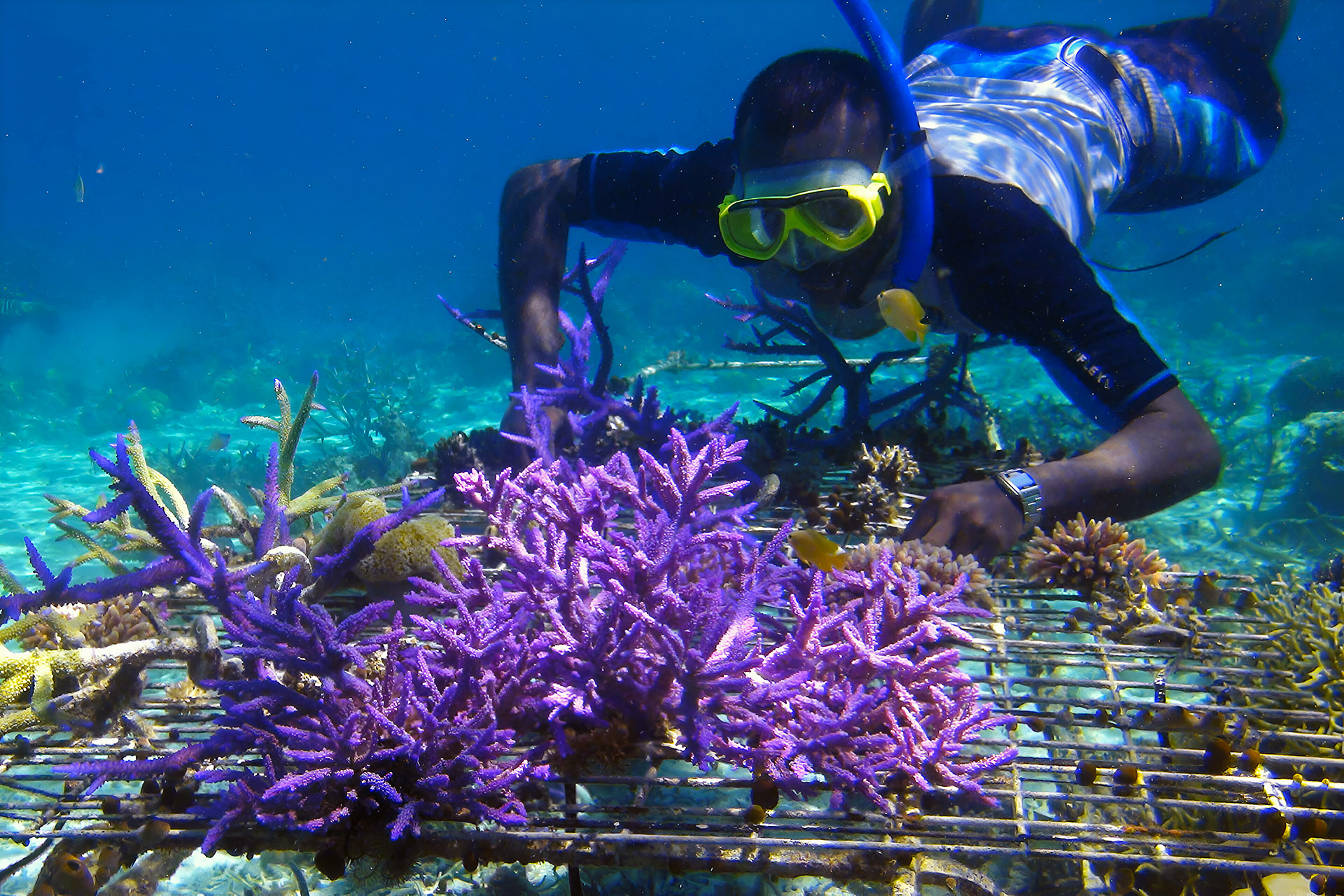
- Snorkeling and Diving: Choose operators that follow responsible marine tourism guidelines, such as no-touch policies and environmental education for divers.
- Wildlife Tours: Engage with wildlife responsibly by choosing tours that respect animal habitats and avoid any form of exploitation.
- Cultural Experiences: Support local artisans and cultural events that promote traditional crafts, music, and dance.
Eco-Travel Essentials: Tips for Responsible Explorers
Reduce Plastic Use
Bali has faced significant issues with plastic pollution, particularly in its oceans. As a responsible traveler, you can help mitigate this problem by:
- Bringing Reusable Items: Carry a reusable water bottle, shopping bag, and utensils to reduce your plastic consumption.
- Refill Stations: Use water refill stations available throughout Bali instead of buying bottled water.
- Avoiding Single-Use Plastics: Say no to plastic straws, bags, and packaging whenever possible.
Respect Local Culture and Environment
Being mindful of local customs and environmental preservation is crucial for responsible travel:
- Cultural Sensitivity: Dress appropriately, follow local customs, and learn basic phrases in Bahasa Indonesia to show respect for the local culture.
- Leave No Trace: Follow the principle of leaving no trace by taking all your waste with you, not disturbing wildlife, and staying on marked paths.
- Support Local Businesses: Eat at local restaurants, shop at local markets, and hire local guides to ensure your money benefits the local economy.
Conserve Resources
Conserving resources during your stay helps minimize your environmental impact:
- Energy Conservation: Turn off lights, air conditioning, and electronics when not in use. Many accommodations provide guidelines for energy conservation.
- Water Conservation: Bali experiences water shortages, so take short showers, reuse towels, and avoid unnecessary laundry.
- Sustainable Eating: Choose restaurants that serve locally sourced and organic food, and try plant-based meals to reduce your carbon footprint.
Eco-Travel Destinations in Bali
Ubud
Known for its lush greenery and cultural richness, Ubud is a hub for eco-travelers. Highlights include:
- Eco-Friendly Retreats: Ubud offers numerous eco-resorts and retreats that focus on wellness and sustainability.
- Organic Farms and Restaurants: Enjoy farm-to-table dining experiences at organic farms and restaurants.
- Nature Walks and Cycling: Explore the beautiful rice terraces and forests through guided nature walks and cycling tours.
Nusa Islands
The Nusa Islands, comprising Nusa Lembongan, Nusa Ceningan, and Nusa Penida, are perfect for eco-conscious adventurers:
- Marine Conservation: Participate in marine conservation projects, such as coral reef restoration and beach clean-ups.
- Eco-Friendly Accommodations: Stay in eco-lodges and resorts that prioritize sustainability.
- Diving and Snorkeling: Experience the underwater beauty responsibly with operators committed to protecting marine life.
Munduk
Nestled in the mountains, Munduk offers a serene escape with a focus on nature and sustainability:
- Waterfalls and Trekking: Discover stunning waterfalls and scenic trekking routes.
- Coffee Plantations: Visit local coffee plantations that practice sustainable farming.
- Community Tourism: Engage with local communities through cultural exchanges and homestays.
Supporting Local Conservation Efforts
Eco-travel in Bali goes beyond personal practices; it also involves supporting initiatives that protect the island’s environment and communities. Here are some organizations and projects to consider:
Bali Barat National Park
Located in the northwest of Bali, this national park is a haven for biodiversity. By visiting and supporting Bali Barat National Park, you contribute to the conservation of endangered species and their habitats.
Coral Triangle Center
The Coral Triangle Center in Sanur focuses on marine conservation through education and community engagement. Participate in their programs to learn about coral reef ecosystems and contribute to their preservation.
Bali Wildlife Rescue Center
Support the Bali Wildlife Rescue Center, which rehabilitates and releases animals back into their natural habitats. Visiting the center helps fund their efforts and provides educational opportunities.
Bye Bye Plastic Bags
Founded by local Balinese students, Bye Bye Plastic Bags is an NGO dedicated to reducing plastic pollution. You can support their initiatives by participating in clean-up events or donating to their cause.
Conclusion
Eco-travel in Bali is not just about enjoying the island’s natural beauty; it’s about making conscious choices that benefit the environment and local communities. By choosing sustainable accommodations, minimizing your use of plastic, respecting local culture, and supporting conservation efforts, you can ensure that your visit to Bali leaves a positive impact.
As the popularity of eco-travel continues to grow, every responsible explorer plays a crucial role in promoting sustainable tourism practices. Whether you’re exploring Ubud’s cultural heart, diving in the Nusa Islands, or trekking through Munduk’s mountains, your commitment to eco-travel in Bali will help preserve this paradise for generations to come.
By adopting these tips for responsible exploration, you contribute to a more sustainable future for Bali and the planet. Embrace the principles of eco-travel in Bali, and enjoy a fulfilling, environmentally-conscious adventure on this magical island.