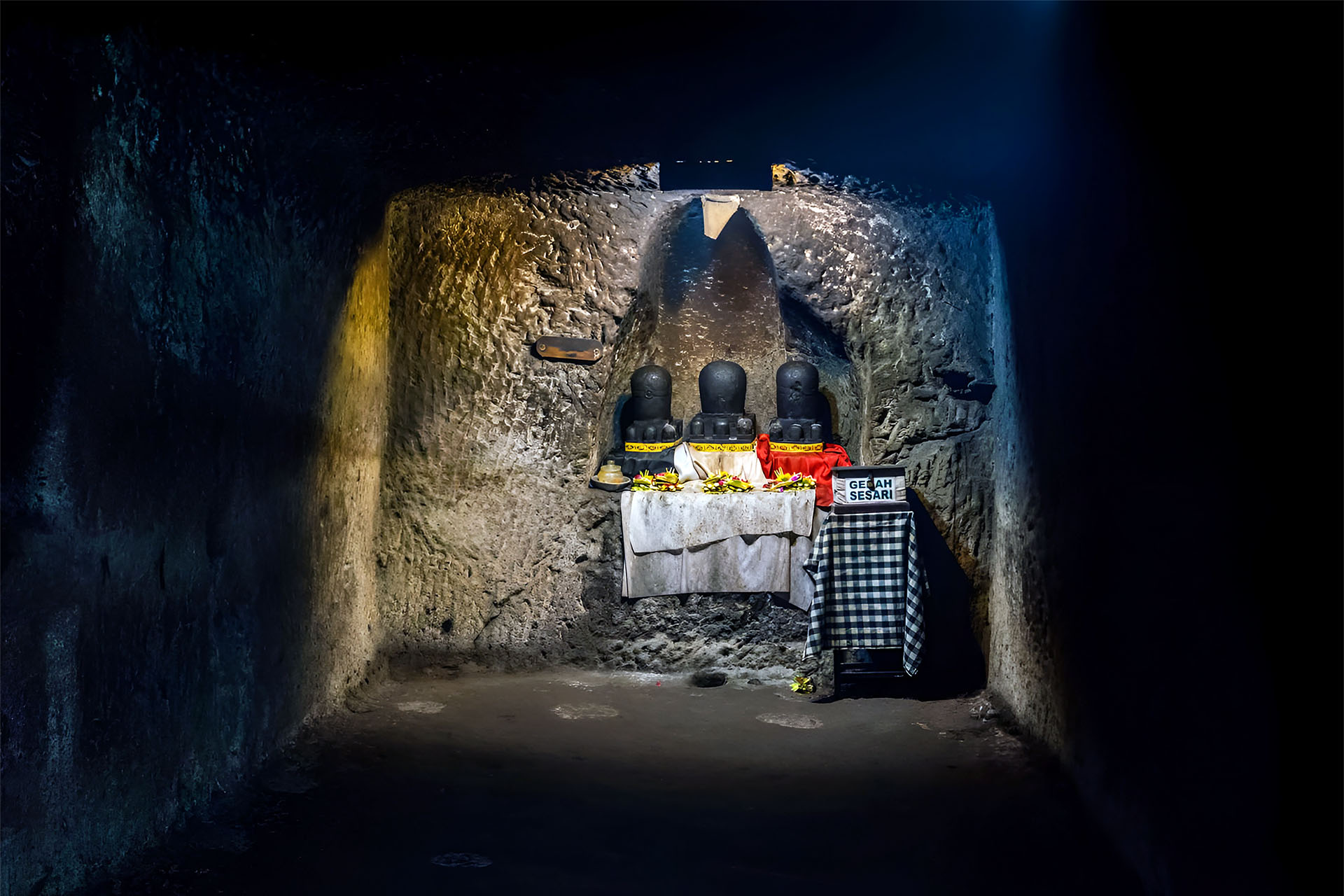
Bali, known as the “Island of the Gods,” is a land steeped in spiritual richness and cultural heritage. Among its many attractions, the Bali temples stand out as testaments to the island’s deep religious roots and mystical allure. This article delves into the legends and lore behind some of the most sacred Bali temples, exploring their histories, mythologies, and significance to both locals and visitors. By focusing on the keyword “Bali temple,” we aim to provide a comprehensive guide that not only educates but also inspires.
The Significance of Bali Temples
Bali temples, known locally as “pura,” are not just places of worship; they are integral to the Balinese way of life. Each temple is dedicated to a specific deity and plays a role in various ceremonies and rituals that mark the Balinese calendar. These temples range from grand, architecturally stunning complexes to humble shrines set amidst nature. What unites them all is the sense of reverence and spirituality that they embody.
The Role of Temples in Balinese Culture
Temples in Bali serve multiple functions:
- Spiritual Center: Temples are the focal point for worship and religious ceremonies.
- Cultural Hub: They host festivals, dances, and cultural events that preserve Balinese traditions.
- Community Gathering: Villagers often gather at temples for social and communal activities.
Understanding the multifaceted role of Bali temples helps appreciate their importance beyond mere tourist attractions.
Notable Bali Temples and Their Legends
1. Pura Besakih – The Mother Temple
Location: Mount Agung, Eastern Bali
Pura Besakih, often referred to as the “Mother Temple,” is the largest and holiest temple on the island. It is a sprawling complex of 23 separate temples, with the largest and most important being Pura Penataran Agung.
Legend: The temple is believed to have been founded by the great priest Rsi Markandeya in the 8th century. According to legend, Rsi Markandeya was guided by divine forces to establish a shrine on the slopes of Mount Agung, the highest and most sacred mountain in Bali. The priest planted a holy jar containing five metals (gold, silver, copper, iron, and bronze) at the site, which became the foundation of Pura Besakih.
Significance: Pura Besakih is the primary site for major religious festivals and ceremonies, particularly during the full moon of the tenth month in the Balinese calendar, known as Purnama Kadasa.
2. Pura Tanah Lot – The Temple of the Sea
Location: Beraban Village, Tabanan
Pura Tanah Lot is one of Bali’s most iconic temples, famed for its stunning offshore setting and sunset views. The temple sits atop a large rock formation that is surrounded by the sea during high tide.
Legend: According to legend, the temple was established by the 16th-century Hindu priest Dang Hyang Nirartha. During his travels along the south coast of Bali, he meditated on the rock and felt a spiritual calling to build a shrine there. He advised the local fishermen to build the temple to honor the sea gods. It is also said that Nirartha left his sash, which transformed into a giant snake to guard the temple from evil spirits and intruders.
Significance: Tanah Lot is a popular pilgrimage site, particularly during the Odalan festival, which occurs every 210 days in the Balinese Pawukon calendar.
3. Pura Ulun Danu Bratan – The Temple of the Lake
Location: Bedugul, Central Bali
Pura Ulun Danu Bratan is a picturesque water temple located on the shores of Lake Bratan in the central highlands of Bali. The temple is dedicated to Dewi Danu, the goddess of water, rivers, and lakes.
Legend: The temple’s origin is linked to the goddess Dewi Danu, who is revered for providing life-giving water to the island’s agricultural communities. Local lore tells of how the goddess appeared to a local king in a dream, instructing him to build a temple to ensure the continuous flow of water for irrigation.
Significance: Pura Ulun Danu Bratan is a key site for ceremonies related to agriculture, particularly during the annual Eka Dasa Rudra ceremony, which aims to maintain harmony and prosperity on the island.
4. Pura Luhur Uluwatu – The Temple on the Cliffs
Location: Pecatu, South Kuta
Perched on a 70-meter-high cliff overlooking the Indian Ocean, Pura Luhur Uluwatu is one of Bali’s most spectacular temples. It is renowned not only for its dramatic location but also for the traditional Kecak dance performances held at sunset.
Legend: The temple is believed to be one of the six key spiritual pillars in Bali, established by the 10th-century priest Empu Kuturan. Another legend states that the temple was expanded by Dang Hyang Nirartha in the 16th century. He is said to have attained Moksha (spiritual liberation) at Uluwatu, leaving behind a powerful spiritual aura.
Significance: Pura Luhur Uluwatu is a place of worship for the sea spirits and is an important site for Balinese Hindus during the Melasti ritual, a purification ceremony held before the Nyepi (Balinese New Year) celebrations.
5. Pura Tirta Empul – The Temple of Holy Water
Location: Tampaksiring, Gianyar
Pura Tirta Empul is famous for its holy spring water, where Balinese Hindus go for ritual purification. The temple complex, built around the sacred spring, is a national cultural heritage site.
Legend: The legend of Tirta Empul revolves around the battle between the god Indra and the evil king Mayadenawa. According to the myth, King Mayadenawa poisoned the water source, causing illness among Indra’s troops. Indra then pierced the ground with his staff, creating a spring of pure, holy water to revive his warriors. This spring is believed to be the source of Tirta Empul.
Significance: The temple is a popular pilgrimage site, especially during the holy day of Galungan, when Balinese Hindus seek purification and blessings from the sacred waters.
The Spiritual and Cultural Impact of Bali Temples
Bali temples are not merely architectural marvels; they are the heart of Balinese spirituality and culture. Each temple serves as a gateway to understanding the island’s rich traditions, offering insight into the Balinese way of life.
Cultural Preservation
Temples play a crucial role in preserving Balinese culture. They host ceremonies, dance performances, and festivals that keep ancient traditions alive. For example, the Kecak dance at Pura Luhur Uluwatu is not only a tourist attraction but also a form of storytelling that has been passed down through generations.
Spiritual Practices
For the Balinese, daily offerings and prayers at temples are a way of life. Temples like Tirta Empul provide a space for purification rituals, which are essential to maintaining spiritual balance. These practices reflect the deep connection between the Balinese people and their deities.
Community Cohesion
Temples serve as community centers where villagers gather for various activities. Whether it’s a religious ceremony or a social event, temples strengthen communal bonds and foster a sense of belonging.
Visiting Bali Temples: Tips for Tourists
Respect Local Customs
When visiting a Bali temple, it’s important to respect local customs and traditions:
- Dress Modestly: Wear a sarong and sash, which are often provided at the entrance.
- Follow the Rules: Observe any signs and instructions, such as removing shoes before entering certain areas.
- Be Mindful of Ceremonies: If a ceremony is taking place, maintain a respectful distance and avoid interrupting.
Best Times to Visit
Early mornings and late afternoons are the best times to visit Bali temples. These times offer cooler temperatures, fewer crowds, and beautiful lighting for photography.
Guided Tours
Consider hiring a local guide who can provide deeper insights into the history and significance of each temple. Guides can also help navigate the temple grounds and explain the intricacies of Balinese rituals and ceremonies.
Conclusion
Bali’s temples are not just architectural wonders; they are living, breathing embodiments of the island’s spiritual and cultural heritage. Each Bali temple, from the majestic Pura Besakih to the serene Pura Ulun Danu Bratan, tells a story that is woven into the fabric of Balinese life. By exploring these sacred sites and understanding their legends and lore, visitors can gain a profound appreciation for the island’s unique blend of spirituality, tradition, and natural beauty.
Incorporating “Bali temple” as the primary keyword throughout this article ensures that it is optimized for SEO, making it easier for those interested in Bali’s spiritual and cultural sites to find valuable and engaging content. Whether you are planning a visit or simply seeking to learn more, the tales of Bali’s temples offer a captivating journey into the heart of this magical island.