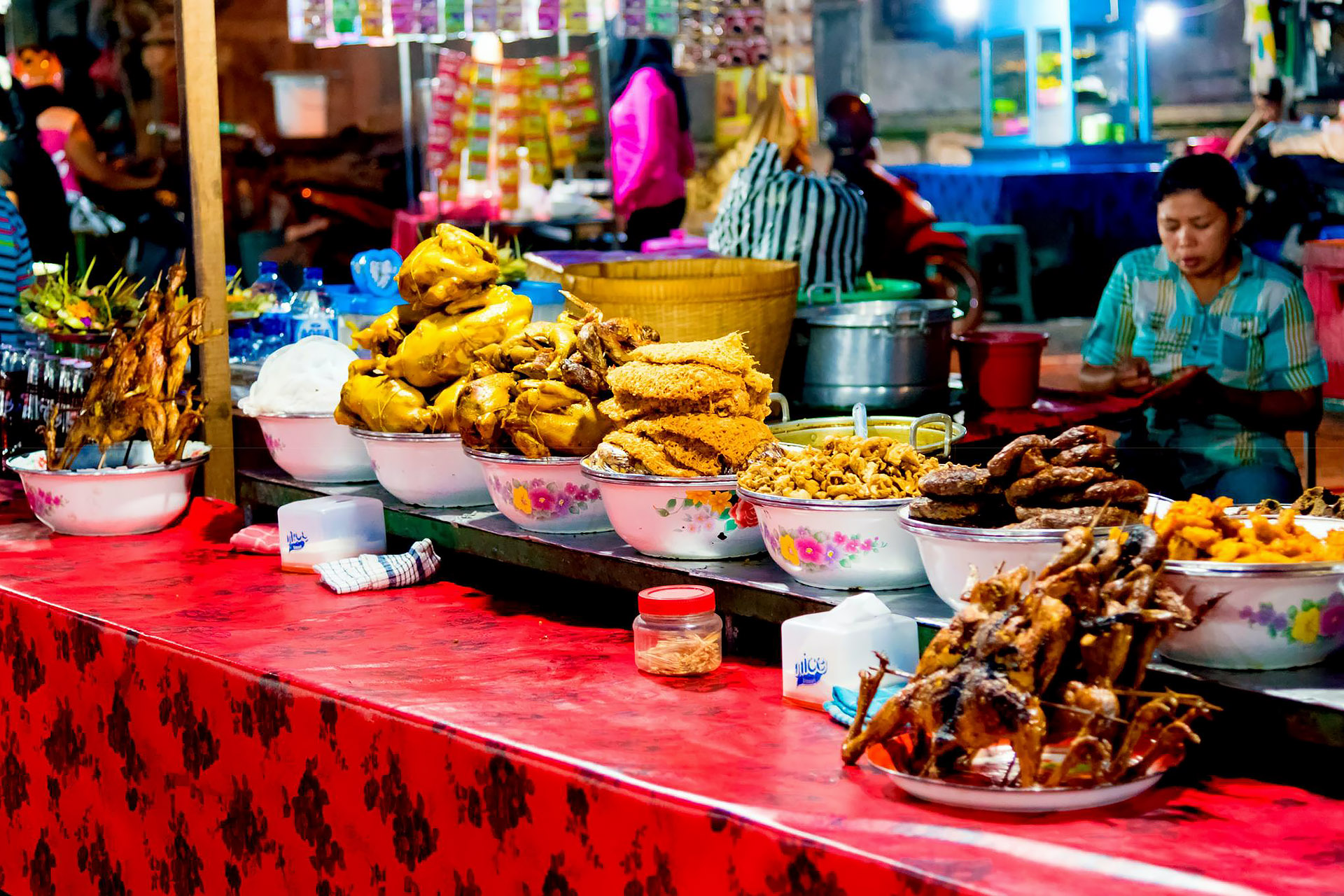
When it comes to experiencing the true essence of a destination, nothing compares to delving into its local cuisine. Bali, the Indonesian island known for its picturesque landscapes and rich culture, is a food lover’s paradise. The Bali local flavors come alive in its bustling food markets, where locals and tourists alike gather to savor the island’s culinary delights. From traditional Balinese dishes to fresh tropical fruits, these markets offer a vibrant and immersive gastronomic experience. In this guide, we’ll explore some of the best food markets in Bali and the unique flavors they have to offer.
The Allure of Bali’s Food Markets
Bali’s food markets are more than just places to buy groceries; they are vibrant social hubs where people come together to celebrate food and culture. Each market has its own unique charm, offering a wide variety of local produce, spices, street food, and handcrafted items. Visiting these markets is a sensory overload – the sights, sounds, and smells create an unforgettable experience that captures the essence of Bali local flavors.
Top Food Markets in Bali
1. Ubud Traditional Market
Located in the heart of Ubud, the Ubud Traditional Market is a must-visit for anyone wanting to explore Bali local flavors. This bustling market offers a plethora of fresh produce, traditional Balinese snacks, and handcrafted souvenirs. Early in the morning, the market is filled with vendors selling fruits, vegetables, and spices. As the day progresses, the market transforms into a hub for arts and crafts, making it a perfect spot to experience the dual nature of Bali’s market culture.
Must-Try Delicacies:
- Lawar: A traditional Balinese dish made from minced meat, grated coconut, and a mixture of rich spices.
- Babi Guling: Balinese roast pork, a festive dish often served during special occasions.
- Fresh Tropical Fruits: Don’t miss the chance to try exotic fruits like salak (snake fruit), rambutan, and mangosteen.
2. Sanur Night Market (Pasar Malam Sindu)
Sanur Night Market, also known as Pasar Malam Sindu, is the place to be for evening food adventures. As the sun sets, the market comes alive with food stalls offering a variety of local dishes at affordable prices. The atmosphere is lively, with locals and tourists mingling over delicious meals.
Must-Try Delicacies:
- Nasi Goreng: Indonesia’s famous fried rice, often topped with a fried egg.
- Satay: Skewers of grilled meat served with a rich, spicy peanut sauce.
- Martabak: A stuffed pancake that can be savory or sweet, filled with ingredients like minced meat or chocolate and cheese.
3. Badung Market (Pasar Badung)
Pasar Badung is the largest traditional market in Bali, located in Denpasar. It is open 24 hours a day, making it a convenient spot to visit at any time. The market spans four floors, each offering different products ranging from fresh produce to textiles.
Must-Try Delicacies:
- Balinese Coffee: Bali is known for its rich, aromatic coffee. Grab a cup of freshly brewed Balinese coffee to energize your market visit.
- Jaja Bali: Traditional Balinese cakes made from rice flour, coconut, and palm sugar, offering a sweet taste of local culture.
- Ayam Betutu: Spiced chicken wrapped in banana leaves and slow-cooked, a flavorful and aromatic dish.
4. Gianyar Night Market
Gianyar Night Market is renowned for its extensive array of street food. Located in the town of Gianyar, this market attracts food enthusiasts from all over the island. The variety of dishes available here truly represents Bali local flavors at their best.
Must-Try Delicacies:
- Babi Guling: Another opportunity to try this iconic Balinese dish, often considered one of the best versions on the island.
- Bakso: Indonesian meatball soup, a comforting and flavorful option.
- Laklak: Balinese green rice pancakes, served with grated coconut and palm sugar syrup.
5. Kuta Night Market
Kuta Night Market is a favorite among tourists staying in the Kuta area. The market offers a range of street food options, along with local crafts and souvenirs. The lively atmosphere makes it a fun spot to explore in the evening.
Must-Try Delicacies:
- Sate Lilit: A type of satay made from minced fish mixed with grated coconut and spices, then wrapped around bamboo sticks.
- Gado-Gado: A salad of mixed vegetables with a rich peanut sauce, a popular Indonesian dish.
- Es Campur: A refreshing dessert made from shaved ice, coconut milk, and various toppings like jelly, fruit, and sweet syrups.
Tips for Exploring Bali Food Markets
- Go Early or Late – Markets can get crowded, so it’s best to visit early in the morning or later in the evening. Early visits allow you to see the freshest produce, while evening visits offer a lively atmosphere with more street food options.
- Bring Cash – Most vendors in traditional markets prefer cash, so make sure to bring enough local currency. Small denominations are handy for bargaining and making quick purchases.
- Try Everything – Part of the fun of visiting food markets is trying new things. Don’t be afraid to sample different dishes and flavors. Balinese cuisine is diverse, and there’s always something new to discover.
- Bargain Politely – Bargaining is common in Balinese markets, but it’s important to do so politely. Start by offering a lower price and negotiate with a smile. Vendors appreciate friendly and respectful haggling.
- Stay Hydrated – Bali can be hot and humid, so make sure to drink plenty of water. Many markets offer fresh coconut water, which is a refreshing and hydrating option.
The Essence of Bali Local Flavors
Bali local flavors are a reflection of the island’s rich cultural tapestry. The use of fresh ingredients, aromatic spices, and traditional cooking methods result in dishes that are both flavorful and unique. Whether you’re a food enthusiast or a curious traveler, the food markets of Bali provide an authentic taste of the island’s culinary heritage.
Exploring these markets offers more than just a chance to taste delicious food; it’s an opportunity to immerse yourself in the local culture and connect with the community. The vibrant atmosphere, the colorful displays of fresh produce, and the friendly interactions with vendors all contribute to an unforgettable experience.
Conclusion
From the bustling Ubud Traditional Market to the lively Kuta Night Market, each food market in Bali has its own unique charm and specialties. The diverse range of dishes available at these markets highlights the richness of Bali local flavors. Whether you’re savoring a plate of Babi Guling, sipping on Balinese coffee, or enjoying a refreshing bowl of Es Campur, each bite tells a story of Bali’s culinary traditions.
So, the next time you find yourself on this beautiful island, take the time to explore its food markets. Indulge in the local flavors, engage with the friendly vendors, and experience Bali in a way that goes beyond the typical tourist attractions. The food markets of Bali are waiting to offer you a taste of their vibrant and delicious world.