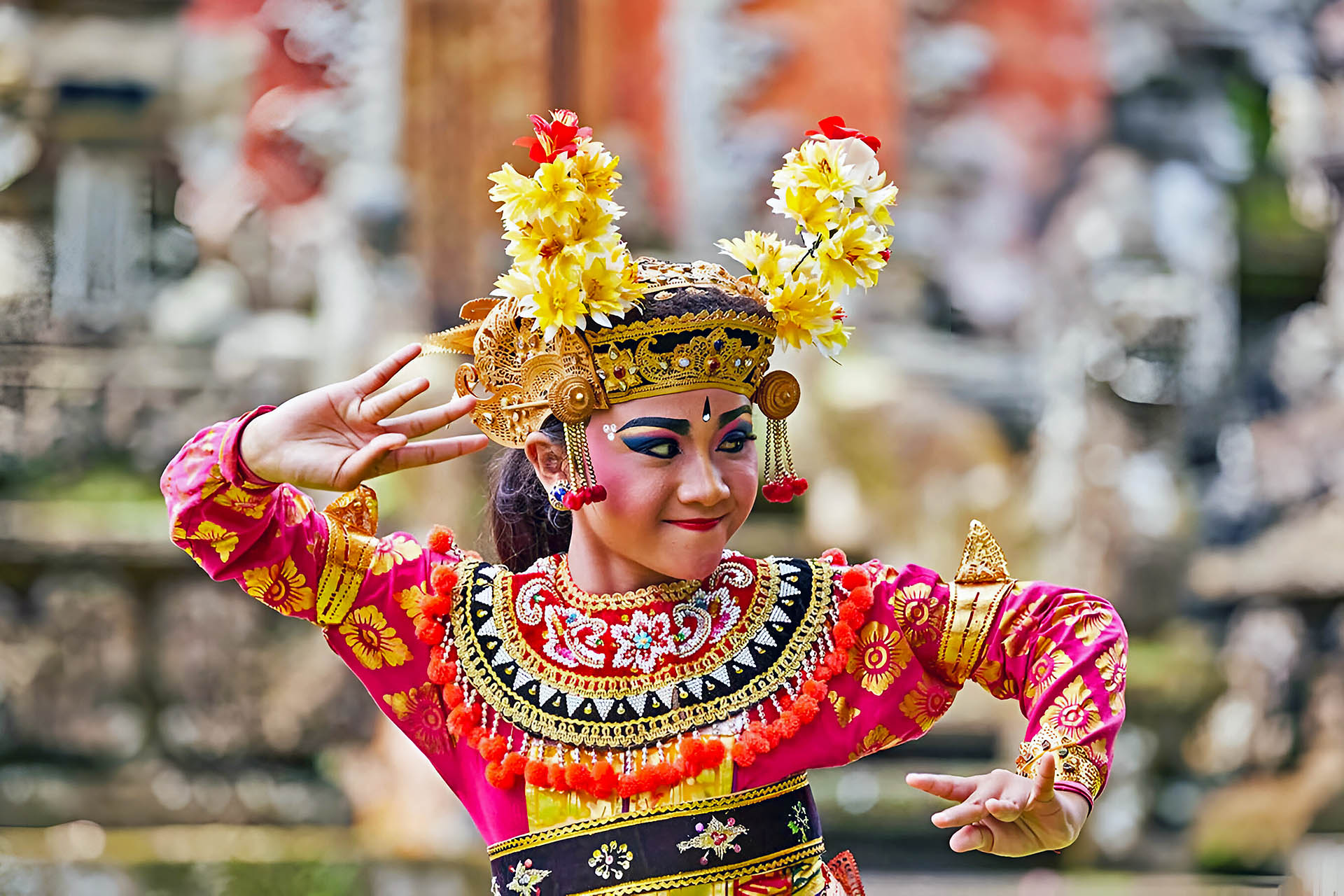
Bali, the Island of the Gods, is renowned for its vibrant culture, scenic landscapes, and rich traditions. Among the island’s most captivating cultural experiences are the Bali dance performances. These performances are not just entertainment but are deeply rooted in Balinese Hindu rituals and traditions, offering visitors a profound glimpse into the island’s spiritual and cultural life. This article delves into the enchanting world of Bali dance performances, highlighting their significance, various forms, and the best places to witness these mesmerizing spectacles.
The Significance of Bali Dance Performances
Cultural and Spiritual Importance
Bali dance performances are integral to Balinese culture and religion. Many of these dances are performed during religious ceremonies in temples, marking significant events and rituals. They serve as offerings to the gods and spirits, and each movement, costume, and expression holds symbolic meaning. The dances are a blend of art, storytelling, and spirituality, reflecting the island’s devotion to its cultural heritage.
Storytelling Through Dance
Bali dance performances often narrate stories from Hindu epics like the Ramayana and Mahabharata, as well as local folklore. These performances use elaborate costumes, intricate movements, and expressive facial gestures to convey emotions and depict epic battles, love stories, and moral lessons. This storytelling aspect makes the dances not only visually stunning but also deeply engaging.
Types of Bali Dance Performances
Barong Dance
The Barong Dance is one of Bali’s most famous traditional performances. It depicts the eternal battle between good and evil, represented by the mythical creature Barong (good) and the witch Rangda (evil). The dance involves elaborate costumes, dramatic movements, and intense expressions. It is usually performed during temple festivals and special ceremonies.
Legong Dance
The Legong Dance is a classical Balinese dance that is characterized by its intricate finger movements, complex footwork, and expressive gestures. Traditionally performed by young girls, the Legong Dance tells stories of royal courtships and historical events. The dancers wear ornate costumes with vibrant colors and detailed headdresses.
Kecak Dance
The Kecak Dance, also known as the “monkey chant,” is a mesmerizing performance that involves a large group of male performers chanting “cak” in rhythmic harmony. This dance reenacts scenes from the Ramayana, particularly the battle between Prince Rama and the demon king Ravana. The performance is accompanied by fire torches, creating a dramatic and unforgettable spectacle.
Pendet Dance
The Pendet Dance is a welcoming dance traditionally performed at the beginning of religious ceremonies. It involves female dancers gracefully offering flowers to the gods. This dance has evolved into a welcoming performance for tourists, symbolizing hospitality and gratitude. The dancers’ elegant movements and serene expressions make it a beautiful introduction to Balinese dance.
Topeng Dance
The Topeng Dance, or masked dance, is a theatrical performance where dancers wear elaborate masks to represent different characters. Each mask has distinct features that convey the character’s personality and role in the story. The Topeng Dance often portrays historical and mythical tales, blending humor, drama, and spirituality.
Where to Experience Bali Dance Performances
Ubud
Ubud, known as Bali’s cultural heart, is one of the best places to experience traditional dance performances. Several venues in Ubud host nightly dance shows, including the Ubud Palace and Pura Dalem Ubud. These performances provide an intimate setting to appreciate the intricate details of the dances.
Batubulan
Batubulan Village, located near Denpasar, is famous for its Barong Dance performances. Daily shows are held in various theaters in the village, attracting both locals and tourists. The performances in Batubulan are known for their authenticity and vibrant energy, offering a genuine glimpse into Balinese culture.
Uluwatu Temple
The Kecak Dance at Uluwatu Temple is one of the most iconic dance performances in Bali. Performed on a cliffside amphitheater overlooking the ocean, this dance is set against the backdrop of the stunning sunset. The combination of the dramatic chanting, the fiery ambiance, and the breathtaking views make it a must-see experience.
Tanah Lot
Tanah Lot, another famous temple in Bali, also hosts traditional dance performances, including the Kecak Dance. The temple’s picturesque location on a rocky outcrop in the sea adds a mystical element to the performances. Watching a dance show at Tanah Lot provides a unique blend of cultural immersion and natural beauty.
Garuda Wisnu Kencana Cultural Park
Garuda Wisnu Kencana (GWK) Cultural Park in Jimbaran is a prominent cultural destination that showcases Balinese arts and heritage. The park hosts daily dance performances, including the Kecak and Barong dances, in its amphitheater. GWK Cultural Park is a great place to explore Balinese culture in a grand and majestic setting.
Tips for Enjoying Bali Dance Performances
Arrive Early
To get the best seats and fully enjoy the performances, it’s advisable to arrive early. Popular venues like Uluwatu Temple and Ubud Palace can get crowded, especially during peak tourist seasons. Arriving early ensures you have a good view of the stage and can appreciate the intricate details of the costumes and movements.
Learn About the Stories
Familiarizing yourself with the stories behind the dances can enhance your experience. Understanding the plot and characters will help you appreciate the nuances of the performances and the significance of the gestures and expressions. Many venues provide brochures or programs with a summary of the stories being depicted.
Respect the Performers
Balinese dance performances are deeply rooted in tradition and spirituality. Show respect to the performers by refraining from using flash photography, keeping noise to a minimum, and following any specific guidelines provided by the venue. Your respect enhances the overall atmosphere and allows everyone to enjoy the performance.
Dress Appropriately
When attending dance performances at temples or cultural sites, it’s important to dress respectfully. Wear modest clothing that covers your shoulders and knees, and consider bringing a sarong or scarf. Dressing appropriately shows respect for the local customs and enhances your cultural experience.
Engage with the Culture
After watching a dance performance, take the time to explore the surrounding area and engage with the local culture. Visit nearby temples, art galleries, or traditional markets to gain a deeper understanding of Balinese heritage. Engaging with the local culture enriches your experience and creates lasting memories.
The Evolution and Preservation of Bali Dance Performances
Contemporary Influences
While traditional dance forms remain integral to Balinese culture, contemporary influences have also made their mark. Modern dance troupes in Bali incorporate elements of contemporary dance, theater, and multimedia into their performances. These contemporary adaptations keep the art form dynamic and relevant, attracting a broader audience while preserving its core essence.
Education and Training
The preservation of Bali dance performances is supported by rigorous training and education. Many children in Bali start learning traditional dance at a young age, often through community or temple dance groups. Dance schools and cultural centers across the island also offer formal training in traditional dance forms, ensuring the transmission of skills and knowledge to future generations.
Cultural Festivals
Cultural festivals play a crucial role in celebrating and preserving Bali dance performances. Events such as the Bali Arts Festival and Ubud Writers & Readers Festival showcase a wide range of traditional and contemporary dance performances. These festivals provide a platform for local artists to share their talents and for visitors to experience the rich cultural tapestry of Bali.
Conclusion
Bali dance performances are a captivating and integral part of the island’s cultural arts experience. These performances, deeply rooted in religious and cultural traditions, offer a unique window into the soul of Bali. Whether it’s the dramatic Barong Dance, the intricate Legong Dance, or the mesmerizing Kecak Dance, each performance tells a story and reflects the island’s rich heritage.
Witnessing Bali dance performances in iconic locations such as Ubud, Uluwatu Temple, and Batubulan provides an immersive and unforgettable cultural experience. By appreciating these performances, visitors gain a deeper understanding of Balinese culture and spirituality.
As you plan your trip to Bali, make sure to include these mesmerizing dance performances in your itinerary. The magic of Bali dance performances will leave you enchanted and provide a lasting memory of your visit to the Island of the Gods.