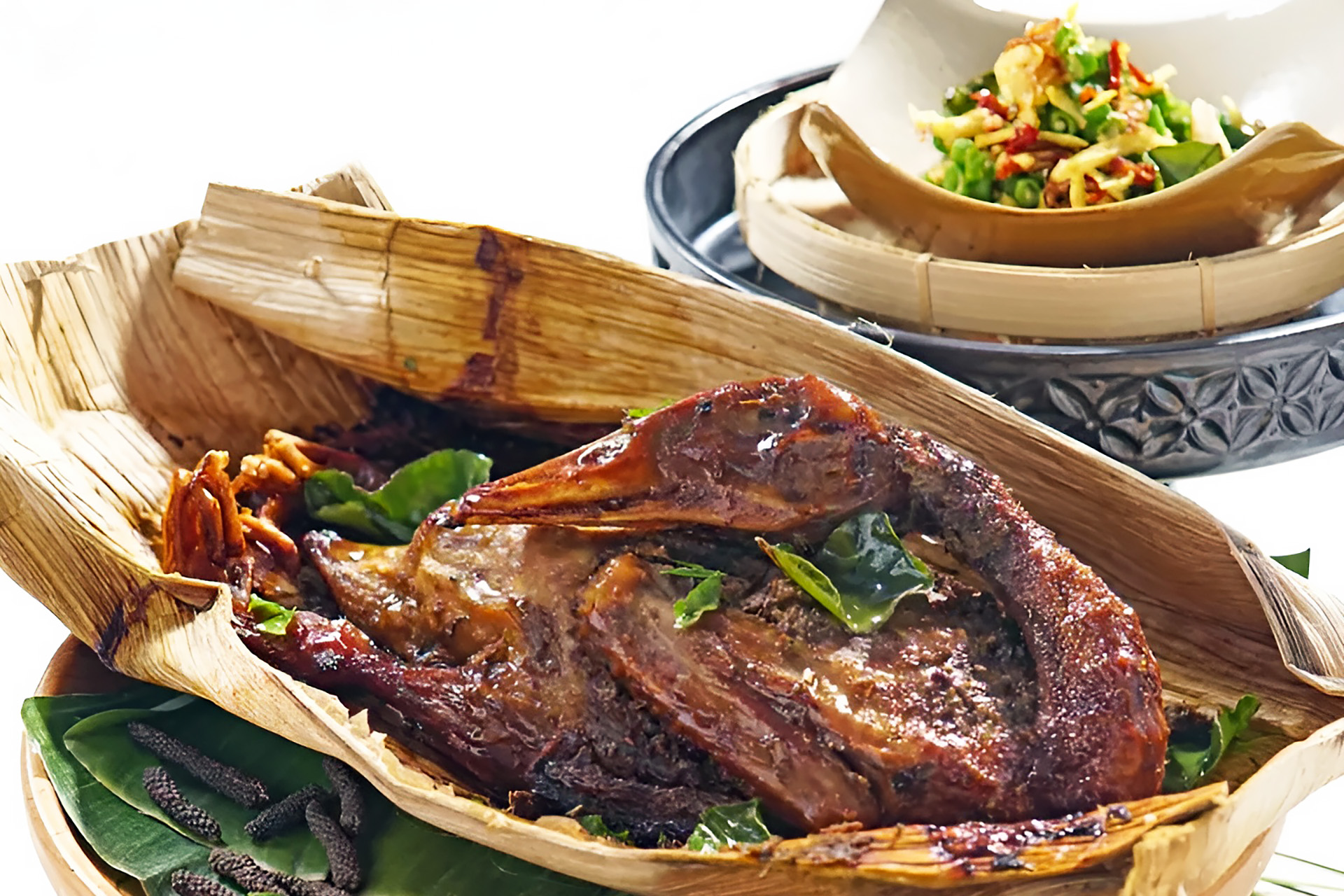
Bali is not only famous for its beaches and temples but also for its culinary heritage, where every dish tells a story of tradition, ceremony, and community. Among the island’s treasures, the authentic Bebek Betutu in Bali stands out as one of the most authentic Balinese food experiences. This slow-cooked duck, marinated in a rich blend of spices and wrapped in banana leaves, is more than just a meal — it’s a ritual passed down through generations, often prepared for ceremonies and family gatherings.
Experiencing Bebek Betutu is a Bali food journey like no other. The tender meat, aromatic spices, and smoky banana leaf infusion reveal the island’s soul in every bite. Whether you’re a passionate foodie or a traveler seeking cultural connection, tasting this dish is an invitation to immerse yourself in Balinese heritage.
This will uncover the origins of Bebek Betutu, its cultural significance, where to enjoy it, and why it’s worth adding to your Bali itinerary. By the end, you’ll see why savoring this dish slowly, as the locals do, is truly one of the best Balinese food experiences you can have.
The Legendary Dish of Bali
When travelers think of Balinese food, their minds often drift to colorful dishes served in tourist-friendly restaurants—quickly plated, neatly styled, and prepared in modern kitchens for the convenience of the masses. Yet, hidden behind the bustling eateries and trendy cafés lies a culinary treasure that carries the very soul of Bali’s heritage: authentic Bebek Betutu in Bali. This dish is not simply food; it is a living tradition, carefully preserved through generations, representing the patience, artistry, and devotion of Balinese culture.
Unlike the versions you might encounter in modern establishments, often cooked in large quantities with gas stoves and shortcuts, the true Bebek Betutu is a rare experience. It belongs to the realm of Balinese traditional cuisine, where every ingredient has meaning, and every technique is a story in itself. The authentic preparation is not about speed—it is about respect: for the duck, for the spices, and for the cultural rituals that gave birth to the dish centuries ago.
Still found in quiet corners of Ubud, this slow-cooked delicacy is prepared not with modern equipment, nor even the crackling of wooden fire, but with an age-old technique of burying the spiced duck inside rice husks, letting it cook gently for hours, sometimes overnight. The result is a dish so tender, aromatic, and rich in flavor that it becomes more than just a meal—it becomes a reason to travel, a memory waiting to be savored.
So, why try Bebek Betutu? Because in its true form, it offers not only a taste of Bali but also an invitation into the island’s living traditions. To eat it is to taste history, to savor patience, and to discover the essence of Balinese hospitality that has endured through centuries.
What is Bebek Betutu?
At the heart of Bebek Betutu Bali lies more than just a recipe—it is a culinary ritual that embodies the island’s deep respect for tradition and community. On the surface, it may look like a simple roasted duck, but every step of its preparation carries layers of meaning. The duck is first cleaned and generously marinated with bumbu genep, a complex spice paste considered the foundation of traditional Balinese dishes. Made from shallots, garlic, turmeric, ginger, galangal, nutmeg, chilies, and fragrant herbs, this paste is ground by hand into a thick, aromatic blend that seeps into every fiber of the meat.
Once marinated, the duck is wrapped carefully in banana leaves, sometimes further covered in areca palm bark, ensuring that nothing escapes—neither flavor nor aroma. Traditionally, it is then buried in embers from coconut husks or slow-cooked in an underground pit for nearly a full day. This slow process breaks down the meat until it becomes fall-off-the-bone tender, while locking in an earthy smokiness that makes authentic Bebek Betutu in Bali unforgettable.
Bebek Betutu has long been tied to Balinese ceremonies and village gatherings. In the past, it was reserved for temple offerings and life milestones, from weddings to religious festivals. Sharing this dish was more than sharing food—it was a way of honoring the gods, uniting families, and celebrating life’s most meaningful moments. Today, while it can be found in select restaurants, its ceremonial roots remain the essence of what makes it truly special: a dish that is both nourishment and sacred tradition.
The Secret of Authentic Preparation
The soul of traditional Bebek Betutu lies not only in its spices but in the extraordinary patience that goes into cooking it. Long before Bali welcomed modern kitchens and restaurant culture, villagers perfected a method of slow-cooking duck that turned a ceremonial dish into an unforgettable delicacy. Understanding how authentic Bebek Betutu in Bali is made reveals why it remains one of the most revered forms of slow-cooked Balinese food.
After the duck is marinated with bumbu genep and tightly wrapped in layers of banana leaves and palm bark, it is placed in a rice barn pit filled with glowing husk embers. Unlike firewood or gas flames, rice husks burn gently and evenly, allowing the bird to cook for anywhere from 8 to 24 hours. The result is remarkable: the meat becomes buttery soft, almost melting at the touch of a fork, while the spices infuse every bite with rich, earthy depth. The banana leaves lock in moisture, creating a natural oven that intensifies flavor without losing aroma. This ancient method is the true secret behind the tenderness and smoky undertone that defines authentic Bebek Betutu.
Today, however, many restaurants in Bali adapt the dish for practicality. Instead of slow-burning rice husks, they rely on ovens, steamers, or pressure cookers to mimic the texture in just a few hours. While this allows Bebek Betutu to reach more diners, it often lacks the layered smokiness and ceremonial authenticity of the traditional version. Shortcuts save time but compromise the essence: the interplay between patience, fire, and nature.
For travelers, tasting Bebek Betutu prepared in the old way is more than a meal—it’s a cultural immersion. It connects you not just to Balinese cuisine, but to the island’s timeless rhythm of life, where food is inseparable from ritual, respect, and community.
The Herbs and Spices of Betutu
At the heart of Bebek Betutu lies its powerful and aromatic seasoning — the legendary bumbu betutu. This spice paste is the cornerstone of Balinese cooking traditions, representing centuries of culinary knowledge passed down through families and villages. To truly understand what makes this dish extraordinary, one must explore the complexity of its ingredients and how they weave together into authentic Balinese flavors.
The foundation of bumbu betutu begins with shallots and garlic, delivering a sweet yet pungent base. Turmeric adds a golden hue and an earthy bitterness that balances the richness of duck meat. Ginger and galangal bring warmth and sharpness, while candlenut contributes a creamy, nutty body that binds the paste. Chili peppers infuse a fiery kick, essential to the bold profile of Bebek Betutu spices, yet balanced so as not to overpower the other elements. Lemongrass, kaffir lime leaves, and coriander seeds layer in citrusy brightness, while shrimp paste deepens the umami dimension.
When pounded together in a mortar and pestle — a process that releases natural oils and intensifies aromas — the result is a paste bursting with fragrance. As it cooks, the kitchen fills with waves of spice: the earthy undertone of turmeric, the warmth of ginger, the smoky kick of chili, and the refreshing lift of lemongrass. Wrapped around the duck and slow-cooked for hours, these flavors penetrate deeply, creating a harmony that is simultaneously fiery, savory, and soul-warming.
The sensory experience of authentic Bebek Betutu in Bali is unlike any other. Every bite tells a story — of ancient rituals, communal feasts, and the island’s devotion to spice. For travelers seeking the truest taste of Bali, it is not just a dish but a journey into the very essence of the island’s culinary soul.
Bebek Betutu and Balinese Culture
In Bali, food is never just about nourishment; it is an expression of spirituality, community, and respect for tradition. Among the many Balinese culture foods, Bebek Betutu holds a special place because of its deep ceremonial roots. This dish has long been associated with important rituals, from temple offerings to village festivals, making it a symbol of togetherness and reverence.
Traditionally, ceremonial Bebek Betutu was prepared for sacred events such as temple anniversaries, weddings, or communal celebrations. The process itself is a ritual — marinating the duck in spices, wrapping it in banana leaves, and slow-cooking it for hours or even overnight. In the past, the duck would be buried in hot embers underground, its rich aroma mingling with the smoke until it emerged tender and infused with layers of flavor. The lengthy preparation was not just about taste, but about showing patience, dedication, and respect for the gods and the community.
What makes Bebek Betutu central to Bali traditions is its role in bringing people together. Families and villagers would gather around the dish, sharing not only food but also blessings, stories, and a sense of unity. To enjoy Bebek Betutu in Bali today is to experience more than a culinary masterpiece — it is to take part in a cultural practice that honors the island’s values of devotion, hospitality, and harmony.
Where to Find Authentic Bebek Betutu in Bali
If you are wondering where to eat Bebek Betutu in Bali, the answer is best found in Ubud, the island’s cultural heart. Known for its devotion to art, spirituality, and cuisine, Ubud is also home to some of the most authentic Bebek Betutu experiences. Unlike mass-market restaurants that adapt menus to tourist tastes, the real magic lies in small, family-run warungs and home-style kitchens where recipes have been passed down for generations.
Many of these hidden gems do not advertise widely or appear on glossy tourist guides. Instead, they serve Ubud traditional food in its truest form — with patience, authenticity, and devotion. The ducks are marinated in richly layered spices, wrapped in banana leaves, and slow-cooked for hours, just as Balinese families have done for centuries. This method brings forward an unmatched depth of flavor that reflects not only culinary skill but also cultural heritage.
To experience authentic Bebek Betutu in Ubud, the best advice is to step away from menus designed for quick service and instead seek recommendations from locals. Taxi drivers, market vendors, or guesthouse hosts often know small eateries tucked away in side streets or villages just outside Ubud’s center. Dining in these places feels like being welcomed into a Balinese home — the atmosphere is warm, the service personal, and the food lovingly prepared.
While some restaurants in Ubud do specialize in Bebek Betutu, the most memorable meals are often enjoyed in simple settings where tradition speaks louder than presentation. For those eager to discover the heart of Balinese culinary culture, following the locals’ lead will guide you to flavors that remain faithful to centuries of practice. In Ubud, Bebek Betutu is not just a dish, but an experience — one that connects you directly to Bali’s living traditions.
A Taste Journey
Sitting down to enjoy authentic Bebek Betutu in Bali is more than just having a meal — it is stepping into a Bali food journey that engages all the senses. The first impression comes with the fragrant banana leaf wrapping, gently unwrapped to release an aromatic cloud of spices — earthy turmeric, warm ginger, garlic, and chilies, all melding together in perfect harmony. The scent alone tells you this is not ordinary food, but a slow-crafted tradition.
As you take your first bite, the duck falls effortlessly off the bone, tender from hours of slow steaming and roasting. The rich, spice-laden marinade seeps through every fiber of the meat, giving you a layered taste of Bali with each mouthful. It is smoky, savory, slightly sweet, and deeply complex — a Bebek Betutu experience that lingers long after the last bite.
The dish is best enjoyed the Balinese way, paired with warm white rice that balances the richness of the duck, fresh lawar — a vibrant vegetable and coconut mix that adds texture and brightness — and sambal matah, a raw chili relish bursting with lime leaves, shallots, and a fiery kick. Together, these accompaniments transform the meal into a true taste of Bali, showcasing how flavors, textures, and aromas weave into one unforgettable culinary tradition.
Eating Bebek Betutu is more than nourishment — it is an immersion into culture, history, and ritual. Each serving carries the patience of slow cooking and the soul of Balinese hospitality, inviting you not just to eat, but to experience Bali itself through its most celebrated dish.
Why You Shouldn’t Miss Bebek Betutu in Ubud
When planning your journey to Bali, temple visits, beach sunsets, and jungle adventures often top the list. But if you ask locals what completes the island experience, the answer will be clear: why try authentic Bebek Betutu in Ubud? Because it is more than a dish — it is a cultural treasure.
Unlike meals you can easily replicate anywhere in the world, Bebek Betutu carries centuries of history. Traditionally prepared for ceremonies, weddings, and community feasts, this dish embodies togetherness, patience, and respect for tradition. To enjoy it is to taste the very essence of Balinese hospitality. The banana leaf wrapping, the hours-long preparation, and the balance of spices all tell a story deeply rooted in authentic Balinese food experience.
For travelers seeking more than just sights, Bebek Betutu offers connection. It allows you to experience Bali not only with your eyes but with your senses and your soul. This is what makes Bebek Betutu worth trying — a dish that brings you closer to the island’s heritage than any souvenir ever could.
So when you design your Bali itinerary, set aside time for this culinary journey. Whether savored at a family-run warung, a traditional village feast, or a refined restaurant, Bebek Betutu is a reminder that the heart of Bali beats strongest at the table, where food is both memory and celebration.
Final Thoughts
To taste authentic Bebek Betutu in Bali is to savor more than a carefully prepared dish — it is to experience a living tradition that has been passed down through generations. From the slow cooking wrapped in banana leaves to the delicate interplay of spices that linger on the palate, every element reflects Bali’s deep connection to food, family, and ceremony.
For many travelers, the most memorable moments are not only found in temples or beaches but at the dining table, where heritage is shared bite by bite. Seeking out Bebek Betutu, especially in Ubud where tradition still thrives, is an invitation to pause, sit with the locals, and eat slowly — as the Balinese do.
If you’re searching for the best Balinese food experience, let this dish be your guide. It is a once-in-a-lifetime culinary journey, and one that will leave you with flavors — and memories — that linger long after you leave the island.